Why heritage travel with children often fails — and how to fix it
Heritage travel with children is booming as heritage tourism grows faster than almost any other segment of global travel. Yet many a well meaning family trip collapses into a slow march through galleries where kids count tiles instead of caring about history. The gap between adult fascination and child endurance widens when parents forget that every child experiences time, place, and culture through their bodies first and only then through words.
When a parent plans a heritage trip only around museums, plaques, and guided lectures, the child quickly learns that heritage means standing still and being shushed. That is why so many family members remember the gelato outside the cathedral but not the cathedral itself, and why family travel sometimes feels like a negotiation between adult interests and kids’ patience. To make heritage travel work, you need to design each experience with child level engagement in mind, not as an afterthought.
Heritage tourism has grown by about 6.4 percent year on year, yet most heritage tours still assume an adult attention span and an adult understanding of family history. For adoptees and adoptees families returning to a birth country, this mismatch can be even sharper, because the emotional weight of adoption and ancestors is layered onto already dense information. A heritage journey that respects both adoptive families and the individual child builds in pauses, play, and space for questions, so that traveling with kids becomes a shared exploration rather than a forced march.
Choosing destinations where history is built for kids, not just adults
The right place can transform heritage travel with children from obligation into genuine curiosity. Look for destinations where heritage tours invite kids to touch, climb, and create, rather than only to listen, because those experiences help kids connect with history through movement and play. When you evaluate a potential heritage trip, ask how the site treats young visitors in practice, not just whether it allows a trip with a family.
In Jordan, Petra’s community driven conservation projects often involve local family members who share family stories about how their ancestors lived among the rock cut façades. Children can walk the Siq at their own pace, ride a donkey for part of the route, and compare their own family photos with historic photos of the same place, which turns abstract history into a layered experience. Night time illumination programs at archaeological sites in various regions use light, shadow, and sound to hold a child’s attention far longer than a daytime lecture would, especially when parents frame the experience with simple stories before and after.
For summer family travel, prioritize regions where climate and crowd levels work with kids rather than against them, and guides who have real experience with engaging younger visitors. Resources such as this guide to summer destinations that actually work for families can help you match season, age, and activity level. Whether you are traveling with one child or several kids across generations, choose heritage journeys that combine outdoor space, flexible timing, and clear options for rest so that every trip with your family feels sustainable.
Designing a kid centered heritage journey: stories, movement, and choice
Once you have chosen a destination, the way you structure each day will decide whether heritage travel with children feels alive or exhausting. Start by building a simple narrative arc for every place you visit, because kids remember stories far more easily than dates or dynasties. A child who hears one vivid story about a mason’s apprentice or a rebel teenager will often recall that experience years later, while a list of rulers fades by the next meal.
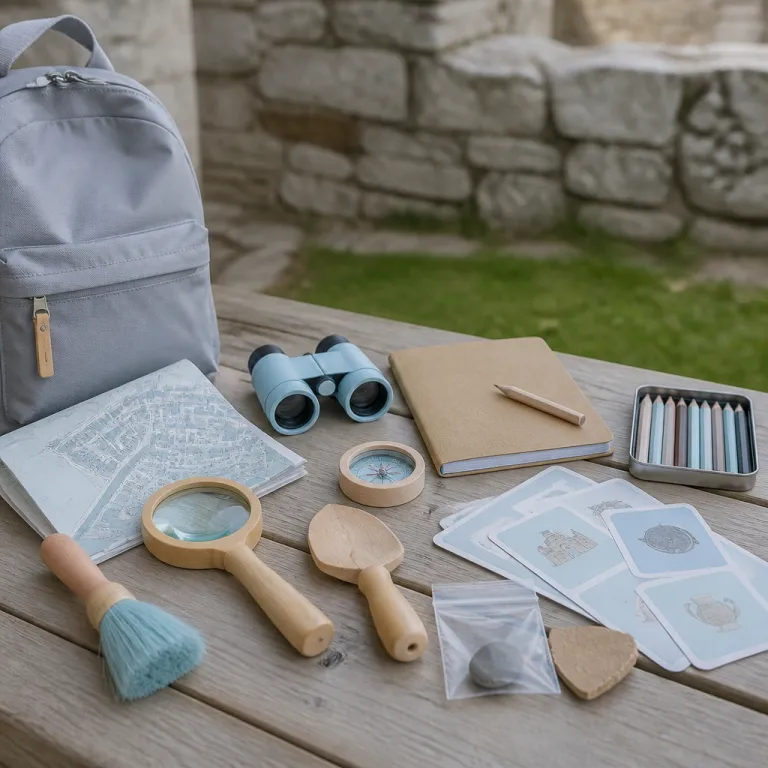
Turn ruins and historic streets into games by creating scavenger hunts that help kids find specific carvings, animals, or symbols, and let them take photos of each clue they spot. This approach works especially well for adoptees visiting a birth country, because it gives the child agency in a setting that can feel emotionally overwhelming, and it allows adoptive families to pause when needed without abandoning the larger heritage journey. Parents can also invite kids to sketch a favorite place or write three words about how a site feels, which quietly builds a personal archive of experiences and emotions.
When you are traveling with more than one child, rotate who leads the next decision so that each trip with your family includes moments of genuine choice. One day, a child might choose a hands on workshop in local culture, while another day a sibling might prefer a short walk that ends at a playground near a historic square. For ideas on balancing safety, atmosphere, and kid friendly streets, tools like this guide to choosing the right neighborhood for family friendly exploring can sharpen your eye for details that help kids feel at ease.
Heritage trips for adoptees and diaspora families: going back to a birth country
For adoptees and diaspora families, heritage travel with children often carries a different emotional weight than a typical family vacation. A heritage trip to a birth country is not just another stamp in a passport ; it is a chance to connect with family history, adoption narratives, and sometimes painful absences. Parents should recognize that every child will have a unique experience with this kind of journey, and that no single trip can answer every question about ancestors or identity.
Before traveling with adoptees, build a simple family tree together, using family photos and family stories to map what you know and what you still hope to find. This exercise helps kids understand that a heritage journey is part of a longer process over time, rather than a one time test of loyalty to either adoptive families or birth relatives. During international travel, keep expectations flexible, because meetings with family members or visits to an adoption agency can be intense for a child, even when they have asked for the experience.
Many parents worry about how much to share, but the most sustainable approach is to follow the child’s lead while offering clear, age appropriate information. Some adoptees families will want to visit specific places such as a hospital, a neighborhood, or a town square, while others may prefer to focus on culture, food, and language as gentler entry points. In every case, frame the trip with reassurance that this is one chapter in a longer story, and that you can always return to this place or to these questions when the child is ready again.
Making heritage part of everyday family travel, not just special journeys
Heritage travel with children does not have to wait for a once in a lifetime heritage trip or a long haul flight. You can weave heritage into almost any family travel plan by paying attention to local history, everyday culture, and the stories behind ordinary streets. When kids learn that every place has ancestors, migrations, and layered experiences, they start to see travel as a way to connect with people rather than just to collect photos.
On a weekend trip with your family, visit a small local museum where volunteers share personal stories about the town’s past, and ask your child to interview one person about their favorite memory. Back at your lodging, compare those stories with your own family stories, and maybe even trace a small branch of your family tree to see whether any ancestors passed through a similar landscape. Over time, these small rituals help kids understand that heritage travel is not separate from regular traveling with them, but a way of paying attention wherever you go.
For older kids who love games or fantasy worlds, you can even use creative itineraries such as this game inspired route for real world explorers as a bridge between virtual adventures and real places. The key is to help kids connect with the deeper layers of each place in a way that feels playful rather than preachy, whether you are on international travel or a short drive from home. Not the postcard, but the walk behind it — that is where family history, culture, and the child’s own story quietly meet.
FAQ
How early can we start heritage travel with children ?
Many families begin heritage travel with children in the early school years, when kids can follow simple stories and remember key experiences. Younger children can still benefit from sensory exposure to culture and place, but parents should keep days short and focus on play. The most important factor is not age alone, but how well the trip is paced for the individual child.
What is the difference between a heritage trip and a regular family vacation ?
A heritage trip is a journey designed to connect with family history, culture, or specific ancestors, while a regular vacation may focus mainly on relaxation or entertainment. Heritage travel with children often includes visits to meaningful places such as hometowns, archives, or community centers, and it usually involves more storytelling. Both types of travel can overlap, but heritage journeys carry a clearer narrative about identity and belonging.
How can we help kids engage with history instead of getting bored ?
To help kids engage with history, translate abstract information into concrete tasks such as scavenger hunts, drawing challenges, or simple interviews with local people. Use short, vivid stories about real individuals rather than long timelines, and let the child take photos or notes to create their own record of the experience. Alternating active moments with quiet reflection keeps energy balanced throughout the day.
What should adoptive families consider before planning a trip to a birth country ?
Adoptive families should talk openly with the child about hopes and worries, and clarify that the trip is an option, not an obligation. It helps to prepare by building a family tree, collecting family photos, and discussing what is known and unknown about the adoption, so that expectations stay realistic. During the journey, parents should protect the child’s privacy, allow time for rest, and be ready to adjust plans if emotions run high.
How can we keep heritage travel affordable for a family ?
Keeping heritage travel with children affordable often means choosing fewer destinations but staying longer in each place, which reduces transport costs and stress. Families can prioritize free or low cost experiences such as walking tours, local markets, and community events that still offer rich cultural contact. Planning trips during shoulder seasons, using public transport where safe, and cooking some meals can also make family travel more sustainable over time.