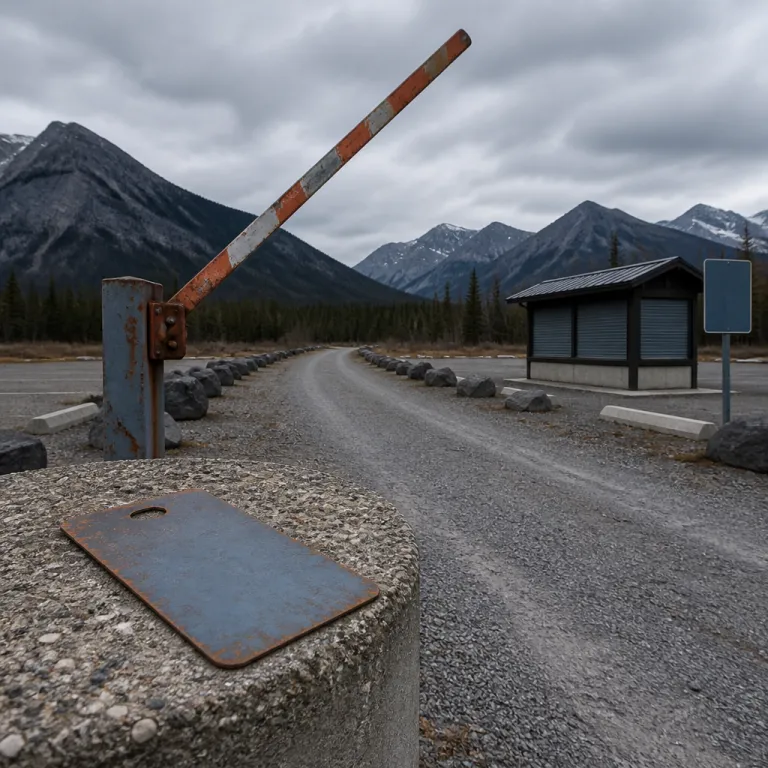
How the Canada Strong Pass changes summer travel plans
Canada’s new Canada Strong Pass program makes national park admission free for all visitors this summer. From June 19 to early September 2026, Parks Canada is waiving entry fees at 48 national parks, 171 national historic sites, and 5 national marine conservation areas, turning the usual paywall into a rare open door. For anyone planning eco conscious travel, this limited Canada national parks free summer 2026 window reshapes how you budget, where you go, and how long you stay.
The Government of Canada designed the Canada Strong initiative to revive domestic travel, support youth and families, and push visitors toward both flagship and lesser known parks. There is no physical pass to collect; instead, free admission is applied automatically at operated parks, historic sites, and national museums, which means you simply arrive at the gate and the staff will wave you through. Official Parks Canada guidance in the 2026 “Canada Strong Pass – Frequently Asked Questions” page states: “Do I need to register for the Canada Strong Pass? No registration or physical pass is required.”
For travelers used to paying a Discovery Pass or day fees, the savings on national park and national historic site entry can be strong, especially over long overnight stays. A family road trip that might have required a Canada Strong style Discovery Pass now benefits from free entry at multiple Canada locations, from Banff National Park to the national marine conservation areas off British Columbia. The catch is that provincial parks are excluded, so you still pay admission and camping fees at those sites, and you must check each historic site and fort on the official Parks Canada operated places list to confirm it is part of the network.
The fine print: what is not free, and where pressure will build
Free admission does not mean a free trip, and the Canada national parks free summer 2026 narrative can hide real costs. Parking at Lake Louise in Banff National Park remains CA$42 per vehicle per day according to the 2026 Parks Canada parking fee schedule, while Moraine Lake is closed to personal vehicles entirely, forcing you into paid shuttles or tour buses. Hot springs, guided hikes, fishing licenses, and many museums and galleries still charge separate fees, so your pass will not erase every line on the budget spreadsheet.
Parks Canada has paired the Canada Strong Pass with significant budget cuts, trimming about $145 million over three years even as it opens the gates wider. The program’s own budget is roughly $20 million, down sharply from the previous year, figures drawn from the 2026 federal budget (Parks Canada reference levels table) and Global News coverage of Parks Canada funding and tourism. Those numbers raise strong questions about how already stressed conservation areas and national marine zones will absorb extra summer traffic. During the pandemic era, Statistics Canada reported steep declines in cross border tourism, and free entry became a political tool to boost numbers, but it did not magically expand trail crews, restoration teams, or visitor centre staff.
Expect the most famous national parks to feel the squeeze between June and September, especially Banff, Jasper, and the historic sites clustered around Québec City and Halifax forts. National museums in Ottawa and major urban museums and galleries will likely see similar spikes, as families chase every possible discount and free admission opportunity. If you prefer quieter trails and more sustainable travel patterns, look toward under the radar parks such as Gros Morne, Kluane, or Pacific Rim, and pair them with less crowded cross border landscapes in the United States rather than only the busiest canyon drives and desert towns.
Smart, low impact ways to use a free national parks summer
To use the Canada national parks free summer 2026 window well, start by mapping clusters of parks, historic sites, and marine conservation areas that you can reach by train or bus. VIA Rail partnerships and regional transit can reduce car dependence, which matters when parking is expensive or restricted and when conservation areas are already under pressure. Build itineraries that link a national park with nearby national historic sites, national museums, and smaller forts, then add overnight stays in towns that benefit from your spending without absorbing your entire budget in parking fees.
Check each site’s page before you travel, because some historic sites and museums and galleries require timed reservations even when admission is free. The official Parks Canada FAQ also reminds visitors to verify age based discounts with ID, especially for youth rates at national museums and for any camping discount that may apply at specific parks. As a practical checklist, confirm whether you need shuttle reservations for places like Moraine Lake, prebook parking at popular trailheads where required, and bookmark the Parks Canada reservation system for campsites and backcountry permits. If you are used to a Discovery Pass or another strong pass product, remember that this Canada Strong scheme functions more like automatic free entry than a traditional pass, so you will still pay for camping, backcountry permits, and any guided activities.
For eco conscious travelers, the most responsible move is to treat the Canada Strong Pass as an invitation to travel deeper, not farther. Spend more time in one park or historic site, use public transport where possible, and choose shoulder season dates within the June–September window to ease crowding. Look to slow travel playbooks that emphasize walking, local transit, and longer stays, then apply the same restraint to Canada locations — not just the postcard, but the quieter trail, the museum gallery talk, and the evening walk behind it.
Sources
Parks Canada (Canada Strong Pass – Frequently Asked Questions, 2026 fee schedules, operated places list); Government of Canada (Budget 2026, Parks Canada reference levels and program funding tables); Global News (Parks Canada funding reductions and tourism recovery reporting, 2025–2026).