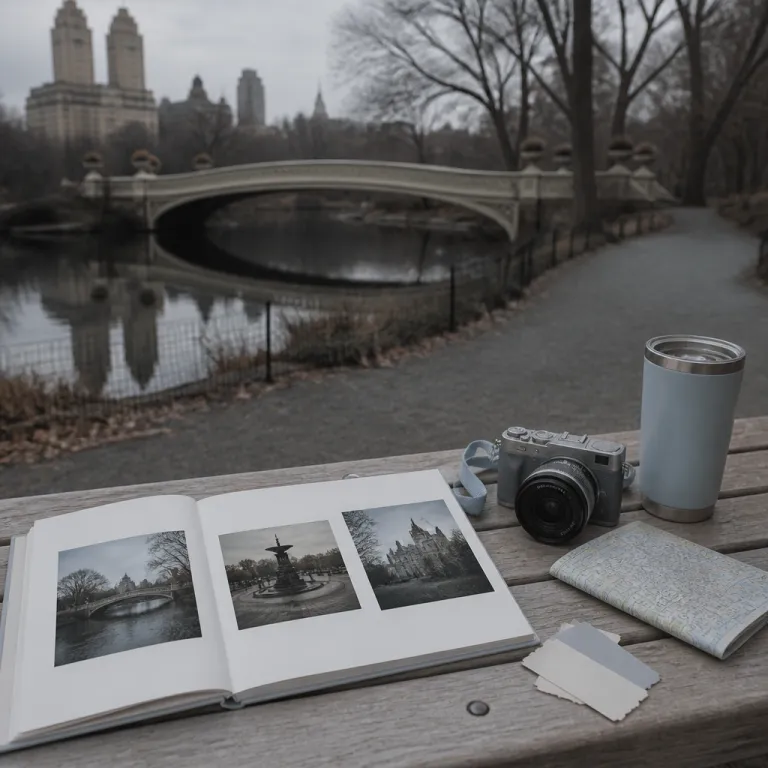
Section 1 – Understanding where to go in Central Park on your first visit
First time visitors often ask where to go in Central Park for a balanced afternoon. The answer lies in combining iconic architecture, curated nature, and a few quieter corners that reveal how this park reshaped New York City life under the vision of Frederick Law Olmsted and Calvert Vaux. When you plan your route through Central Park, think in layers of landscape, culture, and color rather than a simple checklist of park sights.
Start by orienting yourself around the southern end of the park, where the skyline of central Manhattan frames the trees in sharp contrast. Popular entrances for first timers include Columbus Circle (59th Street at Central Park West) and Grand Army Plaza (59th Street and Fifth Avenue), both close to multiple subway lines. From here you can focus on a simple loop that connects a classic bridge, a lakeside garden atmosphere, and one broad green lawn, which together give you a clear sense of how the designers blended city and nature without spending the whole day crisscrossing Manhattan.
Central Park stretches over 4 kilometers from south to north, so distance matters when you decide where to go in Central Park first. The Central Park Conservancy recommends using a park map or mobile app, and their advice aligns with my own experience of guiding visitors who underestimate the scale of this green rectangle in New York City. According to the Conservancy and NYC Parks data, the park welcomes about 42 million visitors each year, so planning your timing and direction is as important as choosing the right attractions.
One practical way to structure your afternoon is to divide the park into three zones in your mind. The first is the southern gateway, where Wollman Rink, the Pond, and Gapstow Bridge sit close together and offer a surprisingly peaceful view of the towers of New York. The second is the mid park cultural core, where Bethesda Terrace, the lake, and Bow Bridge form a graceful arch of experiences that combine water, stone, and trees in subtle color. The third is the northern cultural and nature zone, where the Conservatory Garden and the Swedish Cottage bring quieter paths and more intimate corners for reflective travelers.
Because the park is free to enter, you can treat it as an open air museum of landscape design. The Central Park Conservancy, which cares for the lawns, paths, and every oak bridge or arch, has turned this space into a living classroom for urban nature. Their work means that wherever you choose to go in Central Park, from the Great Lawn to Strawberry Fields, you will find well maintained routes, clear signage, and a sense of continuity between each area.
To move efficiently between these zones, decide early whether you will walk, rent a bicycle, or join one of the guided tours that depart near the southeast corner. Walking lets you pause at every beautiful spot and notice the shift from white cherry blossoms in spring to deep green canopies in summer, while cycling allows you to cover more ground and link distant bridges in a single loop. Guided tours, often run in partnership with the Park Conservancy and local guides, are ideal for a group that wants context about the history of New York City and the park’s role in its social life.
Section 2 – The southern gateway: Wollman Rink, bridges, and skyline views
The southern entrance is where to go in Central Park if you want that immediate contrast between glass towers and soft lawns. Just a few steps inside, the noise of New York traffic fades and the color palette shifts from grey to green, with the white facades of nearby buildings reflecting in the Pond. This area works especially well for a group with limited time, because several classic park highlights sit within a short walking radius.
Begin near Wollman Rink, which in colder months becomes one of the most atmospheric ice skating venues in New York City. The rink typically operates from late fall through early spring, with exact dates and hours published each season, and it is easily reached from the southeast corner entrance at 59th Street and Fifth Avenue. Even when ice skating is out of season, the rink area offers a wide terrace with a beautiful view back toward midtown, framed by trees that turn yellow and red in autumn.
From here you can focus your walk on a simple loop that includes at least one bridge, one garden like corner, and one open lawn, which together answer the question of where to go in Central Park for a first impression. This short circuit works well for visitors with strollers or limited mobility, because the main paths are paved and relatively gentle, and benches appear at regular intervals.
Follow the path toward Gapstow Bridge, a stone arch that curves elegantly over the water and creates a perfect spot for photography. The bridge itself is a study in color, with ivy that can shift from deep green to purple and red as the seasons change, while the reflections of white clouds and tall buildings dance on the surface below. This is a favorite place for couples and small groups, and it is one of the easiest locations to find on a standard park map.
From Gapstow Bridge, continue north along the eastern edge of the park, where the paths remain relatively flat and accessible. You will pass several benches that offer a beautiful view across the Pond, and you may notice how the Park Conservancy has carefully managed plantings to create layered shades of green, yellow, and occasional purple flowers. This stretch is ideal if you are easing into a longer day of walking in New York, or if you are combining Central Park with a wider city itinerary that includes nearby museums and shopping streets.
Travelers who enjoy urban contrasts often pair this southern gateway walk with a later visit to another water focused city, such as Venice, where canals replace lawns and bridges become the main streets. For inspiration on planning that kind of European city break, you can read a detailed guide on where to go in Venice for an unforgettable first stay, then apply similar planning principles to your time in New York. Thinking in terms of neighborhoods, views, and walking loops works equally well in New York City and in the lagoon city of Italy.
Before you leave the southern zone, take a moment to look back from a higher path toward the skyline, where the color gradient from white stone to dark glass creates a dramatic frame for the park. This is one of the best places to understand why Olmsted and Vaux insisted on sinking the transverse roads below ground, so that bridges and arches could carry pedestrians above the traffic. Their design ensures that even in the busiest part of central Manhattan, you can stand in a green refuge and feel temporarily removed from the rush of New York streets.
Section 3 – The heart of the park: Bethesda Terrace, Bow Bridge, and the lake
The mid park area around the lake is where to go in Central Park if you want the classic postcard scenes. Here, water, stone, and trees combine to create a sequence of spaces that feel almost theatrical, with each terrace, bridge, and arch revealing a new beautiful view. This is the part of the park where you should slow your pace, focus on details, and let the color and soundscape of New York City fade into the background.
Start at Bethesda Terrace, the grand two level plaza that overlooks the lake and the famous fountain crowned by the Angel of the Waters. The upper level offers a sweeping view framed by carved stone balustrades, while the lower arcade shelters intricate tile work in shades of blue, green, and white that glow softly in filtered light. Musicians often perform here, and the acoustics under the arches turn even a simple melody into a memorable part of your Central Park experience.
From Bethesda Terrace, walk west toward Bow Bridge, which many visitors name as their favorite bridge in the entire park. Its cast iron design, painted a soft white, curves gracefully over the lake and creates a perfect spot to pause, look back toward the terrace, and appreciate how the designers choreographed movement and view. On a clear day, the reflection of green trees and the occasional red or yellow rowboat creates a living painting that feels far removed from the busy avenues of New York City.
Continue your loop by following the shoreline paths, where you will pass smaller arches and occasional glimpses of the Ramble, a wilder woodland area that invites more exploratory walking. This is a good place to notice how the Park Conservancy manages both formal and informal landscapes, from carefully pruned shrubs near the terrace to more natural growth along the water’s edge. If you are visiting as a group, agree on a meeting spot such as the western end of Bow Bridge, because the winding paths can easily separate faster and slower walkers.
Travelers who enjoy this blend of water, rock, and forest often seek similar experiences beyond New York, such as the dramatic coasts and lakes of the American northwest. For ideas on extending your trip into a nature focused itinerary, you can consult a detailed guide on where to go in Oregon for coastal drama and deep blue lakes, then compare those landscapes with the curated wilderness of Central Park. Both destinations show how thoughtful design and conservation can create spaces where city dwellers reconnect with water and trees.
As you complete your mid park circuit, consider renting a rowboat or simply sitting on a bench to absorb the scene. The combination of white stone, green foliage, and the occasional splash of purple or yellow flowers makes this area a photographer’s dream, especially in late afternoon light. For many visitors, this is the moment when the question of where to go in Central Park feels fully answered, because the park’s central spirit reveals itself in the interplay of people, water, and architecture.
Section 4 – Northern highlights: Conservatory Garden, Swedish Cottage, and Belvedere Castle
The northern half of Central Park is where to go if you prefer quieter paths and more structured gardens. Fewer tourists venture this far from the southern entrances, which means you can often find a peaceful bench with a beautiful view and space to reflect on your time in New York City. This area also showcases how the Park Conservancy balances formal design with ecological care.
Begin at the Conservatory Garden, a meticulously arranged trio of garden spaces that change color with the seasons. The central Italianate section features a grand lawn and a fountain framed by clipped hedges, while the adjacent French and English style gardens offer different moods, from symmetrical flower beds to more relaxed plantings under tall trees. Here you will see white, purple, yellow, and red blooms arranged in careful patterns, making it one of the most photogenic spots in the entire park.
From the Conservatory Garden, walk west toward the Swedish Cottage Marionette Theatre, a charming wooden structure that feels transported from a Scandinavian forest. The cottage sits among tall trees and offers a different kind of cultural experience, especially for families traveling as a group with children. Even if you do not attend a performance, the surrounding paths provide a gentle transition from formal garden spaces to the more rugged terrain near Belvedere Castle.
Belvedere Castle itself stands on Vista Rock and offers one of the highest viewpoints in Central Park. Climb the stone steps to the upper terrace and you will be rewarded with a beautiful view over the Turtle Pond, the Great Lawn, and the distant towers of New York, all framed by a shifting palette of green, yellow, and red foliage depending on the season. The castle’s grey stone contrasts sharply with the surrounding color, making it a favorite subject for photographers and sketch artists.
As you descend from Belvedere Castle, follow the paths that lead toward the Great Lawn, a vast open field that hosts concerts and casual games throughout the warmer months. This is a perfect place to rest, share a picnic, or simply lie back and watch white clouds drift above the skyline of New York City. The Park Conservancy’s maintenance of this area is meticulous, ensuring that the grass remains resilient despite the heavy use by both locals and visitors.
For travelers who value quieter experiences, this northern circuit answers the question of where to go in Central Park when you want space and calm. The combination of Conservatory Garden, Swedish Cottage, and Belvedere Castle offers a rich mix of architecture, horticulture, and views without the dense crowds of the southern zones. It is also an area where you can more easily appreciate the original vision of Olmsted and Vaux, who intended the park to provide restorative contact with nature for every resident of New York City.
Section 5 – Iconic lawns, bridges, and memorials: Great Lawn, Sheep Meadow, Oak Bridge, and Strawberry Fields
Certain open spaces and crossings in Central Park have become symbols of New York life, and they form another essential answer to where to go in Central Park. These are the places where locals and visitors mix most naturally, sharing lawns, paths, and viewpoints in a relaxed atmosphere. Spending time here helps you understand how the park functions as a social stage as well as a landscape design masterpiece.
Sheep Meadow, once home to grazing flocks, is now a broad green expanse where people stretch out on blankets, read, and play informal games. On sunny days, the color of the lawn shifts subtly from deep green near the trees to lighter shades where the grass is more exposed, while white shirts, red picnic blankets, and yellow umbrellas create a lively mosaic. This is a favorite spot for a group of friends or families, and it offers a beautiful view of the surrounding skyline without feeling overwhelmed by buildings.
Farther north, the Great Lawn provides an even larger central field, framed by trees and overlooked by Belvedere Castle. This area hosts major concerts and events, yet on ordinary days it feels surprisingly relaxed, with small clusters of people scattered across the grass. The Park Conservancy manages access carefully to protect the turf, so always check signage and respect any temporary closures that help preserve this vital green heart of New York City.
To connect these lawns with more intimate spaces, seek out Oak Bridge, a graceful crossing at the northern end of the lake. The bridge combines wood and stone elements, and its railings frame a beautiful view back toward mid park, where the color of the water reflects both trees and sky. Standing here, you can focus on the subtle details of the landscape, from the curve of the shoreline to the way an arch or path guides your eye toward distant towers.
No guide on where to go in Central Park would be complete without mentioning Strawberry Fields, the memorial to John Lennon near West 72nd Street. This quiet section of the park features a circular mosaic with the word “Imagine,” often adorned with white, red, or yellow flowers left by visitors from around the world. Musicians sometimes gather nearby, and the combination of music, memory, and green surroundings creates a contemplative atmosphere that contrasts with the busy streets of New York just beyond the trees.
As you move between these lawns, bridges, and memorials, you will notice how the park’s design encourages both movement and pause. Wide paths accommodate groups walking side by side, while smaller side trails lead to secluded benches where you can sit alone and enjoy a beautiful view framed by branches and sky. This interplay of open and intimate spaces is one of the reasons Central Park remains a model for urban parks worldwide, inspiring travelers to seek similar green refuges in other cities after their time in New York City.
Section 6 – Practical planning: routes, seasons, colors, and essential tips
Knowing where to go in Central Park is only part of the story; planning how and when to visit will shape your experience just as strongly. The park changes character with each season, and the color palette shifts from fresh green and white blossoms in spring to deep red and yellow foliage in autumn. Matching your route to the season helps you focus on the most rewarding spots for that particular time of year.
In spring, prioritize areas like the Conservatory Garden, the Ramble, and the paths around Bow Bridge, where flowering trees and shrubs create clouds of white, pink, and purple above the water. Summer favors the Great Lawn, Sheep Meadow, and shaded routes near Oak Bridge, where dense green canopies offer relief from the heat of New York streets. Autumn is the moment to walk from Bethesda Terrace to Belvedere Castle and onward to the northern woods, watching the leaves shift through every shade of yellow, orange, and red against the grey stone of arches and bridges.
Winter brings its own quiet magic, especially around Wollman Rink, where ice skating under the skyline becomes a classic New York experience. Even when the cold keeps some visitors away, the park’s central paths remain open, and the contrast between white snow, dark branches, and the muted color of stone bridges creates starkly beautiful views. If you plan to visit in colder months, wear layers, focus on shorter loops, and schedule warm indoor breaks in nearby museums or cafés just outside the park boundaries.
Whatever the season, a few practical habits will improve your day in Central Park. Wear comfortable shoes, check the weather forecast, and carry a refillable water bottle, especially if you intend to walk from the southern entrances all the way to the northern gardens. The park is large enough that even a focused route connecting key spots like Bethesda Terrace, Bow Bridge, Strawberry Fields, and the Conservatory Garden can easily add up to several kilometers of walking.
Transport options within and around the park are flexible, and they allow you to tailor your visit to your energy level and interests. Walking offers the most freedom to pause at any arch, bridge, or garden that catches your eye, while renting a bicycle lets you link distant areas such as Wollman Rink and Belvedere Castle in a single afternoon. Guided tours, often supported by the Central Park Conservancy and local tour guides, provide structured routes and historical context, and they are especially useful for a group that wants to understand how this park transformed daily life in New York City.
For a realistic three to five hour micro itinerary, start around 10:00 a.m. at the southeast corner near Grand Army Plaza, stroll past the Pond and Gapstow Bridge to Wollman Rink (about 30 minutes with photo stops), then head north to Bethesda Terrace and Bow Bridge (another 30 to 40 minutes). After a short break by the lake, continue west to Strawberry Fields and the Imagine mosaic (20 minutes), then finish with a relaxed walk north to the Great Lawn and Belvedere Castle, allowing at least an hour for views and rest before exiting near the American Museum of Natural History subway stop at 81st Street.
For many travelers, a day in Central Park becomes a reference point for future journeys, shaping how they evaluate other urban green spaces from Europe to the Balkans. If you are planning a broader itinerary that balances cities and coastlines, you might pair your New York stay with a quieter seaside escape such as the Adriatic shores described in this guide to Albania’s Riviera and its Adriatic coast. Whether you are crossing a wooden bridge in Central Park or standing on a white pebble beach far from New York, the same principles apply: focus on light, color, and the way each place invites you to slow down and look closely.
Key figures and statistics about Central Park
- Central Park covers approximately 843 acres in the heart of Manhattan, making it one of the largest urban parks in New York City and a crucial green lung for millions of residents and visitors (Central Park Conservancy and NYC Parks).
- The park welcomes around 42,000,000 visitors each year, a figure that highlights its role as one of the most visited urban parks in the world and a central attraction for travelers deciding where to go in Central Park during a stay in New York.
- Walking from the southern edge near Wollman Rink to the northern Conservatory Garden covers roughly 4 kilometers, so visitors should plan for at least several hours if they want to connect major highlights such as Bethesda Terrace, Bow Bridge, the Great Lawn, and Belvedere Castle in a single route.
- Central Park offers multiple official guided tours and supports a network of local tour guides, reflecting a broader rise in guided experiences and eco tourism that helps visitors understand both the cultural history and the ecological management of this central green space.
Frequently asked questions about visiting Central Park
Is Central Park free to enter ?
Is Central Park free to enter? Yes, entry is free. This makes it easy to visit multiple times during your stay in New York City, whether you are returning to a favorite bridge or exploring a new garden.
Are there guided tours available in Central Park ?
Are there guided tours available? Yes, various guided tours are offered. These tours often focus on specific themes such as architecture, film locations, or nature, and they are an efficient way to decide where to go in Central Park if you have limited time.
Can I rent a bike in Central Park ?
Can I rent a bike in Central Park? Yes, bike rentals are available. Renting a bicycle allows you to connect distant highlights like Wollman Rink, Bethesda Terrace, the Great Lawn, and the Conservatory Garden in a single afternoon without rushing.
How long should I plan for a first visit to Central Park ?
For a first visit that includes key areas such as the southern gateway, mid park around the lake, and at least one northern highlight like Belvedere Castle or the Conservatory Garden, plan for three to five hours. This gives you enough time to walk at a comfortable pace, pause at a beautiful view, and enjoy essential park experiences like bridges, lawns, and memorials without feeling rushed.
What is the best way to navigate Central Park for first time visitors ?
First time visitors should use a combination of the official park map, mobile navigation, and clear landmarks such as Bethesda Terrace, Bow Bridge, and the Great Lawn to orient themselves. Dividing the park into southern, mid park, and northern zones helps you decide where to go in Central Park based on your interests, whether that is ice skating at Wollman Rink, relaxing on Sheep Meadow, or exploring the formal layouts of the Conservatory Garden.