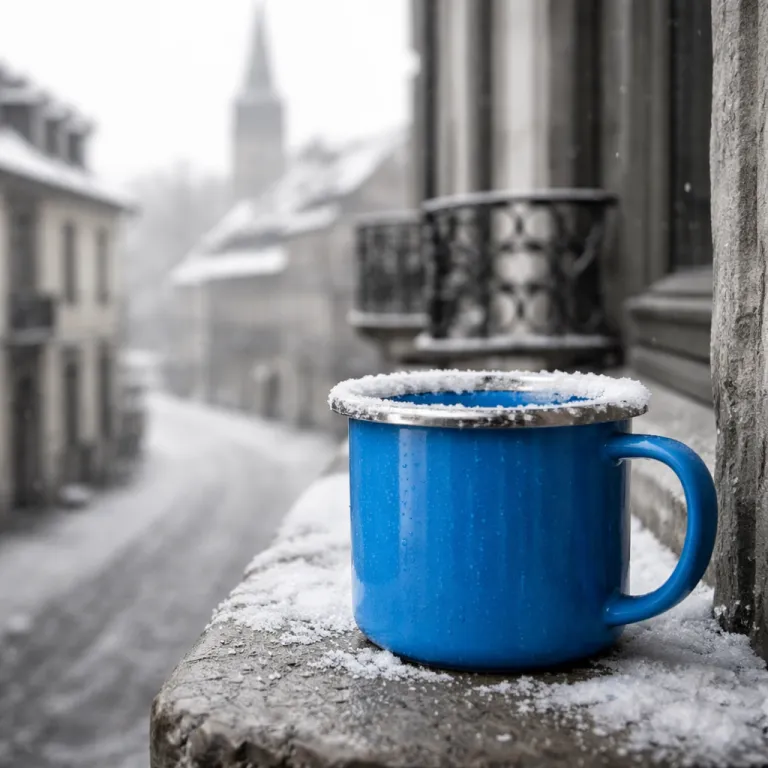
How to choose where to go in Europe in December
Deciding where to go in Europe in December really comes down to one honest question: do you want frosty streets and fairy lights, or bare branches and bright winter sun? Once you know whether you are drawn to snow, the best Christmas atmosphere, and traditional markets, or secretly dreaming of café terraces by the sea, it becomes much easier to narrow down the best places in Europe for your style of travel.
Across the continent, winter brings shorter days, cooler average temperature ranges, and very different moods from north to south. Central cities such as Vienna, Prague, and Budapest lean into the season with some of the best Christmas markets, steaming mulled wine, and classical concerts that make every evening feel festive. By contrast, southern destinations in Spain, Madeira, and the Canary Islands offer a softer December Europe climate, where the average high can reach the low twenties and the sun still feels generous.
Think about how you like to spend your time when you visit Europe in the colder months. If you love culture, music, and architecture, then a historic city with several Christmas markets will keep you busy from morning to night. If you prefer to stay active outdoors, then choosing places in Europe with milder average December conditions, such as coastal Spain or the islands, will give you more daylight hours and comfortable temperatures for walking, cycling, or simply lingering by the sea.
Vienna, Prague, and Copenhagen for classic Christmas cities
For travellers asking where to go in Europe in December for the most traditional celebrations, Vienna, Prague, and Copenhagen are outstanding choices. These destinations combine grand architecture, a strong sense of history, and some of the best Christmas markets in Europe, all wrapped in a crisp winter atmosphere. They are among the top options if you want to feel that every city square has turned into a stage for the season.
Vienna in winter is elegant and theatrical, with an average December temperature close to 1 °C, so you will want warm layers and good shoes. The main Christmas market in front of the Rathaus, the Wiener Christkindlmarkt, usually runs from mid November to around 23 December and glows with lights, while smaller markets at Schönbrunn Palace and Spittelberg offer quieter corners to sip mulled wine and taste local pastries. For a more rewarding visit, arrive at the Rathausplatz market just before opening to browse stalls before tour groups arrive, buy a reusable mug for your hot drinks to save on deposits, and pre-book evening concert tickets near the Ringstrasse so you can walk back through the illuminated streets.
Prague offers a different rhythm, with Gothic spires and cobbled streets leading to around twelve Christmas markets spread across the city. The Old Town Square and Wenceslas Square host the largest events, typically from late November to early January, yet some of the best places to feel the festive mood are the smaller neighbourhood markets where you can visit stalls run by local artisans. Time your visit to Old Town Square for just after sunset to see the tree lighting without the heaviest midday crowds, use a contactless transport card to hop between markets by tram, and head to a lesser known spot such as Náměstí Míru for more local food and shorter queues.
Copenhagen, meanwhile, brings the Danish concept of hygge to life, turning Tivoli Gardens into one of the best Christmas experiences in northern Europe. The park’s festive season usually starts in mid November and includes rides, light shows, and cosy food stalls, so it is worth buying timed-entry tickets in advance to avoid long evening lines. Beyond Tivoli, plan a late afternoon walk along Nyhavn to see the harbour lights, warm up in a candlelit café in the city centre, and use the efficient metro to move quickly between neighbourhoods when the wind turns sharp.
Budapest and Rome for culture, thermal baths, and quieter streets
When you are deciding where to go in Europe in December and want culture without overwhelming crowds, Budapest and Rome strike a refined balance. Both cities offer rich history, excellent food, and a more relaxed pace than in peak summer, making them some of the best destinations for thoughtful winter travel. You can visit major sites, enjoy festive decorations, and still find time to stay in cafés or thermal baths without rushing.
Budapest is particularly appealing in winter because of its thermal bath culture, which feels especially indulgent when the air is cold. The average December temperature hovers just above freezing, yet the steaming outdoor pools at Széchenyi or Gellért turn the season into an asset rather than a drawback. Around the city, several Christmas markets, including the main Vörösmarty Square market and the Advent Basilica market, add a festive layer, and you can sample mulled wine while admiring the Danube and the illuminated Parliament building. To make the most of your stay, book bath tickets online for early morning or late evening slots, carry flip-flops and a quick-dry towel in a small bag, and use the M1 metro line to move easily between central markets and the City Park area.
Rome, by contrast, offers milder average highs and a softer winter sun that makes long walks through Trastevere or around the Forum comfortable. December in the Italian capital means shorter queues at the Vatican Museums, quieter piazzas, and a more local feel in many neighbourhoods, even when the main squares host a Christmas market or seasonal fair such as the long running Piazza Navona festivities. If you are planning where to stay and how long to visit cities like these, consider reserving timed-entry tickets for major sites two or three weeks ahead, using public buses or trams to link distant districts instead of taxis, and allowing at least one unscheduled afternoon to wander side streets and discover small churches and family-run trattorias.
Where to go in Europe in December for winter sun
Not everyone asking where to go in Europe in December wants snow and scarves. If you are chasing winter sun, the Canary Islands, Madeira, and southern Spain provide some of the best places to stay warm while still enjoying European culture. These destinations combine gentle average temperature ranges with long daylight hours, making them ideal for outdoor activities and relaxed seaside walks.
Tenerife in the Canary Islands is a classic choice, with an average December temperature around 21 °C, which feels pleasantly summery compared with much of mainland Europe. The average high can climb a little above that on sheltered beaches, while evenings remain comfortable for dining outside, so you can travel without packing heavy winter coats. Other islands in the archipelago share similar climate patterns, and many travellers compare the Spain average winter conditions here with cooler coastal cities on the mainland before deciding where to stay. For a smoother trip, reserve a rental car early if you plan to explore Teide National Park, carry a light windbreaker for higher altitudes, and check local bus timetables in advance if you prefer not to drive.
Madeira, a Portuguese island in the Atlantic, offers a different style of winter sun, with lush green landscapes and dramatic cliffs rather than broad sandy beaches. December trips here focus on hiking levada trails, exploring botanical gardens, and enjoying a festive yet relaxed atmosphere in Funchal, where a Christmas market and seasonal lights brighten the harbour and lead into the island’s famous New Year fireworks. If you are planning a special occasion trip and wondering where to go in Europe in December for both warmth and celebration, consider booking guided levada walks to avoid getting lost on rural paths, choosing accommodation within walking distance of Funchal’s waterfront if you want easy access to evening events, and securing restaurant reservations for holiday dates well ahead of time.
Practical planning: average temperatures, where to stay, and timing
Choosing where to go in Europe in December becomes easier when you compare climate, crowds, and costs in a structured way. Early in the month, many cities in Europe offer lower prices and fewer visitors, while mid December brings peak festive events and late month dates focus on holiday celebrations. Think about whether you prefer to explore Christmas markets at their busiest or enjoy a calmer atmosphere with more space to move.
Weather data helps you match destinations to your comfort level, especially if you are sensitive to cold. For example, the average December temperature in Vienna is around 1 °C, which means you should pack thermal layers, gloves, and waterproof shoes for walking between Christmas markets and concerts. In contrast, the Spain average for Tenerife sits near 21 °C, so you can travel with lighter clothing, yet still bring a jacket for evenings when the average high drops after sunset.
Where to stay in each city depends on how you like to experience winter. In Vienna or Prague, staying near the historic centre lets you walk to several Christmas markets, taste mulled wine in different squares, and return easily to your accommodation when the temperature dips. In coastal Spain, Madeira, or the Canary Islands, you might prefer to stay near the waterfront for maximum winter sun, then use public transport or car rentals to reach other places nearby that you want to visit.
Itinerary ideas: combining cities, markets, and winter landscapes
Once you have chosen where to go in Europe in December, you can start shaping an itinerary that links several complementary destinations. A classic route for festive city lovers might include Vienna, Prague, and Budapest, which are well connected by train and share a strong Christmas market tradition. This kind of journey lets you explore multiple capitals in a single trip while comparing how each city interprets winter and the best Christmas customs.
Another approach is to blend a colder city break with a warmer coastal stay, giving you both snow and winter sun in one December holiday. For example, you could spend three nights in Copenhagen or another northern city, enjoying markets and museums, then fly to the Canary Islands or Madeira for five nights of hiking and sea views. The average high in the islands will feel noticeably different from the average December temperatures in northern capitals, which makes the contrast especially satisfying.
Travellers who enjoy photography often plan their routes around the best places to capture seasonal scenes, from illuminated squares to dramatic Atlantic coastlines. Professional images can be useful for visual research, but your own experience of these places in Europe will always feel more personal. Whether you focus on cities, islands, or a mix of both, aim to leave some unplanned time in your schedule so you can linger at a favourite Christmas market, return to a quiet viewpoint, or simply stay longer in a café that feels right.
Safety, sustainability, and expert guidance for December Europe trips
Responsible planning matters when you decide where to go in Europe in December, especially as winter conditions and crowd levels vary widely. Always check local guidance on health measures, transport schedules, and seasonal opening times before you travel, because some attractions reduce hours outside the main tourist year. Dressing in layers, carrying a reusable water bottle, and packing waterproof footwear will make your stay more comfortable in almost any European city.
Supporting local economies is one of the best ways to make your December Europe trip more sustainable. Choose family run guesthouses or reputable hotel chains that follow environmental standards, and spend time at smaller Christmas markets where artisans sell handmade products rather than mass produced souvenirs. When you attend seasonal events, look for information on how organisers manage waste and energy use, and consider using train travel instead of short haul flights where practical to reduce your impact across Europe.
Expert advice can help refine your choices about where to go in Europe in December and how long to stay in each place. Travel guides, online booking platforms, and local tourism boards provide up to date data on average temperature ranges, special events, and the best Christmas experiences in each city. As one concise expert summary might put it, Vienna, Prague, and Copenhagen consistently stand out for travellers seeking a classic festive city break.
Key figures for where to go in Europe in December
- The average December temperature in Vienna is about 1 °C, which makes it ideal for travellers who want a true winter feel with snow possible but manageable cold (data from Weather.com and the Vienna Tourist Board).
- Tenerife in Spain records an average December temperature close to 21 °C, offering reliable winter sun for those who prefer mild conditions while still staying within Europe (data from Weather.com and AEMET, the Spanish meteorological agency).
- Prague hosts around twelve Christmas markets across the city, giving visitors many different places to visit for food, crafts, and festive concerts during a single stay (data from the Prague City Tourism Board).
- Early December usually brings fewer crowds to major European destinations, while mid month dates see festive events peak and late month dates focus on holiday celebrations, so timing your visit can significantly change your experience (based on patterns reported by national tourism offices).
- Growing interest in winter travel and cultural tourism across Europe has encouraged more cities to expand their Christmas market programmes and seasonal events, supporting local economies during what used to be a quieter part of the year (reported in annual tourism statistics from several European capitals).
FAQ about where to go in Europe in December
Is December a good time to visit Europe
Yes, December is an excellent time to visit Europe if you enjoy festive events, cultural experiences, and in many places fewer crowds than in peak summer. Cities such as Vienna, Prague, Copenhagen, Budapest, and Rome offer rich programmes of concerts, markets, and exhibitions throughout the month. For travellers who prefer warmth, destinations like Tenerife, Madeira, and parts of southern Spain provide comfortable winter sun with average highs around the low twenties.
What are the best European cities to visit in December
Some of the best cities to visit in December include Vienna for classical music and grand markets, Prague for Gothic architecture and a dense network of Christmas markets, and Copenhagen for its cosy hygge atmosphere. Budapest stands out for its thermal baths and riverside views, while Rome offers a softer climate and world class heritage sites with shorter queues. Your personal list of favourites will depend on whether you prioritise culture, food, nightlife, or quieter streets.
What should I pack for Europe in December
For most of Europe in winter, you should pack a warm coat, layered clothing, a hat, gloves, and waterproof shoes, especially if you plan to stay in central or northern cities. A compact umbrella, power adapter, and small daypack are also useful when you move between markets, museums, and restaurants. If you are heading to winter sun destinations such as the Canary Islands or Madeira, bring lighter clothing as well, but keep a sweater or jacket for cooler evenings.
How far in advance should I book for December Europe trips
For popular Christmas markets and major cities, it is wise to book flights and accommodation several months in advance, especially if you plan to stay over key holiday dates. Early December often has more availability, while mid month and late month periods can sell out quickly in the best places near main squares and attractions. Train travel within Europe can sometimes be booked closer to departure, but high speed routes and night trains still benefit from early reservations.
How can I choose where to stay in each destination
When deciding where to stay, first consider whether you want to be within walking distance of main sights and Christmas markets or prefer a quieter residential area. In compact historic centres such as Vienna or Prague, staying central saves time and lets you visit several places in one evening, while in larger cities or islands you might prioritise access to public transport or the waterfront. Reading recent guest reviews and checking average December conditions will help you match each neighbourhood to your travel style and comfort needs.