Why november is one of the best times to visit Europe
Choosing where to go in Europe in November starts with understanding the season. This is the moment when crowds thin, prices soften, and the continent shifts from high to low visitor numbers while keeping its cultural calendar alive. For many travellers, that balance between calmer streets and active city culture makes late autumn one of the best times to travel Europe with intention.
Tourism boards across Europe report that November Europe visitor numbers can drop by around a third compared with peak summer. In Rome, for example, the reduction in tourists during November reaches about 30 %, which transforms famous sites into far more contemplative places to visit. A guide in Trastevere summed it up simply: “In November, Romans get their city back, and visitors finally see how we live.” If you have ever dreamed of standing in front of the Colosseum or the Trevi Fountain with space to breathe, this is the season when those dreams align with reality.
Weather is the other decisive factor when you plan where to go in Europe in November. Early in the month, southern destinations such as Athens, Lisbon, Valletta, Seville and parts of Italy still offer mild days, with Athens averaging about 15 °C. According to World Weather Online’s long-term climate data for Athens (accessed 15 May 2024 at worldweatheronline.com), daytime highs often reach the high teens Celsius, while nights stay comfortably above freezing. That means you can walk, linger at viewpoints, and enjoy long café stops without the oppressive heat that often defines summer in many European cities.
Southern europe in november: warm cities, long days and layered light
For travellers asking where to go in Europe in November for warmth, the south is your natural compass. Athens in Greece, Lisbon in Portugal, Valletta in Malta and Seville in Spain form a graceful arc of destinations where autumn still feels generous. These cities offer some of the best places in Europe November for combining soft weather with deep city culture and relaxed days.
Athens rewards a November visit with clear views from the Acropolis and shorter queues at the Acropolis Museum. Average November temperatures around 15 °C make it comfortable to climb the hill, explore the ancient Agora, and then stay for a late lunch in Plaka without the harsh sun of August. When you compare high low temperatures between day and night, a light jacket is usually enough, which keeps packing simple for those who want to travel Europe with only hand luggage.
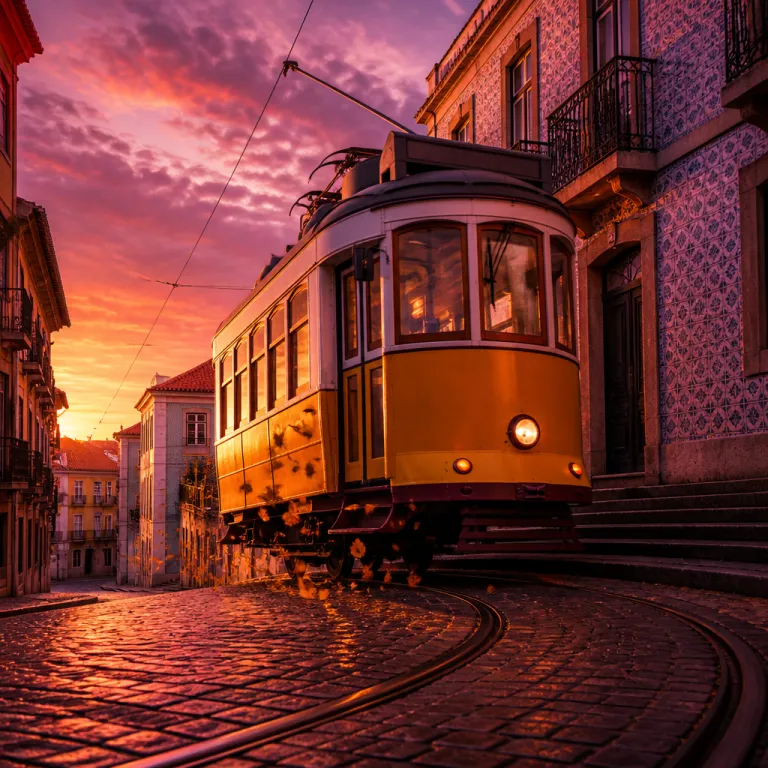
Lisbon and Valletta are equally appealing if you want to visit Europe for sea views and history in the same city. Lisbon’s hills, yellow trams and riverfront promenades feel calmer in November, while Valletta’s limestone streets glow in the low autumn light and remain pleasantly warm for harbour walks. A Lisbon café owner might suggest a simple local rule: “Start uphill walks in the morning shade, then follow the sun to the river by late afternoon.” If you are planning future seasonal escapes, you can also look at this guide to comfortable European summer regions to balance your travel calendar across the year.
Italy and Spain in late autumn: culture rich cities and coastal escapes
Italy and Spain are often at the top of any list of where to go in Europe in November, and with good reason. In Italy, cities such as Rome, Florence and Naples shift into a slower rhythm that suits museum visits and long meals. In Spain, Seville, Granada and Valencia offer some of the best places Europe wide for combining heritage, food and gentle November weather.
Rome in November Europe feels like a different city compared with the height of summer, when queues can dominate your days. With that 30 % reduction in tourists, you can visit the Vatican Museums, the Forum and the Pantheon with far less waiting, which means more time to explore neighbourhoods such as Trastevere or Testaccio. Statista’s tourism data for Rome (consulted 20 May 2024 at statista.com) shows a clear dip in visitor numbers between October and December, underlining how shoulder season transforms the experience. This is also a good season to compare high low prices on flights and rail passes, because many tour packages and flexible tickets become more affordable once the peak season ends.
Across in Spain, Seville is one of the best answers to the question of where to go in Europe in November for colour and atmosphere. The city’s orange trees are heavy with fruit, the Alcázar gardens remain green, and evening temperatures invite outdoor tapas rather than air conditioned interiors. A sample late autumn itinerary could link Seville, Granada and Valencia in about ten to twelve days: around 2 h 30 min by direct train from Seville to Granada, then roughly 5 hours by rail or coach onwards to Valencia, with two to four nights in each city. For a deeper look at warm European cities, you can read this detailed guide to warm cities, culture and quieter days in November, which highlights how to balance city breaks with slower coastal stays.
Island light and soft sand: canary islands and gran canaria in november
When travellers ask where to go in Europe in November for almost guaranteed warmth, the Canary Islands often lead the conversation. Gran Canaria, Tenerife, Lanzarote and Fuerteventura sit off the coast of Africa yet remain firmly part of Europe, which keeps travel logistics simple. These islands offer some of the best places to visit Europe wide for late autumn sun, especially if you want to combine beach days with volcanic landscapes.
Gran Canaria in particular works well for a one week stay in November Europe, because you can mix several microclimates in a single trip. The south coast usually offers the highest temperatures and the most reliable sunshine, while the interior mountains bring cooler air and dramatic views over ravines and pine forests. When you compare high low daily temperatures, you will often see a gentle range that allows for swimming in the afternoon and light sweaters in the evening.
For travellers who prefer structured itineraries, many tour packages focus on the Canary Islands during this season, often combining Gran Canaria with neighbouring islands on short ferry hops. Independent travellers can also design their own places to visit each day, from Maspalomas dunes to the old city of Las Palmas, which holds layers of maritime history. If you are building a longer list of destinations beyond November, this curated shortlist of best travel destinations worth booking can help you compare Europe best options with long haul ideas.
Festive streets and early christmas markets: central european cities in november
Not every traveller searching for where to go in Europe in November is chasing warmth ; some are looking for the first signs of Christmas. In central European cities such as Vienna, Prague, Budapest and Munich, late November marks the opening of many Christmas markets. These markets transform historic squares into atmospheric places to visit, with wooden stalls, mulled wine and regional crafts under strings of lights.
When you plan to visit Europe for Christmas markets, timing is crucial because opening dates vary between cities. Late November is often the best time to arrive if you want to see the first days of each Christmas market without the heaviest December crowds. For example, Vienna’s Christkindlmarkt on Rathausplatz typically opens in mid to late November (in 2023 it ran from 10 November to 26 December), while Prague’s main Old Town Square market usually starts in the final week of the month. Many travellers choose two or three cities to visit on a single rail tour, which allows them to compare different traditions, foods and decorations while keeping travel distances short.
These festive destinations are also ideal for travellers who enjoy city culture in cooler weather, because museums, concert halls and cafés become natural refuges between outdoor walks. You might spend your days exploring art collections and your evenings at the opera, then finish with a slow stroll through a Christmas market before returning to your stay. For those who prefer quieter corners, smaller places Europe wide such as Colmar in France or Ljubljana in Slovenia offer more intimate Christmas markets that still feel deeply seasonal.
Planning your november europe itinerary: routes, stays and practical tips
Once you have chosen where to go in Europe in November, the next step is to shape your route. Many travellers combine one warm southern city, one cultural capital and perhaps an island or mountain stay to experience different sides of the season. A typical itinerary might include four days in Lisbon, three days in Seville and a week in Gran Canaria, balancing city culture with coastal rest.
When you decide where to stay in each city, think about how you like to move through your days. If you enjoy walking, choose central neighbourhoods that keep most places to visit within a thirty minute radius on foot, especially in compact European cities such as Valletta or Florence. Those who prefer quieter evenings might stay just outside the historic centre, using trams or buses to travel Europe within each destination while enjoying calmer nights.
Practical planning also means respecting the realities of November weather, even in the best places. Always check forecasts a few days before you travel, because showers and cooler spells can appear quickly in autumn, especially in northern Europe. As many tourism boards emphasise, “Check weather forecasts before traveling. Book accommodations in advance. Explore local cuisine and traditions.”
Key statistics for november travel in Europe
- Average November temperature in Athens is around 15 °C, according to World Weather Online climate records for the city (accessed 15 May 2024 at worldweatheronline.com), which makes it significantly milder than many northern European cities at the same time of year.
- Rome sees about a 30 % reduction in tourist numbers during November, based on Statista data for monthly visitor arrivals (consulted 20 May 2024 at statista.com), which translates into shorter queues and more relaxed visits at major sites.
- Early November typically brings mild weather to much of southern Europe, while late November often marks the start of Christmas preparations and Christmas markets in central European cities, with many flagship events opening between mid and late November.
- Off season travel across Europe has been rising in recent years, reflecting a broader shift towards sustainable travel practices and a desire to avoid peak season crowds.
FAQ: where to go in Europe in November
Is November a good time to visit Europe ?
Yes, fewer tourists and mild weather in many regions. This combination makes November one of the best times to visit Europe if you value quieter streets, lower prices and easier access to major attractions. It is especially appealing for travellers who enjoy museums, food and city culture more than beach focused holidays.
Which European cities are warm in November ?
Athens, Lisbon, Valletta and Seville are among the warmest major cities in Europe during November. These destinations often maintain daytime temperatures in the mid teens to low twenties Celsius, which is comfortable for walking tours and outdoor dining. They are ideal choices if you are deciding where to go in Europe in November and want to avoid winter conditions.
Are tourist attractions open in November ?
Most major attractions across Europe remain open in November, including museums, galleries and historic sites. Some smaller venues may reduce opening hours or close on certain days, so it is wise to check official websites before you visit. In many cities, November is also the month when cultural festivals and early Christmas markets begin.
How many days should I plan for a November Europe trip ?
A well balanced November Europe itinerary usually lasts between seven and fourteen days. One week allows you to focus on a single region, such as southern Spain or northern Italy, while two weeks make it easier to combine several cities and perhaps an island stay. The key is to leave enough time in each city to adjust to the season and enjoy slower days.
What should I pack for November weather in Europe ?
Packing for November in Europe means preparing for layered weather rather than extreme cold or heat. A waterproof jacket, light sweater, comfortable walking shoes and a compact umbrella will cover most conditions, especially in central and northern regions. In southern destinations such as the Canary Islands or Athens, you can add lighter clothing for warm afternoons while still carrying an extra layer for cooler evenings.
Trusted sources for further planning
- World Weather Online
- Statista
- European Travel Commission