Where to go in Oregon for your first immersive trip
Oregon rewards curious travelers who look beyond the obvious routes. When you start mapping out where to go in Oregon, think of the state as a set of distinct regions that each offer a different style of trip. From the misty coast to the high desert, the most memorable journeys come when you connect these landscapes on a thoughtful road itinerary rather than rushing between isolated highlights.
Begin in the north of the state, where Portland anchors many first journeys into Oregon. Spend a morning at the Portland Japanese Garden, then follow the Columbia River Gorge east, where the scenic area is renowned for waterfalls, viewpoints, and a hiking trail network that suits both casual walkers and serious trekkers. Guided waterfall walks, shuttle-supported hikes, and photography outings operate throughout the main season, so you can choose between independent exploration and expert-led excursions.
From the Gorge, many visitors wonder where to head next for a mix of culture and nature. A classic route is to drive toward Mount Hood, the snow-capped peak that rises above forests and lakes, then loop south toward the high plateau that leads eventually to Crater Lake National Park. Allow at least three to five days for this first loop, which already introduces you to several of the best places in the state while keeping driving distances manageable for a relaxed road trip that still feels immersive rather than rushed.
Oregon coast: quiet capes, hidden beaches, and small towns
The Oregon coast stretches for more than 580 kilometers, and each section feels distinct. Many travelers know Cannon Beach for Haystack Rock, yet the coastline hides smaller coves, forested headlands, and state park viewpoints where you can watch storms roll in over the Pacific. When you decide which coastal towns to include, balance famous stops with lesser known capes so your route feels both iconic and personal.
In the north, Cannon Beach and nearby Ecola State Park offer classic views, while the God’s Thumb trail near Lincoln City rewards those willing to tackle a steep, muddy path to a grassy promontory. Families often base themselves in a beach town such as Lincoln City or Manzanita, then take short drives to explore each nearby cape, beach, and coastal trail. If you enjoy planning trips around seasonal color, a fall foliage trip timed for late September to October can reveal coastal forests glowing with warm tones and quieter beaches between summer and winter storms.
Farther south, the Oregon coast becomes wilder and less crowded, especially beyond Coos Bay and toward the border with California. Here, sea stacks rise from the surf, and small state park campgrounds sit just above quiet beaches where you might share the sand with only a few locals. This southern Oregon shoreline pairs well with a longer road trip that also includes inland forests, waterfalls, and perhaps a detour toward the high desert, giving you a sense of how dramatically the state’s scenery shifts within a single day’s drive.
Crater Lake, national parks, and volcanic landscapes
Crater Lake National Park is often the answer when people ask about the single best place to visit in Oregon. The lake fills a volcanic caldera, and its intense blue color comes from remarkable depth and clarity. Summer is the best time to visit Crater Lake, because clear roads, open viewpoints, and regular boat tours make it easier to appreciate the full sweep of the rim and the water below.
When you plan your route around Crater Lake, think beyond a quick photo stop at Rim Village. Drive the full rim road when conditions allow, pausing at viewpoints that look down on the crater from different angles, then hike at least one trail to feel the scale of the landscape. Short walks such as the Sun Notch trail offer framed views of Phantom Ship, while longer routes lead to fire lookouts and wildflower meadows that reveal how the national park protects both geology and fragile ecosystems shaped by past eruptions.
Crater Lake combines well with other volcanic and mountain destinations in southern Oregon and central Oregon. You might link the national park with Mount Hood to create a themed volcano road trip, or continue east toward the high desert and the Painted Hills for a striking contrast. For travelers who enjoy narrative style itineraries, fantasy-inspired road journey guides can offer creative ideas on how to structure multi day routes through varied terrain and weave different landscapes into a single story.
High desert, hot springs, and the quiet of eastern Oregon
Eastern Oregon feels like a different state, with wide basins, sagebrush plains, and distant mountain ranges. When you consider where to go in Oregon to escape crowds, this region should sit high on your list of best places. The light is sharp, the air dry, and the night skies often brilliant with stars that seem to hang just above the horizon.
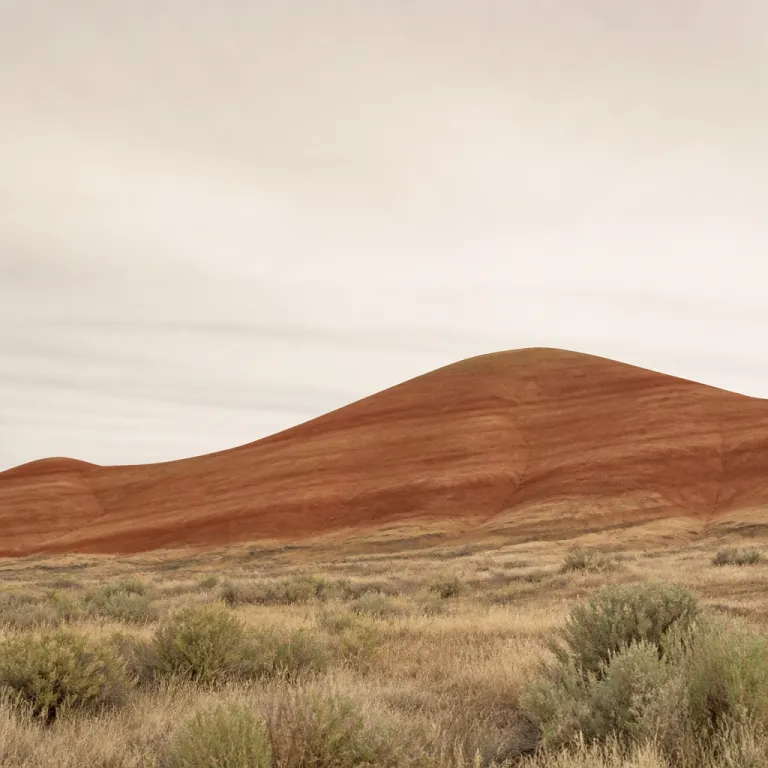
The Alvord Desert, a vast playa beneath Steens Mountain, offers one of the most dramatic desert scenes in the Pacific Northwest. Travelers often combine a visit to the Alvord Desert with nearby hot springs, where simple pools allow you to soak while looking out over the flat expanse of the dry lake bed. Farther north, the Painted Hills unit of the John Day Fossil Beds National Monument reveals banded slopes of red, gold, and black, and short interpretive trails explain how climate shifts shaped this beautiful landscape and preserved ancient plant and animal remains.
Those who enjoy mountain scenery should look toward the Wallowa Mountains in the far northeast of the state. Here, a gondola from the town of Joseph rises to high viewpoints, and a network of backcountry trails leads to alpine lakes and flower filled meadows. This corner of eastern Oregon works well as the finale to a long road trip of about ten days that begins on the Oregon coast, passes through Crater Lake, and then arcs into quieter country before looping back toward the north for a final night in a small town or city.
Waterfalls, forests, and the best trails for short hikes
Oregon’s reputation for waterfalls is well earned, and many visitors want to know where to go in Oregon for the most accessible cascades. The Columbia River Gorge remains the classic answer, with a concentration of falls, viewpoints, and trailheads within a relatively short drive of Portland. “What is the best time to visit Crater Lake ?” may be a common question, yet for waterfalls the key season is often spring, when snowmelt swells the streams and the surrounding forests glow a fresh, bright green.
Multnomah Falls, Wahkeena Falls, and other well known cascades line the Historic Columbia River Highway, and short loop trails connect several viewpoints. If you prefer quieter paths, look toward Silver Falls State Park near Salem, where the Trail of Ten Falls allows you to walk behind certain curtains of water and feel the cool spray on your face. This park works well as a day trip from the Willamette Valley, and it can be combined with wine tasting or farm visits for a varied itinerary that balances hiking with local food and scenery.
Beyond these famous sites, smaller waterfalls and forest trails appear across the state, from the foothills of Mount Hood to the coastal ranges above towns such as Lincoln City. When planning hiking days, consider your fitness level and the time you have, then choose a mix of short, scenic walks and one or two longer trails. For more narrative inspiration on linking hikes into a coherent journey, imaginative traveler’s road trip guides show how varied stages can build toward a satisfying whole and keep each day feeling distinct.
Small towns, local flavors, and practical tips to visit Oregon
Beyond landscapes, Oregon’s towns add character and comfort to any trip. When you decide where to go in Oregon for atmosphere, look for communities that balance access to nature with strong local food scenes. Cannon Beach, Hood River, Bend, and Ashland each offer different blends of outdoor access, culture, and dining, and choosing one or two as bases can keep your trip feeling grounded.
On the Oregon coast, Cannon Beach and Lincoln City both provide easy access to long stretches of sand, while also offering cafés where you can pause over coffee or a scoop of local ice cream after a windy walk. Inland, Hood River combines Columbia River Gorge views with a lively main street, and Ashland in southern Oregon pairs theater with nearby trails and vineyards. These towns make excellent bases when you plan a road trip that strings together national park visits, desert detours, and mountain hikes into a single, coherent itinerary.
To visit Oregon smoothly, reserve key accommodations early in peak seasons, especially near Crater Lake and along the coast. Check weather and road conditions before driving mountain passes, and carry layers, because temperatures can shift quickly between the beach, the forest, and the high desert. With thoughtful planning, you can experience the best things the state offers, from quiet capes and painted hills to hot springs, waterfalls, and star filled skies that linger long after you return home.
Key figures and travel statistics for Oregon
- Crater Lake National Park welcomes around 700,000 visitors each year, according to the National Park Service (NPS visitation statistics), which makes it one of the most visited natural attractions in the state yet still far quieter than many larger national parks.
- Mount Hood rises to about 3,429 meters (11,249 feet) above sea level, based on United States Geological Survey (USGS) data, and its elevation allows for year round recreation that ranges from skiing to summer hiking.
- The Oregon coast extends for roughly 584 kilometers, and the entire shoreline is public, which means every beach is legally accessible to visitors under the state’s long standing beach bill, originally passed in 1967.
- Oregon contains more than 250 state park units, according to Oregon State Parks figures, a density that ensures most travelers are never far from a signed trailhead, picnic area, or protected viewpoint during a road trip.
FAQ: planning where to go in Oregon
What is the best time to visit Crater Lake ?
Summer is the best time to visit Crater Lake, because roads around the rim are usually clear of snow and boat tours can operate on the lake. Outside this season, heavy snowfall often closes parts of the park, and access may be limited to snowshoeing or cross country skiing. Always check National Park Service updates before you plan a specific date.
Are there guided tours in the Columbia River Gorge ?
Yes, various guided hikes and tours are available in the Columbia River Gorge, ranging from half day waterfall walks to full day photography excursions. Many operators depart from Portland, which makes it easy to join without renting a car. Booking in advance is wise during spring and summer, when demand is highest.
Is Cannon Beach suitable for families ?
Cannon Beach is well suited to families, thanks to its wide sandy beach, gentle town atmosphere, and range of lodging and dining options. Children often enjoy exploring tide pools near Haystack Rock at low tide, under the guidance of local volunteers who help protect marine life. The town also offers galleries, cafés, and short drives to nearby state park viewpoints.
How much time is needed to explore the Portland Japanese Garden ?
Plan around one to two hours for a thorough visit to the Portland Japanese Garden. This allows time to walk through each garden style, pause at viewpoints over the city, and perhaps enjoy tea or a quiet moment on a bench. If you are particularly interested in landscape design or photography, you may wish to stay longer.
What activities are available on Mount Hood ?
Mount Hood supports skiing, snowboarding, hiking, and climbing, with different activities favored in different seasons. In winter, several ski areas operate on its slopes, while summer brings wildflower hikes and mountaineering routes to the summit for experienced climbers. Year round, scenic drives and short walks around the mountain offer views for visitors of all abilities.