Understanding where to go in Nova Scotia for a first refined trip
When you start planning where to go in Nova Scotia, begin with scale. This Atlantic province of Canada may look compact on a map, yet the winding coastal road network and rural detours mean driving times stretch longer than many visitors expect. As a rough guide, Halifax to Lunenburg takes about 1.5 hours, while Halifax to Wolfville is around 1.25 hours without stops. Plan your first trip as a series of focused regions rather than a frantic province-wide dash.
Tourism Nova Scotia reports that about 2.4 million visitors arrive each year (based on recent provincial tourism statistics), so timing matters. If you want warm weather, outdoor festivals, and the best conditions for a scenic road trip along the coast, the summer months from late June through early September deliver long days and lively events. Shoulder seasons in May–early June and late September–October reward patient travelers with quieter roads, more time to talk with locals in each town, and easier last-minute bookings for rafting or fishing excursions.
Think of the province as four elegant themes that help you decide where to go in Nova Scotia. You have the urban harbor energy of Halifax, the pastoral charm of the Annapolis Valley and Grand Pré, the dramatic tides of the Bay of Fundy, and the wild coastal drama of Cape Breton and the Cabot Trail. Once you match these regions to your preferred style of trip day by trip day, the rest of your itinerary falls into place.
Before you drive any distance, read current road conditions and ferry schedules, because coastal weather can reshape plans quickly. Check weather forecasts, book accommodations early, and explore local cuisine, as official tourism guidance repeatedly advises, especially when you intend to combine several road trips into one longer journey. Guided tours are widely available across Nova Scotia, which is reassuring if you prefer expert commentary while you explore historic districts, lighthouses, or remote coves.
Halifax and the South Shore: harbour culture, coves, and coastal drives
If you are wondering where to go in Nova Scotia for a sophisticated yet relaxed urban base, start with Halifax. This compact harbor city in Atlantic Canada combines a working port, a lively waterfront boardwalk, and easy access to day trips along the South Shore road network. You can stroll from historic site to seafood restaurant in minutes, then be on a quiet coastal drive less than an hour later, with Halifax to Peggy’s Cove typically taking about 45 minutes.
Along the way to Peggy’s Cove, often written as Peggy Cove in search queries, the road hugs granite headlands and tiny inlets dotted with colorful fishing boats. The lighthouse at Peggy’s Cove is one of the most photographed spots in Nova Scotia, yet the real charm lies in watching lobster traps stacked beside weathered sheds and listening to waves slam the rocks. Arrive early in the day to avoid tour bus crowds, and allow time to walk beyond the main viewpoint where the landscape feels wilder.
Continue your South Shore trip toward Mahone Bay, a town framed by three iconic church spires and a sheltered cove filled with moored boats. Mahone Bay rewards slow travel; you can read local history panels, browse galleries, and enjoy a long lunch featuring fresh lobster or scallops. Nearby, Lunenburg, a UNESCO-listed historic town, showcases brightly painted wooden houses, maritime museums, and working fishing boats that still head out into the Atlantic. In summer, events such as the Lunenburg Folk Harbour Festival add live music to the waterfront.
Use similar principles here as you would for any refined coastal itinerary by limiting each road trip to one shoreline and one cluster of towns. That way, every drive from Halifax along the South Shore becomes a pleasure rather than a race against time, and you have space to pause at small beaches, craft studios, and viewpoints without watching the clock.
Bay of Fundy, tidal bore rafting, and the Annapolis Valley
Travelers asking where to go in Nova Scotia for dramatic natural phenomena should focus on the Bay of Fundy and its surrounding valleys. This immense bay between Nova Scotia and New Brunswick hosts some of the highest tides on earth, with a tidal range that can exceed 12 metres in certain locations (as reported by regional oceanographic studies), which shape everything from fishing boat schedules to the design of riverside docks. The famous tidal bore, a surge of water that reverses river flow, creates one of the province’s most memorable adventure experiences.
On rivers such as the Shubenacadie River, operators run bore rafting trips timed precisely with the incoming tide. During these bore rafting excursions, inflatable rafts plunge through standing waves as the tidal bore pushes upstream, turning a calm river into a churning playground. If you choose a rafting resort along this stretch, you can combine a half day of rafting with quiet evenings watching the river return to its gentle self, often with campfires and simple on-site dining.
Beyond the adrenaline, the surrounding Annapolis Valley offers a softer answer to the question of where to go in Nova Scotia for wine, orchards, and heritage. Towns like Wolfville and Grand Pré sit between rolling vineyards and the tidal flats of the Minas Basin, a sub-region of the Bay of Fundy often written as Bay Fundy in travel searches. Grand Pré is both a fertile agricultural plain and a powerful historic site commemorating Acadian history, with walking paths that overlook dykelands shaped by centuries of human effort.
Balance intense activities like rafting with contemplative time in vineyards and riverside towns. A well-structured trip day in this region might start with a morning drive along the valley, continue with wine tasting near Wolfville, and end with an evening walk beside the river as the tide quietly reshapes the shore, reminding you how closely local life follows Fundy’s rhythm.
Cape Breton and the Cabot Trail: coastal drama and cultural depth
When travelers debate where to go in Nova Scotia for the most iconic scenery, the Cabot Trail on Cape Breton Island usually wins. This legendary loop road clings to cliffs, dives into forested valleys, and reveals new ocean vistas at almost every bend. Driving the Cabot Trail is not about speed; it is about taking the time to stop at lookouts, trailheads, and small communities that preserve Gaelic and Acadian traditions.
Plan at least two full trip days for this region, ideally three if you enjoy hiking and photography. The northern highlands offer trails that climb from sea level to panoramic ridges in just a few kilometres, while sheltered coves hide pebble beaches where you may see fishing boats heading out at dawn. In summer, whale-watching excursions depart from several harbors, adding another layer of marine life to your Cabot Trail experience, and the Celtic Colours International Festival in October brings music and storytelling to venues across the island.
Cultural travelers will appreciate how Cape Breton weaves music, language, and history into its landscapes. Ceilidhs, or traditional music gatherings, take place in community halls and pubs, turning an ordinary evening drive into a chance encounter with fiddlers and step dancers. Museums and interpretive centers along the road explain how Mi’kmaq, Scottish, and Acadian communities shaped this part of Nova Scotia, giving context to place names and historic markers you pass.
If you are building a broader portfolio of scenic road trips beyond Nova Scotia, you might compare the Cabot Trail with other refined coastal routes in North America. Both here and elsewhere, the most rewarding itineraries favour slow driving, time for local stories, and overnight stays in small communities rather than quick photo stops at the busiest viewpoints.
Seafood, small towns, and the art of the Nova Scotia road trip
Understanding where to go in Nova Scotia also means understanding how people here live with the sea. Many of the most rewarding stops on any road trip are working harbors where lobster boats, scallop draggers, and small fishing vessels set the daily rhythm. When you walk a wharf at first light, you see how tides, weather, and tradition shape every decision.
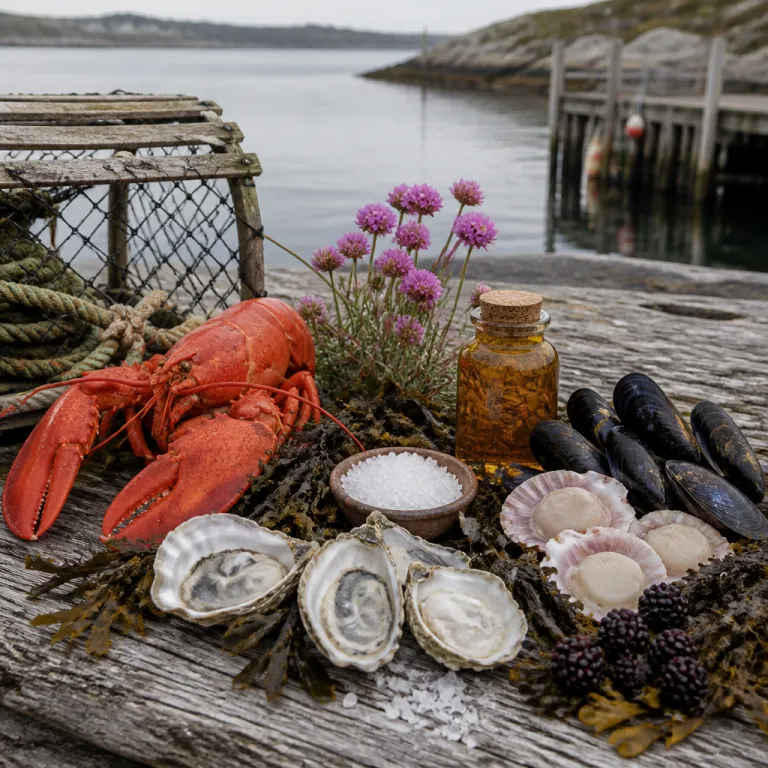
In villages along the South Shore, the Annapolis Valley coast, and Cape Breton, look for simple lobster pound restaurants where the catch moves almost directly from boat to pot. Eating lobster in Nova Scotia is less about luxury and more about freshness, conversation, and the sound of gulls overhead. Pair your meal with local cider or wine from the valley, and you have a quietly perfect Maritime Canada evening.
Small towns such as Wolfville, Mahone Bay, and Annapolis Royal invite you to slow your drive and walk instead. Each town has its own character: Wolfville leans toward university energy and wine bars, Mahone Bay toward galleries and coastal views, Annapolis Royal toward layered military and Mi’kmaq history. By structuring your road trips around these compact centers, you avoid spending all your time behind the wheel and gain more chances to read interpretive panels, talk with residents, and explore side streets.
For many travelers, the most memorable moments in Nova Scotia happen between headline sights, on a quiet coastal road lined with wildflowers or beside a cove where only a few houses cluster around a tiny pier. Leave space in your itinerary for unplanned stops when a hand-painted sign advertises fresh lobster, river fishing, or a local craft market. Those pauses turn a simple road trip into a layered journey through both landscape and community.
Practical planning: timing, driving, and choosing your regions
Once you have a sense of where to go in Nova Scotia, refine the practical details. Distances may look short, but coastal road conditions, photo stops, and slow-moving vehicles can stretch a two-hour drive into most of a trip day. For example, Halifax to Baddeck, a common gateway to the Cabot Trail, takes about 3.5–4 hours of driving, while Halifax to Digby on the Fundy shore is roughly 3 hours. Build generous buffers into your schedule so that a scenic detour or a surprise festival in a town feels like a gift rather than a problem.
For first-time visitors, combining Halifax with either the Bay of Fundy and Annapolis Valley or Cape Breton offers a balanced introduction. Start with two or three nights in Halifax to adjust to local time, sample urban dining, and visit nearby Peggy’s Cove or Mahone Bay. Then choose one major region for a deeper road trip, rather than trying to loop the entire province in a single week.
Driving in Nova Scotia is straightforward for anyone comfortable with rural roads, but you should still read up on local rules and seasonal hazards. Fog can roll in quickly along the coast, and wildlife crossings are common at dawn and dusk, especially on less-traveled stretches. Keep fuel topped up in remote areas, and remember that mobile coverage can be patchy between valleys and along certain river corridors. If you plan to connect with neighbouring provinces, note that ferries such as the Digby–Saint John route across the Bay of Fundy and the seasonal service between North Sydney and Newfoundland can influence your timing.
Because eco-tourism and cultural experiences are central to the province’s appeal, consider how your choices support local communities. Staying in family-run inns, booking guided bore rafting or fishing excursions with local operators, and buying directly from artisans in town markets all help keep tourism revenue in the region. With around 2.4 million annual visitors according to recent Nova Scotia tourism data, even small decisions about where you spend your time and money can shape the long-term health of these coastal communities.
Adventure and rivers: rafting, fishing, and active days on the water
For travelers who define where to go in Nova Scotia by the quality of outdoor adventure, the province’s rivers and bays offer a compelling playground. The tidal bore rafting experiences on rivers connected to the Bay of Fundy are the headline thrill, but they are only one part of a broader water-based portfolio. You can structure an entire trip around alternating calm fishing mornings, energetic rafting afternoons, and reflective evenings by the shore.
On the Shubenacadie River and similar waterways, specialized rafting resort operators provide gear, guides, and safety briefings tailored to the powerful tidal bore. These bore rafting trips are timed to the minute, because the incoming tide from the Bay of Fundy transforms the river from a shallow channel into a series of standing waves. Even if you have rafted mountain rivers elsewhere in Canada, the sensation of moving with the tide rather than against gravity feels unique.
Anglers will find both freshwater and saltwater fishing options across Nova Scotia, from river salmon runs to coastal charters that follow schools of mackerel and groundfish. In many harbor towns, you can watch fishing boats unload their catch in the late afternoon, then eat that same fish in a nearby restaurant a few hours later. Some operators combine half-day fishing with wildlife viewing, turning a simple outing into a broader lesson in marine ecology.
Active travelers should also consider sea kayaking in sheltered coves, cycling quiet valley roads, and hiking coastal trails that link headlands, beaches, and forest. Each activity offers a different perspective on the same landscapes, reinforcing why so many visitors return to Nova Scotia for repeat road trips rather than treating it as a one-time stop. By mixing river rafting, coastal fishing, and land-based exploration, you create a trip that feels both varied and deeply rooted in the province’s natural rhythms.
Key figures for planning a Nova Scotia journey
- Nova Scotia welcomes about 2.4 million visitors annually, according to recent provincial tourism statistics, which means popular spots like Halifax and Peggy’s Cove can feel busy in peak season while shoulder months remain calmer.
- The Bay of Fundy’s tidal range can exceed 12 metres in some locations, as noted in regional oceanographic research, creating the powerful tidal bore that makes bore rafting on rivers such as the Shubenacadie possible and shaping daily schedules for fishing boats.
- Driving the full Cabot Trail loop on Cape Breton covers roughly 300 kilometres, but most travelers spread it over two or three days to allow for hiking, photography, and cultural stops in small communities.
- Tourism authorities highlight that summer offers the warmest weather and the densest calendar of festivals, while spring and autumn provide lower accommodation pressure and more flexible road trip planning.
FAQ: planning where to go in Nova Scotia
What is the best time to visit Nova Scotia for a first trip ?
The most comfortable period for a first visit is during the summer months, when temperatures are mild, days are long, and many festivals animate towns across the province. This timing also offers the best conditions for coastal drives, Cabot Trail road trips, and activities such as tidal bore rafting on Fundy-connected rivers. Shoulder seasons in late spring and early autumn are ideal if you prefer fewer crowds and cooler air.
Are there guided tours available across Nova Scotia ?
Yes, various guided tours are offered across the province, ranging from walking tours in Halifax and Lunenburg to full-day excursions to Peggy’s Cove, the Annapolis Valley, and the Bay of Fundy. Adventure operators provide specialized guiding for activities such as bore rafting, sea kayaking, and wildlife watching. Booking in advance is recommended in peak season, especially for small group tours that focus on local culture and history.
How many days do I need to explore Nova Scotia properly ?
A focused itinerary combining Halifax with one major region, such as the Bay of Fundy and Annapolis Valley or Cape Breton and the Cabot Trail, works well in seven to ten days. This allows time for unhurried road trips, visits to at least one major historic site, and a mix of coastal walks, rafting or fishing, and town exploration. If you want to include both Fundy and Cape Breton in one journey, plan closer to two weeks.
Is driving in Nova Scotia suitable for international visitors ?
Driving conditions in Nova Scotia are generally straightforward for visitors accustomed to rural and coastal roads, with clear signage and relatively light traffic outside Halifax. The main considerations are variable weather, including fog and rain, and the need to watch for wildlife on less traveled stretches, especially at dawn and dusk. Renting a car gives you the flexibility to reach smaller coves, valleys, and river access points that are difficult to visit by public transport.
Which regions should I prioritise if I love nature and seafood ?
If your priorities are dramatic landscapes and excellent seafood, focus on the Bay of Fundy coast, the Annapolis Valley, and Cape Breton Island. These areas combine tidal bore phenomena, vineyard-lined valleys, and rugged headlands with working harbors where lobster, scallops, and other local catches shape daily menus. Pairing a few days in Halifax with a longer stay in one of these regions creates a balanced itinerary that highlights both culture and coastline.