When culinary travel experiences are worth crossing an ocean for
Culinary travel experiences only matter when they change how you eat at home. The best culinary travel goes beyond staged tastings and turns food, wine, and culture into one continuous conversation that follows you back into your own kitchen. Every travel experience you choose should feel like a long apprenticeship in miniature, not a quick photo beside a chef’s jacket.
Across the world, organizers such as Cheese Journeys, The Palatum, and Collette now curate culinary tours that promise immersive food travel, but not all experiences are created equal. Look for culinary tours that work with real producers, use seasonal local ingredients, and keep each small group intimate enough that you can actually talk to the winemaker, cheesemaker, or market vendor. When you read a privacy policy on a provider’s website, you are really checking whether the company treats your data with the same care it claims to give its guests and its food.
The global culinary tourism market already exceeds 1.1 billion USD, which means choice can feel overwhelming. To cut through the noise, focus on culinary travel experiences that include hands on cooking classes, time in a real market, and at least one shared meal in a private home. When a tour description talks more about photo stops than about recipes, ingredients, and the people behind them, you are looking at performance, not an authentic culinary adventure.
Tuscany and Emilia Romagna: pasta, balsamic vinegar, and real kitchen time
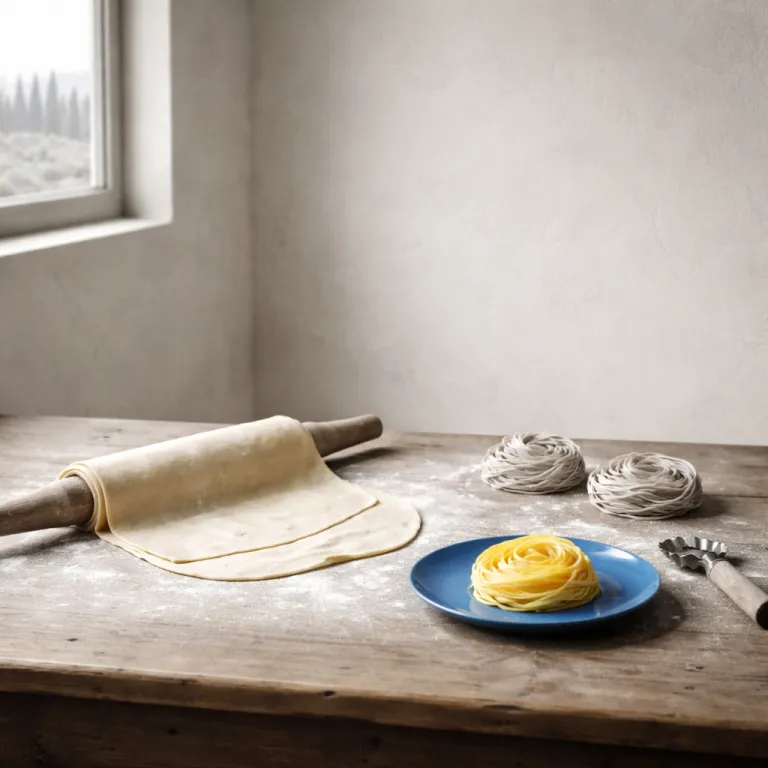
In central italy, the most meaningful culinary adventure rarely happens in a polished cooking school. It happens when you spend an afternoon in a tiled farmhouse kitchen, rolling sfoglia with a nonna who measures flour by feel and talks about how food, family, and travel experiences have always been intertwined. Those are the culinary travel experiences that make you rethink every plate of pasta you order afterward.
Seek out culinary tours in Tuscany and Emilia Romagna that specify work with home cooks and small agriturismi, not anonymous hotel chefs. A strong italy food itinerary might pair a morning in the Modena market with an afternoon tasting traditional balsamic vinegar in an acetaia, followed by experience cooking regional recipes such as tagliatelle al ragù or tortellini in brodo. When a culinary vacation operator caps each small group at eight guests, you can actually feel the dough, ask questions, and taste the difference between industrial and artisanal products.
Some of the best food tours in this region are run by working producers who treat each visit as part of their daily routine, not a performance. You might join a food tour that starts with espresso at a bar where no one speaks English, continues through stalls piled with artichokes and pecorino, and ends at a long wooden table for a slow lunch with wine from the family’s own vines. These experiences become hidden gems in your travel memory, especially when they show you how simple recipes, cooked well, can outshine any michelin star dining room.
Oaxaca markets, paris bistros, and the art of reading a food tour
In Oaxaca, the most transformative food travel begins in the market, not in a glossy kitchen. A serious culinary tour will walk you through piles of chiles, cacao, and herbs before you even touch a knife, because understanding ingredients is the foundation of any authentic culinary experience. When a guide explains how each vendor sources their corn or chocolate, you start to see how food, culture, and land are inseparable.
Look for Oaxacan food tours that pair a market visit with a mole workshop, where you toast, grind, and stir your own sauce rather than watching someone else cook. A well designed culinary vacation here might include a day trip to a mezcal village, a home style cooking class, and time to explore festivals and rituals that shape the local food wine calendar, which you can research further through a detailed Oaxaca festival guide such as the one on Where To Go. These layered travel experiences give you both recipes and context, so every future sip of mezcal carries a story.
In france, the same logic applies whether you are in paris or in a provincial town known for cheese and wine. Choose a paris food tour that limits numbers, visits a working market, and ends with a seated tasting where you learn to pair food and wine rather than rushing between pastry shops. When you compare experiences, remember that “What is culinary tourism? Traveling to experience the food and drink of a region.” and that the best food tours, in any plural or singular form, always respect that definition.
Nordic foraging, coastal residencies, and multi day culinary vacations
Far from the crowds of paris and tuscany, the Nordic region has become a quiet laboratory for new kinds of culinary travel experiences. Along the Norwegian coast and in rural Sweden, former restaurant teams and foragers now host multi day culinary vacations that feel more like residencies than tours, with guests joining the daily rhythm of fishing, foraging, and preserving. These culinary adventures are less about plated perfection and more about learning how a landscape feeds people through long winters.
A typical small group stay might include morning seaweed foraging on rocky shores, afternoon cooking classes focused on smoking and pickling, and evenings spent around a communal table with natural wine and stories. Because these culinary tours are run by working producers, you help haul nets, clean fish, and prepare food, rather than watching a demonstration from a distance. Over several days, the travel experience becomes a loop of learning, tasting, and resting, which is very different from a single afternoon class in a city kitchen.
When you evaluate these residencies, pay attention to how clearly they explain their privacy policy, safety practices, and relationship with local communities. Serious operators will outline how they limit group sizes, protect fragile ecosystems, and share income with nearby fishers and farmers, which shows respect for both environment and culture. If a program promises endless hidden gems but never mentions specific markets, producers, or recipes, you are probably looking at marketing language rather than an authentic culinary commitment.
How to spot staged experiences and choose the right style for you
Not every cooking class or food tour deserves your time or money. Staged experiences often keep you at a distance from real kitchens, rush you through crowded markets, and focus more on photo opportunities than on teaching recipes or techniques you can repeat at home. Authentic culinary travel experiences, by contrast, feel slightly unscripted, with room for questions, detours, and the occasional imperfect dish.
Before you book, read descriptions closely and look for concrete details about markets visited, dishes cooked, and producers involved in the tour. Serious operators will state whether cooking classes are hands on, whether wine pairings are included, and whether you will meet local artisans such as cheesemakers or bakers, which is a hallmark of companies like Cheese Journeys, The Palatum, and Collette that specialize in curated food travel. When you see vague promises of “hidden gems” without names, addresses, or any mention of italy, france, or specific neighborhoods in paris, treat that as a warning sign.
Ask yourself what kind of travel experiences you want to remember in ten years. If you crave depth, choose a multi day culinary vacation or residency over a single afternoon tour, and prioritize small group formats where you can actually talk to hosts and practice experience cooking. The right mix of markets, recipes, and shared tables will turn your next trip into a personal culinary adventure, not just another stamp in your passport.
Frequently asked questions about culinary travel experiences
What is culinary tourism and how does it differ from regular travel ?
Culinary tourism is a form of travel focused on experiencing the food and drink of a region through markets, restaurants, cooking classes, and producer visits. It differs from regular travel because meals are not an afterthought but the main structure of the itinerary. Travelers choose destinations, seasons, and tours specifically for their culinary culture.
Do I need prior cooking experience to join cooking classes abroad ?
You do not need prior cooking experience to benefit from most international cooking classes. Many culinary tours and schools are designed for beginners, with step by step guidance and simple recipes that can be repeated at home. More advanced travelers can seek specialized workshops, but basic knife skills are usually enough.
Are cooking classes usually included in culinary tours ?
Many organized culinary tours include at least one hands on cooking class as part of the program. These classes often combine a market visit, ingredient selection, and a shared meal, which turns a simple lesson into a full travel experience. When comparing options, check whether classes are demonstrations or truly interactive sessions.
How can I tell if a food tour is authentic rather than staged ?
An authentic food tour usually visits working markets, small independent producers, and local restaurants where residents actually eat. Group sizes are kept small, guides share specific stories about culture and ingredients, and there is time to ask questions or adapt to seasonal products. Staged tours tend to rush, avoid real interaction, and focus heavily on photo stops.
What types of culinary experiences are growing fastest worldwide ?
Hands on culinary experiences such as farmhouse pasta classes, market to table workshops, and multi day residencies with producers are growing quickly. Travelers increasingly want to learn techniques, not just taste finished dishes, which is why foraging trips, cheese making days, and wine harvest stays are in demand. This shift reflects a broader desire for deeper cultural immersion through food and drink.