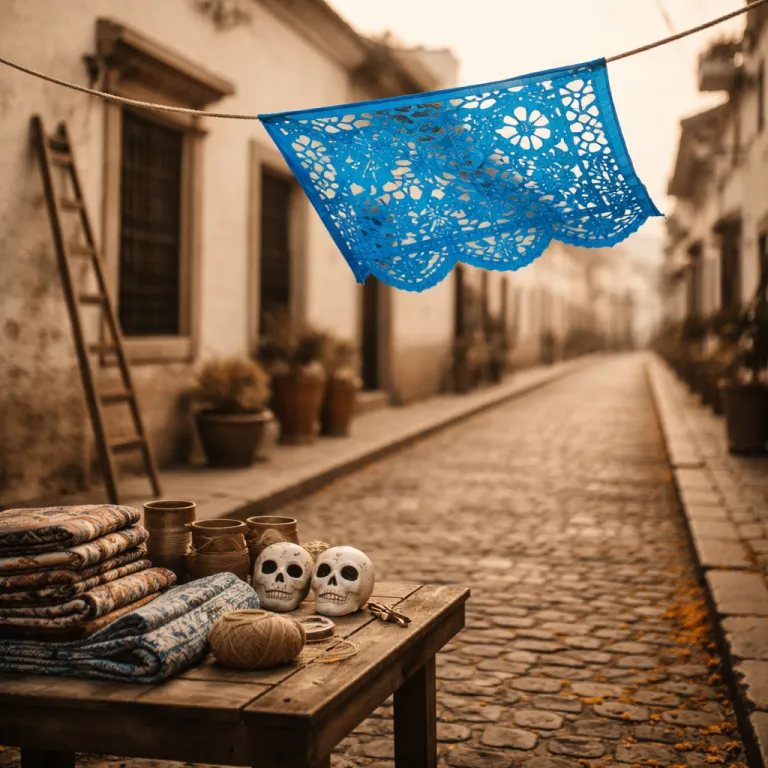
Oaxaca cultural travel guide for travelers planning their first stay
Oaxaca City rewards travelers who plan around its rhythms, not their own. This cultural itinerary begins in the historic center, where the stone streets around the zócalo and the graceful Templo Santo Domingo de Guzmán frame daily life. Walk slowly through Oaxaca City in the early morning, when the light softens the façades and the city feels almost private.
The UNESCO listed Historic Centre of Oaxaca and the Archaeological Site of Monte Albán are inscribed together as a single World Heritage property, and the centro histórico is compact enough for a walking tour yet dense with stories, from Zapotec foundations to colonial trade routes. I highly recommend beginning with a guided walking tour focused on indigenous and religious history rather than generic sightseeing, because it anchors every later visit to a market, church, or mezcal bar. A good guide will explain how the state of Oaxaca officially recognizes sixteen indigenous languages in one region, and why that matters for every festival you will see.
Base yourself near the historic center so you can stay Oaxaca without relying on taxis at night. Jalatlaco, a former working class barrio just east of the centro histórico, has become one of the best neighborhoods for travelers who want quiet streets, murals, and easy access to both food and culture. From here you can walk to the church of Santo Domingo, explore the galleries, and still slip back to your hotel in minutes.
For accommodation, avoid chasing the trendiest address and instead choose a small, well run hotel or guesthouse with strong local ties. Well regarded bed and breakfasts in Oaxaca City often offer thoughtful design, Oaxacan breakfasts, and staff who can recommend under the radar tours rather than commission driven options. When you travel this way in Oaxaca México, your lodging becomes a cultural bridge rather than just a place to sleep.
Festivals beyond clichés and how to time your visit
Oaxaca is often reduced to Guelaguetza and the Day of the Dead, yet its calendar is crowded with quieter, equally powerful observances. This section treats time as your main planning tool, because choosing the right month shapes every tour, meal, and conversation. Think of the year as a cycle of religious processions, agricultural rituals, and neighborhood fiestas that overlap across the city and surrounding valleys.
Late October into early November brings Día de los Muertos, the famous day of the dead commemorations that fill cemeteries and altars with marigolds, mezcal, and food offerings. If you are visiting then, stay Oaxaca for several days, because the most meaningful moments often happen away from the centro histórico, in smaller barrios and nearby pueblos. Join a respectful walking tour that focuses on cemetery etiquette, altar symbolism, and the role of mezcal in Oaxacan ritual life, rather than on costumes and parties.
July is dominated by the Guelaguetza, usually held on the last two Mondays of the month, when delegations from across Oaxaca México perform dances that represent their regions, yet the surrounding weeks hold smaller community events that feel less staged. December brings Noche de Rábanos, the Night of the Radishes on December 23, when artisans carve elaborate scenes from radishes in the main square, and the city stays awake late into the evening. Around Easter, Semana Santa processions move slowly through Oaxaca City, especially near Templo Santo Domingo and the cathedral, offering a more contemplative way to experience the historic center.
Throughout the year, local velas in the Isthmus, patron saint days in villages, and neighborhood fiestas in Jalatlaco or nearby traditional barrios offer windows into living traditions. I highly recommend asking at your hotel or preferred B&B about current festivities, because many are not widely advertised yet welcome respectful visitors. Whatever the season, the guide best suited to you will explain not only where to stand, but when to step back.
Pueblos, markets, and day trips that deepen your understanding
The real cultural engine of Oaxaca often lies outside Oaxaca City, in the pueblos that feed its markets and festivals. Any serious Oaxaca cultural travel guide must treat day trips not as optional extras, but as essential chapters in the story. Plan at least one full day trip into each valley if time allows, because every direction reveals a different Oaxacan world.
To the east, Teotitlán del Valle anchors Zapotec weaving traditions, where family workshops still dye wool with cochineal and indigo. South toward Mitla, the archaeological site of Mitla and the surrounding villages show how pre Hispanic patterns still appear in textiles, architecture, and even mezcal labels. North of the city, the Wednesday market in Etla and the Sunday market in Tlacolula function as cultural grammar lessons, where you can read regional identities through dress, food, and language.
One of the most popular excursions is to Hierve el Agua, the mineral springs and petrified waterfalls that hang above the valley. When planning a tour to Hierve el Agua, choose small group tours that leave early, so you can walk the trails before the heat and crowds arrive. Combine Hierve el Agua with a stop at a mezcal palenque, where you can taste mezcal made in both ancestral and artisanal styles, and understand how agave shapes Oaxacan landscapes.
Another essential day trip leads to Monte Albán, the ancient Zapotec capital that overlooks Oaxaca City from a ridge. A knowledgeable guide can connect Monte Albán’s plazas and tombs to present day rituals in the city’s churches, including Templo Santo Domingo de Guzmán. If you are traveling from Mexico City, consider arriving by bus or plane a day earlier than your tours begin, so you can rest, adjust, and then approach these sites with the attention they deserve.
Eating, drinking, and learning in Oaxaca’s kitchens and streets
Food is the most immediate way to understand Oaxaca México, because every market stall and comedor carries centuries of technique. Any Oaxaca cultural travel guide that ignores the plate is incomplete, especially in a city where seven classic moles, tlayudas, and chapulines still anchor daily menus. Plan your days around markets, street food, and at least one serious cooking class rather than around restaurant reservations alone.
Start with street food in the centro histórico, where memelas, tamales, and grilled meats perfume the air near the markets. I highly recommend joining a morning food focused walking tour that visits the central market, the 20 de Noviembre market, and smaller stands favored by local families. A good guide will help you navigate hygiene, explain regional variations in moles, and introduce you to vendors whose families have cooked in the same spot for decades.
For a deeper dive, book a cooking class that begins with a market visit and ends in a home style kitchen. Look for classes taught by Oaxacan cooks rather than generic international chefs, ideally in neighborhoods such as Jalatlaco or in nearby villages. You will grind chiles on a metate, learn why some moles are reserved for weddings or funerals, and see how mezcal pairs with different dishes.
Speaking of mezcal, treat tastings as cultural education rather than bar hopping. Seek out mezcalerías that highlight small producers from villages across Oaxaca México, and ask about the agave species, roasting methods, and family histories behind each bottle. For travelers interested in the environmental side of mezcal and travel, resources such as the analysis on sustainable travel choices from Where To Go can help you align tastings and tours with conservation minded producers.
Respectful participation, safety, and practical planning
Travel in Oaxaca rewards curiosity, but it also demands respect, especially during religious events and in indigenous communities. This Oaxaca cultural travel guide assumes you want to participate thoughtfully, whether you are attending a day of the dead vigil or watching a procession near Templo Santo Domingo. The basic rules are simple, yet many visitors ignore them in the rush for photographs.
Always ask before photographing people, altars, or ceremonies, particularly during the day of the dead in cemeteries. When in doubt, lower your camera, observe quietly, and follow the lead of local families, not other tourists. Dress modestly for church visits and processions, and remember that Templo Santo Domingo de Guzmán is an active place of worship, not just an architectural backdrop.
For movement around Oaxaca City, walking remains the best way to feel the texture of the streets, especially between the centro histórico and Jalatlaco. Taxis and ride hailing services are widely used, yet at night it is wise to take a car rather than walk long distances alone. Oaxaca is generally safe for tourists who exercise standard precautions, keep valuables discreet, and stay aware in crowded markets or during large festivals.
When choosing tours, prioritize small groups, clear explanations of where your money goes, and partnerships with local guides or artisan cooperatives. This approach supports the long term preservation of sites such as Monte Albán and Mitla, and aligns with the growing interest in sustainable tourism across Mexico. Respect local customs, try traditional foods, and learn basic Spanish phrases; these small efforts signal that you are here to engage, not just to consume.
Key cultural and heritage statistics for Oaxaca
- The Historic Centre of Oaxaca and the Archaeological Site of Monte Albán are jointly inscribed as one UNESCO World Heritage property, underscoring the region’s global cultural significance.
- The state of Oaxaca officially recognizes 16 indigenous languages, reflecting one of the highest levels of linguistic diversity in Mexico.
Essential questions for planning your cultural trip to Oaxaca
What is the best time to visit Oaxaca for culture focused travel ?
Oaxaca can be visited year round, but your experience will change with the festival calendar. For major events, July brings the Guelaguetza on the last two Mondays, while late October to early November centers on the Day of the Dead. If you prefer fewer crowds, plan your stay Oaxaca around shoulder periods, and book key tours and rooms several weeks ahead, when smaller local fiestas and markets still offer rich cultural experiences without intense pressure on the city.
Is Oaxaca safe for independent travelers interested in festivals and markets ?
Oaxaca is generally safe for tourists who use standard urban precautions, especially in the historic center and main neighborhoods such as Jalatlaco. During large events like the day of the dead or Guelaguetza, keep valuables secure, avoid overly intoxicated areas, and use registered taxis or ride hailing services at night. Most issues can be avoided by staying aware, asking your hotel or chosen B&B for current advice, and following local guidance during processions or crowded markets.
Which Oaxacan dishes and drinks should first time visitors prioritize ?
First time visitors should seek out at least one rich mole dish, a crisp tlayuda, and chapulines, which are seasoned grasshoppers commonly eaten as a snack. Street food in the centro histórico and markets such as 20 de Noviembre offers excellent introductions to these flavors at local prices. To understand how mezcal fits into Oaxacan food culture, join a guided tasting that explains agave varieties and traditional production methods rather than focusing only on high alcohol content.
How can I engage with local artisans and communities respectfully ?
Choose tours and day trips that work directly with artisan cooperatives in villages such as Teotitlán del Valle or San Bartolo Coyotepec, and pay fair prices without aggressive bargaining. Ask before taking photos in workshops, show genuine interest in techniques, and consider buying fewer pieces of higher quality rather than many cheap souvenirs. This approach supports sustainable livelihoods, preserves traditional crafts, and aligns your travel with the long term cultural health of Oaxaca México.
Topic statistics and expert data
- UNESCO World Heritage property in Oaxaca: 1 inscription (Historic Centre of Oaxaca and Archaeological Site of Monte Albán).
- Indigenous languages spoken in Oaxaca: 16 recognized languages.
Frequently asked questions from travelers
What is the best time to visit Oaxaca ?
Year-round, with major festivals in July and October-November.
Is Oaxaca safe for tourists ?
Generally safe; exercise standard precautions.
What are must-try dishes in Oaxaca ?
Mole, tlayudas, and chapulines.