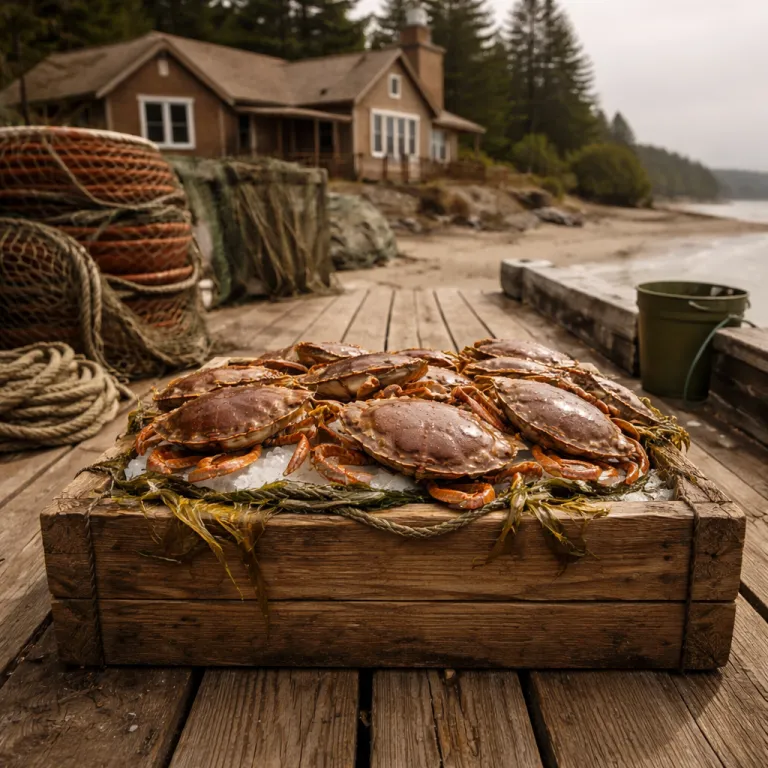
Reading the coast: how to choose refined places to go crabbing near you
Finding elegant answers to the question of where to go crabbing near me starts with understanding coastlines rather than chasing random pins on a map. When you read a shoreline like a seasoned traveler, you quickly see how each bay, estuary, and stretch of coastal water shapes the behavior of crabs and the rhythm of local crabbing. Ask yourself where sheltered water meets structure, because that quiet meeting point often hides the best places for relaxed, rewarding crabbing close to any city.
Look first at regional patterns; broad, shallow bays with grassy edges tend to hold blue crabs, while colder rocky shores on the Pacific coast favor Dungeness crab and red rock crab that thrive in deeper, cooler water. Along the Atlantic, the Chesapeake Bay and nearby tidal rivers are classic examples where generations have refined crabbing into an art, and their methods travel well when you apply them to your own nearest bay or marina. On the Pacific side, the intricate inlets of Puget Sound or the rugged headlands near Seattle show how depth, current, and structure combine to create a crabbing spot that rewards patience and good planning.
When you evaluate where you will go, think beyond a single pier and consider the entire experience, from parking and access to nearby cafés and fish markets. A thoughtfully chosen marina with safe boat rentals, a well maintained pier, and clear rules about traps and crab pot use will make your time on the water feel more like a curated coastal escape than a rushed fishing errand. Before you confirm plans with friends, check local maps, tide charts, and state wildlife agency notices so that your chosen crabbing spot balances comfort, safety, and a realistic chance to catch healthy crabs.
Quick shoreline checklist before you pick a spot
- Look for sheltered coves, inlets, or back bays with visible structure such as pilings, rocks, or eel grass beds.
- Confirm public access, parking rules, and whether the pier or shoreline allows recreational crabbing.
- Open your state wildlife agency’s website and bookmark the pages for seasons, size limits, and license requirements.
- Save a local tide table or tide app for the nearest harbor so you can plan around slack water.
Iconic regions: from seattle piers to chesapeake bay boardwalks
Some coastal regions have refined recreational crabbing into a signature travel experience that answers the question of where to go crabbing near me with remarkable clarity. Around Seattle, urban travelers can step from city streets onto working piers that overlook the deep channels of Puget Sound, where Dungeness crab and red rock crab share cold blue water with salmon and other fishing targets. Here, a simple ring net lowered from a public pier can be as effective as a small boat when you time your crabbing around slack tides.
On the opposite coast, the Chesapeake Bay remains one of the best places on earth to chase blue crabs from late spring through early autumn, and its culture of crabbing shapes everything from roadside shacks to refined waterfront restaurants. Families line public piers with hand lines baited with chicken necks, lowering each line into gently moving water and waiting for the telltale tug of a crab that will soon be eased into a waiting bucket. If you prefer a more independent adventure, small boat rentals around the bay allow you to set a modest number of crab pots in quiet coves, always within the limits of your fishing license and local regulations.
Farther north, travelers who once focused only on sandy beaches now speak enthusiastically when asked about Ocean City in Maryland, where coastal bays behind the barrier island offer sheltered places crabbing enthusiasts quietly prize. Here, a short walk from the oceanfront brings you to marinas and back bay piers where blue crab share eel grass beds and channel edges with other estuary species. If you enjoy combining different water activities, this region pairs elegantly with paddling; for inspiration on planning such multi activity days, you can study this guide to elegant ways to choose where to go kayaking near you and adapt its location scouting principles to your own crabbing plans.
Gear with grace: nets, traps, and simple setups that actually work
Thoughtful gear choices turn a basic search for where to go crabbing near me into a smooth, almost meditative outdoor ritual. You do not need a large boat or complex fishing arsenal; a well chosen net, a compact crab pot, and a sturdy bucket for your catch often outperform overcomplicated setups that distract from the water. The most elegant crabbing kits fit into a single bag, leaving your hands free as you walk along the pier or down to the bay.
For pier based crabbing, a circular ring net with side walls works beautifully when lowered straight down and raised steadily once a crab begins to feed on bait such as chicken necks or fish frames. Many recreational crabbers still favor simple hand lines with a weight and bait tied at the end, because they allow you to feel every movement in the water and time your pull for a clean catch. When you combine a few hand lines with one or two small traps, you create variety in your time crabbing and reduce pressure on any single method.
Boat based travelers often choose compact folding traps that can be stacked neatly on deck, especially when using small boat rentals from a local marina. These traps should be clearly marked with your details as required by your fishing license, and they must respect local rules on mesh size and escape rings to protect undersized crabs. Before you book any guided crabbing trip, ask the operator which traps they use, how they handle bycatch, and how they help guests cook crabs at the end of the day, because those answers reveal their respect for both the resource and your experience.
Minimalist packing list for a travel friendly crabbing kit
- 1–2 ring nets or folding traps, plus a few hand lines with clips or weights.
- A sturdy bucket or crate, gloves, and a simple measuring gauge for local size limits.
- Preferred bait (chicken necks, fish frames) in a sealed bag, and a small cooler with ice.
- Printed or saved copies of license details, regulations, and a tide chart for your chosen bay.
Timing the tides: when your crabbing hours truly matter
Once you have chosen a region and gear, the next refinement in answering where to go crabbing near me is understanding when to be there. Many state wildlife agencies summarize it clearly in their public advice: “What is the best time to go crabbing? The best time to go crabbing is during slack tide, which is the period of time when the water is neither rising nor falling and currents are at their weakest.” While location determines which species you will meet, timing shapes how many crabs you actually catch during any given session.
Across many coastal bays, summer brings the most consistent action, and late morning or early evening around slack tide often proves best for both blue crabs and Dungeness crab. In regions such as the Chesapeake Bay, local families speak fondly of August weekends when water temperatures are high, crabs are active, and a few hours on the pier can fill a bucket for a shared meal. On the Pacific coast, cooler water means that prime time crabbing may extend deeper into autumn, especially in sheltered inlets of Puget Sound where tidal currents slow and crabs move shallower to feed.
Travelers should also consider their own rhythm; an early rising guest might prefer dawn on a quiet pier, while others will relish a twilight session from a small boat as city lights begin to glow across the bay. Years ago, many destinations treated crabbing as a purely practical fishing task, but today coastal tourism boards curate it as a gentle adventure that fits elegantly between morning coffee and an evening seafood dinner. Whatever your preference, plan your time crabbing around tide tables, not just around your schedule, because the water will not bend to wishful thinking.
Simple timing routine before each outing
- Check the local tide table and circle the slack tide windows for your chosen harbor.
- Look up sunrise and sunset so you can match light conditions to your comfort level.
- Scan the marine forecast for wind, small craft advisories, and sudden weather changes.
From bucket to table: ethical harvests and how to cook crabs well
Responsible travelers know that the question is not only where to go crabbing near me but also how to treat each crab with respect from the moment it leaves the water. Before you set a single trap or lower a net, read local regulations carefully and confirm whether you need a fishing license for recreational crabbing in that specific bay or city. Regulations vary by state, and wildlife agencies and experienced recreational crabbers alike emphasize one shared goal: “Do I need a license to go crabbing? Depends on state regulations.”
Ethical practice begins with measuring every crab and releasing undersized or egg bearing females gently back into the blue water, whether you are on a pier, a marina float, or a small boat. Many regions publish clear diagrams showing how to identify blue crab, Dungeness crab, and red rock crab, and these guides often appear on signs near popular places crabbing enthusiasts frequent. As an example, Maryland typically requires a minimum carapace width of about 5 inches for male blue crabs, while Washington often sets a minimum size of around 6¼ inches for Dungeness crab, with daily limits that cap how many you may keep. When you keep only what you will cook that same day, you reduce waste and ensure that your bucket remains a symbol of care rather than excess.
Cooking techniques vary by region, but a simple approach travels well: bring a large pot to a safe cooking area, add salted water and aromatics, then steam or boil your catch just until the shells turn a deep, vibrant red or blue tinged orange. In the Chesapeake Bay region, many travelers learn to steam blue crabs over seasoned water, while along Puget Sound, hosts may show you how to clean and cook Dungeness crab halves before a gentle simmer. If you prefer to eat in town, some coastal restaurants will gladly cook crabs that you have caught yourself, provided they meet legal size and species rules, turning your day on the water into a refined, hyper local dining experience.
Ethical crabbing steps to follow every time
- Check current size limits, daily bag limits, and open seasons on your state agency’s official site.
- Measure each crab immediately; release undersized or egg bearing individuals without delay.
- Keep crabs cool and moist in a shaded container, and cook them the same day whenever possible.
Designing an adventure: pairing crabbing with coastal culture and travel style
Thoughtful travelers rarely ask only where to go crabbing near me; they also ask how this activity can harmonize with their broader adventure and outdoors travel style. A morning spent tending traps from a rented boat in a quiet bay can pair beautifully with an afternoon exploring historic streets in a nearby city or walking dune trails above the ocean. This balance between water based crabbing and land based culture transforms a simple fishing outing into a layered coastal journey.
In Seattle, for example, you might spend the first half of the day lowering a ring net from a public pier, then wander through waterfront markets comparing how chefs cook crabs from different regions, from blue crabs to Dungeness crab. Along the Mid Atlantic, a weekend in Ocean City can combine sunrise crabbing in sheltered coastal bays with evenings on the boardwalk, while a side trip inland introduces you to regional festivals that celebrate seafood and local heritage. For travelers intrigued by how seasonal events shape destinations, the detailed Oaxaca festival calendar on this cultural travel guide offers a useful model for planning trips around recurring celebrations, even though its focus lies far from any bay filled with crabs.
Adventure focused guests may prefer to base themselves near a marina that offers both boat rentals and guided wildlife tours, allowing them to alternate between active crabbing days and exploratory trips along rugged headlands. More contemplative travelers might choose a quiet inn overlooking Puget Sound or the Chesapeake Bay, where they can watch others fish and join in only when the mood strikes with a net and a small crab pot. However you design your itinerary, let the rhythm of the tides, the color of the water, and the taste of freshly cooked crabs guide your sense of time rather than the clock on your phone.
Practical planning notes for a crabbing centered getaway
- When booking lodging, ask whether there is crab friendly shoreline access or a nearby public pier.
- Check if local marinas offer short term boat rentals, gear hire, or simple cooking facilities for guests.
- Look up markets and restaurants that highlight regional crab dishes so you can compare your own catch.
Key figures and sustainability insights for recreational crabbing
- National Marine Fisheries Service summaries indicate that commercial and recreational crab harvests in the United States regularly reach hundreds of millions of pounds per year across all species, a scale that highlights both the popularity of crabbing and the need for careful management of every bay and estuary.
- Recreational crabbing has increased steadily across many coastal bays, which means that travelers searching for the best places must pay closer attention to size limits, seasonal closures, and gear rules to keep local crab populations healthy for future visitors.
- Wildlife agencies across multiple states now encourage the use of eco friendly traps and crab pot designs with escape rings, reducing bycatch and allowing undersized crabs to exit, which directly supports sustainable fishing practices.
- Summer remains the peak season for recreational crabbing in most regions, with spring and autumn offering moderate activity and winter bringing limited opportunities, so travelers should align their itineraries with these seasonal patterns for the highest chance of a satisfying catch.
- Simple baits such as chicken necks continue to be recommended by many coastal communities because they are inexpensive, effective for blue crab, and easy for first time travelers to handle safely on a pier or small boat.
- Because regulations and biological data change over time, readers should always confirm current harvest statistics and local rules directly with the National Marine Fisheries Service and their state wildlife agency before planning a trip.
FAQ about planning a crabbing focused coastal trip
Do I need a license to go crabbing while traveling ?
Whether you need a fishing license for recreational crabbing depends entirely on the state and sometimes even the specific bay or city where you plan to fish. Coastal states often require a basic recreational license for using traps, a crab pot, or nets, while some piers allow limited hand line crabbing without one. Always check the website or office of the relevant state wildlife agency before you accept any invitation or book boat rentals.
What is the best time of year and day to go crabbing ?
Summer generally offers the best combination of water temperature and crab activity, with late spring and early autumn also providing good conditions in many coastal bays. Within each day, aim for slack tide, when water movement slows and crabs feed more actively around structures such as pier pilings, rock edges, and marina entrances. Local recreational crabbers often mention that August weekends on the Chesapeake Bay or sheltered inlets of Puget Sound can be especially productive for both blue crabs and Dungeness crab.
What bait and gear should I bring for a simple yet effective setup ?
A minimal, travel friendly kit usually includes a folding net or ring net, a small bucket for your catch, a few hand lines, and one or two compact traps or a crab pot, all of which fit easily into a single bag. Chicken necks remain a classic bait because they stay on the hook well and attract both blue crab and red rock crab in many regions. Pair this gear with gloves, a measuring gauge, and a cooler with ice so that any crab you catch stays in excellent condition until you are ready to cook crabs.
Where can beginners safely try crabbing for the first time ?
Public piers in well managed marinas or along sheltered bay shorelines are ideal for first experiences, because they offer railings, flat surfaces, and often nearby restrooms and cafés. Regions such as Ocean City, the Chesapeake Bay, and urban waterfronts near Seattle provide clearly marked areas where places crabbing are popular and regulations are posted on signs. If you prefer extra guidance, look for small group outings run by licensed operators who supply gear, explain local rules, and help you handle crabs safely above the water.
How can I make sure my crabbing trip is sustainable and respectful ?
Start by learning local size and bag limits, then keep only the number of crabs you will realistically cook and eat the same day, releasing the rest gently back into the blue water. Use traps with escape rings and avoid leaving any gear unattended for long periods, because lost traps can continue to catch crab and other species unnecessarily. Finally, support marinas, boat rentals, and guides who clearly explain their conservation practices, since their long term livelihood depends on healthy crab populations in every bay and crabbing spot they visit.