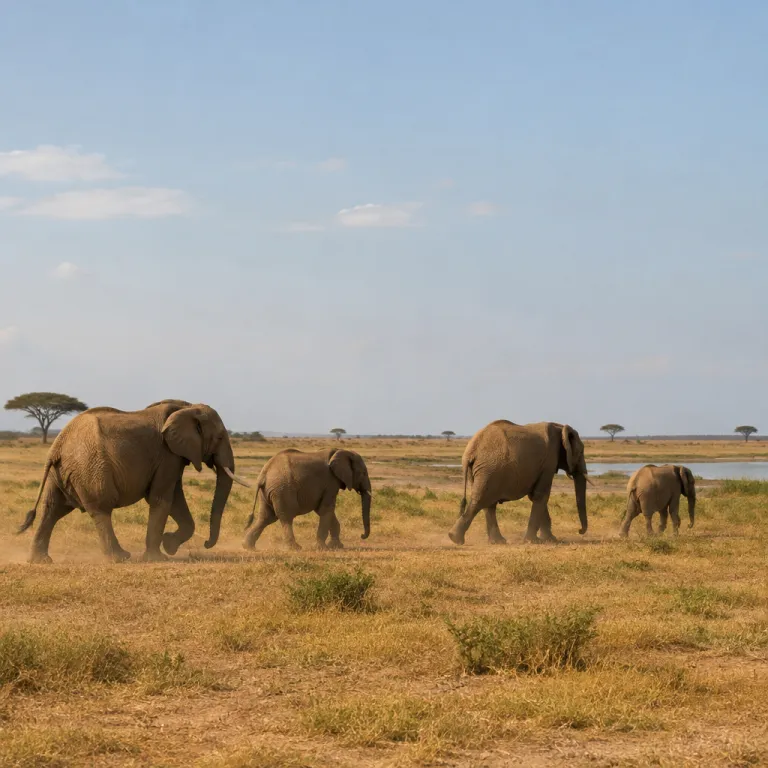
Choosing where to go on safari for your first African journey
Working out where to go on safari starts with clarifying your travel style and comfort level. If you want a gentle introduction to Africa with excellent roads, straightforward logistics, and varied activities, then South Africa and its famous Kruger area are usually the most comfortable choices for a first time safari. Travellers who already feel drawn to wilder landscapes and more remote wildlife areas often look north to Kenya, Tanzania, or Botswana for a deeper, more immersive safari experience.
Across Africa, the dry season concentrates animals around water, which makes every game drive feel more intense and focused. Expert operators consistently recommend planning your wildlife holiday between June and October, when vegetation is thinner, river levels are ideal for boat trips, and wildlife viewing in each national park is at its most reliable. When you decide which region to prioritise, consider whether you prefer peak sightings in the heart of the dry season or quieter days in the shoulder months with fewer vehicles around the animals and more space at viewpoints.
South Africa stands out because many private game reserve areas bordering Kruger allow off road viewing and night drives, which significantly enriches your safari adventure. These reserves host a high density of big five wildlife, so in just a few days you can often see lion, leopard, elephant, rhino, and buffalo without rushing from park to park. For travellers who value comfort, a luxury safari lodge in South Africa usually combines refined service, strong conservation ethics, and easy flight connections from major international hubs such as Johannesburg and Cape Town.
Kenya and Tanzania form the classic East African safari circuit, where vast plains and dramatic skies define the experience. Here, the question of which park to choose quickly becomes a choice between the Masai Mara, the Serengeti, and the Ngorongoro Crater, each offering a different angle on the same sweeping ecosystem. If you are planning an extended African safari, you can combine several parks and lodges across both countries, creating a multi day journey that follows the rhythm of the great migration and balances intense wildlife viewing with time to rest.
Kenya and Tanzania: where to go on safari for the great migration
For many travellers, the decision about their African safari destination is simple; they want to stand on the edge of the Masai Mara and watch the great migration thunder past. The Masai Mara in Kenya and the Serengeti in Tanzania share one vast ecosystem, and together they host one of the most dramatic wildlife events on earth. According to the Go2Africa State of Safari report (2023), interest in this region peaks in the middle of the year, when travellers ask most often, “Where can I see the great migration between July and September?”
In Kenya, the Masai Mara National Reserve offers classic African safari scenery, with rolling grasslands, scattered acacia trees, and a dense concentration of predators. During peak season, usually from July to September, huge herds of wildebeest and zebra pour across the Mara River, and every day brings the possibility of a dramatic crossing. To elevate the safari experience, many travellers choose small luxury lodges or an intimate safari camp on private conservancies bordering the main park, where vehicle numbers are limited and wildlife viewing feels more exclusive and unhurried.
On the Tanzanian side, the Serengeti and the nearby Ngorongoro Crater National Park provide a different perspective on the same migration. The crater itself is a natural amphitheatre, where animals graze on the floor while steep walls rise around them, creating a contained wildlife sanctuary that is ideal for a one day intensive game drive. Further west and north, mobile safari camp options follow the herds, allowing you to wake up close to the action and experience the wild in a more immersive way than in permanent lodges, with canvas walls and lantern light heightening the sense of adventure.
Planning the right time to visit this region requires careful attention to the movement of the herds and the local season. While July to September is usually best for river crossings, other months can be superb for predators, birdlife, and fewer vehicles, especially if you focus on quieter corners of each park. If you want a deeper overview of where to travel in Africa for unforgettable wildlife journeys, consult a dedicated guide that maps out the main ecosystems and their seasonal highlights on a single itinerary, including shoulder season advantages.
Botswana and the Okavango Delta: where to go on safari for water and wilderness
Travellers who ask where to go on safari for pristine wilderness and fewer crowds often end up in Botswana. This southern Africa destination has built its reputation on low impact tourism, with a focus on small camps and high quality guiding rather than mass market lodges. The result is a safari experience that feels intensely wild, especially in the Okavango Delta and the Chobe National Park region, where daily sightings can include elephants, wild dogs, and large herds of antelope.
The Okavango Delta is a vast inland river system that floods during the dry season, creating channels, islands, and lagoons that attract extraordinary wildlife. Here, a typical day on safari might combine a morning game drive with an afternoon mokoro excursion, gliding silently along narrow waterways while animals come to drink at the river edge. Because access is usually by light aircraft and many properties operate as remote safari lodge or tented camp retreats, this is one of the best places in Africa for a high end luxury safari with a strong sense of seclusion and exclusivity.
To the north, Chobe National Park and the adjacent Chobe Riverfront are famous for enormous elephant herds that gather along the water in the late dry season. Boat cruises here offer a different angle on African safari life, as you watch hippos, crocodiles, and antelope from the comfort of a stable vessel rather than a vehicle. Many travellers combine a few days in Chobe with time at Victoria Falls, creating a compact safari adventure that blends wildlife, river scenery, and one of the world’s most impressive waterfalls, often linked by a road transfer of around two hours between Kasane and the falls.
Because Botswana lies in southern Africa, its prime safari season generally runs from June to October, when conditions are dry and wildlife viewing is at its peak. Some areas, especially parts of the Okavango Delta, offer strong sightings almost year round, but water levels and access routes can shift significantly between months. For a detailed breakdown of where to go on safari in Africa for unforgettable wildlife journeys, including Botswana’s lesser known game reserve areas such as Linyanti or Savuti, consult a specialist resource that compares regions by habitat, activities, and crowd levels.
South Africa and private reserves: where to go on safari for comfort and variety
When travellers ask where to go on safari with limited time and a desire for comfort, South Africa consistently rises to the top. The country combines excellent infrastructure, diverse landscapes, and a wide range of safari lodge options that suit both first time visitors and seasoned wildlife enthusiasts. Interest in South Africa safaris has been rising, with recent industry data showing it holds a leading share of traveller demand among major African safari destinations (Go2Africa State of Safari report, 2023).
The Kruger National Park and its surrounding private game reserve areas form the heart of the country’s wildlife offering. Inside the national park, self drive routes and rest camps allow independent travellers to structure their own days, while guided drives provide extra insight into animal behaviour and ecology. On the private reserves to the south and west of Kruger, such as Sabi Sand or Timbavati, luxury lodges offer fully inclusive stays with expert guides, off road tracking, and night drives that reveal a different side of the wild, often with a maximum of six guests per vehicle.
Beyond Kruger, South Africa offers several malaria free reserves in the south and east of the country, which are particularly appealing for families. Places like Madikwe or the Eastern Cape game reserve network provide big five wildlife viewing without the need for anti malarial medication, which can simplify planning for younger travellers. These areas may not have the same density of animals as Kruger, but they compensate with ease of access, strong conservation programmes, and a relaxed pace that suits multi day stays and mixed age groups.
One advantage of choosing South Africa when deciding where to go on safari is the ability to combine wildlife with coastal or urban experiences in a single trip. You might spend four days in a luxury safari lodge, then fly to Cape Town for wine tasting, hiking, and refined city dining; the direct flight from the Kruger area to Cape Town typically takes around three hours. For inspiration on how to balance a safari with an elegant urban break, you can consult a curated guide on where to go in Lisbon for a refined first stay, then apply similar planning principles to Cape Town or other African cities.
Designing your safari adventure: seasons, pacing, and style
Once you have narrowed down where to go on safari, the next step is to shape the rhythm of your journey. A well balanced African safari usually includes at least three nights in each camp or lodge, giving you two full days to settle into the landscape and follow the movements of the wildlife. Constantly changing parks or lodges may seem tempting, but it often reduces the depth of your safari experience and increases travel fatigue, especially when light aircraft schedules and road transfers are involved.
Seasonality is crucial, because the same national park can feel completely different from one month to the next. Dry season months concentrate animals around waterholes and river systems, which is ideal for photography and first time visitors who want reliable sightings. Shoulder months on either side of peak season can be an excellent time to visit, offering lush scenery, active birdlife, and fewer vehicles, especially in popular areas like the Masai Mara, Chobe National Park, or the Okavango Delta, where green season storms can create dramatic skies.
Your preferred level of luxury will also influence where to go on safari and how you structure your days. Some travellers prioritise high end luxury lodges with spacious suites, fine dining, and wellness facilities, while others prefer a simpler safari camp that focuses on guiding and time in the field. In both cases, the most important factor is the quality of the guiding team and the access each safari lodge has to productive wildlife areas, whether in a national park or a private game reserve with fewer vehicles at sightings.
Finally, consider how your safari adventure fits into a broader journey across southern Africa or East Africa. You might combine a week in Tanzania’s Serengeti and Ngorongoro Crater with a few days on the coast, or pair Botswana’s Okavango Delta with Victoria Falls and a cultural stop in a regional city. Thoughtful pacing, respect for the wild, and a clear sense of your priorities will ensure that every day on safari feels purposeful rather than rushed, even when you are moving between several countries.
Practical planning: health, logistics, and ethical choices
Deciding where to go on safari is only part of the planning; you also need to prepare for health, logistics, and ethical considerations. Before you visit safari destinations in Africa, check visa requirements, recommended vaccinations, and whether your chosen parks lie in malaria zones. Packing layers is essential, because early morning game drives can be cold even in the warmest season, while midday temperatures rise quickly once the sun is high and vehicles are out on open plains.
From a logistical perspective, think about how you will move between each park, camp, and lodge. In countries like Kenya and Tanzania, light aircraft flights link major national park airstrips, saving time on rough roads and allowing you to maximise your days in the wild; for example, a hop from Nairobi’s Wilson Airport to the Masai Mara usually takes around 45 minutes. In South Africa and parts of southern Africa, road transfers between game reserve areas can be comfortable and scenic, especially if you combine them with cultural stops or short hikes along the way.
Ethical choices matter, because your African safari spending can support or undermine conservation and local communities. Prioritise operators who partner with local wildlife authorities, community lodges, and conservation groups, and ask how your stay contributes to anti poaching efforts or habitat protection. When you choose a safari lodge or camp, look for clear information about environmental practices, community employment, and long term commitments to the surrounding national park or private reserve, including transparent conservation levies.
Finally, remember that wildlife sightings are never guaranteed, even in the best parks and seasons. Patience, respect for the animals, and a willingness to appreciate smaller details often lead to the most meaningful safari experience, whether you are watching elephants at a river in Chobe National Park or tracking lions across the plains of the Masai Mara. A thoughtful approach to planning and behaviour ensures that the wild places you visit remain intact for future travellers and for the communities who call these landscapes home.
Extending your journey: combining safaris and regional highlights
Once you know where to go on safari for your core wildlife days, you can start to weave in regional highlights that complement the experience. Many travellers pair a classic African safari in Kenya or Tanzania with time on the Indian Ocean coast, where white sand beaches and warm water provide a gentle contrast to early morning game drives. Others focus on southern Africa, combining Botswana’s Okavango Delta and Chobe National Park with the drama of Victoria Falls and a few days in a vibrant city such as Johannesburg or Cape Town.
South Africa is particularly well suited to multi centre itineraries that blend wildlife, wine, and coastline. You might begin with four days in a private game reserve near Kruger, then fly to the south for a scenic drive along the Garden Route, stopping at coastal towns and nature reserves. From there, a final stay in Cape Town allows you to reflect on your safari adventure while enjoying refined dining, cultural visits, and panoramic views from Table Mountain, reached by cable car in just a few minutes from the city.
For travellers who want to deepen their connection with nature, consider adding gorilla trekking in Uganda or Rwanda to your African safari circuit. These destinations are not traditional big five safari areas, but they offer a different kind of wildlife encounter that many describe as life changing. Because gorilla permits are limited and trekking seasons are specific, it is wise to plan this extension well in advance and coordinate it carefully with your main safari lodge stays, allowing for at least two nights near the trekking base.
As you design a longer journey that spans several parks, lodges, and even countries, keep an eye on travel time and overall pacing. Aim for a balance between intense wildlife days and slower intervals where you can rest, process the experience, and engage with local culture. With thoughtful planning, your answer to where to go on safari can evolve from a single park name into a rich, layered itinerary that follows the natural rhythms of Africa’s wild landscapes and respects the communities who protect them.
Key figures and trends for choosing where to go on safari
- Recent industry analyses indicate that South Africa attracts roughly a quarter of global interest in African safaris among major destinations, reflecting its strong infrastructure and diverse park network (Go2Africa State of Safari report, 2023).
- Kenya accounts for just over one fifth of safari interest among leading African countries, driven largely by the Masai Mara and its role in the great migration (Go2Africa State of Safari report, 2023).
- Tanzania holds close to one fifth of traveller interest for African safaris, thanks to the Serengeti, Ngorongoro Crater, and a wide range of national parks that suit both first time and repeat visitors (Go2Africa State of Safari report, 2023).
- Across East and southern Africa, the dry season from June to October is consistently identified as the best time for safari in most regions, because wildlife concentrates around limited water sources and vegetation is less dense.
- Gorilla trekking in Uganda and Rwanda is typically recommended between June and September and again from December to February, when forest trails are drier and visibility in the vegetation improves; permits often cost several hundred US dollars per person and must be booked well in advance.
Frequently asked questions about where to go on safari
When is the best time for a safari in Africa ?
For most of Africa, the best time for a safari is during the dry season from June to October, when wildlife gathers around water sources and vegetation is thinner. These months usually offer the most reliable sightings in major national parks such as Kruger, the Serengeti, and the Masai Mara. Shoulder months at the start or end of this period can provide good value and fewer crowds while still delivering strong wildlife viewing, especially for travellers who prioritise atmosphere over sheer numbers of animals.
Where can I see the great migration ?
The great migration takes place across the Kenya Tanzania border, moving between the Serengeti in Tanzania and the Masai Mara in Kenya. River crossings along the Mara River typically occur between July and September, although exact timing varies with rainfall patterns. To maximise your chances, plan several days in the relevant areas and work with a specialist who tracks the herds’ movements and can recommend specific conservancies or sectors.
Which country is best for a first time safari ?
South Africa and Kenya are often recommended for first time safari travellers because they combine strong infrastructure with excellent wildlife viewing. South Africa offers malaria free reserves and easy self drive options, while Kenya provides classic savannah scenery and a wide range of lodges and camps. Both countries have well established guiding standards and a variety of national parks and private reserves to suit different budgets, from simple tented camps to ultra luxury suites.
Where should I go for gorilla trekking ?
Gorilla trekking is best in Uganda and Rwanda, where protected mountain forests host several habituated gorilla families. The prime trekking seasons usually run from June to September and from December to February, when trails are drier and visibility is better. Because permits are limited and in high demand, it is essential to book well in advance and integrate trekking dates carefully into your wider safari itinerary, allowing time for altitude adjustment and potential weather delays.
How many days do I need for a safari ?
A well paced safari typically requires at least three nights in each camp or lodge, giving you two full days of game drives and wildlife viewing. For a first trip, many travellers plan between seven and ten days across two or three different areas, which balances variety with enough time in each park. Longer journeys of two weeks or more allow you to combine several countries or add extensions such as Victoria Falls or coastal stays, creating a more comprehensive African travel experience.