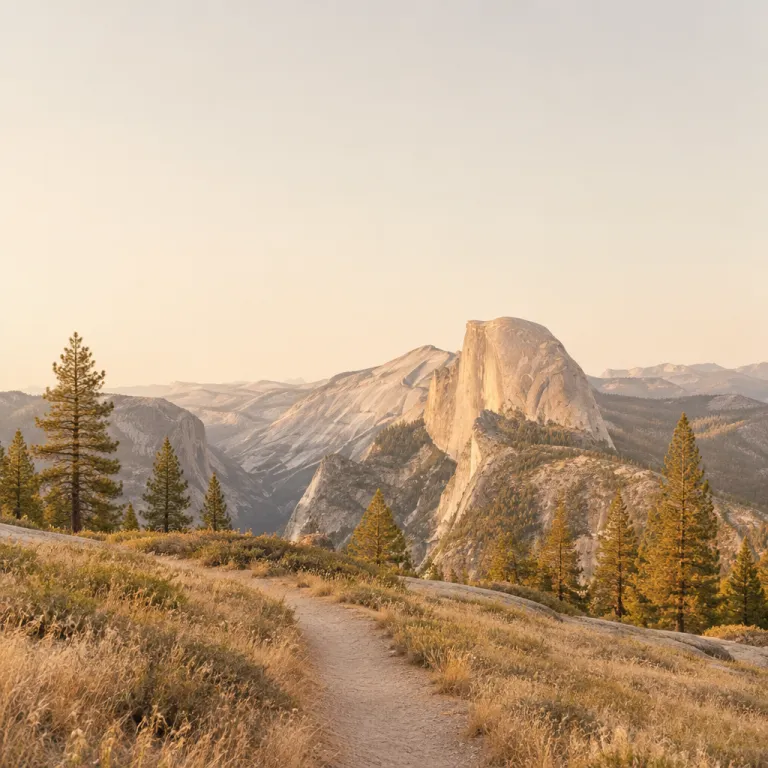
Yosemite park where to go for a first unforgettable stay
When travelers ask where to go in Yosemite National Park for a first visit, I always start with the heart of the valley. Yosemite Valley concentrates many of the best things a first time visitor wants to see in a single, dramatic granite amphitheater, and it allows you to experience several iconic viewpoints and a classic trail or two in just one day. From the moment you enter this part of the national park, the cliffs, waterfalls, and meadows set the tone for everything that follows.
Drive through the tunnel on the southern approach and stop immediately at Tunnel View, which is one of the best places in the world to understand the scale of Yosemite Valley. From this point you see El Capitan on the left, Bridalveil Fall on the right, and the distant curve of Half Dome framed perfectly, so even a short stop here gives you a powerful sense of the landscape. Many visitors will return to Tunnel View at different times of day, because changing light and weather can transform the same valley scene into something entirely new.
Once you reach the valley floor, leave the car and walk across the meadows to feel how the national park breathes at ground level. Flat paths lead you past the Merced River, through stands of big trees, and toward the base of Yosemite Falls, which is one of the tallest waterfall systems on Earth. Even if you never set foot on a steep trail, this combination of meadows, river, and cliffs offers some of the best things to experience in Yosemite’s landscapes.
For travelers comparing where to go in Yosemite with other nature destinations, the compact layout of Yosemite Valley makes planning easier. You can photograph Half Dome from Sentinel Bridge, stroll to the base of Lower Yosemite Falls, and still have time for a gentle hike to Mirror Lake, all within a few miles of each other. This density of viewpoints and short walks means that even a single day in the valley can feel surprisingly rich.
Families often ask whether the main sights in Yosemite Valley work for children or older relatives. The answer is yes, because many of the best places here are accessible via paved paths or very short trails, and shuttle buses reduce the need for long walks on roads. If you are planning a multi generational trip and wondering how to explore Yosemite without overexerting anyone, base your first full day around Yosemite Valley and its easy loops.
Iconic viewpoints: glacier point, sentinel dome, and tunnel view
Anyone researching Yosemite park where to go for the most commanding panoramas will quickly encounter Glacier Point. This viewpoint stands more than 900 meters above Yosemite Valley and offers a direct, unobstructed line of sight to Half Dome, Yosemite Falls, and the high country beyond. On a clear day, the combination of granite, forest, and distant peaks explains why Yosemite national landscapes have inspired generations of photographers and climbers.
The road to Glacier Point usually opens once snow has melted, and the drive itself is part of the experience. Along this road you can stop at Washburn Point, which gives a slightly different angle on Half Dome and the upper reaches of Nevada Fall and Vernal Fall, making it one of the best places for understanding how the river carves the valley. From both Glacier Point and Washburn Point, you can trace the Mist Trail and other routes with your eyes, planning which hike will suit your fitness and time.
For travelers who prefer a short hike to a viewpoint rather than driving directly to a railing, Sentinel Dome offers an elegant compromise. A relatively gentle trail of a few miles leads through forest and granite slabs to a rounded summit, where you gain a 360 degree panorama that includes Yosemite Valley, El Capitan, and distant ranges of the national park. Sunset from Sentinel Dome can be spectacular, but carry a headlamp for the return and respect the fragile high country environment.
On the way back toward Yosemite Valley, do not skip another stop at Tunnel View, even if you saw it earlier in the day. Late afternoon light often warms the cliffs and deepens the shadows, giving a different mood to the same valley scene you admired in the morning. If you are combining Yosemite with a journey among California’s giant trees, you can read more about planning an unforgettable journey among California’s giant trees at this detailed guide to the redwoods.
Photographers wondering about Yosemite park where to go for the most balanced compositions should plan to visit Glacier Point, Sentinel Dome, and Tunnel View on different days if possible. Weather, haze, and seasonal waterfalls change quickly, so repeating these points can yield very different images and memories. These viewpoints also help you understand how the valley, the high country, and the surrounding national park connect as a single, coherent landscape.
Essential hikes: mist trail, falls trail, and Half Dome routes
Hikers asking about Yosemite park where to go for the most rewarding day routes usually start with the Mist Trail. This famous trail climbs beside the Merced River to Vernal Fall and Nevada Fall, and in high water seasons the spray can soak you completely, which is why many people consider it one of the best things to experience in the national park. The combination of stone steps, roaring water, and close contact with granite makes this hike intense but unforgettable.
From the valley floor, the first section of the Mist Trail shares a path with the John Muir Trail before splitting near a footbridge, which is a good turnaround point for less experienced walkers. Stronger hikers can continue past Vernal Fall to Nevada Fall, creating a loop that returns via the John Muir Trail and offers different perspectives on the same river and cliffs over several miles. This loop is demanding, so start early in the day, carry plenty of water, and respect your limits.
Another classic route is the Yosemite Falls Trail, often called the falls trail by regular visitors. This steep path climbs from the valley up a series of switchbacks to viewpoints of both the lower and upper sections of Yosemite Falls, which together form one of the tallest waterfall systems in North America. On hot days the exposure can be intense, so many hikers choose spring or autumn for this particular hike.
For experienced hikers wondering about Yosemite park where to go for a full day challenge, the Half Dome route stands apart. Reaching the summit of Half Dome via the cables requires a permit, a very early start, and the ability to manage more than 20 kilometers with significant elevation gain, so it is not a casual undertaking. Many visitors choose instead to hike only part of the Half Dome trail, turning around at viewpoints such as Nevada Fall while still enjoying the sense of progression into the high country.
If you are combining Yosemite with other nature focused journeys, you might compare these hikes with routes in African reserves or mountain parks. For wildlife centered adventures beyond North America, you can explore options for unforgettable wildlife journeys on safari in Africa through this in depth safari planning guide. Whether you choose the Mist Trail, the Yosemite Falls Trail, or a partial Half Dome hike, always check current conditions with rangers before setting out.
High country serenity: Tuolumne Meadows, Tioga Road, and alpine lakes
Travelers who already know the valley often ask about Yosemite park where to go for quieter, more spacious landscapes. The answer usually leads to Tuolumne Meadows and the high country along Tioga Road, where open grasslands, granite domes, and clear streams replace the steep walls of Yosemite Valley. This part of the national park sits at higher elevation, so the air feels cooler and the light sharper on clear days.
Driving Tioga Road from west to east, you pass trailheads leading to alpine lakes, domes, and passes that can be explored on half day or full day hikes. Short walks lead to Tenaya Lake, where smooth granite slopes meet clear water, creating one of the best places in Yosemite national landscapes for a picnic or a quiet pause. Longer trails from Tuolumne Meadows take you deeper into the backcountry, where you can experience meadows, forests, and peaks with far fewer people than in the valley.
Tuolumne Meadows itself is a broad, glacially carved basin surrounded by domes and ridges that glow in late afternoon light. Easy paths follow the Tuolumne River across the meadows, offering gentle hikes suitable for families or anyone adjusting to the altitude, and these routes allow you to appreciate how water shapes the wider national park. When you compare things Yosemite offers here with the valley, the contrast between open meadows and enclosed cliffs becomes very clear.
Along Tioga Road you will also find access to the Tuolumne Grove of big trees, which is smaller than Mariposa Grove but often quieter. A trail of a few kilometers descends into this grove, where you can walk among giant sequoias and feel how these big trees anchor the ecosystem over centuries. Because the return involves walking uphill, plan enough time and energy for the climb back to the road.
For travelers planning several national park visits in one trip, the high country of Yosemite pairs well with other mountain destinations in the Sierra Nevada. When you think about Yosemite park where to go for cooler temperatures in midsummer, Tuolumne Meadows and the lakes along Tioga Road should be at the top of your list. Always check seasonal opening dates for Tioga Road, because snow can keep this route closed well into the warmer months.
Giant sequoias and forest walks: Mariposa Grove and beyond
Anyone asking about Yosemite park where to go to stand among truly ancient trees should focus on Mariposa Grove. This area near the southern entrance of the national park protects hundreds of mature giant sequoias, some of which are more than 60 meters tall and several meters in diameter. Walking among these big trees offers a very different experience from the granite cliffs of Yosemite Valley, yet both landscapes define Yosemite national character.
From the parking area, a shuttle or a moderate trail leads into Mariposa Grove, where a network of paths allows you to choose anything from a short loop to a half day hike. The lower grove includes some of the most famous sequoias, while the upper grove feels quieter and more contemplative, especially in the early morning or late afternoon. Because the grove sits at higher elevation than the valley, temperatures can be cooler, so bring layers even on a sunny day.
Travelers who enjoy forest walks but prefer fewer people can also visit the Tuolumne Grove and the Merced Grove, which are smaller but often more peaceful. Each grove requires a walk of a few kilometers from the road, descending into the forest before you reach the sequoias, and then climbing back out at the end of your visit. These groves show how things Yosemite offers extend beyond cliffs and waterfalls into long lived forests that store carbon and support diverse wildlife.
When planning Yosemite park where to go over several days, consider alternating a day in the valley with a day in the groves or high country. This rhythm reduces crowd fatigue and gives your senses time to absorb each type of landscape, from waterfalls and meadows to big trees and quiet forest trails. If you are interested in elegant escapes in other destinations, including celebrations and group trips, you can find ideas for where to go for a bachelorette party that feels unforgettable at this curated collection of elegant escapes.
Because sequoia ecosystems are sensitive to fire, drought, and visitor impact, always stay on marked trails and respect any temporary closures. Rangers in the national park can provide up to date information on which groves are open and how recent fires may have affected access. This careful approach ensures that future travelers asking about Yosemite park where to go for sequoias will find these groves healthy and accessible.
Planning your days: routes, distances, and seasonal highlights
Once you have a sense of Yosemite park where to go, the next step is structuring your days. Distances within the national park can be deceptive, because winding mountain roads and traffic in Yosemite Valley often slow travel more than maps suggest. A realistic plan usually focuses on one main area per day, with a single major hike or a sequence of shorter walks.
For a first full day, many visitors combine Tunnel View, several valley meadows, and a gentle hike to the base of Yosemite Falls or along the river toward Mirror Lake. On a second day, you might drive to Glacier Point and Washburn Point, then hike to Sentinel Dome or along the rim for different perspectives on Half Dome and the valley below. A third day could focus on the Mist Trail or the Yosemite Falls Trail, choosing either a shorter out and back or a longer loop depending on fitness and daylight.
If you have more time, dedicate at least one day to Tioga Road and Tuolumne Meadows, especially in the warmer months. This allows you to experience alpine lakes, domes, and meadows that contrast beautifully with the valley, and it spreads your impact across different parts of the national park. Another day can be reserved for Mariposa Grove or Tuolumne Grove, giving you time to walk among big trees without rushing back to the valley.
Seasonal changes strongly influence which parts of Yosemite national landscapes feel most appealing. In spring, waterfalls such as Yosemite Falls, Vernal Fall, and Nevada Fall usually run strongest, making the Mist Trail and the falls trail particularly dramatic, while in autumn the meadows and forests glow with warm colors and crowds thin. Winter brings a quieter atmosphere, with some roads closed but valley walks and low elevation viewpoints offering a serene, snow framed version of familiar scenes.
Whatever the season, always check the official national park website or speak with rangers for current information on road closures, trail conditions, and required permits. This is especially important if you are considering the Half Dome hike, backcountry routes from Tuolumne Meadows, or shoulder season travel when snow and ice can affect Tioga Road and Glacier Point Road. With realistic expectations and flexible plans, you can align your itinerary with the best things each area offers and answer your own question about Yosemite park where to go on each precious day.
Key figures and practical statistics for Yosemite travel
- Yosemite National Park covers about 3 027 square kilometers, making it larger than the entire U.S. state of Rhode Island, which helps explain why planning where to go within the park matters so much (National Park Service data).
- Yosemite Valley represents only around 1 percent of the park’s total area, yet it receives the majority of visitor traffic, so exploring areas like Tuolumne Meadows and Mariposa Grove can significantly reduce crowding (National Park Service visitation reports).
- Yosemite Falls has a total drop of about 739 meters, placing it among the highest waterfall systems in North America and making the falls trail one of the most popular strenuous hikes in the park (National Park Service trail information).
- Tioga Road reaches elevations above 3 000 meters, and snow can keep it closed for roughly half the year, which is why travelers should always verify opening and closing dates before planning high country itineraries (California Department of Transportation and National Park Service seasonal updates).
- Giant sequoias in Mariposa Grove can exceed 2 000 years in age, and individual trees may weigh more than 1 000 tons, highlighting the ecological importance of staying on designated trails to protect shallow root systems (research summarized by the U.S. Geological Survey and National Park Service).
FAQ about Yosemite park where to go
What is the best area to stay near Yosemite for first time visitors ?
For a first visit, staying inside Yosemite National Park or just outside the western entrances offers the most convenient access to Yosemite Valley, Glacier Point Road, and Tioga Road. Accommodations in the valley or near El Portal and Highway 140 reduce driving time and make sunrise or sunset visits to viewpoints like Tunnel View and Sentinel Dome much easier.
How many days do I need to see the main highlights of Yosemite ?
Three full days allow you to experience Yosemite Valley, Glacier Point and Washburn Point, and either Tioga Road with Tuolumne Meadows or Mariposa Grove. With five days, you can add longer hikes such as the Mist Trail loop or the Yosemite Falls Trail and still have time for quieter meadows and groves.
Is the Half Dome hike suitable for beginners ?
The full Half Dome hike is not suitable for beginners, because it involves more than 20 kilometers of walking, significant elevation gain, and exposed cable sections near the summit. Beginners can still enjoy parts of the Half Dome trail by turning around at viewpoints like Vernal Fall or Nevada Fall, which offer impressive scenery without the most demanding sections.
When is the best time of year to visit Yosemite for waterfalls ?
Waterfalls such as Yosemite Falls, Vernal Fall, and Nevada Fall usually reach peak flow in late spring, when snowmelt is strongest. By late summer, many falls diminish significantly, so travelers focused on waterfall photography or the full effect of the Mist Trail should plan their trip for spring or early summer.
Do I need a car to explore Yosemite effectively ?
A car makes it easier to reach areas like Tioga Road, Tuolumne Meadows, and Mariposa Grove, but shuttle buses operate seasonally in Yosemite Valley and to some trailheads. Travelers without a car can still experience many of the best places by combining park shuttles, walking, and guided tours, though overall flexibility will be more limited.
References
- National Park Service – Yosemite National Park official information and maps.
- U.S. Geological Survey – Geological and hydrological data for Yosemite region.
- California Department of Transportation – Seasonal road status for Tioga Road and access routes.