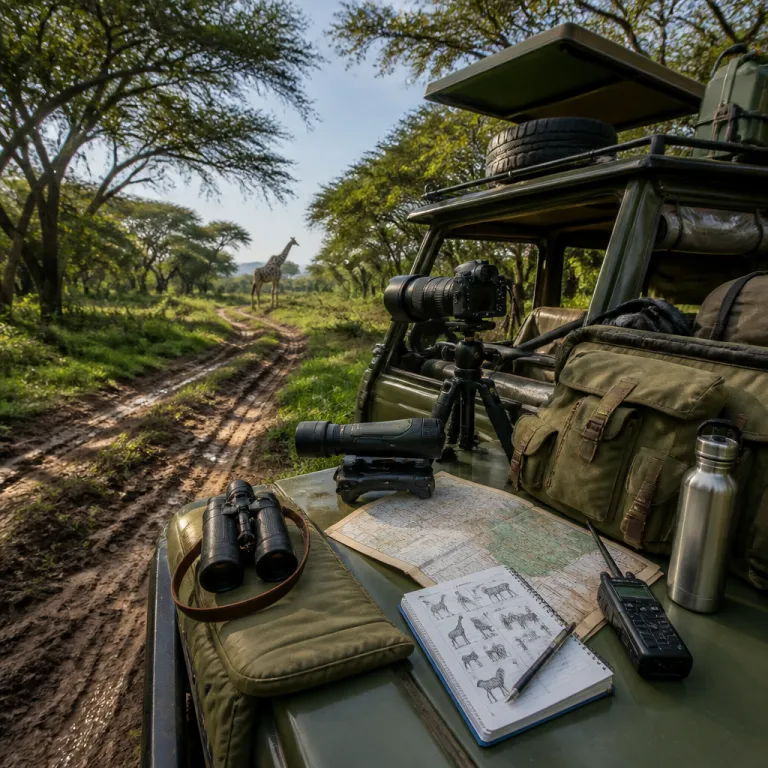
Choosing where to go on safari in Africa for your first trip
Working out where to go on safari in Africa starts with clarity about your expectations. Some travellers want the best chance of seeing the Big Five during a short trip, while others prefer quieter national parks where the rhythm of African wildlife feels unhurried and intimate. Before you book, decide whether you value easy access, a specific national park, or a remote African safari in a private reserve with fewer vehicles at sightings.
For a first African safari, many travellers compare Kenya, Tanzania, and South Africa because each country offers a different balance of logistics, cost, and wildlife density. Kenya and Tanzania excel for the Great Migration, while South Africa’s Kruger National Park region and nearby private game reserves provide reliable game drives with strong guiding standards and varied lodge options. When you weigh these destinations, think about your available time, your tolerance for travel days, and whether you prefer a single park or a multi-country itinerary across Southern Africa; for example, Nairobi to the Maasai Mara is about a 45-minute flight, while Johannesburg to the Kruger region usually takes one hour by air.
Guided game drives in a well-managed national park remain the safest and most informative way to experience Africa’s wildlife. Most reputable safari operators focus on guided game drives, walking safaris, and boat safaris, supported by 4x4 vehicles, binoculars, and cameras. To make the best use of your time, choose a safari lodge or tented camp that includes twice-daily game drives, because this structure maximises sightings while allowing you to rest during the heat of the day; a typical schedule might be a 05:30 wake-up, a three-hour morning drive, brunch and downtime, then a late-afternoon drive ending with sundowners.
Serengeti, Ngorongoro, and the Masai Mara: classic East African safari circuits
If you are asking where to go on safari in Africa for the archetypal savannah experience, the Serengeti and the Masai Mara form the heart of the answer. Serengeti National Park in Tanzania and the adjoining Maasai Mara National Reserve in Kenya share an open ecosystem where the Great Migration of wildebeest and zebra moves in search of fresh grazing. This combined African safari circuit offers some of the best game viewing on the continent, especially for big cats and dramatic predator–prey interactions.
According to Tanzania National Parks (TANAPA, 2022), the dry season from June to October is generally considered the best time to visit Serengeti for concentrated wildlife viewing and Great Migration river crossings. This window is often ideal for a trip focused on crossings in the northern Serengeti and the Maasai Mara, where herds plunge through crocodile-filled channels. Around the Ngorongoro Crater, wildlife is present year-round, but the dry season usually offers clearer sightings as animals congregate on the crater floor and near permanent water sources.
Many travellers pair a few nights in a Serengeti camp with time in the Ngorongoro Crater area and then cross into Kenya for the Maasai Mara or Masai Mara, creating a multi-park itinerary that balances landscapes and game viewing styles. A simple visual outline is: Day 1–2 Arusha arrival and rest; Day 3–4 Ngorongoro Crater; Day 5–7 central or northern Serengeti; Day 8–10 Maasai Mara before flying back to Nairobi. In all these areas, staying at a well-located safari lodge or seasonal camp close to key migration routes reduces driving time and increases your chances of witnessing unforgettable wildlife behaviour; budget travellers might use shared 4x4 vehicles, while higher-end safaris often include charter flights between airstrips.
Southern Africa’s water and wilderness: Kruger, Okavango Delta, and beyond
Travellers wondering where to go on safari in Africa often turn to Southern Africa for its mix of accessibility and wildness. South Africa’s Kruger National Park is one of the continent’s largest and most established national parks, with a reported size of 19 485 square kilometres according to South African National Parks (SANParks, 2021). This vast park, combined with adjacent private game reserves such as Sabi Sands, offers some of the best chances to see the Big Five during relatively short game drives.
In neighbouring Botswana, the Okavango Delta and Chobe National Park provide a different style of African safari, centred on water channels, floodplains, and river-based wildlife viewing. The Okavango Delta is renowned for mokoro (dugout canoe) excursions and boat safaris along reed-lined channels, while the Chobe River in Chobe National Park is famous for large elephant herds and dense concentrations of game along the river banks. These Southern Africa destinations suit travellers who want to combine classic 4x4 game drives with boat-based experiences and, in some areas, guided walking safaris; typical mid-range packages that link Kruger, the Delta, and Chobe often start around US$500–800 per person per day including accommodation, meals, and activities.
Many itineraries link South Africa, Botswana, and sometimes Victoria Falls in Zambia or Zimbabwe into a single trip across Southern Africa, using regional flights to minimise overland time. You might start with a private game reserve near Kruger, continue to a remote safari lodge in the Okavango Delta, then end with a few days near Victoria Falls for hiking and river activities. For travellers who love remote landscapes, it is useful to compare these African parks with other wilderness regions such as Patagonia’s wild reserves, explored in depth in this guide to where to go in Patagonia for an unforgettable journey through wild national parks.
Kruger, Sabi Sands, and private game reserves in South Africa
When evaluating where to go on safari in Africa for a first timer, Kruger and its neighbouring private game reserves in South Africa deserve special attention. Kruger National Park is managed by South African National Parks and attracts visitors who appreciate a mix of self-drive options, guided game drives, and a wide range of accommodation. In contrast, private game reserves such as Sabi Sands, Timbavati, and Manyeleti focus on fully guided experiences from intimate safari lodges and camps.
In a private game reserve, vehicles can usually leave the main roads to follow tracks, which often leads to closer sightings of elusive wildlife such as leopards and wild dogs. Game drives are typically conducted in open 4x4 vehicles with a professional guide and tracker, and many private game lodges limit the number of guests per vehicle to maintain a calm atmosphere around sightings. This structure allows more flexibility in following specific animals and offers some of the best photographic opportunities in Southern Africa; in high season, expect nightly rates from roughly US$400–1 200 per person depending on the level of luxury and exclusivity.
Combining a few nights inside Kruger National Park with time in a private game reserve like Sabi Sands gives you two complementary perspectives on the same ecosystem. You experience the scale and diversity of a major national park, then enjoy the personalised guiding and slower pace of a private game lodge. If you are interested in how journeys can evolve beyond their starting point, a creative example is this road trip style guide to Hallownest, which uses a gaming world to frame travel thinking, available here with a thematic anchor on how a journey opens up after a key milestone.
Cape Town, Victoria Falls, and coastal extensions to your safari
Not every traveller asking where to go on safari in Africa wants only game drives and remote camps. Many itineraries blend a core African safari with time in cities or coastal regions, creating a more varied trip that balances wildlife with culture and relaxation. In South Africa, Cape Town is the most popular urban extension, offering beaches, Table Mountain hikes, and a sophisticated food scene after days in the bush.
From Cape Town, travellers often continue to the Cape Winelands or the Garden Route before flying to a national park or private game reserve in the Kruger region. This sequence allows you to adjust to the time zone, enjoy urban comforts, then transition gradually into the rhythm of early morning and late afternoon game drives. For many visitors, the contrast between the Atlantic coastline around Cape Town and the inland savannahs of Kruger and Sabi Sands becomes a highlight of their African trip; flying time from Cape Town to the Kruger area via Johannesburg is usually around three to four hours including a connection.
Further north, Victoria Falls serves as a dramatic natural finale or starting point for safaris in Botswana, Zambia, or Zimbabwe. The falls pair well with the Okavango Delta, Chobe National Park, or even more remote reserves in Southern Africa, giving you a mix of river-based activities, walking trails, and classic 4x4 game viewing. When planning your time, remember that water levels at Victoria Falls and the Okavango Delta vary seasonally, so ask your operator about the best time to visit each river-based destination for your preferred activities and whether any special permits or park fees must be arranged in advance.
Planning the best time, budget, and style for your African safari
Choosing where to go on safari in Africa is only part of the decision; you also need to align the best time to travel with your budget and preferred style. Visitor numbers in the Serengeti and the Maasai Mara reach hundreds of thousands annually according to Tanzania National Parks and Kenya Wildlife Service (KWS, 2021), which means that peak months around the Great Migration require early bookings. In contrast, some national parks in Zambia or less visited parts of Southern Africa may feel quieter even in high season, though access can be more complex.
Dry seasons in most African national parks, typically from May to October depending on latitude, are often considered the best time for concentrated wildlife viewing because vegetation is thinner and animals gather near water. However, green season safaris can offer lower rates, fewer vehicles at sightings, and beautiful landscapes, especially in regions like the Okavango Delta or certain private game reserves. When comparing options, ask each safari lodge or camp how their wildlife patterns change through the year, rather than relying on generic advice about the best time; specialist tour operators and local ground handlers can also explain how seasonal park closures or road conditions might affect your route.
Safety and preparation also matter for any African safari trip. Official tourism and park authorities advise travellers to book in advance, check visa requirements, and obtain necessary vaccinations, and Kenya’s eVisa system confirms that most visitors need to apply online before arrival (Government of Kenya, 2023). It is also widely noted that walking safaris are safe when conducted by experienced guides under strict regulations. These concise points underline why partnering with reputable operators and respecting national park regulations is essential for both your safety and the long-term protection of Africa’s wildlife.
Key safari statistics and practical figures
- Serengeti National Park receives around 350 000 visitors per year according to Tanzania National Parks (TANAPA, 2022), which reflects its status as one of Africa’s best known wildlife destinations.
- Maasai Mara National Reserve welcomes approximately 300 000 visitors annually based on Kenya Wildlife Service data (KWS, 2021), showing how central this reserve is to Kenya’s safari tourism.
- Kruger National Park covers about 19 485 square kilometres as reported by South African National Parks (SANParks, 2021), making it one of the largest protected areas in Southern Africa and a cornerstone of the region’s conservation network.
- The main East African migration circuit of Serengeti and Maasai Mara typically peaks between June and October, aligning with the dry season and offering some of the best time windows for witnessing the Great Migration river crossings; permits and preferred camps in prime locations often sell out 9–12 months ahead.
- Eco-tourism growth, increased luxury safari options, and community-based tourism are widely recognised trends, indicating that more safari lodges and camps are integrating conservation and local partnerships into their operating models, with many properties now charging conservation levies that support anti-poaching and community projects.
FAQ: where to go on safari in Africa
What is the best time to visit the Serengeti and Maasai Mara ?
Park authorities and many safari specialists agree that June to October is generally the best time to visit Serengeti and the Maasai Mara for the Great Migration. This period usually offers the highest chance of seeing large herds and dramatic crossings, especially in the northern Serengeti and Maasai Mara. Outside these months, wildlife remains excellent, but the focus shifts from migration spectacles to resident game.
Is Kruger National Park suitable for first time safari travellers ?
Kruger National Park is very suitable for first time visitors because it combines strong infrastructure, varied accommodation, and abundant wildlife. Many travellers start with Kruger and then add a private game reserve such as Sabi Sands for a more exclusive experience. This combination delivers both the scale of a major national park and the intimacy of guided private game drives.
Are walking safaris safe in African national parks and reserves ?
Walking safaris are considered safe when conducted by experienced guides who follow strict safety protocols. They are usually offered only in specific areas and under clear regulations, often in private reserves or designated zones of a national park. Always follow your guide’s instructions and choose operators with a strong safety record and properly trained guiding teams.
Do I need a visa for Kenya when planning a safari trip ?
Most international visitors require an eVisa for Kenya, and applications are typically completed online before departure. Travellers should check the latest entry rules with official government sources or their nearest Kenyan embassy. Similar visa and entry requirements apply across many African countries, so verify each segment of your itinerary in advance.
How far in advance should I book an African safari lodge or camp ?
For peak periods such as the Great Migration in the Serengeti and Maasai Mara or the dry season in the Okavango Delta and Kruger region, booking 9 to 12 months ahead is often advisable. Shoulder seasons may offer more flexibility, but popular safari lodges and private camps in high-demand areas still fill quickly. Early planning also helps you secure better flight options and align your dates with the best time for your chosen national parks.
Trusted references for further planning
- Tanzania National Parks Authority (TANAPA)
- Kenya Wildlife Service (KWS)
- South African National Parks (SANParks)