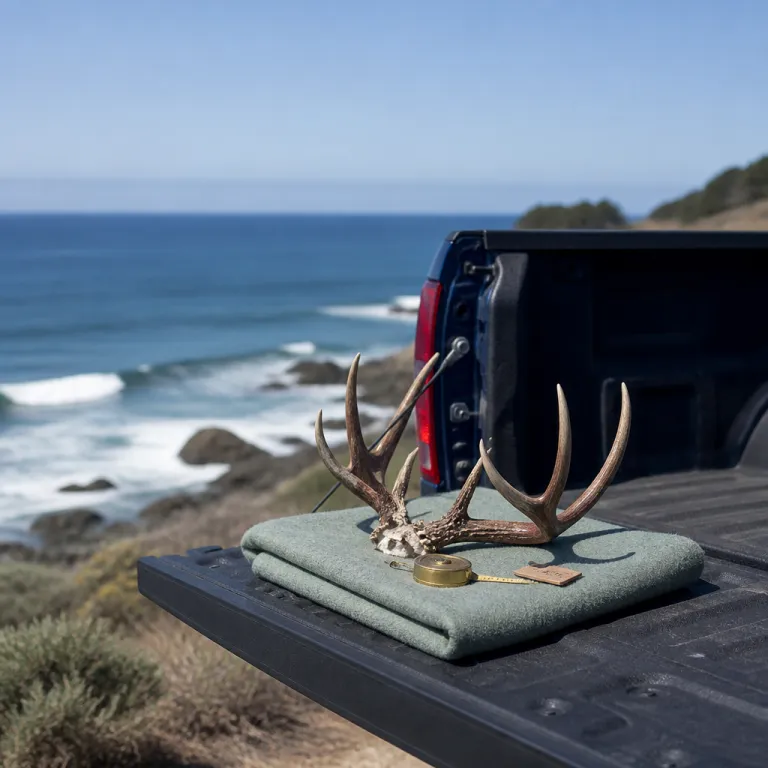
Understanding where to go hunting in California for your first trip
Working out where to go hunting in California starts with understanding the state’s immense variety of landscapes. From oak-studded Sierra foothills to high desert plateaus in the northeast, California offers distinct habitat in almost every zone, and each area shapes the type of hunt you will experience. Before you book flights or plan a road trip, match your preferred hunting style with specific regions and hunt units so that your time and budget are used wisely.
The California Department of Fish and Wildlife (CDFW) manages regulated hunting across the entire state, and its role is central when you decide where to hunt safely and legally. This agency sets hunting regulations, allocates tags, defines deer zones and pronghorn units, and issues every hunting license, which means that any serious hunter must start planning on the official CDFW website. Their online system lets you buy a hunting license, apply for premium deer tags, and review an interactive map of zones so that your chosen area aligns with the correct hunting seasons.
When travellers ask where to go hunting in California, they usually mean where to find good opportunities for big game such as deer, elk, and wild pig. The answer depends on whether you prefer a backpack-style deer hunt in rugged country, a guided buck hunt on private ranch land, or a more accessible wild pig hunt near a main highway. Whatever you choose, you will need to carry a valid hunting license, understand the specific hunting regulations for your target game, and be ready to submit a harvest report after your trip so that wildlife managers can track population health.
Prime regions and zones for deer hunting and big game travel
For many visiting hunters, the search for where to go hunting in California begins with deer hunting in the state’s famous A, B, and D zones. Coastal A Zone (for example, units A North and A South in Mendocino, Sonoma, and Lake counties) offers early season black-tailed deer hunts in warm, dry conditions, while interior D zones such as D3–5 in the northern Sierra provide classic mule deer country with steep ridges and scattered pines. If you prefer cooler weather and more remote terrain, late-season deer hunt opportunities in higher elevation zones like D6 and D7 can deliver challenging but rewarding stalks.
Travellers focused on big game often combine a deer hunt with other species, planning hunts that move between one county and another as the season progresses. Some Central Coast counties are known for wild pig populations that allow year-round hunting on many private ranches, giving you flexibility if your premium deer tag is not successful. When you compare regions, study the current CDFW deer zone map, check which tags are still available, and confirm that your preference point total matches the draw odds for the hunt you want. For example, the 2022 CDFW Big Game Hunting Digest (pp. 32–37) lists recent draw odds for popular zones such as D3–5 and D6, while the 2021 CDFW Deer Harvest Report (pp. 10–15) shows success rates by unit.
Those who enjoy archery travel often time their trips around early archery deer seasons, which usually open before general rifle hunts and offer quieter hillsides. Archery hunts in oak woodland zones can be especially appealing for travellers who like warm evenings and longer daylight, and they pair well with other outdoor activities such as late summer hiking or even a side trip to high elevation resorts for unforgettable winter mountain escapes later in the year. Whether you choose rifle hunting or archery, always confirm the exact hunting seasons for your chosen area on the CDFW regulations pages, because dates and weapon types vary sharply between zones and species. As a planning shortcut, bookmark the current year’s California Big Game Hunting Digest and the main Hunting Regulations booklet so you can quickly cross-check season dates and zone boundaries.
Elk, bighorn sheep, and other specialist hunts for experienced travellers
Once you understand where to go hunting in California for deer, you may start looking at more specialised big game such as elk and bighorn sheep. California offers limited but highly prized elk hunts, including opportunities for Roosevelt elk near the north coast and tule elk in interior valleys such as the La Panza and Owens Valley units, and some northeastern zones also include rare pronghorn antelope hunts in open sage country. These hunts are tightly controlled, and most visiting hunters will need many years of building a preference point balance before they can realistically draw a tag. According to the 2022 CDFW Big Game Hunting Digest (pp. 54–61), many tule elk hunts show draw odds of under 5% for applicants with low preference points.
For bighorn sheep, the state runs some of the most exclusive hunts in North America, centred on steep desert mountains that demand serious physical preparation. If you are travelling from far away, you should plan a longer stay in the unit where your tag is valid, because scouting days before the hunt can be as important as the hunt itself. As one longtime desert guide in Inyo County puts it, “You earn every ram here on the climb, not just with the shot,” and many successful hunters hire a professional guide for these hunts, since a local expert knows every canyon, water source, and glassing point in the area and can help you navigate both the terrain and the complex hunting regulations. The 2021–2022 CDFW Big Game Harvest Report (pp. 72–75) notes that several bighorn sheep units recorded success rates above 70%, reflecting both strict tag limits and intensive preparation by hunters.
Ambitious travellers who want to hunt California for multiple species sometimes build a long-term plan that starts with deer hunting, then moves into wild pig hunts, and eventually aims for elk or bighorn sheep once enough preference points have accumulated. When you finally draw one of these rare tags, you will need to file a detailed harvest report afterwards, because the California Department of Fish and Wildlife relies on accurate data to manage small, sensitive populations. For those who enjoy combining gaming-style challenges with real world adventures, planning such a multi-year strategy can feel as satisfying as progressing through a demanding quest line, much like choosing where to travel next after a major gaming milestone.
National forests, public land access, and reading the landscape
Many travellers asking where to go hunting in California are specifically interested in public land opportunities inside a national forest. These forests stretch across the Sierra Nevada, the coastal ranges, and southern mountains, offering extensive access for deer hunts, wild pig hunts, and even some elk or black bear opportunities. When you plan a trip around public land, you must study both a topographic map and the official zone boundaries, because a single ridge can separate a good hunting area from a closed unit.
Public land hunting experiences in California reward those who invest time in scouting, either during a separate trip or in the days before the season opens. Walk ridgelines at dawn to glass for mule deer, check water sources for fresh tracks, and mark promising saddles or benches on your GPS so that you can return quietly during your actual hunt. One visiting hunter in the D5 zone described finding his buck after three days of pre-season scouting: “We never fired a shot until we had watched that basin at sunrise and sunset. The map work and hiking paid off.” If you are travelling from another state, consider arriving several days early, because acclimating to elevation and learning the terrain will significantly improve your chances of a successful buck hunt.
Responsible travellers also think about how their trip fits into broader sustainable travel choices, especially when they move between multiple California destinations. You can combine your hunting journey with low-impact stays, fuel-efficient driving routes, and even side trips to protected areas that you visit only as a photographer, taking inspiration from guides to eco friendly travel destinations that deliver on their promises. Whatever your itinerary, always respect local hunting regulations, stay on designated roads where required, and leave every campsite cleaner than you found it so that future hunters can enjoy the same wild landscapes.
Licenses, tags, preference points, and staying legal on the road
Understanding the paperwork behind where to go hunting in California is just as important as choosing a scenic valley or forested ridge. Every non-resident and resident must hold a valid hunting license before they can pursue any game, and specific tags are required for deer, elk, wild pig, and other big game species. The California Department of Fish and Wildlife now runs an efficient online licensing system, which allows travelling hunters to purchase a hunting license, apply for premium deer tags, and submit a harvest report from anywhere with a stable internet connection. As a cost reference, the 2023 CDFW fee schedule lists a nonresident annual hunting license at just over US$200, with many premium deer tags priced between about US$35 and US$350 depending on species and hunt code.
For most controlled hunts, California uses a preference point system that rewards hunters who apply consistently over many seasons. Each year you are unsuccessful in the draw, you gain a preference point for that species, and over time this improves your odds of drawing a coveted deer hunt, elk hunt, or bighorn sheep hunt in a limited zone. When planning a multi-year travel strategy, you should decide whether to focus your points on one dream area or spread them across several zones, balancing the desire for a premium deer tag against the practical wish to hunt more frequently. The 2022 CDFW Big Game Hunting Digest (pp. 18–23) explains how preference points are awarded and shows examples of point levels needed for popular hunts.
Regulations change regularly, so travellers must review current hunting regulations before every trip, even if they have hunted the same California area in previous seasons. Official CDFW guidance clearly states: “Check local regulations before hunting” and “Obtain necessary licenses and permits,” and these rules apply whether you are planning a quick weekend buck hunt or a long-awaited pronghorn adventure. Carry digital and paper copies of your license and tags, know the legal shooting hours for your season, and keep a simple notebook in your pack to record key details for your harvest report while they are still fresh in your mind.
Quick checklist before you leave home:
- Purchase the correct resident or non-resident hunting license.
- Apply for and print all required tags for your chosen species and zone.
- Download current CDFW regulations and zone maps for your hunt area.
- Save harvest-report instructions and deadlines for each tag.
- Confirm weapon restrictions, season dates, and legal shooting hours.
Guides, local expertise, and crafting a memorable hunting itinerary
Travellers who are new to where to go hunting in California often benefit from hiring a professional guide, especially for their first trip. A reputable guide based in the county where you plan to hunt will know which area holds game during each season, how pressure from other hunters shifts animal movement, and where access roads remain passable after early storms. Guided hunts can be particularly valuable for time-poor travellers who want to maximise their chances of success during a short window of vacation.
Local hunting clubs and guided hunting services have grown in response to increased interest in bow hunting and rifle hunts across the state. Many of these operators offer structured deer hunting packages, wild pig hunts, and even combination trips that include fishing or upland game bird days between big game outings. When you evaluate options, ask detailed questions about the size of the hunting area, the number of hunters in camp, the typical success rate, and how they handle mandatory tasks such as the harvest report and meat care in warm weather.
Independent travellers who prefer to hunt California on their own can still tap into local knowledge without booking a full-service package. Visit small-town sporting goods stores to study wall maps of zones, talk with staff about recent game movement, and confirm which roads are open inside nearby national forest lands. Whether you travel with a guide or on your own, build rest days into your itinerary so that you can enjoy local food, explore nearby towns, and reflect on how your California hunting experience fits into your broader travel life. As a practical example, a three-day trip to the D6 zone might include one full day of scouting, a dawn-to-dark hunt on opening day, and a flexible third day for either packing out a deer or shifting to a nearby wild pig opportunity on private land.
Seasonal timing, safety, and practical travel logistics for hunters
Choosing when to travel is central to deciding where to go hunting in California, because hunting seasons vary sharply by species, weapon type, and zone. Early season archery hunts often mean hot days and high fire danger, while later rifle hunts can bring snow, closed passes, and challenging driving conditions. Before you commit to flights or long drives, match your preferred weather and terrain with the specific season dates for your chosen area so that your expectations align with reality. The 2023–2024 CDFW Hunting Regulations booklet lists detailed season dates for deer, elk, pronghorn, and bighorn sheep by zone, making it an essential reference when you lock in travel dates.
Safety on a hunting trip starts long before you shoulder a rifle or bow in the field. Plan your route between California destinations with realistic driving times, carry paper maps in case navigation devices fail, and let someone at home know your daily plan and expected return time. In remote national forest regions, mobile coverage can be unreliable, so consider renting a satellite communicator, and always pack extra water, warm layers, and a basic first aid kit in your daypack. For a compact three- or four-day itinerary, many visiting hunters choose a base town on the edge of a national forest, scout nearby ridges on day one, hunt hard on days two and three, and reserve the final day for meat processing, taxidermy drop-off, and a relaxed drive to their next destination.
Finally, think about how your California hunting journey fits into a wider travel experience that may include non-hunting companions. Some regions with good hunting also offer wine tasting, coastal sightseeing, or mountain hiking, which can keep everyone engaged while you focus on your deer hunt or buck hunt. By aligning your hunting license, tags, and travel logistics with the interests of your group, you will create a trip that respects hunting regulations, supports local communities, and leaves you eager to plan your next adventure in this remarkably diverse state.
Key statistics for planning a hunting trip in California
- Approximately 250,000 licensed hunters were active in California in 2020, according to the CDFW Licensed Hunter Participation Summary (2021, p. 3), which means popular zones can feel busy on opening weekends but quieter later in the season.
- Deer seasons in many zones run from late summer into autumn, while waterfowl seasons typically extend from autumn into winter, so travellers can plan multi-species trips that follow changing hunting seasons across the state. The 2023–2024 CDFW Hunting Regulations booklet (pp. 26–45) provides specific opening and closing dates by zone.
- California’s online licensing system allows hunters to purchase a hunting license and apply for tags remotely, which is particularly useful for international travellers who want paperwork completed before they arrive. The 2023 CDFW fee schedule lists resident and nonresident license prices, along with individual tag and application fees.
- The state manages hunts for multiple big game species, including deer, bear, pronghorn, elk, bighorn sheep, and wild pig, giving visiting hunters a wide range of possible itineraries over several years of travel. The 2021–2022 CDFW Big Game Harvest Report (pp. 6–9) summarises total harvest numbers and success rates by species.
- Growth in guided hunting services and increased interest in bow hunting have expanded options for first-time visitors, making it easier to find a suitable guide or archery-focused hunt in many regions. Recent CDFW outreach reports (2020–2022) highlight rising participation in mentored hunts and hunter education courses, especially among new adult hunters.
FAQ : planning a hunting journey in California
What species can I hunt in California ?
What species can I hunt in California? Deer, bear, pronghorn, elk, bighorn sheep, wild pig, waterfowl, upland game birds, and small game mammals are all managed under CDFW regulations.
Do I need a license to hunt in California ?
Do I need a license to hunt in California? Yes, a valid hunting license is required for both residents and non-residents before pursuing any game species.
Are there specific hunting seasons in California ?
Are there specific hunting seasons in California? Yes, seasons vary by species and region, and exact dates are published each year in the CDFW hunting regulations booklets.
How do I choose the right zone for deer hunting ?
Start by deciding what kind of terrain and climate you prefer, then study the official map of zones, recent harvest report data, and draw odds for premium deer tags so that your chosen area matches both your hunting style and your current preference point total. The 2021 CDFW Deer Harvest Report and the 2022 Big Game Hunting Digest are especially useful for comparing units such as A Zone, D3–5, and D6.
Can non residents travel to California just for a short hunt ?
Yes, non residents regularly travel to the state for focused hunts, but they must buy the appropriate non-resident hunting license, secure any required tags in advance, and plan enough days for scouting so that a short trip still offers a realistic chance of success. Reviewing recent success rates and season dates in the latest CDFW hunting regulations before booking flights will help you choose a zone that fits a three- to five-day itinerary.