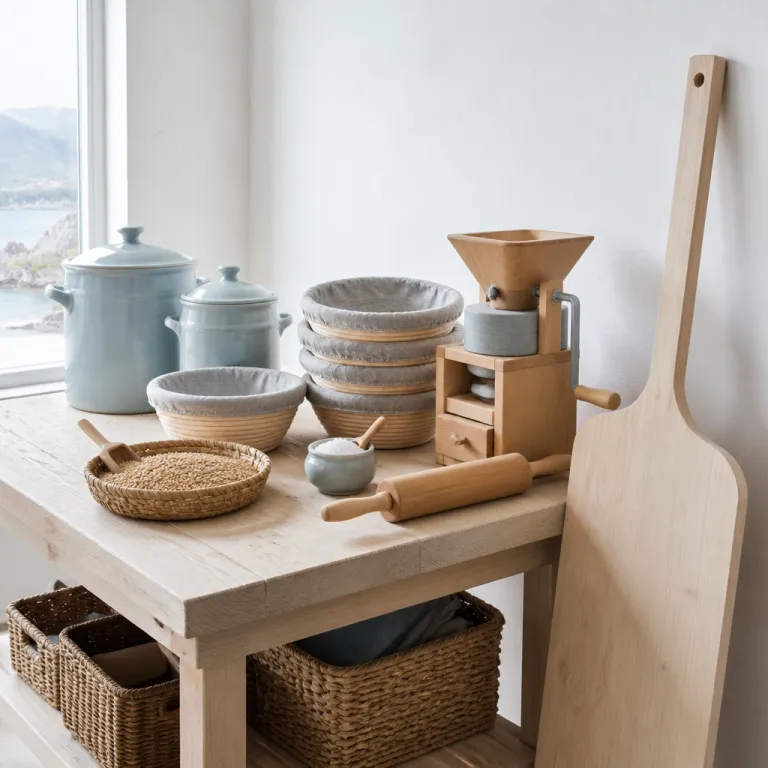
From tourist cooking class to true culinary travel
The most memorable culinary travel experiences 2026 style will not be the quick cooking class squeezed between museum visits. They will be the food tours, market tours, and slow adventure days where food culture becomes your lens on politics, climate, and daily life. If you want the best use of your travel days, treat every food tour or culinary tour as a way to read a place rather than just taste it.
Across more than seventy countries, Local chefs now lead structured culinary tours that combine guided walks, hands on cooking and shared meals with families. These culinary travel experiences are designed with clear goals ; you taste local food, learn regional cooking techniques, and understand how food culture has evolved through migration, scarcity, and abundance. When you choose a culinary adventure or foodie tour, ask how the itinerary connects markets, farms, and kitchens so that each experience builds a coherent story.
Organizers increasingly work with food historians and artisan producers, which changes the depth of each culinary travel experience. Food historians act as educators who can explain why a street food stall exists on a particular corner, or how wine tasting reflects centuries of land ownership. Artisan producers demonstrate traditional tools and methods, turning a simple food wine pairing into a living archive of food culture and culinary heritage.
Soba in Nagano and the meaning of a bowl
In Nagano, a bowl of soba is not just food ; it is a compressed history of altitude, soil, and Zen practice that belongs on any list of the best culinary travel experiences 2026 can offer. Buckwheat thrives in the cool mountain climate, and the finest noodles come from small group workshops where you grind the grain, knead the dough, and cut strands with heavy blades under the eye of Local chefs. Those hours turn a simple cooking class into a full culinary adventure, because you feel how agriculture, religion, and labour shape every mouthful.
A serious culinary tour in Nagano will start at a morning market, where market tours reveal which grains, vegetables, and pickles anchor local food culture. From there, a guide may lead you along quiet street lanes to a family mill, then into a temple kitchen where a monk explains why traditional temple food avoids garlic, onion, and leek. This kind of food tour is slow, but the experience stays with you for days, and it will change how you read every noodle bowl on the rest of your trip.
When you compare reviews of different food tours in Nagano, look for itineraries that include both hands on cooking and time in the fields or mills. A short foodie tour that only serves a set menu will not teach you why Nagano soba tastes different from noodles in Tokyo, or how food culture here reflects centuries of self reliance. For travelers who love pasta and grains, pairing Nagano with a hands on pasta workshop in Tuscany, such as the rolling sessions highlighted in this guide to hands on food experiences worth building a trip around, creates a powerful contrast between Japanese and Italian grain traditions.
Wine underground: Georgia, Basque bars, and Korean temples
Some of the best culinary travel experiences 2026 travellers are seeking now happen far from white tablecloths. In Georgia’s Kakheti region, qvevri wine ferments in clay vessels buried underground, and a proper wine tasting means literally unearthing both amphorae and bread from the same soil. A thoughtful culinary tour here will feel like an adventure, with Local chefs and artisan producers guiding you through vineyards, ovens, and cellars in a single flowing experience.
Basque Country offers a different kind of food adventure, where street lanes in San Sebastián’s old town become an edible map of competition and pride. Pintxo bars stake their reputation on a single bite, and the most instructive food tours move beyond the busiest streets into hidden gems where food culture is guarded by regulars. Join a small group foodie tour that includes a visit to a sociedad gastronómica, and you will see how cooking, wine, and friendship intersect in a private space that once excluded outsiders.
Korean temple food sits at the opposite end of the spectrum from Basque excess, yet it may be the most quietly radical culinary adventure you can plan. Temple stay programs turn meals into meditation, and the absence of pungent ingredients reveals a different relationship between body, mind, and land. When you read reviews of these travel experiences, pay attention to how guests describe the rhythm of days, because the value lies less in a single dish and more in the cumulative experience of restraint.
Markets, street food, and the grocery store test
If you want culinary travel experiences 2026 that genuinely teach you something, start every trip at a market rather than a restaurant. Morning market tours with Local chefs or food historians show you what people actually cook at home, how they shop, and which stalls anchor the neighbourhood’s food culture. These guided tours are usually the best value for money, because in two to four hours you gain context that will shape all your later meals.
Vietnam is a perfect case study, where street food is both daily sustenance and a record of migration, war, and resilience. A well designed street food tour in Hanoi or Ho Chi Minh City will move from market tours to alleyway grills, then to tiny plastic stools where you share bowls with office workers on their short adventure days. Look for small group food tours that cap numbers, because you will hear more stories, ask better questions, and avoid overwhelming fragile street food ecosystems.
Beyond the markets, apply what I call the grocery tourism test whenever you travel. Spend an hour in a supermarket and treat it as a quiet food tour, noting which brands dominate, how much staples cost, and which aisles are busiest on different days. This simple habit will save you from shallow assumptions about a country’s food culture, and it turns even the most ordinary errand into a compact culinary adventure.
Designing a trip that food actually structures
To turn culinary travel experiences 2026 into a coherent journey, you need to design the trip around food rather than sprinkling in a single cooking class. Start by choosing one or two anchor regions, such as northern italy for pasta and wine or spain portugal for Atlantic seafood and sherry, then build your days around market tours, farm visits, and evening communal meals. This approach will save you from rushed transfers and allow each culinary tour or food tour to unfold at a human pace.
In italy, for example, you might spend several days in Emilia Romagna focused on Parmigiano Reggiano, balsamic vinegar, and Lambrusco, then shift to Piedmont for truffle hunting and Barolo wine tasting. Each region offers different food culture, and the best culinary tours here connect dairies, vineyards, and home kitchens rather than only restaurants. When you read reviews, prioritise operators who work with Local chefs, food historians, and artisan producers, because they are more likely to frame each experience within broader culture and landscape.
Across all these destinations, remember that “What is a culinary tour?” and “How long do food tours last?” are not trivial questions ; they shape how you allocate time and money. The formal answer is simple : “What is a culinary tour?” and “How long do food tours last?” and “Are dietary restrictions accommodated?” are addressed directly by many organisers, who state that “A guided experience exploring local food culture.” and “Typically 2-4 hours.” and “Yes, inform organizers in advance.”. For deeper travel experiences, ask extra questions about group size, transport, and whether your fee helps preserve traditions or simply funds another generic tasting room.
Ethics, sustainability, and reading between the reviews
As culinary travel experiences 2026 become more popular, the ethics behind each tour matter as much as the menu. A responsible culinary adventure should respect Local food systems, pay fair rates to producers, and avoid turning fragile street food scenes into backdrops for social media. When you compare reviews, read carefully for signs that groups are too large, that locals feel displaced, or that food culture is being simplified for quick consumption.
Many of the best food tours now integrate sustainability into their design, from farm to table visits to classes on reducing waste in home cooking. Some operators pair culinary tours with walks or public transport, which both save emissions and slow the pace so you can actually absorb the experience. If you care about the environmental side of travel, consider pairing your food focused trip with routes highlighted in this guide to eco friendly travel destinations that deliver on their promises, then seek out Local food projects in those regions.
Ultimately, the best culinary travel is not about chasing every hidden gem or ticking off a list of food wine pairings. It is about using food, wine, and cooking as tools to understand how people live, work, and care for their land. Aim for trips where you leave with recipes, relationships, and questions, because that is how a plate of street food or a glass of qvevri wine becomes a lasting part of your own culture rather than just another picture.
FAQ: making sense of culinary tours and food travel
What is a culinary tour in practical terms?
A culinary tour is a guided experience that uses food, markets, and kitchens to explain how a place works. In practice, that usually means a mix of market tours, tastings, short walks, and sometimes a cooking class or home visit. The strongest tours link these stops into a narrative about history, migration, and daily life rather than just serving a sequence of dishes.
How long do typical food tours and market visits last?
Most structured food tours and market tours last between two and four hours, which is enough time to visit several stops without rushing. Morning departures often focus on markets and breakfast style street food, while evening tours lean into bars, wine tasting, and shared plates. For deeper immersion, some operators offer full adventure days that combine markets, farms, and cooking in a single itinerary.
Are dietary restrictions usually accommodated on culinary tours?
Reputable operators can usually adapt food tours and culinary tours for common dietary needs such as vegetarian, gluten free, or nut free. You should always inform organisers well in advance, because Local food culture and street food setups may limit last minute changes. In some regions, especially where dishes rely heavily on fish sauce or cheese, flexibility will vary by tour and by day.
How can I tell if a food tour is ethical and not just staged?
Look for small group sizes, transparent partnerships with Local chefs and producers, and reviews that mention genuine interaction rather than only photo opportunities. Ethical culinary travel experiences tend to visit regular markets and family businesses, not just venues built for tourists. If an operator explains how they support Local food systems or limit their impact on street food vendors, that is usually a positive sign.
What should I pack or prepare for a day focused on food travel?
Wear comfortable shoes for walking through markets and narrow street lanes, and bring a reusable water bottle plus a small bag for any ingredients you might buy. It helps to arrive slightly hungry but not starving, because tastings on food tours are often spread across several hours. Finally, carry a notebook or use your phone to record names of dishes, wines, and places, so your culinary travel memories remain useful long after the trip ends.