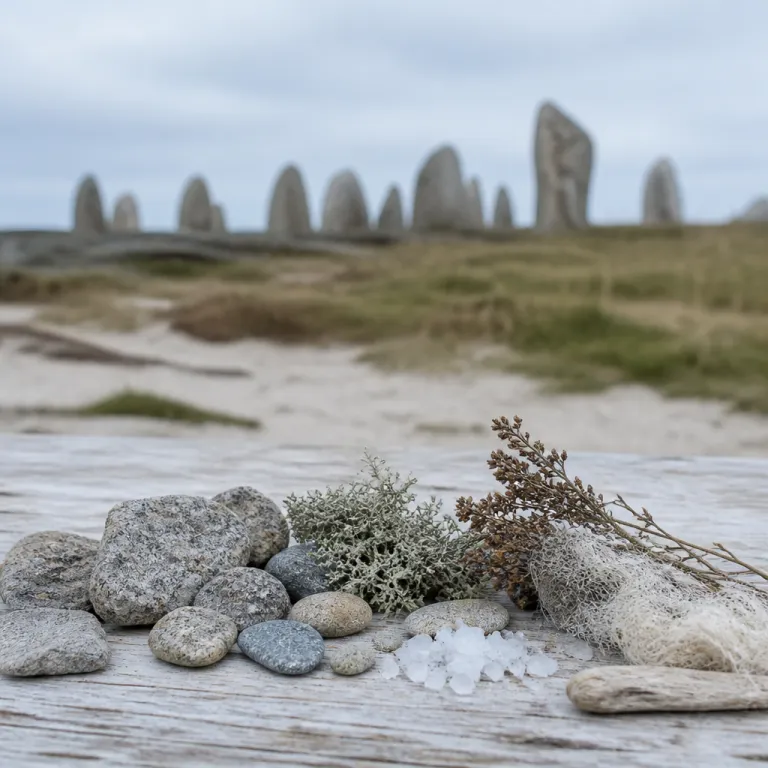
Carnac stones Brittany UNESCO visit for photographers
The Carnac stones sit on a low rise above the Atlantic light, turning a quiet corner of southern Brittany into one of Europe’s most concentrated megalithic landscapes. For a thoughtful Carnac stones Brittany UNESCO visit, you are not just ticking a heritage site in France, you are entering a four kilometre corridor of geometry, shadow and Neolithic intent. Photographers who plan their visit to Carnac with care will find that these stones, alignments and surrounding fields in Morbihan still feel surprisingly intimate.
More than 3 000 standing stones form the Carnac alignments, stretching across several megalithic sites that include Ménec, Kermario, Kerlescan and Petit Ménec. Each site has its own character ; the lower, denser menhirs at the Ménec alignments invite wide stone circle style frames, while the taller menhir rows at Kermario carve strong leading lines through morning mist. A serious Carnac stones Brittany UNESCO visit means treating each alignment as a separate photographic chapter rather than one rushed guided tour.
The broader setting matters as much as any single stone or tumulus, because this heritage site sits between the Gulf of Morbihan and the Atlantic dunes. Low farmhouses, gorse hedges and distant church towers of Saint Cornély and Saint Michel give scale to the megaliths Carnac is famous for. When you visit Carnac, keep stepping back until the menhirs, stone circles and sky read as one composition, then move in again to isolate a single weathered stone with lichen glowing in side light.
Reading the alignments: light, access and UNESCO rules
Understanding how the alignments work with light is the difference between flat documentation and images that honour this UNESCO heritage landscape. Early in the day, soft light brushes the tops of the standing stones, while by late afternoon the same stone rows cast long, graphic shadows that emphasise their Neolithic engineering. Local guidance confirms that “Early morning or late afternoon for optimal lighting.”
At the Ménec alignments, the western end of the site gives you a natural rise from which to frame the full sweep of stones and surrounding megalithic sites. Use a wide angle lens around 16–24 mm to turn the nearest menhir into a foreground anchor, then let the alignments taper toward the horizon in Brittany’s often changeable skies. When your Carnac stones Brittany UNESCO visit coincides with thin cloud, you gain a natural softbox that keeps contrast manageable across the four kilometre field.
UNESCO heritage status brings stricter access rules, especially around the most fragile megaliths Carnac protects. In high season, some sections of the heritage site are only accessible on guided tours, which can actually help you reach viewpoints that independent visitors miss. Check current regulations on tripods, drone use and path access before you visit Carnac, and remember that “Are tripods allowed at the site? Yes, but avoid obstructing pathways.”
For cultural travellers who like to build trips around festivals and layered histories, it can be useful to think of Carnac in the same mental folder as other deep culture journeys such as this detailed Oaxaca festival calendar guide. A Carnac stones Brittany UNESCO visit fits naturally into a year of heritage site photography, where alignments, stone circles and living traditions all sit on equal footing.
Fieldcraft at Ménec, Kermario, Petit Ménec and Saint-Michel
On the ground, each of the main megalithic sites around Carnac demands a slightly different field strategy. The Ménec alignments, closest to the village and the Maison des Mégalithes visitor centre, are ideal for first light when low sun rakes across the menhirs and reveals subtle relief on every stone. From the Maison des Mégalithes terrace, you can scout compositions that combine the alignments, nearby stone circles and the distant silhouette of a church dedicated to a local saint.
Move east to the Menec Kermario corridor and the mood shifts ; Kermario’s taller standing stones and more open fields favour long lenses that compress the rows into dense graphic patterns. Here, a Carnac stones Brittany UNESCO visit becomes an exercise in rhythm, as repeating menhirs and occasional gaps create visual syncopation across your frame. Late afternoon light from the west side of the site lets you shoot along the alignments, using each stone as a stepping stone of contrast toward the horizon.
Petit Ménec, smaller and often quieter, rewards patience with more intimate studies of individual menhirs and the relationship between stone and surrounding heath. Above the main fields, the Tumulus Saint-Michel rises as a grassy mound crowned by a chapel to Saint Michel, giving a rare elevated view over the megaliths Carnac protects. From here, you can place the alignments, nearby stone circles and the distant Gulf of Morbihan into a single frame that underlines why this heritage site sits within a wider cultural landscape.
If you are drawn to cultures that express their history through ritual and shared space, the way the Carnac alignments structure the land will likely resonate with you in the same way as the communal feasting traditions described in this exploration of Georgia’s supra table. Both are, in their own ways, stone and table circles that encode memory, hierarchy and belonging. Let that thought guide how you frame people within the megalithic sites, whether they are local walkers, fellow photographers or UNESCO staff on a guided tour.
Technical choices: lenses, weather and ethical access
For a serious Carnac stones Brittany UNESCO visit, your gear choices should respect both the weather and the heritage site. A weather sealed camera body and lenses are strongly recommended, because Breton drizzle and Atlantic wind can sweep across the stones without warning. Pack a sturdy tripod for pre sunrise work, but keep it compact enough to move quickly between alignments and avoid blocking narrow paths.
Wide angle lenses around 16–24 mm are essential for turning the Carnac alignments into powerful leading lines, while a short telephoto helps isolate single menhirs against the sky. A neutral density filter lets you stretch exposure times at dawn, softening passing clouds above the standing stones and any movement in nearby trees or grasses. A polarising filter can deepen the greens of Brittany’s fields and reduce glare on damp stone, but use it lightly to avoid unnatural skies over this UNESCO heritage landscape.
Ethical access is non negotiable when working at megalithic sites in France, especially one that has just joined the UNESCO heritage list. Respect barriers around fragile tumulus structures, never climb on a menhir and avoid trampling low vegetation that stabilises the soil around the stones. “Is drone photography permitted? Check local regulations; restrictions may apply.”, and even where drones are legal, consider whether their presence undermines the quiet atmosphere that makes a visit to Carnac so compelling.
When you plan a wider circuit around Brittany and the Gulf of Morbihan, think of Carnac as one chapter in a longer story of conservation and cultural resilience, much like the narrative explored in this conservation focused Akagera National Park travel story. From Carnac’s megaliths to sea cliffs at Pointe du Raz and tidal dramas around Mont Saint Michel, you are tracing a coastline where stone, water and time constantly negotiate. Let that awareness shape how you move through each site, from the alignments to lesser known stone circles inland.
Building a wider Brittany heritage itinerary
A well planned Carnac stones Brittany UNESCO visit can anchor a week long journey through some of the region’s most photogenic heritage sites. Start with two unhurried days around Carnac itself, giving yourself time for multiple guided tours of the alignments and at least one sunrise and sunset at both Ménec and Kermario. Use midday, when light is harsher on the stones, to explore the Maison des Mégalithes, nearby chapels dedicated to local saints and coastal paths along the Gulf of Morbihan.
From Carnac, drive north toward the borderlands of Normandy for a session around Mont Saint Michel at low tide, where the abbey rises from sand flats that echo the geometry of stone circles in a different key. Swing back through Dinan’s medieval streets and the pink granite coast near Ploumanac’h, where eroded stone forms natural menhirs and arches that complement your megaliths Carnac portfolio. Each stop reinforces the sense that Brittany and neighbouring regions in France are, at heart, a gallery of stone shaped by both human hands and Atlantic weather.
As you refine your route, remember that the most rewarding heritage site images often come from the quiet margins of a tour rather than the headline viewpoint. Spend time at smaller megalithic sites beyond the main Carnac alignments, where solitary menhirs and modest tumulus mounds sit in working fields or near village lanes. Those modest stones, sometimes marked only by a roadside sign, can yield photographs that feel as personal as any portrait.
Travel photographers who thrive on this kind of slow, culturally grounded movement often build their year around a handful of anchor journeys, from megalithic corridors in Brittany to layered festival seasons in places like Oaxaca or long form conservation stories in Africa and the Caucasus. The common thread is a willingness to stay with one heritage site long enough for its rhythms to surface. At Carnac, that means returning to the same stone, the same alignment, until the light finally matches the story you want to tell.
FAQ
What is the best time of day to photograph the Carnac stones ?
The most favourable times to photograph the Carnac stones are early morning and late afternoon, when light is softer and shadows are longer. These windows emphasise the texture of each stone and the geometry of the alignments without harsh contrast. Midday light tends to flatten the megaliths, so use that period for scouting and visiting the Maison des Mégalithes.
Are tripods and drones allowed at the Carnac megalithic sites ?
Tripods are generally allowed at the main sites, provided you do not block pathways or disturb guided tours. Drone regulations are stricter ; you must check current local and national rules, and some areas may be completely off limits due to UNESCO heritage protections. Always prioritise safety, privacy and the quiet atmosphere that defines a respectful Carnac stones Brittany UNESCO visit.
How much time should I plan for a visit to Carnac as a photographer ?
For a focused photographic trip, plan at least two full days around Carnac and the surrounding megalithic sites. This gives you multiple chances at good light across Ménec, Kermario, Kerlescan, Petit Ménec and the Tumulus Saint-Michel. Extra days let you explore nearby coastal areas of Morbihan and the Gulf of Morbihan, building a more varied portfolio.
Can I visit the alignments without a guided tour ?
Access rules vary by season, but in busier periods some sections of the alignments are only accessible on guided tours to protect the heritage site. These guided tours can be valuable, offering historical context and access to viewpoints that independent visitors might miss. Outside peak times, you may have more freedom to walk designated paths independently, always respecting barriers and signage.
What photographic techniques work best at the Carnac alignments ?
Wide angle compositions that use the rows of standing stones as leading lines are particularly effective at the Carnac alignments. Shooting from low angles emphasises the height of individual menhirs, while including sky and surrounding fields situates the megaliths within their Breton landscape. Long exposures at dawn or dusk, using a tripod and neutral density filter, can add a sense of time and movement to this very ancient scene.