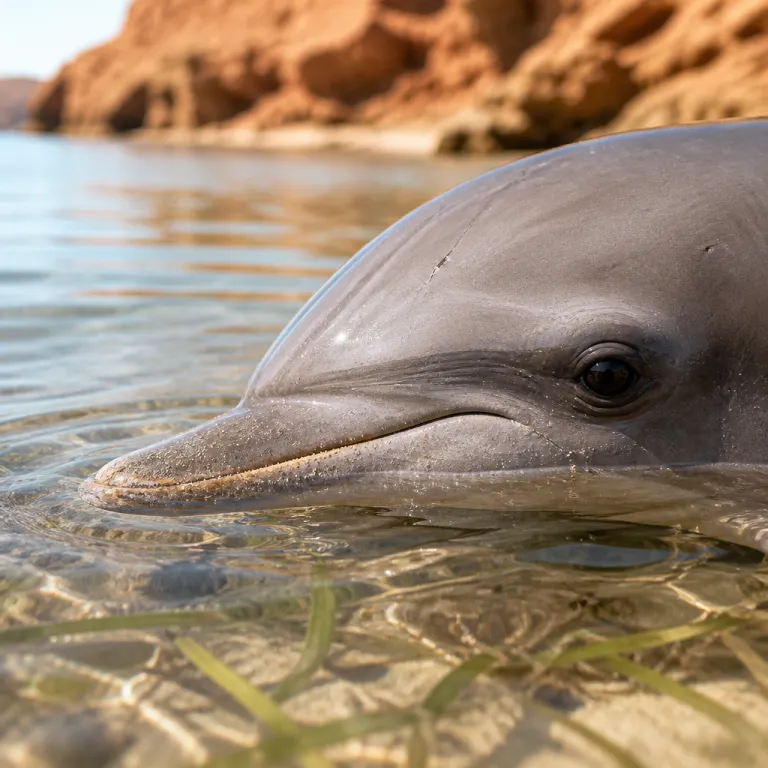
How to choose where to go to swim with dolphins responsibly
Choosing where to go to swim with dolphins starts with ethics, not scenery. You are entering the world of a highly intelligent marine mammal, so the operator’s standards for animal care, group size, and education matter more than glossy brochures. When you plan any dolphin swim, look for clear information about how trainers interact with each dolphin, how long each session lasts, and how the centre supports conservation.
Reputable operators explain that there are 42 recognised dolphin species worldwide, and they distinguish between coastal bottlenose dolphins and offshore species that should never be approached in the wrong conditions. According to the U.S. National Oceanic and Atmospheric Administration (NOAA, 2023) and analyses in the journal Marine Mammal Science (Wells & Scott, 2018), the average lifespan of bottlenose dolphins is about 40 years in healthy environments, which underlines why long term welfare must guide every dolphin encounter. When you evaluate options for swimming with dolphins, ask whether the facility collaborates with marine biologists, follows international guidelines for marine mammal handling, and limits the number of guests in the water at any one time.
From my field reporting, I recommend starting with operators that publish their welfare protocols and emergency procedures for any dolphin swim program. Dolphin Plus in Key Largo in the Florida Keys, for example, is known for structured educational briefings before guests swim with dolphins and for strict rules on what kind of physical contact is allowed. Dolphin Quest, which operates in Oahu, on the Island of Hawaii, and at select Pacific resorts, follows similar principles, using guided sessions to teach families and friends about marine ecosystems while still offering a thrilling swim with a dolphin in controlled conditions.
Florida and the Florida Keys: structured dolphin encounters for cautious adventurers
For many travellers, the first answer to where to go to swim with dolphins is Florida, because access is easy and standards are relatively transparent. Along the Atlantic coast and throughout the Florida Keys, you find a mix of natural lagoon settings and purpose built pools where guests can enter the water in small groups. When you compare dolphins in Florida facilities, focus on how trainers manage each dolphin encounter, how they rotate animals, and how they balance guest action with rest periods.
In Key Largo, Dolphin Plus offers carefully supervised dolphin swim sessions that suit both nervous beginners and confident swimmers. You enter the water from a stable platform, then trainers invite you to meet dolphins one by one, rather than rushing the group into chaotic swimming with multiple animals at once. This style of swimming with dolphins works well for a family that wants a calm, educational experience, but it also gives solo travellers time to observe each marine mammal up close.
Farther along the archipelago, Key West and other islands in the Florida Keys host centres that specialise in structured dolphin swim programs and open water viewing tours. Some excursions combine a morning of watching wild dolphins in Florida in their natural habitat with an afternoon snorkel over reefs, which appeals to travellers who enjoy multi activity trips that blend wildlife encounters with other outdoor pursuits. Whether you choose Key West, Key Largo, or another coastal town, insist on briefings that explain how to move in the water, how to respect each dolphin, and why sudden action or loud noise can stress these animals.
Caribbean islands: wild blue water and curated dolphin experiences
If you dream of turquoise water and palm fringed bays, the Caribbean offers some of the most photogenic places to swim with dolphins. Islands such as Jamaica, Grand Cayman, Isla Mujeres, and the region around Puerto Vallarta and Playa del Carmen combine warm seas with established marine centres. When you choose between these destinations, consider whether you prefer a controlled lagoon style dolphin encounter or a more open sea swimming with dolphins excursion that focuses on observation.
In Jamaica, facilities near Ocho Rios run dolphin swim programs where small groups enter shallow water to interact with trained bottlenose dolphins under close supervision. These sessions usually begin with a briefing about marine mammal behaviour, followed by gentle contact and short swims with a dolphin, which can be ideal for younger family members or hesitant swimmers. On Grand Cayman, by contrast, some operators emphasise snorkelling in deeper water, where you may meet dolphins that approach voluntarily while you float quietly above sandy seabeds.
Mexico’s Caribbean coast offers another cluster of options, especially around Playa del Carmen, Isla Mujeres, and the bays north of Puerto Vallarta on the Pacific side. Dolphin Discovery operates several centres here, combining educational talks with structured time in the water, and they often collaborate with local marine conservation groups to support research. If you enjoy varied coastal activities, you can pair a morning dolphin swim with an afternoon exploring nearby beaches, reefs, and low key coastal walks, which helps you design a balanced itinerary that alternates active marine adventures with slower seaside hours.
Designing an adventure and outdoors itinerary around dolphin swimming
Travellers who favour adventure and outdoors experiences often ask how to integrate a dolphin swim into a wider active holiday. The key is to treat each dolphin encounter as one element in a broader marine journey that might include snorkelling, scuba diving, kayaking, or coastal hiking. When you plan where to go to swim with dolphins, think about how the surrounding landscape, reefs, and beaches will support several days of meaningful exploration.
In the Florida Keys, for example, you can schedule a morning dolphin swim in Key Largo, then spend the afternoon paddling through mangroves or diving on shallow wrecks. Jamaica and Ocho Rios lend themselves to a similar pattern, where a structured session with dolphins is followed by rafting on jungle rivers or hiking to waterfalls, which keeps the overall trip firmly in the adventure and outdoors category. Around Puerto Vallarta and Playa del Carmen, many travellers combine a dolphin encounter with cenote swimming, stand up paddleboarding, or sailing along the coast to remote beach coves.
When you travel with friends, consider alternating high energy days of swimming with dolphins or surfing with quieter days focused on marine education, photography, or simply walking long stretches of beach at sunrise. Families often appreciate this rhythm, because younger travellers can enjoy the action of a dolphin swim one day and then rest while still engaging with the ocean environment the next. If you are passionate about food culture as well as wildlife, you might also weave in immersive culinary experiences that genuinely teach you about local communities, pairing coastal wildlife days with evenings in locally owned restaurants or markets.
Practical safety, ethics, and animal care when swimming with dolphins
Safety and ethics are inseparable when you decide where to go to swim with dolphins, because your wellbeing depends on the same careful protocols that protect the animals. Before you book, ask operators to explain how they train staff, what emergency equipment they keep on site, and how they monitor each marine mammal’s health. You should also confirm that life jackets, wetsuits, and snorkelling gear are included, and that briefings cover how to move calmly in the water with dolphins.
Responsible centres emphasise that dolphins are powerful wild animals, even when they are accustomed to human presence, and they set clear boundaries on what guests may do in the water. You might be allowed to hold a gentle position while a dolphin tows you slowly, but you should never chase or grab a dolphin, because this can cause stress or injury to both parties. When you hear staff say, “Is it safe to swim with dolphins? Yes, when conducted responsibly with trained professionals. Do I need prior experience to swim with dolphins? No, most programs accommodate beginners. Are dolphin swim programs ethical? Choose operators that prioritize animal welfare and conservation.”, you know they are aligning their message with current best practice and widely accepted marine mammal guidelines.
To make your choice more concrete, use a simple welfare checklist: look for third party accreditation or membership in recognised marine mammal associations, written limits on daily session numbers and group size, evidence of regular veterinary oversight, and enclosures or lagoon spaces large enough to allow natural behaviours such as socialising, resting, and play. Ethical operators also collaborate with marine conservation organisations, share data with researchers, and sometimes support rescue or rehabilitation work for injured dolphins. As a traveller, you reinforce good animal care by choosing these operators, following every guideline in the water, and teaching children and friends that real respect for dolphins means prioritising their long term welfare over any single dramatic photo.
How to compare global dolphin swim destinations and plan ahead
Once you understand the basics of ethical interaction, you can compare destinations more confidently and decide where to go to swim with dolphins based on your travel style. Florida and the Florida Keys suit travellers who want structured programs, easy access, and clear regulations, while islands such as Jamaica or Grand Cayman appeal to those who prefer a slower beach pace and classic Caribbean scenery. Mexico’s coasts around Playa del Carmen, Isla Mujeres, and Puerto Vallarta work well for travellers who like to combine a dolphin swim with cultural excursions, food markets, and archaeological sites.
Wherever you choose, booking in advance is essential, because responsible operators limit group sizes and often schedule dolphin swim sessions at specific times to protect the animals’ routine. In popular regions such as the Florida Keys or Mexico’s Riviera Maya, aim to reserve at least two to four weeks ahead in peak season, and check seasonal patterns too, because water temperature, sea conditions, and daylight hours can affect both your comfort and the dolphins’ behaviour, even in tropical regions. If you are travelling with a family or a group of friends, coordinate expectations early, deciding who wants to be in the water, who prefers to watch from the beach, and how you will share photos and memories afterwards.
Finally, treat every dolphin encounter as part of a longer relationship with the ocean, not a one time thrill. Support marine conservation projects in the regions you visit, stay informed about new research on dolphin cognition and communication, and share what you learn with other travellers who are curious about swimming with these remarkable animals. By doing so, you help ensure that future visitors can still meet dolphins in healthy seas, where each marine mammal has space to live a full, complex life.
Key figures and scientific insights about dolphins and marine travel
- There are 42 recognised dolphin species worldwide, according to the journal Marine Mammal Science and other peer reviewed syntheses (Jefferson et al., 2015), which means travellers may encounter very different animals depending on whether they visit coastal Florida, the Caribbean, or open ocean regions.
- The average lifespan of bottlenose dolphins is about 40 years in healthy conditions, based on NOAA Fisheries data and Marine Mammal Commission summaries (NOAA Fisheries, 2022; Marine Mammal Commission, 2021), so long term welfare policies at dolphin centres directly affect animals that may live for several decades.
- Many structured dolphin swim programs operate year round in subtropical destinations, but seasonal weather patterns such as hurricane periods in the Caribbean can reduce availability for several weeks each year.
- Global interest in marine wildlife tourism has risen steadily alongside eco tourism, which increases both funding opportunities for conservation and the need for strict guidelines to prevent overcrowding in sensitive habitats.
- Guided dolphin encounters typically limit group sizes to between 6 and 12 participants per session, a range that balances guest experience with the need to minimise stress for each marine mammal involved.
FAQ: planning a trip to swim with dolphins
Is it safe to swim with dolphins for beginners ?
Swimming with dolphins is considered safe when you join a program run by trained professionals who follow strict safety and welfare protocols. Reputable centres provide life jackets, clear briefings, and in water supervision, so you do not need to be an expert swimmer. Always disclose any medical conditions in advance and follow every instruction once you are in the water.
Do I need previous snorkelling or diving experience ?
Most dolphin swim programs are designed for complete beginners and take place in shallow water where you can stand or float easily. Operators usually offer optional snorkelling gear for guests who are comfortable putting their face in the water, but this is not mandatory. If you are nervous, choose a centre that offers small group sessions and extra time for orientation.
How can I tell if a dolphin encounter is ethical ?
Ethical operators are transparent about how they care for each marine mammal, how often animals interact with guests, and how they support conservation or research. Look for clear welfare policies, collaboration with marine scientists, and limits on daily session numbers. Avoid any facility that encourages rough physical contact, allows guests to ride dolphins aggressively, or cannot explain its animal care standards.
Is it better to meet dolphins in the wild or in managed settings ?
Both options can be positive when managed responsibly, but they offer different experiences and risks. Wild encounters, such as boat based viewing near coastal pods, keep dolphins in their natural habitat but require strict distance rules and may not guarantee sightings. Managed lagoon or pool settings provide more predictable interactions and educational content, though you must verify that enclosures are spacious and that each dolphin’s physical and psychological needs are met.
When should I book my dolphin swim during a trip ?
It is wise to schedule your dolphin encounter early in your stay, ideally on the second day, so you have time to reschedule if weather or sea conditions change. Booking in advance secures a place in smaller, more intimate groups, especially during school holidays or peak travel seasons. Plan lighter activities for the rest of that day, because the emotional impact of meeting dolphins can be intense, especially for children.