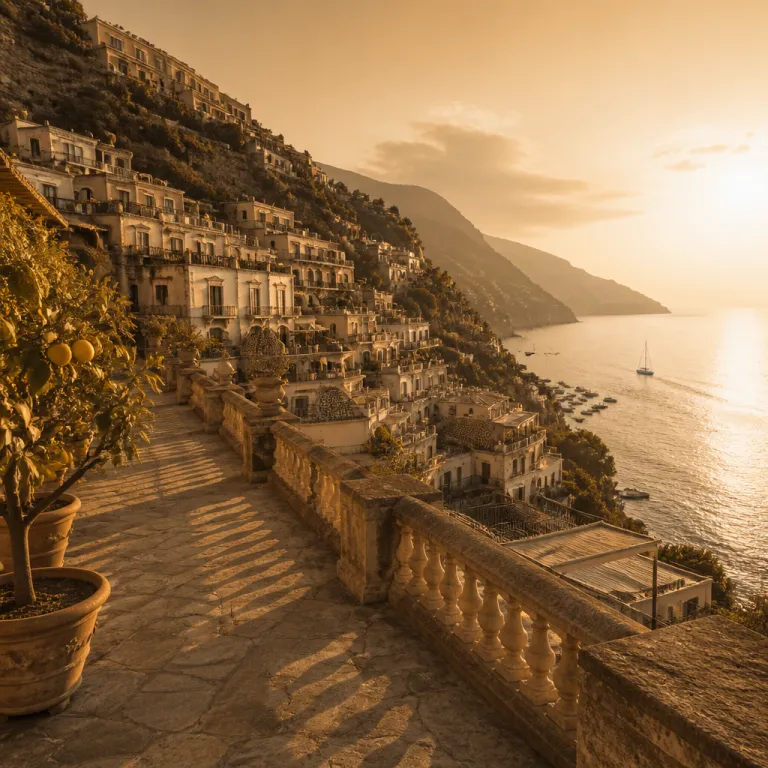
Choosing where to go in Europe in July for your style of summer
When you ask where to go in Europe in July, start with your travel style, budget, and tolerance for heat. July is peak summer across the continent, so the best places depend on whether you prefer a lively capital, a breezy beach, or a quiet mountain base with fewer crowds. Think carefully about how many days you have, whether you want one hub for day trips or a multi city itinerary, and how much time you are happy to spend in the sun versus cool, shaded spaces.
Southern Europe in July offers classic beach holidays, with long days, warm seas, and vibrant nightlife in every coastal city. Average daytime temperatures reach about 30 °C in Rome and often higher in inland areas, according to long term records from Italian national climate reports such as Meteoam and Meteo.it, so this is the best time for slow mornings, shaded cafés, and late evening walks with unforgettable views. If you travel Europe for culture, you can still visit major places such as Rome, Barcelona, and Lisbon, but plan your day around early sightseeing, a long afternoon break in your hotel or a cool museum, and pre booked tickets for the most popular attractions.
Northern and Atlantic Europe give a softer version of European summer, with milder temperatures and more comfortable walking conditions. London averages around 24 °C in July, while Edinburgh stays closer to 19 °C, based on climate data from the UK Met Office and other long term weather summaries, which makes these cities ideal if you want to stay active all day without the intense heat of a southern beach. When you compare where to stay between north and south, remember that June, July, and August are the brightest months for light and festivals everywhere, but June to September in the north can feel like one long, gentle summer trip with cooler evenings and easier sleep.
Coastal escapes and islands for a refined European summer by the sea
If your idea of where to go in Europe in July involves the sea, focus on islands and coastal places that balance charm with access. The beaches of the Greek islands, the Dalmatian coast around Dubrovnik, and the Algarve in Portugal all offer clear water, dramatic views, and excellent seafood within a short walk of your hotel. These are some of the best places in Europe July for a classic summer trip, but you need to book early, avoid peak weekend arrivals when possible, and stay flexible with your days to manage both budget and crowds.
On the Greek islands such as Rhodes or Crete, you can rent a car for a day trip to quieter beaches and small villages, then return to the main town for dinner. This approach lets you enjoy the top things to see while still finding fewer crowds on remote coves and coastal hiking trails above the sea. When you plan where to stay, look for a city or harbour village that offers easy access to buses or ferries, so you can take several day trips without needing to drive every day or pay for expensive taxis; in many islands, a compact rental car for a day costs roughly €40–€60 in July if booked ahead.
The Croatian coast around Dubrovnik and the islands of Hvar and Korčula is ideal if you want both history and beaches in one trip. Spend one day exploring medieval streets and city walls, then another day sailing to nearby islands with quiet beaches and relaxed waterfront cafés. One traveler described a July afternoon here as “swimming in bath warm water under stone fortresses,” which captures how close culture and coastline sit together. If you are already thinking about meaningful seasonal escapes, you can also look ahead to a more reflective holiday using ideas from this guide to inspired escapes for a meaningful holiday trip, which pairs well with a lively European summer by the sea.
Cooler cities and mountains for culture, hiking trails, and fewer crowds
Travelers who prefer cooler air often ask where to go in Europe in July that still feels like summer without the heat. In that case, look north to cities such as Edinburgh, Amsterdam, and Reykjavik, or inland to alpine regions around Interlaken and the Dolomites, where evenings stay fresh and hiking trails remain green. These places in Europe are excellent if you want to stay active all day, enjoy long views, and still feel the festive energy of a European summer with outdoor concerts, food markets, and late sunsets.
Interlaken in Switzerland works beautifully as a base for day trips into the Jungfrau region, where you can ride mountain trains, walk easy hiking trails, and admire lakeside views in a single day. You can rent a car if you prefer flexibility, but rail passes often suit a stay on a moderate budget, especially if you plan several days of mountain travel. From June to September, this region offers some of the best months for alpine scenery, and July and August bring the most reliable conditions for high level walks and panoramic viewpoints, with many cable cars and mountain huts fully open.
For a more urban summer trip with cooler air, consider Amsterdam, Copenhagen, or Edinburgh, where you can walk or cycle between museums, parks, and waterfront districts. These cities offer excellent public transport, so you can stay budget conscious without needing to rent a car, and still enjoy easy day trips to nearby beaches or countryside. A traveler who spent a July week in Amsterdam described a favourite day as “cycling along canals at 9 p.m. in soft light, then eating fries on a bridge while boats drifted past,” which shows how different the same places can feel outside the height of Europe July.
Iconic cities in high season and how to make them work for you
Some travelers feel that where to go in Europe in July must include at least one iconic city such as Paris, Rome, London, or Barcelona. These cities are among the best places to visit at any time, and July brings long evenings, outdoor events, and a strong sense of European summer in every neighbourhood. The trade off is that you will face more crowds, higher hotel prices, and a need to plan your days carefully to protect both your time and your budget, especially around busy dates such as the first two weekends of school holidays.
In Rome, where average July temperatures reach around 30 °C, plan your main sightseeing early in the day, then retreat to shaded cafés or your hotel during the hottest hours. London and Paris feel more temperate, with comfortable days for walking between museums, parks, and riverside paths, which makes them ideal for first time travel Europe itineraries. To keep your stay budget under control, book your hotel near a central transport line rather than directly beside the main sights, and use public transport for day trips to nearby palaces, gardens, or coastal towns.
Barcelona, Lisbon, and Budapest combine city energy with easy access to water, whether that means urban beaches, riverside baths, or short rail rides to coastal resorts. Spend one day exploring historic districts and major museums, then another day on the beach or by the river, so your trip alternates between culture and rest. If you are planning a special celebration during European summer, you can find refined ideas for an unforgettable getaway in this guide to where to go for a birthday trip that truly feels unforgettable, which pairs well with a carefully planned Europe July itinerary.
Nature, national parks, and active summer trips away from the crowds
When you think about where to go in Europe in July beyond the classic city and beach combination, national parks and rural regions offer a calmer alternative. Places such as Triglav National Park in Slovenia, the High Tatras in Slovakia, and the Norwegian fjords provide dramatic views, cool air, and extensive hiking trails with far fewer crowds than coastal resorts. These areas are ideal if you want a summer trip focused on nature, photography, and quiet evenings rather than nightlife.
Triglav National Park works well for travelers who like flexible day trips, because you can stay in Ljubljana or Lake Bled and reach mountain valleys, lakes, and viewpoints within a short drive. Renting a car gives you freedom to adjust your day according to weather, but local buses also connect many trailheads, which helps if you want to stay budget conscious. Plan at least three or four days in the region, so you can mix one longer day hike with shorter walks, lake swims, and relaxed afternoons in small towns.
In Scandinavia and the Scottish Highlands, July and the surrounding months June and September bring long daylight hours and relatively stable weather for hiking and scenic drives. You can base yourself in a small city such as Bergen or Inverness, then take day trips to fjords, glens, and coastal viewpoints, returning each night to a comfortable hotel. One hiker described a July evening in the Highlands as “standing on a ridge at 10 p.m. with pink light on the lochs and only sheep for company,” which shows a different side of Europe July, where the best months for nature do not always mean the hottest temperatures, but rather the most balanced combination of light, access, and peaceful landscapes.
Practical planning tips for Europe July: timing, budget, and smart stays
Once you have chosen where to go in Europe in July, practical planning will shape how enjoyable your trip feels on the ground. July sits at the heart of the months June to August, which are the best months for warm weather but also the busiest for flights, hotels, and major attractions. To protect your budget and your time, book key elements early, avoid peak Friday and Sunday travel when possible, and consider staying slightly outside the most famous city centres while relying on fast public transport.
For accommodation, think strategically about where to stay so that you balance price, comfort, and access to transport. A well located hotel near a main train or metro line often offers better value than a room directly beside a landmark, especially if you plan several day trips. If you want to stay budget conscious, look for flexible cancellation policies, compare prices across different days, and consider splitting your stay between a central city base and a quieter area for the final days of your trip.
When planning activities, identify the top things you truly care about in each place, then build your days around those priorities rather than trying to see everything. Use early mornings and late evenings for outdoor sights and city walks, keeping indoor visits for the hottest part of the day, especially in southern Europe summer destinations. Remember simple but essential advice for this season: book accommodations early, stay hydrated, and be prepared for crowds, which applies across all places in Europe during the height of European summer and helps you enjoy the long days rather than feel overwhelmed by them.
Key statistics for July travel in Europe
- Average daytime temperatures in Rome reach about 30 °C in July, based on historical weather data from Italian climate reports and national meteorological summaries, which makes midday sightseeing challenging without breaks in shade or air conditioned spaces.
- London averages around 24 °C in July according to long term climate records from the UK Met Office and similar weather datasets, offering comfortable conditions for full day city walks and outdoor events compared with hotter southern capitals.
- Edinburgh stays cooler at roughly 19 °C in July on average, which appeals to travelers who want a European summer experience with easier hiking and less intense heat, especially on hilly streets and open viewpoints.
- July spans from the 1st to the 31st and sits at the centre of the main European summer period, which typically runs from June to September in most travel guides and tourism reports.
FAQ about where to go in Europe in July
What are the best European cities to visit in July ?
Some of the best cities to visit in July include Rome, London, Edinburgh, Amsterdam, Dubrovnik, Rhodes, Interlaken, Barcelona, Ljubljana, Budapest, Lisbon, Reykjavik, Crete, and Paris. These cities combine cultural sights, pleasant evening temperatures, and strong transport links for easy day trips. Your choice should reflect whether you prefer intense heat, milder weather, or access to nearby beaches and mountains.
Is July a good time to visit Europe ?
Yes, July is a very good time to visit Europe if you enjoy warm weather, long daylight hours, and a full calendar of festivals and outdoor events. The trade off is that you will encounter larger crowds, higher prices, and the need to reserve hotels and key attractions well in advance. Travelers who prefer quieter streets may want to focus on northern regions, mountain areas, or smaller cities to find fewer crowds.
How should I plan my budget for a Europe July trip ?
For a July trip, expect higher costs for flights and accommodation, especially in major capitals and famous beach resorts. To manage your budget, book early, travel midweek when possible, and consider staying slightly outside the most central districts while using public transport for easy access. Splitting your stay between a major city and a smaller town can also reduce costs while adding variety to your itinerary.
What should I pack for Europe in July ?
Pack light clothing, sunscreen, comfortable walking shoes, and a reusable water bottle for July travel across Europe. You should also bring a light jacket or layer for cooler evenings in northern regions or mountain areas, plus a hat and sunglasses for strong midday sun. A compact day bag helps you carry water, snacks, and a small cover up when moving between hot streets, cool museums, and breezy coastal viewpoints.
How can I avoid the worst crowds during European summer ?
To avoid the heaviest crowds, start your sightseeing early in the morning, book timed entry tickets where possible, and visit the most famous landmarks on weekdays rather than weekends. Consider focusing on second tier cities, rural regions, or national parks, where July still feels lively but less congested than the biggest capitals. Planning longer stays in fewer places also reduces time lost in transit and lets you enjoy quieter neighbourhoods and local routines.