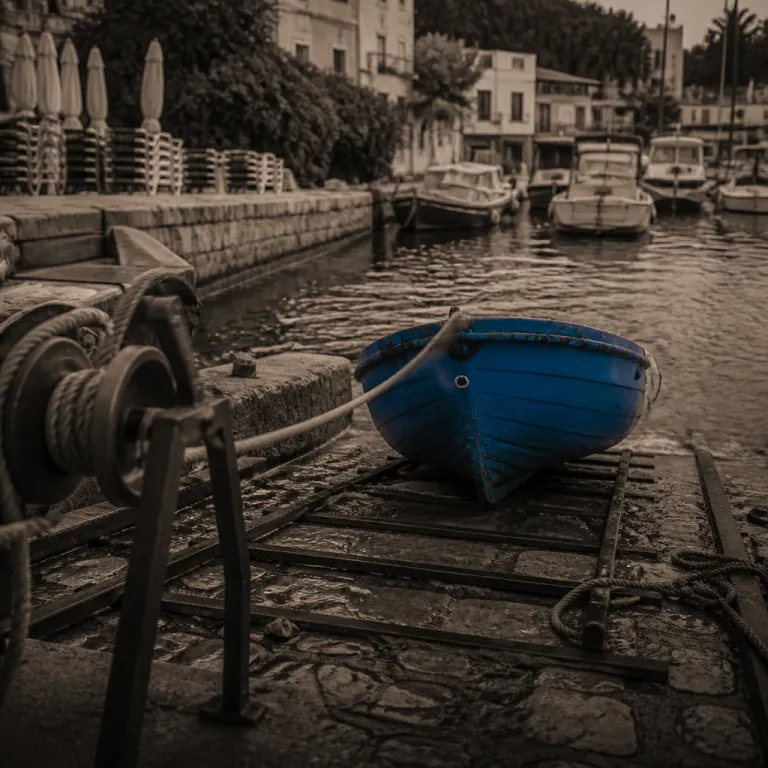
Why a Mallorca September travel guide changes the island you meet
Mallorca in September feels like the same island with the volume turned down. After the busiest summer months, flight and hotel prices across Europe often fall by roughly 15 to 35 percent, and that shift is very visible in Palma de Mallorca and along the coast of Mallorca. You suddenly have time to linger on a quiet beach, talk to staff in a small restaurant, and actually hear the waves instead of the thump of poolside speakers.
This Mallorca September travel guide starts in Palma, because the capital sets the tone for the rest of the island. In the old town you can walk from the cathedral to Santa Catalina without the cruise ship crush, then take time to sit at a terrace with a glass of local wine and watch how the light softens over the sandstone facades. The city beaches near Palma Mallorca are still busy on weekends, yet in September Mallorca finally feels like it belongs to residents again, and visitors who match their slower rhythm are welcomed into that quieter place.
Out on the coast Mallorca shows its second personality, especially around each sheltered cala. A Mallorca cala that felt frantic in August becomes a cove where you can actually swim across the bay and notice how crystal clear the water remains well into late September. This is the time when a Mallorca September travel guide matters most, because the island is no longer selling a single high summer fantasy, and you can choose between town evenings in Palma, mountain air in the Serra de Tramuntana, or long afternoons on almost empty beaches.
Beaches, calas and water that finally match the postcards
On the west coast near Sóller and Deià, the sea keeps its summer warmth while the crowds thin, and that balance defines any serious Mallorca September travel guide. Cala Deià, framed by the Tramuntana mountains, is still a stony beach, yet in September you can usually find a flat rock for your towel and time to swim without dodging inflatable toys. The fishermen houses around the cove feel like part of a working coastline again, not just a backdrop for day trippers.
Farther along the coast of Mallorca, the south and southeast concentrate some of the island’s most beautiful calas. Caló des Moro, Cala s’Almunia and Cala Llombards all share the same crystal clear water, but in September Mallorca finally gives you space to appreciate the cliffs, the pine trees and the way the light hits the sand at different times of day. You still need to arrive early at each cala in singular or explore several calas in plural, yet the pressure eases, and you can swim long laps or snorkel along the rocks without feeling like you are in a theme park.
For swimmers who plan trips around the quality of the water, this is the moment when a shoulder season strategy pays off, and guides to refined places to go swimming in lakes, rivers and coastal waters confirm that pattern across the Mediterranean. Around Ses Salines, small beaches and low dunes replace cliffs, and the sea often feels like a warm pool until late in the month. A good Mallorca September travel guide will nudge you beyond the most famous beach names, because the island’s quieter coves reward anyone willing to walk ten extra minutes along the coast.
Mountains, villages and evenings that belong to locals again
The Serra de Tramuntana is the spine that makes this island more than a beach destination, and September is when its trails become truly inviting. In the high summer months, many classic routes in the Tramuntana mountains feel punishing by late morning, while in September Mallorca offers cooler air, clearer views and longer hiking windows. Paths above Port de Sóller, between Sóller town and Fornalutx, or around the reservoirs beneath Puig Major all reveal views that stretch from mountain ridges to the sea.
Port Sóller itself changes character once the last charter flights thin out, and any honest Mallorca September travel guide should say so. The tram still rattles between town and port, yet you can usually find a table at a waterfront restaurant without booking days ahead, and the small beach feels more relaxed at sunset. Up in Deià, evenings revolve around galleries, a handful of intimate bars and the literary heritage of the village, and September is the time when you can actually talk to owners about the books on their shelves rather than queue for a selfie.
Elsewhere on the west coast, small places like Banyalbufar and Estellencs sit between mountain and sea, and their terraces offer some of the most beautiful views on the island. A glass of Mallorcan wine at dusk in these villages says more about the island than any crowded viewpoint at Cap Formentor, although that dramatic headland is also calmer in September. If you are curious about how other Mediterranean coasts feel outside peak season, thoughtful reports on the quieter stretches of the Albanian Riviera show the same pattern, and they reinforce the case for planning shoulder season trips with intention rather than by default.
Routes, timing and a broader strategy for shoulder season travel
Planning around September Mallorca rather than July Mallorca is less about sacrifice and more about choosing a different rhythm. Book flights and a first hotel in Palma or Sóller three to four months ahead for the best balance of price and choice, then leave some nights open to follow the weather along the coast of Mallorca. This is the time when you can decide on a whim to stay longer near Cala Figuera, add a night close to Ses Salines for a last swim, or detour inland to a quiet town framed by almond groves.
For a compact loop that captures the island’s range, start in Palma Mallorca, move up to Sóller and Port Sóller for mountain and sea, then cross to the northeast for the cliffs around Cap Formentor before dropping south toward Caló des Moro and Cala s’Almunia. Along the way, choose one base near a mountain village in the Tramuntana mountains and another near a less famous Mallorca cala, so you experience both beaches and rural evenings. When you compare this to a high summer itinerary, you will notice how much more time you spend actually walking, swimming and talking, rather than queueing, parking and searching for space.
Thinking this way turns a Mallorca September travel guide into a template for the rest of your Mediterranean trips, from the Balearic Islands to quieter coasts beyond. Once you have seen how the island breathes after the charter flights thin out, it becomes easier to seek out other shoulder season destinations that reward patience and timing, and curated ideas for where to travel after conquering a famous game world can even inspire real world routes. In the end, September in Mallorca is not the consolation prize after summer, it is the version of the island that many residents quietly prefer, and the one that lets you walk behind the postcard instead of just photographing it.
FAQ
Is September a good time to visit Mallorca for swimming and beaches ?
September is one of the best months to visit Mallorca if you care about swimming and beaches. Sea temperatures stay warm from the summer months, and the water around calas such as Cala Deià, Caló des Moro and Cala Llombards often feels like a pool. With fewer visitors on the island, you usually find more space on the sand and in the water, especially on weekdays.
How is the weather in Mallorca in September ?
The weather in Mallorca in September is typically warm but more comfortable than in high summer. Daytime temperatures often sit in the mid twenties Celsius, with cooler evenings that suit outdoor dinners in town squares or at a port restaurant. Occasional short storms can appear later in the month, yet clear days remain the norm, especially along the west coast and in the Serra de Tramuntana.
Where should I stay in September for fewer crowds but good access ?
For a balance of access and calm, consider staying in Sóller town or Port Sóller, which offer both mountain trails and a small beach. Palma Mallorca works well for a first or last night, giving you restaurants, culture and easy transport without the peak season crush. On the coast of Mallorca, smaller places near Cala Figuera or Ses Salines provide quieter bases with beautiful views and relatively short drives to several calas.
Do I need to book restaurants and activities in advance in September ?
September is less crowded than August, but advance planning still helps for popular restaurants in Palma, Deià and Port Sóller, especially on weekends. For beach days at famous calas such as Caló des Moro or Cala s’Almunia, it is wise to arrive early rather than rely on reservations, because access and parking can still be limited. Guided hikes in the Tramuntana mountains and boat trips from ports along the coast of Mallorca also benefit from booking a few days ahead.
Is renting a car necessary for a September trip to Mallorca ?
Renting a car is not strictly necessary, yet it gives you far more flexibility to reach smaller beaches, mountain villages and viewpoints like Cap Formentor. Public transport connects Palma with major towns such as Sóller and Port Sóller, but services to remote calas and rural areas are limited, especially outside the core summer months. A car lets you adapt each day to the weather and your energy, which is central to making the most of a Mallorca September travel guide.