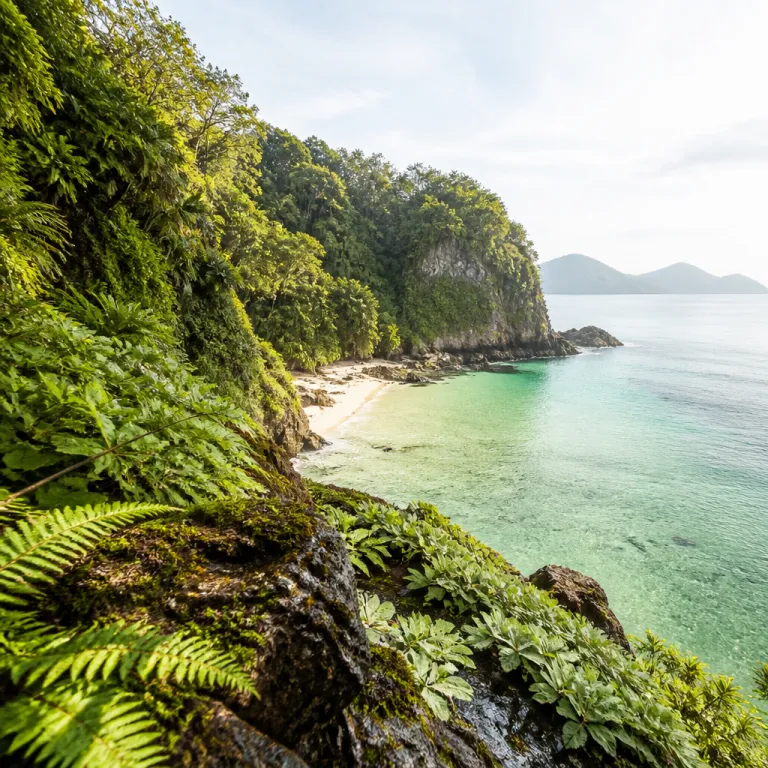
Lofoten, Norway: arctic light and long golden hours
The Lofoten archipelago is an island chain where light behaves differently. For a photography focused trip, this is one of the best islands to visit because the midnight sun stretches golden hour into an unusually long, summer glow. North of the Arctic Circle, Lofoten experiences continuous daylight roughly from late May to mid-July, with the sun skimming the horizon for hours and creating low angled light that turns every typical fishing village, every black granite peak, and every curve of beach into a stage for slow, deliberate travel and image making.
Start in Reine or Hamnøy, where red rorbuer cabins sit on stilts above crystal clear water and give you an instant wow foreground against jagged islands. A 16–35 millimetre wide angle lens lets you frame cabins, peaks, and reflections in one shot, while a sturdy tripod supports long exposures during blue hour when the sun barely dips. For hiking enthusiasts, short hiking trails like Reinebringen reward you with top down views of sand beaches, fishing boats, and scattered islands that justify the effort of the climb and help you understand why Lofoten appears in so many midnight sun photography guides.
Winter brings black sand beaches dusted with snow, while the warmer season offers softer conditions for coastal hikes and whale watching excursions in nearby fjords. Photographers planning multiple trips often time one visit for aurora and another for the midnight sun, treating each island stay as a different chapter in a long term travel guide to northern light. Whether you join guided activities with local tour guides or travel solo, this is an island where every year feels different, and where the same beaches and villages keep generating new compositions under changing weather and daylight hours.
Crete and the quiet greek islands: history, gorges, and coastal light
Crete is the largest greek island and a powerful counterpoint to the smaller islands that dominate social media. For photographers seeking the best islands to visit in Europe, Crete offers a rare mix of archaeological sites, mountain hiking, and luminous beaches that work across almost every season. Recent recognition of Minoan palaces by heritage organisations such as UNESCO and national archaeological services adds narrative depth to any trip, turning a simple travel day into a visual story about layers of civilisation on a single island.
Balos and Elafonissi rank among the best places for sand beaches in the Mediterranean, with shallow, crystal clear lagoons that reflect pastel skies at sunrise and sunset. Midday light can be harsh in this part of Europe, so plan your beach activities early or late, then move inland for hiking through the Samaria Gorge where high walls filter the sun into soft stripes. A standard 24–70 millimetre lens covers wide canyon scenes, portraits of typical shepherd life, and compressed views of switchback hiking trails that snake down to the sea, while a polariser helps tame glare on rock and water.
When you want quieter scenes, hop to lesser known greek islands that still feel like home rather than a theme park. Islands such as Naxos or Amorgos offer black rock coastlines, small sand beaches, and villages where you can work slowly with changing light and fewer crowds. For deeper planning on where to go in Greece beyond the usual list, use a dedicated travel guide such as this resource on Greek islands that still feel authentic, then build trips that balance coastal photography with cultural activities and inland hikes.
Azores and Faroe Islands: moody atlantic weather and dramatic relief
The Azores and the Faroe Islands sit in the North Atlantic, where weather changes fast and rewards patient travel photographers. São Miguel in the Azores is a volcanic island of crater lakes, hydrangea lined roads, and shifting clouds that repaint the same view every hour. For many image makers, this is one of the best islands to visit when you want drama rather than postcard perfection, with frequent low clouds, rainbows, and shafts of light breaking through storm systems.
Sete Cidades on São Miguel offers twin lakes, forested rims, and viewpoints where you can frame roads, villages, and water in a single composition. Bring rain protection for your camera, because showers move quickly and often leave crystal clear air that sharpens colours and contrast. Hiking trails around the calderas give you top down views of fields and coastlines, while coastal cliffs provide platforms for whale watching tours that double as chances to photograph both wildlife and the islands themselves from the sea, especially during the main whale season from spring to early autumn.
The Faroe Islands feel wilder, with steep green slopes dropping into black water and villages clinging to narrow shelves of land. This is a place where a single trip can yield images of sea stacks, turf roof houses, and sand beaches that appear only at low tide, all under rapidly changing skies. For photographers planning year round projects, the shoulder season brings softer light, fewer visitors, and a sense that each island is performing just for you, especially when you work with local guides who know how to time hikes, boat activities, and road trips around the weather and short daylight hours in winter.
Tropical islands for colour, culture, and underwater photography
Not every photographer is drawn to cold water islands, and tropical islands offer a different palette entirely. When you think about the best islands to visit for colour and warmth, places like Sri Lanka, Costa Rica, Zanzibar, and Raja Ampat quickly rise to the top of any serious list. Each island or archipelago offers its own mix of beaches, forests, and underwater worlds that can fill multiple trips with fresh material and varied light.
Sri Lanka is not a single island cliché but a complex country island with tea highlands, palm fringed sand beaches, and train journeys that feel made for slow travel photography. On the south and east coasts, you can work with early morning light on empty beaches, then move inland for hiking through tea estates where mist and backlit leaves create layered compositions. Costa Rica, while not an island nation, includes tropical islands such as Isla del Caño and Tortuga Island that are ideal for snorkeling diving, scuba diving, and boat based wildlife activities that complement rainforest hiking and cloud forest bird photography.
For underwater specialists, Raja Ampat in Indonesia is often considered one of the best places on earth for coral reef photography. Located within the Coral Triangle, a marine region documented by conservation organisations as holding more than 500 species of reef-building corals and over 2,000 reef fish species, it offers exceptional biodiversity for wide angle reef scenes and macro work. Here, a single tropical island can offer mangroves, karst cliffs, and sand beaches within a short boat ride, while crystal clear water hosts reef scenes that reward both wide angle and macro lenses. Zanzibar, off the coast of Tanzania, adds cultural depth with Stone Town’s carved doors, black and white alley shadows, and dhow sails at sunset, making it a tropical islands hub where you can move from street scenes to beach silhouettes in a single day.
Caribbean and central american gems: San Juan, spring break, and beyond
The Caribbean and nearby regions offer islands that many travellers first meet during a spring break trip, but photographers can approach them with a more intentional eye. San Juan in Puerto Rico is a strong base, with its walled old town, colourful facades, and easy access to nearby islands and sand beaches. From here, you can plan short trips to smaller islands where crystal clear water, palm lined beaches, and typical Caribbean villages provide varied subjects in a compact area and make it easy to build a focused island photography itinerary.
Old San Juan itself rewards early starts, when streets are quiet and low sun grazes pastel walls, casting black shadows that emphasise texture. A 24–70 millimetre lens covers most needs, from architectural details to wider plazas, while a lightweight tripod helps with blue hour scenes along the fortifications. Many photographers combine city days with boat activities such as snorkeling diving excursions, which offer chances to photograph both underwater life and the islands from offshore, especially during the calmer season outside the peak storm months when visibility and sea conditions are more predictable.
Further south and west, islands off the coasts of Central America and Mexico provide alternatives to the typical resort focused spring break. Look for places where local travel guides emphasise community run activities, such as small group whale watching, mangrove kayaking, or guided hiking on forested hills. When you plan your year around work, aim for the shoulder season, when light is softer, crowds are thinner, and you can move through beaches and towns at a pace that suits thoughtful photography rather than quick checklist trips, while still enjoying warm water and long days.
Tasmania and year round gear choices: practical guide for island photographers
Tasmania, south of mainland Australia, is an island that many European and North American photographers overlook when compiling their best islands to visit list. The island rewards those willing to travel further with low angled winter light, rugged hiking trails, and wildlife that feels almost prehistoric. Places like Cradle Mountain and the Bay of Fires offer reflections, orange lichen covered granite, and sand beaches that glow under soft Southern Hemisphere sun, especially during the cooler months when the sun stays lower in the sky.
For a photography focused trip, think of Tasmania as a year round classroom where you refine both technique and gear choices. A one lens philosophy built around a 24–70 millimetre zoom keeps your kit light for long hiking days, while a compact tripod and rain cover protect your camera during sudden showers. Drone photography is increasingly common here and on other islands, but always check local regulations and respect wildlife, especially in sensitive nesting areas along beaches and cliffs where disturbance can have long term effects.
Across all these islands, from São Miguel to the Faroe Islands and from Sri Lanka to Costa Rica, the same core travel principles apply. Research weather carefully for each season, pack light, and respect local customs, especially when photographing people or sacred sites. When you publish your work, use descriptive image alt text such as “Lofoten fishing village under midnight sun” or “Raja Ampat coral reef and tropical island” so your online galleries and travel guides remain accessible and easier to discover, and consider grouping images into themed collections such as black sand beaches, whale watching routes, or underwater photography tips.
Mirrorless, smartphone, and planning your next wow island trip
Light and landscape matter more than gear, but your equipment still shapes how you work on each island. Modern smartphones now handle many typical travel scenes with ease, especially wide views of beaches, towns, and casual activities during a family trip. Mirrorless cameras, however, still excel when you need clean files in low light, fast autofocus for whale watching or wildlife, and flexibility for both scuba diving housings and long hiking days where battery life and weather sealing become important.
When you plan multiple trips across different islands in a single year, think in terms of complementary portfolios rather than isolated holidays. One trip might focus on black sand beaches and volcanic relief in the Azores, another on tropical islands and underwater life in Raja Ampat, and a third on cultural street scenes in San Juan or Stone Town. Over time, your personal list of the best islands to visit becomes less about rankings and more about how each island’s light, season, and access to hiking trails, sand beaches, and water based activities supports the stories you want to tell and the skills you want to refine.
To keep planning and packing simple, use a concise island photography checklist: carry a mirrorless camera or capable smartphone, a 24–70 millimetre lens plus optional wide angle zoom, a lightweight tripod, dry bags or rain covers for boat activities, and an underwater housing or action camera if you plan snorkeling diving or scuba diving. For drone photography, check each island’s regulations in advance, and for broader seasonal inspiration beyond islands, explore a guide to refined Christmas vacation ideas so you can map out a year round calendar of trips. In the end, the best island photographs rarely come from the busiest beaches or the top ranked viewpoints, but from the quiet walks behind them where you slow down, watch the light, and let the island set the pace.
Key figures for island photography travel
- There are tens of thousands of named islands worldwide according to global geography references, which means even a lifetime of trips will only touch a fraction of the potential subjects.
- Lofoten’s midnight sun period, typically from late May to mid-July, creates exceptionally long stretches of usable golden hour style light in summer, greatly increasing the window for landscape photography compared with typical mid latitude destinations.
- Many North Atlantic islands, including the Azores and the Faroe Islands, experience weather changes on a scale of minutes rather than hours, so photographers often capture several distinct light conditions during a single hiking session.
- Destinations such as Raja Ampat sit within the Coral Triangle, a region widely recognised by marine biologists for extremely high marine biodiversity, with more than 500 coral species recorded, making it one of the best places for combined snorkeling diving and scuba diving photography trips.
- Tourism boards and local guides on islands increasingly promote small group activities and workshops, reflecting a global trend toward more intentional, photography oriented travel experiences.
Frequently asked questions about the best islands to visit for photography
What are the best islands to visit for photography if I am just starting out ?
If you are at the start of your photography journey, choose islands with easy access, varied subjects, and reliable infrastructure. Places like Crete, São Miguel in the Azores, and San Juan in Puerto Rico combine beaches, towns, and short hiking trails, so you can practice different techniques without long transfers. These islands also offer local tour guides and workshops that help you learn quickly while keeping the trip relaxed and focused on building confidence.
When is the best season to plan an island photography trip ?
The best season depends on your priorities, but the shoulder season often offers the most balanced conditions. During these months, light is softer, crowds are smaller, and prices are usually lower than peak season, which helps both your images and your budget. For tropical islands such as Sri Lanka or Costa Rica, research local monsoon patterns and trade wind seasons, while for northern islands like Lofoten or the Faroe Islands, decide whether you prefer midnight sun, autumn colour, or winter storms and aurora.
What equipment is recommended for island photography travel ?
A versatile setup for most islands includes a mirrorless camera or capable smartphone, a 24–70 millimetre lens, and a lightweight tripod. If you plan scuba diving or snorkeling diving, add an underwater housing or action camera, and always pack dry bags or rain covers for boat activities. For drone photography, check each island’s regulations in advance, as many protected areas and whale watching zones have strict rules to protect wildlife and limit noise.
How can I balance photography with other activities during an island trip ?
Start by planning your key shoots around sunrise and sunset, then leave the middle of the day for swimming, cultural visits, or simple rest on the beach. This rhythm works well on both tropical islands and cooler destinations, and it keeps your energy focused on the best light. Many travellers find that combining guided activities, such as hiking or boat tours, with unstructured wandering in towns or along beaches yields a healthy mix of strong images and genuine relaxation.
Are guided photography trips to islands worth the cost ?
Guided photography trips can be valuable, especially on complex islands such as Raja Ampat or remote parts of the Faroe Islands where logistics and safety are more demanding. Local guides know the best places for specific conditions, from black sand beaches at low tide to whale watching routes with consistent sightings. If you prefer more independence, consider a hybrid approach where you join a guide for one or two key days, then spend the rest of the trip exploring at your own pace and revisiting locations in different light.