1. Lima and the Pacific coast: where to start your journey in Peru
Lima is the natural starting point when you ask yourself where to go in Peru for a balanced first itinerary. The capital city combines world class gastronomy, layered colonial and pre-Inca history, and an oceanfront setting that eases you gently into South America before you climb towards the Andes. Plan at least two or three days to visit Lima properly, adjust to the local rhythm, and recover from long-haul flights.
Begin in the historic centre, a UNESCO World Heritage listed area where the Plaza de Armas concentrates political power, religious monuments, and elegant arcades. From this central plaza you can walk to several museums that explain how ancient cultures flourished long before the Inca empire unified much of what is now modern Peru. Use this first stop to understand how Lima connects coastal cultures with highland cities such as Cusco and Arequipa, and how trade routes once linked the Pacific to the interior.
In Miraflores and Barranco you feel a different side of the city, shaped by surfers, artists, and chefs. Stroll the clifftop Malecón at sunset, then explore the many things Lima offers food lovers, from ceviche at traditional huariques to refined tasting menus that often require reservations weeks ahead. These neighbourhoods are also practical bases for any day trip along the coast, including excursions towards Paracas National Reserve or short flights over the Nazca Lines from nearby airfields such as Pisco, which you can reach in about three and a half hours by bus.
For travellers comparing where to go in Peru with other Andean nations, Lima’s culinary scene is a decisive factor. You taste influences from the Amazon, the highlands, and the Pacific in a single meal, which makes the city an ideal place to plan the rest of your route and budget. If you are designing a broader South America itinerary that includes vibrant metropolises, you might also look at this guide to where to go in Colombia for cities and coasts as a useful comparison.
2. Cusco, Sacred Valley and Machu Picchu: the Inca heartland
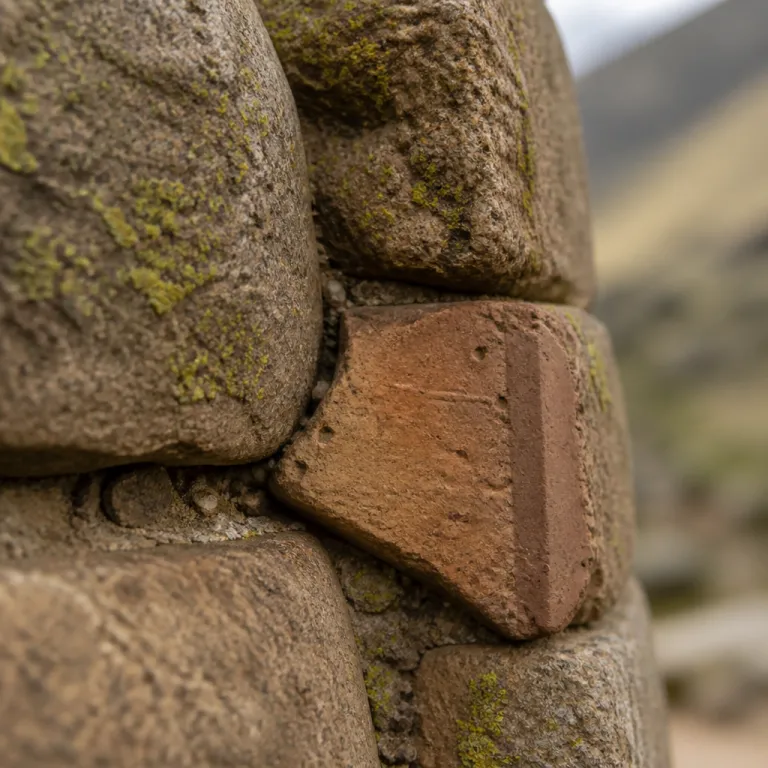
When travellers ask where to go in Peru for history, I point them immediately to Cusco and the Sacred Valley. The former Inca capital sits at about 3,400 metres, so plan a few days to acclimatise before any demanding hike. Use this time to wander the cobbled streets, where Inca stonework supports Spanish colonial houses in a striking architectural dialogue and small courtyards hide cafés and craft workshops.
The Plaza de Armas in Cusco is one of the most atmospheric squares in South America, framed by churches and arcades that glow at night. Around it you find museums that explain how the Inca empire expanded from this city towards the Amazon, Lake Titicaca, and the Pacific coast. Many travellers use Cusco as a base for short tour options, from gentle day trip excursions to nearby ruins to multi-day adventures on the Inca Trail, which usually cost several hundred US dollars per person including permits, porters, and camping gear.
The Sacred Valley stretches between Pisac and Ollantaytambo, following the Urubamba River through fertile terraces and dramatic cliffs. This sacred valley shelters ancient sites, colourful markets, and small villages that show a quieter side of Peru away from the city crowds. Spend at least two days here to visit places such as Moray, Maras, and the valley area around Ollantaytambo, where trains depart towards Machu Picchu; the journey to Aguas Calientes takes around one and a half to two hours depending on service.
Machu Picchu itself remains the answer for many people who wonder where to go in Peru first. The citadel rewards both those who arrive by train and those who complete the classic Inca Trail hike. Daily permits for the Inca Trail are limited and usually sell out several months ahead in high season, so book with a licensed operator as soon as you fix your dates and be ready to pay a deposit to secure your spot. If you are planning a wider Andean circuit that includes other pre-Columbian cultures and highland lakes, consider pairing this region with the routes described in this article on where to go in Guatemala for cities and Mayan history.
3. Lake Titicaca and southern highlands: culture on the water’s edge
For travellers deciding where to go in Peru after Cusco, the high plateau around Lake Titicaca offers a powerful cultural contrast. This immense lake, shared with Bolivia, is often described as the highest navigable lake in the world and has deep spiritual significance for Andean communities. Many itineraries include two or three days here to visit islands and understand how people adapt to life at more than 3,800 metres, where nights can feel very cold even in the dry season.
From the Peruvian city of Puno you can arrange a day trip by boat to the Uros floating islands, built from layers of totora reeds. These excursions show both the resilience of local communities and the pressures that mass tourism can bring, so choose operators who support sustainable practices and respect cultural norms. Another popular tour continues to Taquile or Amantaní, where homestays allow you to experience daily routines on the Lake Titicaca shores and usually include simple meals and basic but welcoming accommodation.
When you consider where to go in Peru for living traditions rather than only ancient ruins, this region stands out. Markets in Puno and surrounding villages sell textiles with patterns that echo symbols found in pre-Inca sites such as Chavín de Huántar far to the north. Use your stay here to learn about Aymara and Quechua customs, which enrich any list of meaningful things Peru can offer beyond headline attractions and help you understand how communities maintain their languages.
Altitude is a serious factor in this part of South America, so plan your travel days carefully. Arriving by train or bus from Cusco, a journey of around seven to ten hours depending on service, allows your body to adjust more gradually than flying directly from Lima. Many travellers combine Lake Titicaca with Arequipa and Colca Canyon afterwards, creating a southern loop that balances cultural immersion with dramatic mountain landscapes and avoids backtracking on long routes.
4. Arequipa and Colca Canyon: white city and condor country
If you are choosing where to go in Peru for a mix of architecture and nature, Arequipa and Colca Canyon form a compelling pair. Arequipa, often called the white city for its volcanic sillar stone buildings, sits beneath the perfect cone of El Misti volcano. Its Plaza de Armas is one of the most elegant squares in the country, framed by arcades and a cathedral that glows softly at dusk while locals gather on benches to watch the evening unfold.
Spend at least two days in the city to visit the Santa Catalina Monastery, museums, and viewpoints that reveal how Arequipa has shaped intellectual life in southern Peru. From here, many travellers arrange a tour towards Colca Canyon, one of the deepest canyons on the planet and a highlight for anyone who loves mountain scenery. The road climbs steadily, crossing high passes where you may spot wild vicuñas grazing on sparse grasslands and feel the effects of altitude again.
Colca Canyon itself offers several ways to structure your stay, from gentle mirador stops to multi-day hike itineraries. At Cruz del Cóndor viewpoint you often see Andean condors riding morning thermals, their wingspans casting shadows over the canyon walls. Villages along the route preserve ancient terrace systems that predate the Inca, showing how long people have shaped this rugged landscape and how irrigation channels still feed crops today.
When travellers debate where to go in Peru for hiking, they often compare the Inca Trail with routes in Colca Canyon and around Huascarán National Park further north. Colca suits those who want dramatic scenery with the option of comfortable lodges rather than camping every night, and guided tours typically range from budget group trips to more expensive private excursions. If you enjoy planning complex routes and alternative paths, you might appreciate the analytical approach used in this piece on choosing your next travel route, which mirrors how you can design multi stop journeys across Peru.
5. Nazca Lines, Paracas and the desert coast: Peru’s otherworldly landscapes
Travellers often focus on mountains when thinking about where to go in Peru, but the coastal desert holds some of the country’s most enigmatic sites. The Nazca Lines, a series of ancient geoglyphs etched into arid plains, remain one of archaeology’s enduring puzzles. Scenic flights from Nazca or nearby towns reveal figures of animals, plants, and geometric shapes that stretch for hundreds of metres and only make sense from the air.
These Nazca Lines flights usually last around thirty minutes, yet they transform how you see the desert and its ancient cultures. Combine them with a visit to local museums that explain how the Nazca civilisation managed water and agriculture in such a harsh environment, using underground aqueducts and careful planning. When you list the most intriguing things Peru offers beyond Machu Picchu, this combination of aerial views and grounded context ranks very high and justifies the extra travel time from Lima.
Further north, the Paracas National Reserve protects a stark meeting of ocean and desert, where cliffs plunge into the Pacific and colonies of seabirds thrive. Boat tours to the Ballestas Islands reveal sea lions, penguins, and cormorants, while viewpoints on land show sweeping bays carved by wind and waves. Many travellers choose this region when deciding where to go in Peru for a relaxed coastal interlude between high altitude segments, often staying two nights to fit both a boat excursion and a drive into the reserve.
Use Paracas as a base for at least one full day trip into the reserve, timing your excursions to avoid the strongest afternoon winds. The contrast between this desert coast, the green Sacred Valley, and the blue of Lake Titicaca underlines how varied South America can be within a single country. Such diversity explains why sustainable tourism and careful itinerary planning matter so much in Peru, especially when you factor in long bus journeys and limited flight connections.
6. Northern Peru and off the beaten path routes: mountains, ruins and living history
Once you have seen the classic highlights, the question of where to go in Peru next often leads north. This vast region receives fewer visitors than Cusco or Lima, yet it shelters some of the most important ancient sites in the Andes. Travellers who value quieter trails and deeper context will find many rewarding places to visit here, often with lower prices for accommodation and guided tours.
Chavín de Huántar, an archaeological complex in the highlands of Áncash, predates the Inca by many centuries and shows sophisticated stone carving and underground galleries. Nearby, Huascarán National Park protects towering peaks, turquoise lakes, and glacial valleys that attract climbers and hikers from around the world. Routes here range from gentle day trip walks around lakes to demanding multi-day trek circuits that require careful acclimatisation and planning, with local agencies in hubs like Huaraz offering equipment rental.
On the northern coast, the adobe city of Chan Chan near Trujillo stands as one of the largest pre-Columbian urban centres in South America. This site, recognised as UNESCO heritage, reveals how the Chimú civilisation organised power, water, and trade long before the rise of the Inca. When you compare things Peru offers in its northern and southern regions, you see how many different cultures shaped the territory we now call Peru and how coastal kingdoms interacted with highland polities.
Rainbow Mountain near Cusco has become famous on social media, but northern ranges offer alternative mountain hikes with fewer crowds and equally dramatic colours. Whether you choose the classic Inca Trail towards Machu Picchu or remote circuits near Huascarán National Park, always respect altitude guidelines and local advice. As national tourism authorities broadly recommend, the dry season from May to October is generally the best period for high Andean routes, while standard safety precautions and up-to-date visa information from official consular sources remain essential for those planning to visit Peru.
Key travel statistics for planning a trip to Peru
- Machu Picchu received 1,448,305 visitors in 2019 according to MINCETUR (Peru’s Ministry of Foreign Trade and Tourism), which shows how essential advance booking and careful timing have become for this iconic site; recent years have also seen daily caps and timed entry slots to protect the ruins.
- The Magic Water Circuit in Lima welcomed 2,183,354 visitors in the same 2019 dataset from MINCETUR, underlining that urban attractions can rival ancient ruins in popularity and should be factored into city itineraries.
- Dry season from May to October is generally recommended for Andean destinations such as Cusco, the Sacred Valley, Colca Canyon, and Huascarán National Park, while the Amazon and coastal areas remain accessible year round with more variable rainfall and occasional transport disruptions.
- Eco friendly tourism initiatives are expanding across Peru, especially in regions like the Amazon Rainforest and Lake Titicaca, where visitor numbers directly affect fragile ecosystems and local communities, and where certified operators increasingly highlight conservation projects.
FAQ about where to go in Peru
What is the best time to visit Peru’s main highlights ?
The dry season from May to October is usually the best time to visit highland destinations such as Cusco, Machu Picchu, the Sacred Valley, Colca Canyon, and Huascarán National Park. Coastal areas like Lima and Paracas are pleasant most of the year, with milder temperatures and less rain. The Amazon Rainforest has a wetter climate overall, so plan according to river levels and wildlife priorities, and check whether lodges recommend rubber boots or specific vaccinations.
Is it safe to travel in Peru for independent travellers ?
Peru is generally safe for travellers who take standard precautions, such as using registered taxis, avoiding isolated areas at night, and keeping valuables secure. In cities like Lima, Cusco, and Arequipa, stay in well known neighbourhoods and follow local advice from your accommodation. For remote hikes or visits to places like Colca Canyon and Huascarán National Park, consider certified guides and reputable tour operators, and make sure someone knows your route and expected return time.
Do I need a visa to visit Peru as a tourist ?
Visa requirements for Peru depend on your nationality, and many travellers from Europe, North America, and parts of Asia can enter visa free for short stays. Always check the latest information from the Peruvian consulate or embassy in your country before you travel. Make sure your passport has sufficient validity and keep copies of key documents during your trip, either printed or stored securely online.
How many days should I plan for a first trip to Peru ?
For a first itinerary that includes Lima, Cusco, the Sacred Valley, and Machu Picchu, plan at least ten to fourteen days. This allows time to acclimatise to altitude, enjoy a day trip or two, and avoid rushing between cities. If you want to add Lake Titicaca, Colca Canyon, or the Nazca Lines, extend your stay to around three weeks so that long bus journeys and flight connections feel manageable.
Is the Inca Trail the only way to reach Machu Picchu ?
The classic Inca Trail is a famous route, but it is not the only way to reach Machu Picchu. Many visitors travel by train from Cusco or the Sacred Valley to Aguas Calientes, then take a bus or hike up to the citadel. Alternative treks such as Salkantay or Lares also combine mountain scenery with cultural encounters before connecting to the valley area, and they often have more flexible permit availability than the main Inca Trail.