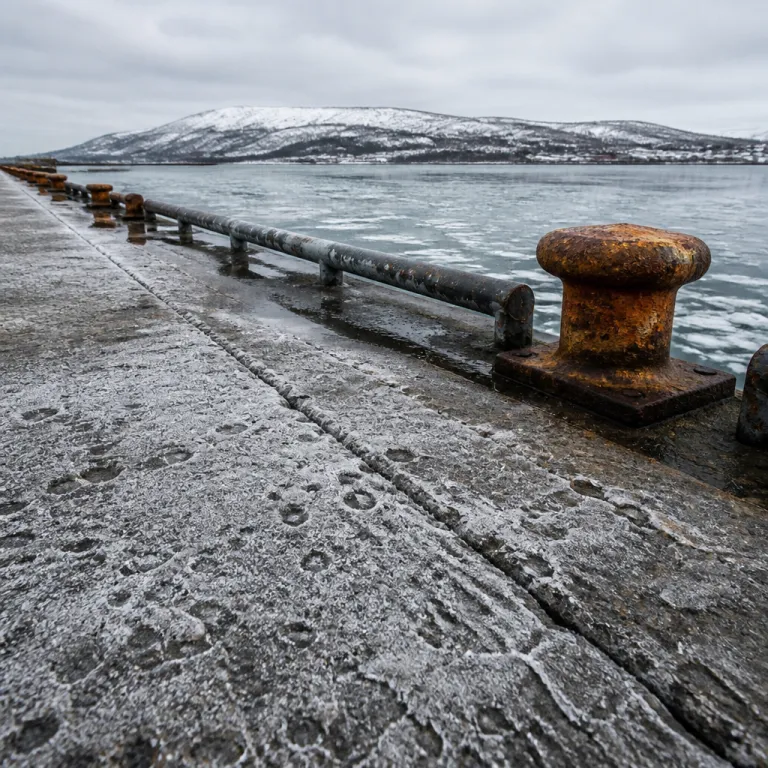
Where to go in January in Europe for your first winter trip
Choosing where to go in January in Europe starts with understanding what kind of winter you enjoy. Some travelers want crisp air, snow covered streets, and the feeling of walking through living history, while others prefer winter sun and mild days that feel like a gentle pause before spring. When you plan to visit Europe in January, decide early whether you are chasing snow, culture, or light warmth by the sea.
For atmospheric cities, Paris, Vienna, and Prague rank among the best places to visit in Europe January, especially if you love architecture and café culture. Travel agencies report that “Paris, Vienna, and Prague are popular choices for first time winter visitors.” When you visit in January, the average temperature in Paris hovers around 5 °C according to Weather.com, which feels cold but manageable with proper layers and makes each city street, museum, and riverbank pleasantly uncrowded.
Many travelers ask where they should go for a first winter trip, and the answer depends on your comfort with cold. If you want classic winter destinations with easy logistics, choose a major city with strong rail connections, such as Paris, Berlin, or Amsterdam, and then add one or two smaller places in Europe for contrast. For example, you might spend three nights in Paris and two in nearby Strasbourg, linked by a high speed train that takes about two hours, which lets you experience both a grand European city and a quieter town while keeping travel times short and your days flexible.
Think about how many days you can spend and how often you want to change city or country. A five to seven day itinerary is usually the best time frame for a first January trip, because it balances travel days with time to settle into each destination. When you visit Europe in January with limited time, focus on two destinations in Europe at most, so you can enjoy museums, markets, and local food without rushing between train platforms.
Transport choices also shape where to go in January in Europe and how relaxed your journey feels. Air travel works well for longer jumps between winter destinations, while high speed trains are ideal for linking nearby places in Europe such as Paris and Brussels or Milan and Florence. Use weather apps and online booking platforms to track snow, rain, and average temperature trends, then adjust your route if a city looks unusually stormy during your planned days.
Finally, consider your budget and how prices shift between December, January, and February across different destinations in Europe. Many airlines and hotels lower rates after the New Year, so Europe January often offers better value than the festive weeks of December. If you are flexible about where to stay and which city to prioritize, you can secure excellent deals on central locations and spend more of your travel budget on experiences rather than transport.
Chasing winter sun in Europe January: islands, coasts, and mild days
Not everyone dreams of snow when thinking about where to go in January in Europe. If you prefer soft light, sea views, and outdoor cafés, focus on winter sun destinations in Europe that stay pleasantly mild while the continent’s north shivers. These places in Europe are ideal when you want to visit in January but still feel the warmth of the sun on your face.
The Canary Islands belong at the top of any list of winter sun destinations Europe offers, thanks to their subtropical climate and reliable sunshine. On islands such as Gran Canaria, Tenerife, and Lanzarote, the average temperature in January often sits between 18 °C and 22 °C, which makes them some of the best places to visit January February for hiking, coastal walks, and relaxed beach days. When you plan a trip there, choose where to stay based on your interests, with quieter northern coasts for nature and livelier southern resorts for nightlife and family facilities.
Malta is another compelling island choice when you ask where to go in January in Europe for history and light warmth. The island’s compact size means you can base yourself in Valletta or Sliema and take short bus rides to ancient temples, fishing villages, and coastal viewpoints during your days. While Malta’s average temperature in January is cooler than the Canary Islands, it still offers some of the best winter sun conditions in the central Mediterranean, especially for travelers who enjoy walking rather than swimming.
On the mainland, southern Spain and southern Italy provide a refined balance between culture and climate for a Europe winter escape. Cities such as Málaga, Seville, and Palermo offer bright skies, palm lined promenades, and a slower rhythm that suits long lunches and evening strolls, even in the heart of winter. These destinations in Europe are ideal if you want to visit Europe in January, enjoy winter sun, and still have access to world class museums, cathedrals, and regional cuisine.
Barcelona in Spain deserves special mention, because it combines Gaudí architecture, Mediterranean views, and a lively food scene in one compact city. While Barcelona Spain is cooler than the Canary Islands, it remains one of the best places Europe offers for a January city break with a creative edge and relatively mild days. If you are planning a longer seasonal journey, you can pair Barcelona Spain with another warm destination such as Valencia or the Costa del Sol, then look ahead to later winter ideas using guides on where to go in February for unforgettable journeys across seasons.
When comparing these winter destinations, think about your preferred activities and your tolerance for cooler evenings. The best time to enjoy outdoor terraces and coastal walks is usually midday, when the sun is highest and the wind softens, while mornings and nights can feel surprisingly brisk even in the south. Pack layers, plan your main excursions for the warmest hours, and you will find that winter sun trips in Europe January feel both restorative and culturally rich.
Festive charm after the holidays: Christmas markets, culture, and quiet streets
Many travelers assume the festive season ends abruptly after New Year, but Europe January still carries a lingering glow. In several countries, Christmas markets and winter festivals continue into early January, which creates a gentle transition between celebration and calm. If you are wondering where to go in January in Europe for atmosphere rather than heat, these cultural experiences can be the highlight of your trip.
Germany, Austria, and the Czech Republic are classic winter destinations for those who love Christmas markets and historic architecture. In cities such as Vienna, Munich, and Prague, some Christmas market stalls remain open into the first days of January, especially around Orthodox Christmas celebrations and local winter festivals. For instance, Prague’s main markets typically run until around 6 January, which offers the best time to enjoy mulled wine, regional pastries, and artisan crafts without the dense December crowds that often fill the main squares.
France and Belgium also provide elegant places to visit in January if you enjoy art, food, and shorter queues at major sights. Paris, Strasbourg, and Brussels combine grand boulevards, Gothic cathedrals, and world renowned museums with an average temperature that encourages café hopping and gallery visits rather than long outdoor picnics. When you visit Europe in January, you gain the luxury of time inside these cultural institutions, because lines are shorter and ticket availability is usually better than in December.
For travelers who love the idea of a Christmas trip but prefer quieter streets, planning a journey that spans December and January can be ideal. You might arrive in late December to experience a traditional Christmas market, then stay into early January to enjoy calmer days once local families return to work and school. To shape such a trip, consult seasonal guides such as where to go on holiday at Christmas for unforgettable seasonal escapes, then extend your stay into the new month.
Spain and Italy also offer rich cultural destinations in Europe January, especially if you enjoy religious festivals and food focused celebrations. Cities such as Rome, Florence, and Naples in Italy, or Madrid and Barcelona Spain, often host Epiphany parades and local events that bring color to the winter streets. In many places, the main festivities for Epiphany fall on 5–6 January, and these are some of the best places Europe offers for travelers who want to connect with local traditions while still enjoying world class art and cuisine.
When planning where to stay during this period, prioritize central neighborhoods that allow you to walk to main squares and cultural venues. Shorter daylight hours in Europe winter mean you will appreciate being close to restaurants, theatres, and museums, especially on very cold days. Book your accommodation in advance, because even though January is quieter than December, the best located rooms in popular city centers still fill quickly with travelers who understand the charm of this season.
Snow, slopes, and northern lights: where to go in January in Europe for true winter
If your idea of where to go in January in Europe involves snowflakes and mountain air, the continent’s alpine and Nordic regions will feel like a dream. Europe winter transforms these landscapes into playgrounds for skiing, snowboarding, and husky sledding, with crisp days and long evenings perfect for fireside dining. These winter destinations suit travelers who embrace the cold and want to build their trip around outdoor activity.
The Alps remain one of the best places to visit in January February for snow sports, with around 1 200 ski resorts spread across France, Switzerland, Italy, Austria, and Germany. This figure comes from industry overviews such as Skiresort.info, and this density of resorts means you can tailor your trip to your skill level, from gentle beginner slopes to challenging off piste terrain, all within a relatively compact region. Early January can be busy; late January is less crowded, so if you value quiet slopes and shorter lift lines, plan your visit January for the second half of the month.
When choosing where to stay in the Alps, consider both altitude and village atmosphere. Higher resorts often have more reliable snow conditions throughout Europe winter, while lower valleys can offer better value and a more traditional feel, with stone houses and family run restaurants. As a simple example, you might spend four nights in Innsbruck and three in a nearby Tyrolean village, linked by regional trains that take under an hour, which lets you combine city proximity with mountain charm.
For a different kind of winter magic, head north to Norway, Sweden, Finland, or Iceland to chase the northern lights. These destinations in Europe January offer long nights, clear skies, and snow covered landscapes that create ideal conditions for aurora viewing, especially away from city lights. Remember that the northern lights are a natural phenomenon, so build your trip around broader experiences such as snowshoeing, reindeer visits, and sauna rituals, rather than a single hoped for sighting.
Lapland in Finland and northern Norway are among the best places Europe offers for combining northern lights excursions with family friendly activities. You can spend your days on husky safaris, snowmobile tours, or cross country skiing, then join guided aurora hunts at night with local experts who understand weather patterns and solar activity. When you visit Europe in January for this purpose, pack serious winter clothing, because average temperature readings can fall well below freezing, especially away from the coast.
Photographers and landscape lovers might also consider more remote winter destinations such as the Faroe Islands, which offer dramatic cliffs, changing light, and moody seas. Planning a dedicated photography trip there can be rewarding, and resources like this guide to the golden hour in the Faroe Islands provide practical inspiration for timing and locations. These kinds of journeys show that when you think about where to go in January in Europe, the answer can be as much about light and landscape as it is about temperature.
Planning your January Europe itinerary: routes, timing, and practical tips
Once you have a sense of where to go in January in Europe, the next step is shaping a realistic itinerary. Start by deciding how many destinations in Europe you can comfortably include without turning your trip into a race between train stations and airports. For most travelers, two or three main places to visit over ten days strike the best balance between variety and rest.
Think in terms of clusters rather than distant points on the map when you plan where to visit Europe in January. For example, you might combine a cultural city such as Vienna with a nearby alpine town, or pair Barcelona Spain with a coastal resort on the Costa Brava or Costa Dorada. A sample seven day route could include three nights in Vienna and four in Salzburg, linked by a direct train of about 2.5 hours, which reduces travel time, keeps average temperature changes manageable, and allows you to experience both urban life and quieter landscapes within a single trip.
Transport choices will shape your experience as much as the destinations themselves. High speed trains work beautifully for linking major city hubs, especially in France, Spain, Italy, and Germany, while regional trains and buses connect smaller places Europe wide. For islands such as Malta or the Canary Islands, you will rely on flights, then use car rentals or local buses to explore each island’s villages, beaches, and viewpoints during your days.
When you consider the best time of day to travel between cities, aim for mid morning or early afternoon departures. This timing lets you enjoy a relaxed breakfast, check out of your accommodation, and still arrive in your next city with enough daylight to orient yourself and find where to stay. In winter, shorter days mean that arriving after dark can feel disorienting, especially in unfamiliar neighborhoods or when snow is falling.
Practical preparation matters more in Europe winter than in milder seasons, because weather can disrupt plans. Always check forecasts a few days before each move, especially if you are crossing mountain passes or flying from smaller regional airports that may be more vulnerable to delays. Pack warm clothing, waterproof footwear, and a compact day bag so you can adapt quickly if a sudden snowstorm or heavy rain changes your original plan for the day.
Finally, use digital tools wisely without letting them dictate every moment of your trip. Online booking platforms, weather apps, and digital maps are invaluable for comparing options and tracking average temperature trends, but leave space for spontaneous detours when a local recommends a hidden café or viewpoint. The best places Europe offers in January often reveal themselves when you slow down, talk to residents, and allow your carefully planned route to bend slightly in response to what you find on the ground.
Where to stay and how to pack for January in Europe
Choosing where to stay is one of the most important decisions when you plan where to go in January in Europe. In winter, location matters even more than in summer, because shorter daylight hours and colder evenings make proximity to sights and restaurants a real comfort. Aim for central districts or well connected neighborhoods in each city, even if that means choosing a smaller room over a larger space on the outskirts.
In major cities such as Paris, Rome, and Barcelona Spain, look for accommodation near key transport hubs or within walking distance of the old town. This strategy reduces the time you spend commuting in the cold and gives you flexibility to return to your room during the day if the weather turns or you need a warm break. For mountain resorts and winter destinations focused on skiing, staying close to lifts or shuttle stops will save you energy and extend your time on the slopes.
On islands such as Malta or the Canary Islands, where winter sun is the main draw, think about whether you prefer a lively seafront promenade or a quieter village base. Coastal towns with good bus connections make it easier to explore multiple places in Europe within a single island, while rural stays offer more peace and star filled nights. Check recent reviews carefully to understand heating quality, noise levels, and breakfast options, because these details shape your comfort during Europe winter more than in warmer months.
Packing for a January trip requires a thoughtful balance between warmth and mobility. Start with a waterproof, wind resistant outer layer, then add insulating mid layers and breathable base layers that you can adjust as average temperature shifts between indoor and outdoor spaces. Good footwear is essential, so bring at least one pair of waterproof boots with solid grip for icy pavements and another comfortable pair for long museum days.
Accessories can transform your experience of winter destinations, especially when you spend many hours outside. A warm hat, gloves, and scarf weigh very little but make cold city streets, Christmas markets, and mountain viewpoints far more enjoyable, even when the wind bites. Consider packing thin thermal leggings or tops that you can wear under regular clothes, which allows you to adapt quickly when you move from a mild coastal city to a colder inland region during the same trip.
Finally, remember that packing light still matters, even for Europe winter travel. Choose a color palette that lets you mix and match layers, so you can create different outfits without overloading your suitcase, and leave room for small purchases from local markets. When you feel physically comfortable and unburdened by heavy luggage, you can focus fully on the real purpose of your journey : experiencing the best places to visit in January across Europe with curiosity and ease.
Key statistics for January travel in Europe
- Average January temperature in Paris is around 5 °C according to Weather.com, which means visitors should pack warm layers and waterproof outerwear for city walks.
- The Alps host approximately 1 200 ski resorts, based on data from Skiresort.info and similar industry sources, giving travelers an exceptional range of winter destinations for all skill levels within a relatively compact region.
- Travel industry reports show that January often offers lower prices and fewer tourists compared with December, making it one of the best time periods for value focused trips to major European cities.
- Early January can be busy in ski resorts due to holiday travel, while late January is less crowded, so timing your visit January carefully can significantly improve your experience on the slopes.
- Growing interest in eco friendly travel options and winter festivals across Europe suggests that more travelers are choosing off peak months such as January February for culturally rich, lower impact journeys.
FAQ about where to go in January in Europe
What are the best European cities to visit in January ?
Paris, Vienna, and Prague are popular choices for January city breaks, because they combine rich culture with manageable winter weather and fewer crowds than in peak summer. These cities offer world class museums, historic architecture, and vibrant café scenes that feel especially atmospheric in cold weather. When deciding where to go in January in Europe, they form a strong foundation for a first or repeat trip.
Are European ski resorts crowded in January ?
Early January can be busy; late January is less crowded, particularly in major alpine resorts that attract holiday travelers. If you prefer quieter slopes and shorter lift lines, aim for the second half of the month or the transition into February. Booking accommodation and passes in advance will help you secure better prices and more convenient locations near the lifts.
Is it cheaper to travel to Europe in January ?
Yes, January often offers lower prices and fewer tourists compared with December and peak summer months. Airlines, hotels, and tour operators frequently reduce rates after the New Year, especially in large cities and popular cultural destinations. This makes Europe January one of the best time windows for value conscious travelers who still want high quality experiences.
What should I pack for a January trip to Europe ?
Pack a warm, waterproof coat, insulating layers, and comfortable footwear suitable for wet pavements or light snow. Accessories such as hats, gloves, and scarves are essential for enjoying outdoor sights, Christmas markets, and evening walks without discomfort. If you plan to visit both winter sun destinations and colder cities, bring versatile layers so you can adapt to different average temperature ranges.
How many destinations should I include in a 10 day January itinerary ?
For a 10 day trip, two or three main destinations in Europe usually provide the best balance between variety and rest. This structure allows time for travel days, local exploration, and occasional weather related changes without feeling rushed. Focus on clusters, such as a major city plus a nearby mountain town or island, to minimize long transfers during the short days of Europe winter.