Warm coastal escapes in Florida and the southern Atlantic
When you ask where to go in the US in January, Florida usually comes first. The state offers some of the best places for soft winter light, gentle sea breezes, and an average temperature that feels pleasantly springlike rather than scorching. For travelers who want to visit in January and still swim, Miami and the Florida Keys deliver reliable warmth and long beach days.
Historical weather data from the National Weather Service indicate that the average January temperature in Miami (1981–2010 climate normals) sits around 20 °C (68 °F), which makes a day on the beach comfortable even when the rest of the country shivers. This sharp contrast between northern blizzards and subtropical calm is exactly why many travelers plan a tour of south Florida at this time of year. You can structure your days around early morning walks, a midday swim, and a late afternoon visit to waterfront cafés without worrying about oppressive heat.
On the Gulf Coast, Anna Maria Island and nearby barrier islands feel slower and more residential, yet they still answer the question of where to go in the US in January for quiet sand and clear water. Anna Maria offers low-rise streets, a walkable main strip, and a beach culture that suits couples and families who prefer calm over nightlife. Use the island as a base for day trip excursions to state park reserves, coastal wetlands, and small city museums in nearby Bradenton or Sarasota; local tip: arrive at Bean Point before sunset for some of the island’s most peaceful views.
Farther north, Hilton Head in South Carolina and the historic city of Charleston create a refined coastal pairing for travelers who like culture with their sea air. Hilton Head Island has long beaches, cycling paths, and golf courses, while Charleston offers cobbled streets, excellent restaurants, and a compact historic park network. The average temperature is cooler than south Florida, yet many visitors find the crisp winter days ideal for walking tours and photography, especially around Rainbow Row and the Battery.
For those who want to compare winter sun with later season options, it is worth reading a detailed guide on where to go in March in the USA for spring escapes with fewer crowds. Planning January and March together lets you balance one trip focused on beach relaxation with another centered on wildflower hikes or city festivals. This staggered approach across the year helps frequent travelers spread their budget, annual leave, and energy more intelligently.
Pacific warmth and desert light: San Diego, Palm Springs and beyond
On the west coast, San Diego consistently ranks among the best places to visit in January for mild weather and relaxed urban energy. The city combines a broad beach culture with a serious food scene, strong craft beer, and easy access to nature in every direction. Many travelers structure their days around a morning run along the waterfront, a midday museum visit in Balboa Park, and a sunset walk on the sand.
Average temperature figures in San Diego during January usually sit in the mid-teens Celsius (mid-50s °F), with a gentle high–low range that keeps evenings cool but rarely cold. This makes it an excellent location for families who want to visit in January without packing heavy winter gear or worrying about icy roads. When you compare where to go in the US in January for reliable outdoor time, San Diego stands out because rain is possible yet usually brief, and coastal paths like those at Sunset Cliffs remain inviting even on cooler days.
Just a few hours inland, Palm Springs offers a very different winter mood, with desert light, mid-century architecture, and mountain views. The city is a strong answer for travelers who want to head somewhere stylish yet relaxed, with poolside afternoons and crisp evenings under clear skies. From Palm Springs you can plan a day trip into Joshua Tree National Park, where the high desert landscape feels otherworldly in the low winter sun.
Joshua Tree National Park in January often has cool days and cold nights, so you need layers, but the trails are quieter and the rock formations glow in soft light. This is one of the best places to test your photography skills, because the high–low contrast between pale granite and deep blue sky is striking. If you prefer to stay closer to the coast, you can also consider a loop that includes Los Angeles and San Diego, combining city culture with beach time and giving you several answers to the question of where to go in the US in January within one itinerary.
Travelers who enjoy planning seasonal journeys often look beyond January and think about how their winter choices connect with later trips. A carefully timed itinerary that starts with a desert tour in January and continues with a spring road trip in March can maximize both weather and value. For more nuanced thinking about timing, it helps to read essays that treat challenging conditions, such as rain or heat, as part of the experience rather than a problem, like the perspective shared in this piece on traveling when it rains.
Snow, mountains and cross country trails in the American West
Not every traveler asking where to go in the US in January is chasing warmth, because winter itself can be the destination. The American West offers some of the best places for alpine skiing, cross-country routes, and quiet mountain towns with serious food and culture. Resorts in Colorado, Utah, and California balance downhill thrills with country skiing trails that wind through forests and meadows.
Historical weather data from the National Weather Service and resort snow reports show that the average January snowfall in Aspen, Colorado (based on long-term climate records) reaches around 76.2 cm (30 inches), which creates reliable conditions for both alpine and cross-country skiing. This depth of snow also supports snowshoeing, winter hiking, and sleigh rides, giving non-skiers plenty of ways to enjoy the landscape. When you plan to visit in January, book accommodation early, because peak winter weeks fill quickly even in quieter years.
Lake Tahoe, straddling California and Nevada, is another strong answer when you consider where to go in the US in January for a mix of lake views and mountain sports. The region offers downhill resorts, groomed country skiing tracks, and snow-covered forests that feel far removed from city life. Many visitors plan a day trip from Reno or Sacramento, then extend their stay once they see how beautiful the lake looks under winter light.
For travelers who prefer less vertical terrain, cross-country skiing areas in Sun Valley, Idaho or around Jackson, Wyoming offer long, flowing trails. These destinations combine small city amenities with easy access to national park landscapes, especially around Grand Teton and Yellowstone. The high–low temperature range can be sharp, so you need proper layers, but the reward is crisp air, bright stars, and quiet trails; local outfitters often post daily grooming reports that help you choose the best routes.
If you enjoy winter culture but want to alternate continents, you can pair a January ski trip in the US with a February city break in Europe. A detailed guide on where to go in Europe in February for culture, winter sun and quiet cities can help you compare options. This kind of seasonal planning lets you experience both North American snow and European museums within a few weeks, without feeling rushed.
National parks and desert drama: Death Valley, Lake Havasu and beyond
For travelers who value dramatic landscapes, national park and desert regions are central when deciding where to go in the US in January. Cooler weather turns harsh summer destinations into comfortable hiking grounds, with average temperature ranges that encourage long days outdoors. The key is to understand each location’s high–low pattern so you can pack layers and plan your timing.
Death Valley National Park in California is one of the best places to visit in January, because the extreme summer heat softens into pleasant daytime warmth. You can hike through canyons, walk across salt flats, and climb dunes without the dangerous temperatures that define other months of the year. Nights can still be cold, so many visitors head back to nearby towns after sunset, turning each day into a focused tour of one area of the park.
Along the Colorado River, Lake Havasu offers a different kind of winter desert experience, with water-based activities and a lively yet manageable atmosphere. The city around Lake Havasu combines marinas, waterfront paths, and access to nearby state park areas that protect desert ecosystems. Many travelers choose to visit in January because the average temperature is cool enough for hiking but warm enough for a relaxed lunch outdoors, especially along the Bridgewater Channel near London Bridge.
State park systems across the Southwest, from Arizona to New Mexico, often feel quieter in January, which suits travelers who like space and silence. You can plan a day trip from a larger city to a nearby state park, then return to urban comforts in the evening. This pattern works well in places like Tucson, where Saguaro National Park sits close enough for sunrise or sunset visits.
When planning these journeys, remember the practical advice that underpins any winter trip in remote areas. Book accommodations early, check weather forecasts regularly, and pack appropriate clothing so that a sudden cold snap does not disrupt your plans. These habits, combined with realistic driving times and fuel planning, turn ambitious January itineraries into safe and memorable experiences.
Island escapes and Gulf Coast routes: South Padre, Padre Island and Anna Maria
Island destinations along the Gulf Coast provide a softer, more laid-back answer to the question of where to go in the US in January. South Padre Island in Texas, for example, offers long beaches, birdwatching, and mild winter weather that appeals to both families and solo travelers. Many visitors choose to visit in January to avoid the spring break crowds and enjoy quieter days.
On South Padre Island, the average temperature in January often sits in the mid-teens Celsius (mid-50s °F), with a gentle sea breeze and a manageable high–low range. This makes it easy to spend the day walking the beach, exploring nature centers, or taking a boat tour to see dolphins and coastal wildlife. The island also works well as a base for day trip excursions to nearby wildlife refuges and small mainland towns.
Farther north along the Texas coast, Padre Island National Seashore protects one of the longest undeveloped barrier island stretches in the world. This national park–style environment offers dunes, tidal flats, and excellent birding, especially during migration periods across the year. Travelers who value quiet often say that Padre Island in winter feels like a private retreat, with only the sound of waves and wind.
On the Florida side of the Gulf, Anna Maria Island, mentioned earlier, continues to attract travelers who want a low-key beach community. The island’s compact city center, gentle traffic, and walkable streets make it easy to structure your days around simple pleasures. You can head to the beach in the morning, visit small galleries in the afternoon, and end the day with a sunset walk along the pier.
When comparing these island locations, think about your priorities across the year rather than just one trip. South Padre Island and Padre Island National Seashore suit travelers who enjoy wide-open spaces and wildlife, while Anna Maria Island leans toward cafés, small shops, and family-friendly beaches. All three answer the question of where to go in the US in January if your goal is calm water, soft light, and a slower rhythm.
Cities, culture and gentle winters: San Francisco, Charleston and beyond
Some travelers asking where to go in the US in January want culture first, then weather. For them, cities like San Francisco, Charleston, and New Orleans offer rich food scenes, historic districts, and enough mild winter days to explore comfortably. The key is to balance indoor museums and performances with outdoor walks in parks and along waterfronts.
San Francisco in January can be cool and occasionally rainy, yet the average temperature usually stays above freezing, which keeps the city walkable. You can spend a day exploring Golden Gate Park, visiting museums, and then head to neighborhoods like the Mission or North Beach for dinner. When the weather clears, a day trip across the bay to Sausalito or a drive down the coast offers dramatic ocean views.
On the Atlantic side, Charleston combines a compact historic core with excellent restaurants, galleries, and waterfront promenades. Many travelers choose to visit in January because the city is quieter, hotel rates can be lower, and the mild winter climate makes walking tours comfortable. You can join a guided tour of the historic district, then spend the afternoon in a nearby park or on a short boat tour of the harbor.
New Orleans deserves a special mention for travelers who want music and culture during the winter season. Early Mardi Gras celebrations often begin in January, creating a festive atmosphere without the peak season crowds that arrive later. As one expert summary notes, "New Orleans, LA hosts early Mardi Gras celebrations."
When you compare these cities, think about how they fit into your broader travel year and your answer to where to go in the US in January. San Francisco offers hills, bay views, and a strong arts scene, while Charleston leans toward history and coastal charm, and New Orleans focuses on music and food. Each city can anchor a longer regional tour that includes nearby state park areas, small towns, and even short coastal or river cruises.
Practical planning tips for January trips across the United States
Once you have chosen where to go in the US in January, careful planning turns ideas into a smooth journey. Start by checking the average temperature and high–low ranges for each location, then build a packing list that covers both warm afternoons and chilly evenings. This is especially important if you combine beach destinations with mountain or desert regions in a single trip.
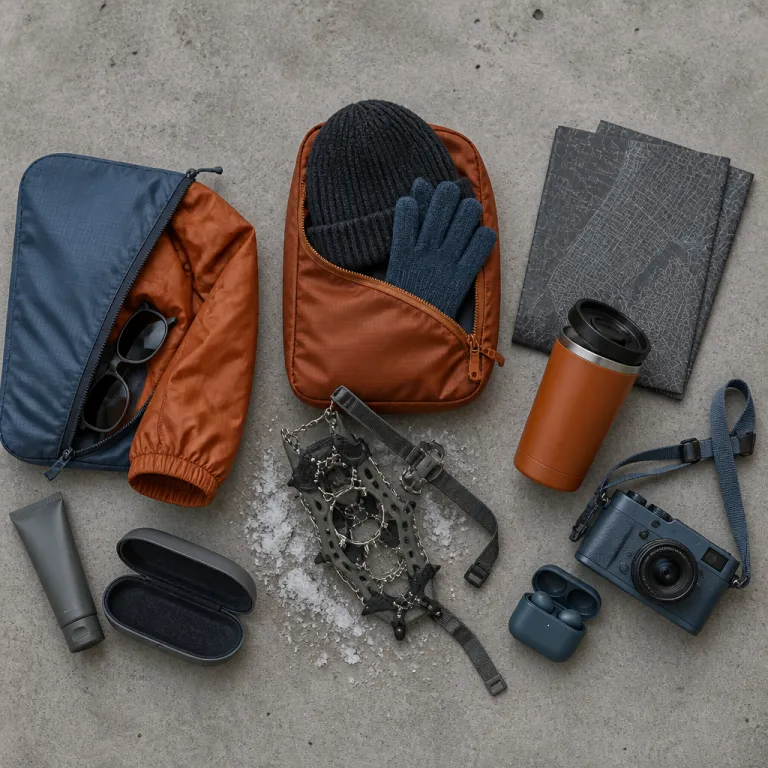
For warm weather routes that include Florida, San Diego, Palm Springs, or Gulf Coast islands, focus on light layers, sun protection, and comfortable walking shoes. Travelers heading to winter sports destinations for country skiing or cross-country trails need insulated layers, waterproof outerwear, and proper footwear for snow and ice. In all cases, book accommodations early, especially in popular national park gateways and coastal cities that host festivals or major events.
Transport planning matters as much as choosing the right city or park. Air travel works best for long distances across the country, while road trips and train journeys suit regional circuits that link several locations over a few days. When planning a day trip from a major city to a nearby state park or national park, allow extra time for winter driving conditions and shorter daylight hours.
Think about how many days you can realistically spend in each place, then prioritize experiences that match your interests. A traveler focused on beach relaxation might split a week between Anna Maria Island and Hilton Head, while someone drawn to desert landscapes could pair Death Valley with Lake Havasu and a nearby state park. Those who love cities might design an itinerary that moves from San Francisco to Palm Springs, then on to San Diego for a final stretch of coastal calm.
Finally, remember that January often brings off-peak travel deals, especially in cities and regions outside the warmest south. This can be the best time of year to experience high-quality restaurants, museums, and tours without the crowds that define other seasons. By aligning your preferences with climate data, cultural calendars, and realistic travel times, you can turn a simple question about where to go in the US in January into a thoughtful, rewarding journey.
Key January travel statistics and climate figures
- Average January temperature in Miami, Florida is around 20 °C (68 °F) based on National Weather Service climate normals for 1981–2010, which makes it one of the warmest major US cities during midwinter.
- Average January snowfall in Aspen, Colorado reaches approximately 76.2 cm (30 inches) according to long-term climate records and resort reports, providing reliable conditions for both downhill and cross-country skiing.
- Many US coastal and desert destinations experience their most comfortable high–low temperature ranges in January, which reduces heat-related risks compared with peak summer months.
- Early January often coincides with New Year events, mid-January with winter festivals, and late January with off-peak travel deals, creating three distinct travel moods within a single month.
- Domestic travel interest within the United States has risen in recent years, with a growing preference for outdoor activities and eco-friendly tourism, especially in national park and state park regions.
FAQ about where to go in the US in January
What are the warmest US destinations to visit in January ?
Miami in Florida, San Diego in California, and Honolulu in Hawaii consistently rank among the warmest major US destinations in January. These cities combine mild average temperature ranges with strong tourism infrastructure and varied activities. Travelers seeking beach time and outdoor dining often prioritize these locations when planning winter escapes.
Where can I go skiing in the US in January ?
Resorts in Aspen, Colorado, Sun Valley, Idaho, and the Lake Tahoe region in California offer excellent skiing conditions in January. Historical snowfall data for Aspen, for example, shows deep snowpacks that support both downhill and cross-country skiing. Many travelers pair these resorts with nearby national park visits or small mountain towns for a more varied winter itinerary.
Are there cultural events in the US in January ?
Several US cities host significant cultural events during January, including early Mardi Gras celebrations in New Orleans, Louisiana. Many destinations also organize winter festivals, food events, and arts programs to attract visitors during the colder months. Checking local tourism board calendars before you book helps you align your trip with performances, parades, or exhibitions.
Is January a good time to visit national parks in the US ?
January can be an excellent time to visit certain national parks, especially desert parks like Death Valley and coastal areas where summer heat is intense. Cooler average temperature ranges make hiking more comfortable, and visitor numbers are often lower than in peak seasons. However, mountain parks may have road closures or limited services, so always check conditions and plan accordingly.
How many days should I plan for a January trip in the US ?
A well-balanced January trip within the United States usually lasts between seven and ten days, allowing time for travel, rest, and meaningful exploration. Shorter breaks of three to five days work well for a single city or island, while longer itineraries can link several regions. The ideal duration depends on your chosen locations, travel distances, and whether you prioritize beach relaxation, winter sports, or cultural experiences.