Where to go in Kauai for your first stay on the island
When you ask where to go in Kauai for a first trip, start with the north shore. This lush part of the island combines a dramatic coast, emerald mountains, and a relaxed rhythm that lets you feel the best of Kauai in a short time. It is the ideal area to balance beach time, a gentle trail or two, and easy access to excellent food.
Hanalei is the village that anchors the north shore and it deserves more than a quick visit. The curve of Hanalei Bay offers a long sandy beach with calm sections for swimming, sections with waves for surfing, and wide open views to the pali cliffs that frame the valley. Early in the morning, the light on the bay is beautiful and you can often watch local paddlers crossing the shore with quiet efficiency.
Staying near Hanalei Bay keeps many of the best things within walking distance. You can stroll from your accommodation to the beach, then continue to the Hanalei pier for a different angle on the coast and the surrounding pali. In the evening, walk back into town for food trucks, a relaxed coffee, or a bowl of shave ice while the mountains turn purple behind you.
For a first hike, choose the short trail to the viewpoint above Hanalei rather than a demanding route. This gentle walk gives you elevated views of taro fields, the river, and the north shore without testing your limits on distance or steep climbs. It is a great way to understand the layout of this part of Kauai before you commit to longer trails along the Nāpali Coast.
Many visitors ask whether they should base themselves near Hanalei or closer to the east side of the island. If you want a quieter atmosphere, easy access to a swimmable beach, and quick drives to the most scenic parts of the north shore, Hanalei is usually the best choice. Those who prefer shorter transfer times from the airport sometimes split their stay between Hanalei and the central coast to reduce driving time during their trip.
Accommodation options near Hanalei range from simple guesthouses to refined resorts, but you will not find a hotel tower dominating the shoreline. Low rise buildings preserve the views and keep the village feeling intimate, which is part of what makes the experience here so special. Book early if you plan to travel during the driest months, because the best located rooms near the shore sell out quickly.
North shore coasts, hidden beaches, and the first steps on the Kalalau Trail
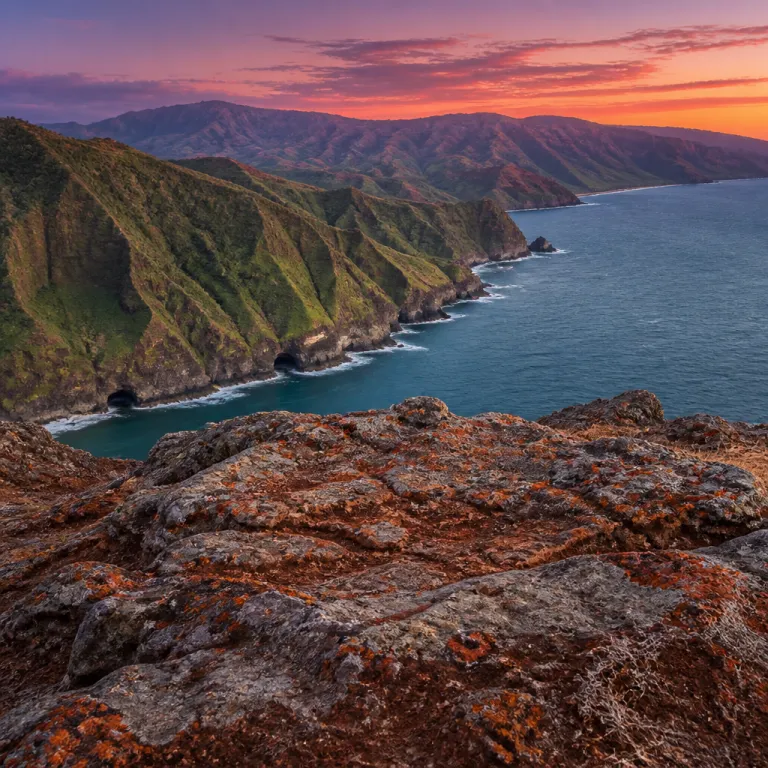
The north shore of Kauai is where the island feels most dramatic, with steep pali cliffs dropping straight into the sea. When you drive from Hanalei toward the end of the road at Keʻe, every curve reveals a new beach, a new shore, and new views of the Nāpali Coast. This is the stretch that convinces many travelers they chose the best island in Hawaii for scenery.
At Keʻe Beach, the Kalalau Trail begins its famous traverse of the Nāpali Coast, and even the first section is a memorable hike. The initial miles to the Hanakapiʻai Falls junction climb steadily, but the reward is a sweeping perspective over the pali coast and the turquoise water below. If you continue on the Hanakapiʻai Falls trail, be prepared for mud, stream crossings, and a longer time commitment that still feels manageable for fit walkers.
Hanakapiʻai Falls themselves plunge into a cold pond that tempts many hikers into a quick swim. The falls are especially beautiful after rain, though the trail can become slippery, so proper footwear is essential for a safe experience. Always check weather conditions before you start this hike, because heavy rain upstream can change stream levels and turn a pleasant outing into a risky situation.
Between Hanalei and Keʻe, several side roads lead to smaller coves that feel like a secret beach, especially early or late in the day. These beaches often have limited parking and no facilities, which helps preserve their quiet character and unspoiled shore. Respect local residents by parking only in marked areas and keeping noise low, so that these beautiful places remain welcoming to visitors.
Food options along this stretch of coast are simple but satisfying, with food trucks near Hanalei Bay serving fresh fish, tacos, and excellent coffee. A plate from a truck eaten on the beach can feel like one of the best things you do in Kauai, especially after a long hike on the Kalalau Trail. For dessert, many travelers head back into Hanalei for shave ice, choosing tropical flavors that taste particularly refreshing after a hot day on the north shore.
If you plan to hike from Keʻe, be aware that parking is limited and often requires advance reservations, especially in peak season. Day use permits for the Kalalau Trail and access to Hāʻena State Park are managed through official reservation systems, and typical closures follow heavy rain, high surf, or maintenance work on the trail. Checking current rules, parking availability, and permit details with state park managers before you drive out avoids disappointment at the end of the road.
Waimea Canyon, state parks, and the high viewpoints of western Kauai
When you consider where to go in Kauai beyond the north shore, Waimea Canyon on the west side should be at the top of your list. Often called the Grand Canyon of the Pacific, this deep gorge cuts across the island interior with layers of red rock, green vegetation, and distant waterfalls. The drive up from the coast passes several viewpoints where you can stop, stretch, and take in the changing views.
Waimea Canyon State Park offers multiple lookouts and short trails that suit different fitness levels and available time. Some visitors are content to admire the canyon from the main viewpoints, while others choose a longer hike that dips along the rim for a more immersive experience. Either way, the combination of cool air, sweeping vistas, and the sense of scale makes this one of the best things to do in Kauai.
As you continue uphill, the road enters Kōkeʻe State Park, where the forest becomes denser and the temperature drops noticeably. Here, trails lead to viewpoints over the upper Nāpali Coast, giving you a rare chance to look down on the pali cliffs from above rather than from the sea. On clear days, the views stretch across the coast to the horizon, while on misty days the clouds create a shifting, atmospheric scene.
Several trails in Kōkeʻe State Park are well marked, but you should always check mileage and elevation gain before committing. The combination of altitude and humidity can make even a moderate hike feel more demanding than expected, especially for those unused to tropical conditions. Carry water, wear sturdy shoes, and allow extra time so that you can pause at viewpoints without rushing.
Driving from the south shore resorts to Waimea Canyon takes roughly an hour, depending on traffic and photo stops. Many travelers pair a morning in the canyon with an afternoon swim at a south shore beach, creating a day that showcases both the interior and the coast of Kauai. If you prefer to focus entirely on hiking, you can spend a full day exploring different trails in both Waimea Canyon State Park and Kōkeʻe State Park.
Parking at popular lookouts in Waimea Canyon and Kōkeʻe is usually paid for non residents, with fees supporting maintenance and safety in these state park areas. Machines or staffed booths near the main lots handle payment, and rangers may close specific viewpoints or trails during heavy rain, high winds, or rockfall risk. Checking current parking rules and any temporary closures through official state park information before you set out helps you make the most of clear weather windows.
East side trails, Sleeping Giant, and everyday life between coasts
The east side of Kauai, sometimes called the Coconut Coast, offers a different rhythm from both the north shore and the canyon region. Here, you find a mix of residential areas, small towns, and coastal paths that make it easy to blend sightseeing with glimpses of everyday island life. This area is also practical, with supermarkets, casual food options, and a central location that reduces driving time to many attractions.
One of the most popular hikes on this side of the island is the Sleeping Giant trail, which climbs a ridge that resembles a reclining figure when seen from a distance. Several routes lead to the top, each offering slightly different views of the coast, the interior, and the surrounding towns. The hike is not technical, but it is steep in places, so you should wear proper shoes and avoid starting in the heat of midday.
From the summit of Sleeping Giant, you can see how the island’s coasts, valleys, and ridges fit together. The views stretch toward the north shore, across the central plateau, and down to the east side shore where waves break over reefs. It is a great place to reflect on where to go in Kauai next, because you can literally see many of your options laid out below.
Along the east coast, a paved path follows the shore for several kilometres, making it ideal for walking or cycling without traffic. This route passes several small beach parks where you can pause for a swim, a picnic, or simply to enjoy the beautiful light on the water. Families often appreciate this area because the beaches are easier to reach and the waves are gentler than on some exposed parts of the coast.
Food culture on the east side is casual and varied, with food trucks, cafés, and small restaurants serving everything from poke bowls to strong local coffee. Many travelers stop here on their way between the airport and the north shore, turning a simple transfer into a relaxed meal with ocean views. If you are curious about other refined coastal journeys, you can explore an elegant journey through southern Italy in a detailed guide to where to go in Puglia, which pairs well with planning a future trip beyond Kauai.
Because this area sits between major attractions, it is also a convenient base for those who want to balance beach time, trail days, and cultural visits. You can drive to Waimea Canyon, the north shore, or the south shore in reasonable time, then return to a central location each evening. For many repeat visitors, this blend of practicality and access makes the east side one of the best places to stay on the island.
South shore beaches, coastal walks, and relaxed days by the sea
The south shore of Kauai is known for its sunny weather, making it a reliable choice when other parts of the island are cloudy or wet. If you are wondering where to go in Kauai for consistent beach days, this is often the answer. The coastline here combines sandy bays, lava rock shelves, and gentle trails that follow the shore.
Poʻipū Beach is the main hub, with a protected swimming area, a small surf break, and frequent sightings of turtles resting on the sand. Families appreciate the calm water and the presence of lifeguards, while snorkelers enjoy the chance to see fish close to shore without a long swim. Nearby, a coastal trail leads along the lava cliffs, offering beautiful views of the coast and the open ocean.
Further along the south shore, smaller beaches feel more secluded, especially early in the morning or late in the afternoon. These coves can feel like a secret beach, though they are usually accessible by short paths from the road rather than long hikes. Always check local guidance on currents and conditions, because some of these spots have stronger waves and no lifeguards.
Food options on the south shore range from resort restaurants to casual cafés and food trucks parked near popular beaches. Many visitors enjoy starting the day with strong local coffee, then returning later for a relaxed dinner after a sunset walk along the shore. The combination of reliable weather, easy swimming, and good food makes this area one of the best things about a longer stay in Kauai.
If you are staying on the north shore, allow enough time to drive to the south coast, especially during busy periods. The miles may not seem large on a map, but narrow roads and scenic stops can extend the journey. Plan your day so that you can enjoy both the beach and a short trail without feeling rushed.
Some travelers choose to split their accommodation between the south shore and the north shore to experience both sides of the island fully. This strategy works particularly well if you want to combine relaxed beach days with more demanding hikes along the Nāpali Coast or in Waimea Canyon. By allocating time on each coast, you gain a more complete understanding of the island’s varied landscapes and microclimates.
Boat tours, waterfalls, and practical tips for a safe Kauai experience
To appreciate the full scale of the Nāpali Coast, a boat tour is often the most impressive option. Departures usually leave from the south or west side of the island, then follow the pali coast beneath towering cliffs carved by time and weather. On calm days, some tours include snorkelling stops and close approaches to sea caves, creating an experience that feels both dramatic and intimate.
From the water, you can see waterfalls dropping from the high plateau into the sea, along with narrow valleys that are inaccessible by road or standard trail. These views complement what you see from the Kalalau Trail or from Kōkeʻe State Park, giving you a three dimensional understanding of the Nāpali Coast. If you are prone to seasickness, choose a larger boat and a morning departure, when conditions are often gentler.
Inland, several waterfalls are accessible by short walks or moderate hikes, each with its own character. Some falls end in a cold pond where swimming is allowed, while others are best admired from a safe distance due to currents or rockfall risk. Always respect posted signs and local advice, because conditions can change quickly after heavy rain.
When planning where to go in Kauai, factor in not only the best things to see but also the time needed to move between them. The island’s roads are mostly two lane, and scenic stops, one lane bridges, and occasional roadworks can extend driving time beyond what navigation apps suggest. Renting a car remains the most flexible option, as public transport is limited and does not reach many trailheads or remote beaches.
Safety on trails and coasts is a shared responsibility between visitors and local authorities. The Kauai Visitors Bureau and local tour operators regularly remind travelers to check weather forecasts, wear appropriate footwear for any hike, and respect closures in state park areas. As one official answer notes, “Some sites may charge fees; check official websites for details.”
For up to date information on attractions, seasonal variations, and any access changes, consult the Kauai Visitors Bureau or the Hawaii Tourism Authority before your visit. These organisations track annual visitors, trail conditions, and conservation measures, helping you plan an experience that is both enjoyable and respectful of the island. By combining reliable information with your own sense of curiosity, you can shape a journey that balances iconic sights with quieter corners of Kauai.
Key figures and practical statistics for planning your Kauai trip
- Kauai receives around 1.3 million visitors per year, according to recent data from the Hawaii Tourism Authority, which means popular sites like Hanalei Bay and Waimea Canyon can feel busy during peak holiday periods.
- The best time to visit Kauai for pleasant weather and fewer crowds is generally from April to June and from September to November, which helps you enjoy trails and beaches with more space and milder temperatures.
- Driving from Līhuʻe Airport to Hanalei on the north shore covers roughly 50 kilometres, but the journey often takes over an hour because of narrow roads, one lane bridges, and frequent scenic stops.
- Boat tours along the Nāpali Coast typically last between 4 and 6 hours, so you should plan meals, sun protection, and motion sickness precautions for a half day experience on the water.
- Waimea Canyon viewpoints sit at elevations of more than 1 000 metres above sea level, which brings cooler temperatures and occasional clouds compared with the warmer conditions at the coast.
FAQ about where to go in Kauai
What is the best time to visit Kauai for hiking and beaches ?
The most comfortable periods for combining hikes and beach days are from April to June and from September to November, when temperatures are warm but not extreme and crowds are lighter. Trails such as the Kalalau Trail, Sleeping Giant, and routes in Waimea Canyon are usually more pleasant then, though you should always check current weather. Winter months can bring bigger surf to the north shore, which is impressive to watch but less suitable for casual swimming.
Do I need a rental car to reach the main attractions ?
A rental car is strongly recommended, because public transport on Kauai is limited and does not serve many trailheads or remote beaches. With a car, you can reach the north shore, Waimea Canyon, Kōkeʻe State Park, and various secret beach locations at your own pace. Taxis and rideshare services are not always available in rural areas, especially early in the morning or late at night.
Are there entrance fees for state parks and popular sites ?
Some state park areas, such as Waimea Canyon State Park and Kōkeʻe State Park, may charge parking or entrance fees for non residents. The same applies to certain coastal access points and managed trailheads, where fees support maintenance and conservation. Always check official websites or contact the Kauai Visitors Bureau before your visit to confirm current prices and any reservation requirements.
How challenging is the Kalalau Trail along the Napali Coast ?
The Kalalau Trail is considered one of the more demanding hikes in Hawaii, with steep sections, exposed cliffs, and often muddy conditions. Many visitors choose to walk only the first section to the Hanakapiʻai Falls junction, which still offers impressive views of the pali coast without the full commitment. Permits are required for overnight trips, and you should never attempt long sections in bad weather or without proper preparation.
Is Kauai suitable for families with young children ?
Kauai works very well for families, provided you choose activities and locations that match your children’s ages and swimming abilities. South shore beaches such as Poʻipū offer protected areas with lifeguards, while short trails and coastal paths allow for gentle walks with frequent breaks. Planning extra time for transfers, naps, and flexible meal stops will help keep the experience relaxed for everyone.