Where to go in Portugal for your first itinerary
Portugal is compact, but choosing where to go can still feel overwhelming. The country offers layered history, Atlantic light, and a rhythm of daily life that rewards slow travel. To shape a first itinerary, think in clear clusters of city, coast, and countryside rather than a long checklist of towns.
Start with Lisbon, the capital city that anchors almost every journey through Portugal. This city combines hilltop castles, tram lined cobbled streets, and a food scene that ranges from traditional tascas to contemporary Portuguese chefs. When visiting Portugal for the first time, plan at least three full days in Lisbon to balance the main sights with quieter neighbourhood walks and evenings in local squares.
Porto, the second city, deserves a dedicated stop rather than a rushed day trip from Lisbon. The steep riverbanks of Porto offer some of the most memorable views in the country, especially at sunset from the Dom Luís I Bridge. Many travellers split their time between Lisbon and Porto, often searching for a combined itinerary when planning one week in Portugal and comparing how each city feels over a few days.
Between these two cities, you will find smaller places that reveal a different pace. Coimbra, with its ancient university, and the medieval city of Évora both showcase historic layers without the capital’s intensity. These stops are ideal when you want to step off the main path visitors usually follow, yet still rely on trains rather than a rental car for most of your route.
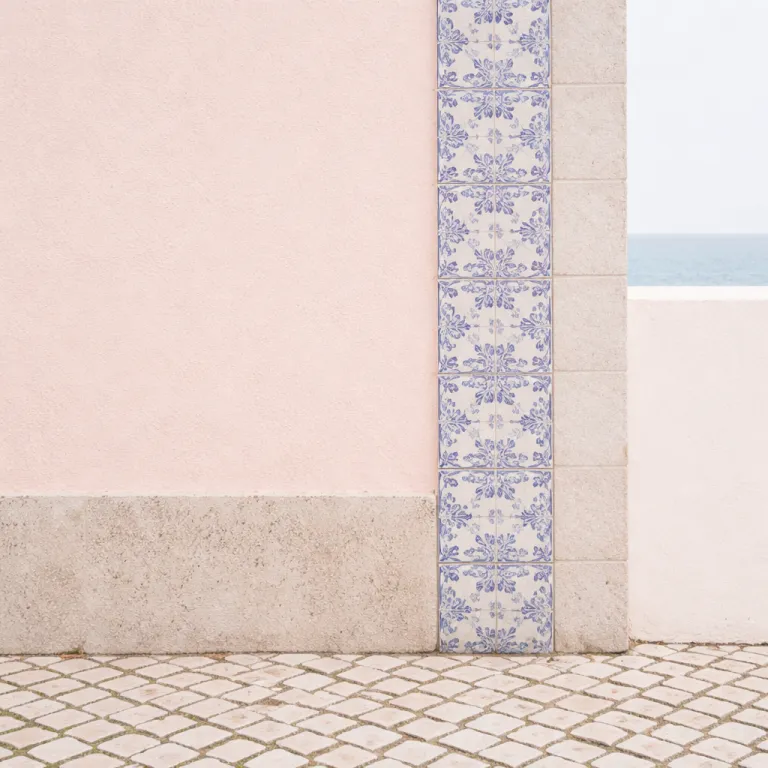
When you visit Portugal for the first time, focus on a few regions instead of chasing every famous town. A classic route links Lisbon, Sintra, Coimbra, Porto, and the Douro Valley, creating a balanced mix of cities, wine country, and coastal views. This path keeps travel distances short, which leaves more time for the simple pleasures: lingering in cafés, tasting regional dishes, and watching the light change over tiled façades.
Lisbon city guide: neighbourhoods, viewpoints, and where to stay
Lisbon is where many travellers start asking themselves which city to choose for culture, food, and nightlife. The capital rises from the Tagus River in a series of hills, each neighbourhood offering different things to see and different rhythms of daily life. Choosing where to stay in Lisbon shapes how you experience the city’s light, sounds, and late evening walks through miradouros and side streets.
For first time visitors, Baixa and Chiado place you close to many of the main attractions. Here you can stroll broad avenues, ride the Santa Justa Lift, and wander up into Bairro Alto’s cobbled streets for sunset views. Expect mid range hotel prices here, with typical doubles starting around €120–€180 per night in high season. These central districts are lively, so light sleepers may prefer the calmer residential streets of Príncipe Real or Campo de Ourique, where cafés and small parks set a slower tone and guesthouses often feel more local.
Alfama is the oldest part of the city, a maze of lanes that tumble down from the Castelo de São Jorge. In this historic quarter, whitewashed houses lean over narrow alleys, and you hear Fado music drifting from small taverns at night. Staying here places you close to some of the best viewpoints in Lisbon, but the steep climbs and steps can be demanding after a long day of exploring the city’s hills, and taxis or ride shares may be more practical than trams if you are carrying luggage.
Belém, further west along the river, works well as a day trip from the centre of Lisbon. Here you visit the Jerónimos Monastery, the Belém Tower, and the riverside promenade, then pause for the famous custard tarts at Pastéis de Belém. Many travellers combine Belém with a walk or tram ride back into the city, creating one of the classic half day excursions within Lisbon itself that still fits into a short stay.
If you enjoy planning trips around festivals and cultural calendars, you may appreciate how other destinations curate their events. Reading about a year of festivals in Oaxaca, for example, can inspire you to time your Portugal trip with Lisbon’s own celebrations, such as the Festas de Lisboa in June, when sardines grill on street corners and parades wind through the historic centre. Whatever your timing, Lisbon rewards slow mornings in cafés, long riverfront walks, and evenings spent watching the city lights flicker across the water.
Porto, Coimbra, and the Douro Valley: northern Portugal in depth
Northern Portugal answers the question of where to travel when you want river landscapes, academic heritage, and wine culture. Porto sits at the mouth of the Douro River, its historic centre cascading down towards the water in terraces of tiled façades. Across the river in Vila Nova de Gaia, the famous port wine lodges anchor one of the most distinctive experiences in the city: guided tastings and cellar tours at houses such as Sandeman, Graham’s, or Taylor’s.
Walking through Porto, you move between grand squares, steep staircases, and viewpoints that frame the river in different ways. The city’s São Bento station, lined with azulejo tiles, tells stories from Portuguese history in blue and white scenes. For many travellers, Porto offers some of the most atmospheric views in Portugal, especially at dusk when the bridges and riverside houses begin to glow and the river traffic slows.
Coimbra lies between Lisbon and Porto, making it a natural stop when you travel by train or rental car. The city is home to one of Europe’s oldest universities, and its hilltop campus overlooks a town of cobbled streets and riverfront promenades. Spending a night here, rather than treating it as a quick stop, allows you to experience student life, traditional music, and quieter evening walks along the Mondego River, when the day trippers have gone.
East of Porto, the Douro Valley stretches inland in a series of terraced vineyards carved into steep hillsides. This region is one of the best areas in Portugal for wine tasting, river cruises, and scenic drives along winding roads. Many visitors arrange a day trip from Porto, but staying overnight in the valley lets you watch the light shift across the slopes and taste local dishes paired with Douro wines at small quintas, where simple set menus might cost €20–€35 per person including house wine.
If you are drawn to nature rich itineraries, you might compare northern Portugal with other destinations known for landscapes and wildlife. Guides that explain where to go in Costa Rica for nature and culture can help you frame what you want from visiting Portugal’s countryside. In the north, combine Porto, Coimbra, and the Douro Valley to balance urban energy, academic history, and vineyard calm within a single trip.
Sintra, Nazaré, and the Atlantic coast: castles, cliffs, and beaches
When travellers ask where to go in Portugal beyond the main cities, Sintra almost always appears near the top of the list. This town, set in forested hills west of Lisbon, is known for its palaces, castles, and misty gardens. The historic centre’s cobbled streets can feel crowded, so arrive early and plan your route carefully to avoid backtracking between hilltop sites.
Sintra’s highlights include the colourful Palácio da Pena, the Moorish Castle, and the romantic Quinta da Regaleira with its famous initiation well. Each place offers different views over the surrounding hills and out towards the Atlantic coast, especially on clear days. To make the best use of your time, choose two or three key sights rather than trying to see every palace in a single day trip from Lisbon.
From Sintra, many travellers continue towards the sea to explore the rugged coastline around Cabo da Roca and the resort town of Cascais. Here you find dramatic cliffs, small coves, and promenades that invite long walks at sunset. These coastal towns work well as part of a wider itinerary that links city, forest, and ocean within one region and keeps daily travel distances short.
Further north, Nazaré has become famous for its giant winter waves, which attract big wave surfers and spectators from around the world. Outside the peak surf season, the town offers long beaches, a working fishing harbour, and a more relaxed atmosphere. Nazaré’s upper town, reached by funicular, provides sweeping views along the coast and over the whitewashed houses below, especially striking in late afternoon light.
Travellers who love sea air often compare Portugal’s Atlantic coast with other ocean facing destinations that balance beaches and culture. Articles on where to travel in summer to avoid peak crowds can help you decide whether to prioritise Nazaré, Cascais, or quieter fishing villages when you visit. Whatever you choose, the combination of cliffs, beaches, and traditional Portuguese towns makes this stretch of coast one of the best places for a slower, more contemplative trip.
Algarve, national parks, and outdoor adventures off the beaten path
For many visitors, the Algarve region answers the question of where to go in Portugal for beaches and coastal walks. The southern shoreline combines golden cliffs, sheltered coves, and fishing towns that have grown into resort hubs. To experience the best of the Algarve, look beyond the busiest strips and seek out smaller places where local life still shapes the rhythm of the day and evenings feel unhurried.
The western Algarve, around Lagos and Sagres, offers some of the most dramatic sea views in the country, especially at sunset from the cliffs of Cabo de São Vicente. Here, the Atlantic feels wilder, and the beaches attract surfers, walkers, and travellers who prefer a more rugged coastline. These are excellent destinations if you want to step slightly off the main tourist trail while still enjoying good infrastructure and frequent bus links.
Inland, Portugal’s national parks reveal a different side of the country, far from the coastal crowds. Peneda Gerês National Park in the north is the only official national park, a landscape of granite peaks, traditional villages, and clear rivers. Exploring this region often requires a rental car, but the reward is a sense of remoteness that travellers rarely experience on short city breaks or quick coastal holidays.
Hiking, kayaking, and rural stays in these areas show why interest in sustainable travel and nature based trips to Portugal continues to grow. You can combine a few days in a national park with time in Porto or Braga, creating an itinerary that balances culture and outdoor activity. For many, these landscapes become the hidden gem memories that define their answer when friends later ask where to go in Portugal.
When planning such routes, remember that “beaten path” does not mean you must avoid popular places entirely. Instead, visit famous beaches and towns at quieter times of day, then retreat to smaller villages or countryside guesthouses at night. This approach lets you enjoy the highlights of the Algarve and the national parks while still feeling that you have found your own corner of Portugal.
Islands, inland towns, and genuine hidden gems in Portugal
Beyond the mainland, the islands of Madeira and the Azores expand the conversation about where to go in Portugal for nature and seascapes. Madeira, often called the “floating garden”, offers levada walks, dramatic cliffs, and subtropical gardens within a relatively compact island. The Azores archipelago, scattered across the Atlantic, combines volcanic lakes, hot springs, and whale watching with a slower, more contemplative style of travel.
On Madeira, the levada irrigation channels form narrow paths that contour the mountains, offering some of the best views over terraced hillsides and coastal cliffs. These walks are among the most rewarding things to do on the island, especially if you enjoy moderate hikes with frequent viewpoints. Many travellers consider Madeira a hidden gem within Portugal, particularly outside peak holiday seasons when the trails and towns feel calmer and more local.
The Azores reward visitors who value landscapes shaped by volcanic forces and Atlantic weather. São Miguel’s crater lakes, such as Sete Cidades, and the hot springs of Furnas create places to explore that feel distinct from mainland Portugal. Renting a car here allows you to discover small towns, black sand beaches, and viewpoints at your own pace, often with few other travellers in sight even in busier months.
Back on the mainland, inland towns like Évora and Braga offer quieter alternatives to the main coastal cities. Évora’s Roman temple, medieval walls, and whitewashed houses clustered around sunlit squares create a strong sense of historic continuity. Braga, known for its baroque churches and religious festivals, adds another layer to the question of where to go in Portugal when you want living traditions rather than museum pieces.
These islands and inland towns show that the most rewarding places in Portugal are not limited to Lisbon, Porto, or the Algarve. By including at least one island or interior city in your itinerary, you experience different dialects, regional dishes, and local customs. Over time, these varied encounters with Portuguese life become the stories you share when others ask which places in Portugal impressed you most.
Practical tips for visiting Portugal: transport, timing, and trip design
Designing an itinerary for Portugal works best when you match regions to your interests and travel style. City lovers might focus on Lisbon, Porto, and Coimbra, while beach seekers prioritise the Algarve and the Atlantic coast. Those drawn to landscapes and quiet towns may choose the Douro Valley, national parks, and inland cities as their core stops, then add short coastal breaks.
Public transport between major cities is reliable, with fast trains linking Lisbon, Coimbra, and Porto in a few hours. As of 2024, the quickest Alfa Pendular services take around 2 hours 50 minutes between Lisbon and Porto, while Intercidades trains are slightly slower but often cheaper. Buses and regional trains connect many smaller towns, but a rental car offers more flexibility for national park visits, rural villages, and spontaneous detours.
Spring and autumn are widely regarded as the best times for visiting Portugal, thanks to milder temperatures and fewer crowds. Coastal areas remain pleasant, cities feel more comfortable for walking, and rural landscapes are often at their greenest. According to tourism data for 2023 from Turismo de Portugal, the country welcomes tens of millions of visitors each year, so travelling outside peak summer months can significantly change your experience of the same places.
When planning where to stay, consider splitting your time between a major city and a smaller town or countryside base. For example, combine Lisbon with Sintra or the Alentejo, or pair Porto with the Douro Valley or Peneda Gerês National Park. This structure lets you enjoy the best aspects of urban life, such as museums and restaurants, alongside quieter days of walking, wine tasting, or simply watching village life unfold.
To make these choices more concrete, imagine a 10 day route: Days 1–3 in Lisbon with a half day in Belém; Day 4 in Sintra; Day 5 travelling to Coimbra and exploring the university; Days 6–7 in Porto with an afternoon in Vila Nova de Gaia; Day 8 on an overnight trip to the Douro Valley; Day 9 returning to Porto for markets and riverfront walks; and Day 10 as a flexible buffer for last minute shopping or a short coastal excursion. This kind of structure keeps travel days manageable while still covering several regions.
Common questions about visiting Portugal include safety, visas, and language, and the answers are reassuring for most travellers. Portugal is considered one of the safest countries in Europe for visitors, with low violent crime rates according to the Global Peace Index. English is widely spoken in tourist areas, the Euro is the currency, and many nationalities can visit visa free for short stays under the Schengen rules, which simplifies last minute decisions about where to go.
Key statistics about travel in Portugal
- Portugal has 17 UNESCO World Heritage Sites, which is a high concentration for a country of its size and helps explain why so many historic city centres and cultural landscapes feel remarkably well preserved (source: UNESCO World Heritage Centre, accessed 2024).
- Portugal welcomes around 27.9 million international tourists per year, a figure that places it among Europe’s most visited countries and underscores the value of seeking less crowded places and off the beaten path itineraries (source: Statista, inbound tourism data for 2019).
- Peneda Gerês National Park is the only official national park in Portugal, which makes it a particularly important destination for travellers interested in hiking, wildlife, and traditional mountain villages.
- Lisbon and Porto together account for a significant share of overnight stays in Portugal, so adding towns like Coimbra, Évora, Braga, or Nazaré can help distribute your time more evenly across different regions.
- The Douro Valley is one of the world’s oldest demarcated wine regions, and its terraced vineyards are a major reason why wine tasting and river cruises rank among the most popular activities when you visit Portugal.
FAQ about where to go in Portugal
What is the best time to visit Portugal for a first trip ?
Spring and autumn offer the most comfortable balance of weather, daylight, and crowd levels for a first visit to Portugal. Coastal cities like Lisbon and Porto feel pleasant for walking, while inland areas and national parks are neither too hot nor too cold. These seasons also make it easier to enjoy popular places without the peak summer congestion that can affect beaches and historic centres.
Should I focus on Lisbon or Porto if I have limited time ?
If you have only a few days, Lisbon generally offers more varied neighbourhoods, viewpoints, and day trip options within a compact area. Porto, however, feels more intimate and is ideal if you value river scenery and wine culture. With five to seven days, many travellers choose to split their time between Lisbon and Porto, using the train to move between the two cities and adding one short excursion from each base.
Do I need a rental car to explore Portugal properly ?
You can comfortably visit Lisbon, Porto, Coimbra, and several other cities using trains and buses, without renting a car. A rental car becomes more useful when you want to explore the Douro Valley, national parks, rural villages, or smaller coastal towns at your own pace. For many itineraries, a mixed approach works well: public transport between major hubs, then a short car rental for specific regions.
Is Portugal a safe country for solo travellers ?
Portugal is widely regarded as one of the safest countries in Europe for solo travellers, including women and older visitors. Standard urban precautions apply in busy areas, but violent crime rates are low and locals are generally helpful towards visitors. Choosing well located accommodation in central neighbourhoods of Lisbon, Porto, and other cities further enhances both safety and convenience.
How many places should I include in a 10 day Portugal itinerary ?
For a 10 day trip, most travellers enjoy visiting three to four main bases rather than rushing through many cities. A balanced route might include Lisbon, Porto, the Douro Valley, and either Sintra or the Algarve, with day trips from each base. This structure allows time for the most rewarding experiences in each place, from historic walks to wine tasting, without feeling constantly in transit or spending every day packing and unpacking.