Choosing where to go in Spain for your first or next trip
Working out where to go in Spain starts with one question: how many days do you have, and what kind of city or coastline excites you most? With clear priorities, you can match the best Spanish destinations to your time, budget and travel style.
Spain welcomes around 85 million visitors each year, so choosing the right mix of cities and regions makes a real difference. According to the UN World Tourism Organization’s 2024 tourism highlights (data for 2023), Spain received 85.1 million international arrivals, placing it among the world’s top three destinations by visitor numbers (UNWTO, 2024). Spring and autumn are widely considered the best time to visit Spain because temperatures are pleasant and crowds are lighter. As Spain’s national tourism authorities note in their seasonal travel advice, “Spring and autumn offer pleasant weather and fewer crowds” (Turespaña, 2024).
Think of Spain as a mosaic of distinct regions rather than one uniform country. The capital city Madrid, creative Barcelona, soulful Sevilla and coastal San Sebastián each feel like different worlds. When you design any itinerary around two or three contrasting cities, you experience the country’s diversity without rushing every day.
Transport between each major urban hub is straightforward, which helps you use your days wisely. High speed trains link Madrid, Barcelona, Sevilla and Valencia in a few hours, while domestic flights connect more distant areas such as the Canary Islands. Within each city, efficient public transport and walkable historic centres make it easy to visit key sights without renting a car.
For travellers who enjoy shoulder season sunshine, Spain’s Mediterranean coast is especially appealing. You can pair a cultural city break with time by the sea, then add a rural day trip to a nearby village or vineyard. If you like this balance of culture and coast, you may also appreciate this guide to nature, beaches and culture in Costa Rica for a future long haul journey.
Before you choose specific regions to explore, consider your pace. With five to seven days, focus on one major city such as Madrid or Barcelona plus one smaller destination. With ten days or more, you can comfortably include three cities, one coastal stretch and at least one UNESCO World Heritage Site.
Madrid and Barcelona: essential urban stops for art, food and nightlife
For many travellers deciding where to go in Spain, the choice begins with Madrid or Barcelona. Each city offers world class museums, energetic nightlife and excellent food, yet the atmosphere in these two urban centres could not be more different. Understanding their character helps you decide how many days to spend in each place.
Madrid, the capital city and political heart of Spain, feels proudly Castilian and intensely local. The historic centre around Plaza Mayor and the elegant Plaza de Oriente invites slow walks between cafés, traditional taverns and theatres. A classic Madrid day might start with churros and chocolate, continue with art at the Prado Museum and end with tapas in La Latina.
Art lovers should allow at least two full days in Madrid to appreciate the Prado, Reina Sofía and Thyssen Bornemisza museums. These three institutions form the city’s Golden Triangle of Art and hold masterpieces by Velázquez, Goya and Picasso. If you have more time, extend your trip by adding a day excursion to UNESCO listed cities such as Toledo or Segovia.
Barcelona, by contrast, looks outward to the Mediterranean and feels distinctly Catalan. The city’s skyline is defined by Antoni Gaudí’s Sagrada Família and the sinuous façades of Passeig de Gràcia, which make Barcelona one of Europe’s most visually striking urban landscapes. Between the Gothic Quarter, the waterfront and the hills of Montjuïc, you can easily fill three or four days without repeating places.
Many visitors choose to visit both Madrid and Barcelona on the same journey, linked by a high speed train that takes around three hours. This combination gives you a powerful contrast between the royal boulevards of the capital and the creative energy of the Catalan coast. When you compare these two cities, Madrid excels in traditional culture while Barcelona shines in design, architecture and seaside ambience.
For a balanced itinerary, spend at least one Madrid day focused on museums and another on neighbourhood life. In Barcelona, dedicate one day to Gaudí’s works, one to the old city and waterfront, and one to a relaxed exploration of local markets and beaches. If you are planning spring travel around the Mediterranean more broadly, this article on where locals go in the Mediterranean before the crowds offers useful seasonal context.
Andalucía: Sevilla, Granada and the magic of southern Spain
When travellers ask where to go in Spain for romance, history and warm evenings, the answer is often Andalucía. This region in southern Spain blends Moorish palaces, whitewashed villages and flamenco culture in a way that feels uniquely atmospheric. The cities of Sevilla, Granada and Córdoba form a triangle of heritage that rewards slow travel.
Seville, or Sevilla in Spanish, is the region’s capital and one of the most beautiful cities in the country. Its historic core is dominated by the cathedral, the Giralda tower and the Real Alcázar, all set around intimate lanes scented with orange blossom. Plan at least two days in Seville to appreciate its plazas, riverfront and neighbourhoods such as Triana.
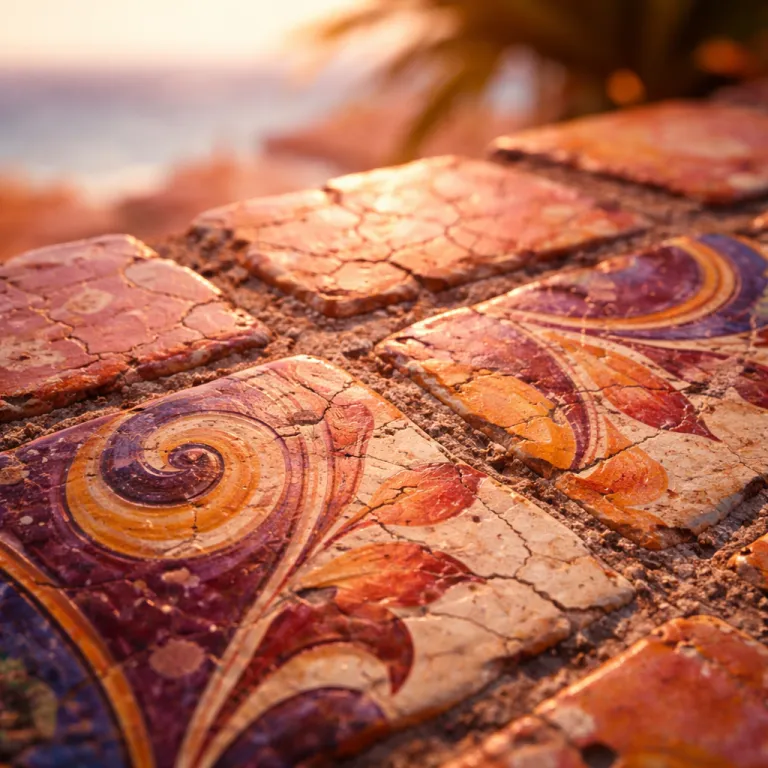
The Plaza de España in Sevilla is one of the most photographed places in Spain, with tiled alcoves representing each province. This sweeping plaza espana, built for an international exposition, curves around a canal crossed by ornate bridges. Visiting at different times of day lets you see how the light changes the colours of the tiles and brickwork.
Granada lies at the foot of the Sierra Nevada and feels more compact yet equally rich in history. The Alhambra, a UNESCO World Heritage Site, is the city’s crown jewel and one of the best places to understand Spain’s Islamic past. Because ticket numbers are limited, you should book your visit weeks in advance and allow a full day for the palaces and gardens.
Beyond the Alhambra, Granada’s Albaicín district offers some of the most beautiful viewpoints in any Spanish city. From the Mirador de San Nicolás, you can watch sunset over the Alhambra with the mountains behind, a scene that defines many travellers’ memories of southern Spain. Spend at least two days in Granada so you can balance major monuments with relaxed evenings in tapas bars.
Many itineraries combine Sevilla, Granada and Córdoba into a week long cultural journey. High speed trains and buses make it easy to move between these historic centres, and each city offers excellent walking tours. If you enjoy this style of culturally rich travel, you might also appreciate this guide to cities, coasts and countryside in Portugal for a future Iberian journey.
San Sebastián, the Basque Country and the wild northern coast
Travellers who wonder where to go in Spain for cooler summers and refined food should look north. The Basque Country, with its green hills and Atlantic beaches, offers a very different experience from southern Spain. San Sebastián, known in Basque as Donostia, is the region’s most famous coastal city and a benchmark for gastronomy.
San Sebastián curves around a shell shaped bay framed by two small mountains and an offshore island. The city’s La Concha beach is often cited among the best urban beaches in Europe, yet the atmosphere remains elegant rather than crowded. Plan at least two or three days here to enjoy both the seaside and the renowned pintxo bars of the old town.
The wider Basque Country includes cities such as Bilbao and Vitoria Gasteiz, along with fishing villages like Getaria and Hondarribia. Many visitors base themselves in San Sebastián and take a day trip along the coast or inland to vineyards. This approach lets you experience both the urban culture and the rural landscapes that make this part of Spain so distinctive.
Food is a central reason many people choose this region when deciding where to go in Spain. San Sebastián alone holds a remarkable concentration of Michelin starred restaurants, while its casual pintxo bars turn every evening into a culinary tour. For the best experience, join a guided food walk on your first night, then return to your favourite places on subsequent days.
Weather on the northern coast can be changeable, which is part of its charm. Summer brings pleasant temperatures that rarely feel oppressive, while spring and autumn offer moody skies and dramatic seas. If you have extra time on your trip, consider combining the Basque Country with inland wine regions such as La Rioja for tastings and vineyard visits.
Compared with other Spanish cities, San Sebastián feels compact, walkable and quietly sophisticated. It works well as a stand alone long weekend or as part of a longer circuit through northern Spain that might also include Santiago de Compostela and the Picos de Europa. Whatever route you choose, this region shows a side of the country that many first time visitors never see.
Costa Brava and the Mediterranean coast: beaches, coves and coastal towns
For travellers asking where to go in Spain for clear water and rocky coves, the Costa Brava is a compelling answer. Stretching north from Barcelona towards the French border, this coastline combines fishing villages, pine covered cliffs and small sandy bays. It is one of the best areas in Spain for a relaxed seaside break with character.
Many visitors use Barcelona as a gateway to the Costa Brava, adding a few days by the sea after an urban stay. Trains and buses connect the capital of Catalonia with coastal towns such as Blanes, Tossa de Mar and Cadaqués. This makes it easy to design a trip that balances culture, food and time on the beach.
The Costa Brava is not a single resort but a string of distinct communities along the shore. Some towns feel lively and family oriented, while others remain quiet even in high season. When you research villages and small resorts on this coast, pay attention to the character of each place as well as its beaches.
For walkers, the old coastal paths known as camins de ronda link many of the most beautiful coves. You can base yourself in one town, then take a day trip along the path to neighbouring bays and villages. This slow approach reveals hidden swimming spots and viewpoints that you would never see from the main road.
Families often find the Costa Brava one of the best regions in Spain because distances are short and services are reliable. You can spend the day swimming, paddleboarding or exploring small heritage sites, then return to a seaside promenade for an evening stroll. With careful planning, even a few days here can feel like a complete holiday within a longer itinerary.
Elsewhere on the Mediterranean, regions such as the Costa del Sol and Costa Blanca offer a different style of coastal travel. These areas feature larger resort cities developed for international tourism, with long sandy beaches and extensive nightlife. If you prefer a quieter atmosphere, focus on the Costa Brava and smaller coastal towns along the northern Mediterranean.
Santiago de Compostela and Spain’s great heritage routes
Travellers who ask where to go in Spain for spiritual heritage and green landscapes often end up in Galicia. Santiago de Compostela, the endpoint of the Camino de Santiago pilgrimage routes, is one of the country’s most important religious destinations. The city’s cathedral and old town form a UNESCO World Heritage Site that attracts both pilgrims and cultural visitors.
Even if you do not walk the Camino, Santiago de Compostela is worth at least two days. The compact city centre is filled with granite squares, arcaded streets and historic colleges linked to one of Spain’s oldest universities. Early morning and late evening are the best times to experience the plazas when they are quiet and atmospheric.
From Santiago, you can take a day trip to the so called Costa da Morte or to Rías Baixas, where fjord like inlets cut into the coastline. These excursions show a very different side of Spain, with wild Atlantic beaches and seafood focused villages. Many travellers combine this region with the Basque Country or Asturias to create a northern Spain itinerary rich in landscapes and food.
Heritage routes are not limited to the Camino de Santiago. Across the country, you will find themed itineraries focused on wine, Roman sites, Islamic architecture or modernist buildings, each connecting multiple historic towns and cities. Using a specialised travel guide for these routes can help you structure your days and ensure you do not miss key places to visit.
When planning where to go in Spain around heritage themes, consider your tolerance for crowds and your preferred pace. Major UNESCO World Heritage Sites such as the Alhambra or the historic centre of Córdoba require advance booking and careful timing. Smaller heritage locations, by contrast, often allow for spontaneous visits and quieter experiences.
Spain’s network of high speed trains and regional rail lines makes it practical to link these heritage destinations. You might start in Madrid, continue to a cluster of historic towns, then end your trip with a few days on the coast. This structure gives you a satisfying mix of culture, scenery and rest without constant packing and unpacking.
Practical tips for planning your Spain itinerary by days and interests
Once you have a sense of where to go in Spain, the next step is to match your days to your priorities. Start by listing the cities and regions that inspire you, then group them by area to minimise travel time. From there, you can decide how many nights to allocate to each city and which day trips make sense.
For a seven day trip, a classic route is Madrid, Sevilla and a smaller town such as Córdoba or Toledo. Spend three days in the capital, two in Sevilla and two in the third destination, using trains to move between them. This itinerary gives you royal palaces, flamenco culture and at least one UNESCO World Heritage Site without feeling rushed.
With ten to fourteen days, you can comfortably include Barcelona, the Costa Brava or San Sebastián alongside central and southern Spain. One option is to start in Barcelona, continue to the Costa Brava for three days, then fly or take a train to Sevilla and Granada. Another is to focus on northern destinations, linking Santiago de Compostela, the Basque Country and perhaps León or Burgos.
When choosing places to visit, balance famous highlights with less crowded neighbourhoods and smaller plazas. In Madrid, for example, combine time in Plaza Mayor with walks through La Latina or Chamberí, where daily life unfolds at a gentler pace. In Sevilla, pair the grand Plaza de España with evenings in residential districts where locals gather in small bars.
Practical details matter as much as the list of sights. Book long distance trains in advance for the best fares, especially on popular routes between major hubs. Within each destination, use public transport and walking to keep costs down and to experience the rhythm of local streets.
Finally, remember that Spain rewards return visits. You do not need to see every city on your first journey, and leaving some destinations for later can be a pleasure. Focus on a coherent route, allow time for rest and unplanned moments, and you will come away with a deeper connection to the country’s cities, landscapes and people.
Key travel statistics about Spain
- Spain received about 85.1 million international tourists in 2023, according to the World Tourism Organization’s “UN Tourism Highlights 2024 Edition” (UNWTO, 2024), placing it consistently among the world’s top three destinations by visitor numbers.
- The country counts 50 UNESCO World Heritage Sites as of 2024, based on the official UNESCO World Heritage List for Spain (UNESCO, accessed 2024), which makes Spain one of the nations with the highest concentration of protected cultural and natural areas.
- Madrid’s average annual temperature is approximately 15 °C, as reported by the Spanish State Meteorological Agency in its climate normals for the period 1991–2020 (AEMET, 2024), which explains why the capital remains a comfortable city to visit in most seasons.
- Spain has about 8,000 km of coastline, according to the Spanish National Geographic Institute’s official geographic data (IGN, 2024), offering an exceptional variety of beaches, cliffs and coastal cities from the Costa Brava to Andalucía.
- There are four co official languages in Spain at the regional level, recognised by the Spanish Government in its language policy documentation (Government of Spain, 2024): Catalan, Galician, Basque and Aranese, reflecting the country’s strong regional identities and adding cultural depth to any itinerary.
Frequently asked questions about where to go in Spain
What is the best time to visit Spain for a first trip ?
For most travellers, the best time to visit Spain is during spring and autumn. Temperatures are generally mild, major cities such as Madrid and Barcelona feel more comfortable, and popular heritage sites are less crowded than in peak summer. These seasons also coincide with many local festivals, which add cultural interest to your itinerary.
How many days do I need to see Madrid and Barcelona ?
Plan at least three days in Madrid and three days in Barcelona if you want a balanced experience. This allows time for major museums, historic districts, key plazas and a relaxed evening or two in each city. With fewer days, focus on one city rather than rushing between both.
Is Spain safe for solo travellers ?
Spain is generally safe for solo travellers, including those exploring large cities and smaller destinations. As local authorities advise, you should exercise standard precautions such as watching your belongings in crowded areas and using licensed taxis or reputable transport services at night. Many visitors find that Spanish cities feel welcoming and easy to navigate alone.
Do I need a visa to travel to Spain ?
Visa requirements for Spain depend on your nationality and the length of your stay. Citizens of many countries can enter the Schengen Area for short visits without a visa, while others must apply in advance through a Spanish consulate. Always check the latest information from official government sources before finalising your trip.
Can I rely on public transport to move between Spanish cities ?
Yes, Spain has an extensive public transport network that makes it easy to travel between major cities and many regional destinations. High speed AVE trains link Madrid with Barcelona, Sevilla, Valencia and other hubs, while regional trains and buses serve smaller places. Within cities, metros, trams and buses are usually efficient, and walking remains the best way to experience historic centres.