Rethinking where to travel in summer: how to escape the queues
When you ask yourself where to travel in summer, you are usually offered the same crowded postcards. Warm weather, longer days, and school vacations make it ideal for trips, but they also funnel everyone into the same few streets and the same overbooked hotel rooms. The real question is where you can plan a summer vacation that still feels like travel, not a queue in the heat.
Peak season now concentrates on a narrow band of famous summer destinations, from Santorini to the Amalfi Coast and from Dubrovnik to Venice. At the same time, increased interest in domestic travel and a rise in eco friendly tourism are pushing curious travelers toward quieter state parks, lesser known national park regions, and under the radar coastal towns. The best strategy is to think in regions and rail lines rather than in viral beaches and to treat every trip as a chance to trade a little convenience for a lot more space.
Travelers, travel agencies, and local tourism boards are all reacting to this shift in summer travel habits. Airlines, hotels, and tour operators now use AI powered tools and mobile apps to help you find less obvious places where to stay and where to go. You can use the same booking websites and travel guides to plan a road trip to a national park, a long weekend on a quiet island, or a day trip to a state park that most visitors ignore.
One expert summary captures the seasonal pull very clearly. “Why is summer a popular time to travel? Warm weather, longer days, and school vacations make it ideal for trips.” That logic still holds, but the destinations that make the most sense are changing fast.
Albania’s Ionian coast: a quieter answer to the Greek beach crush
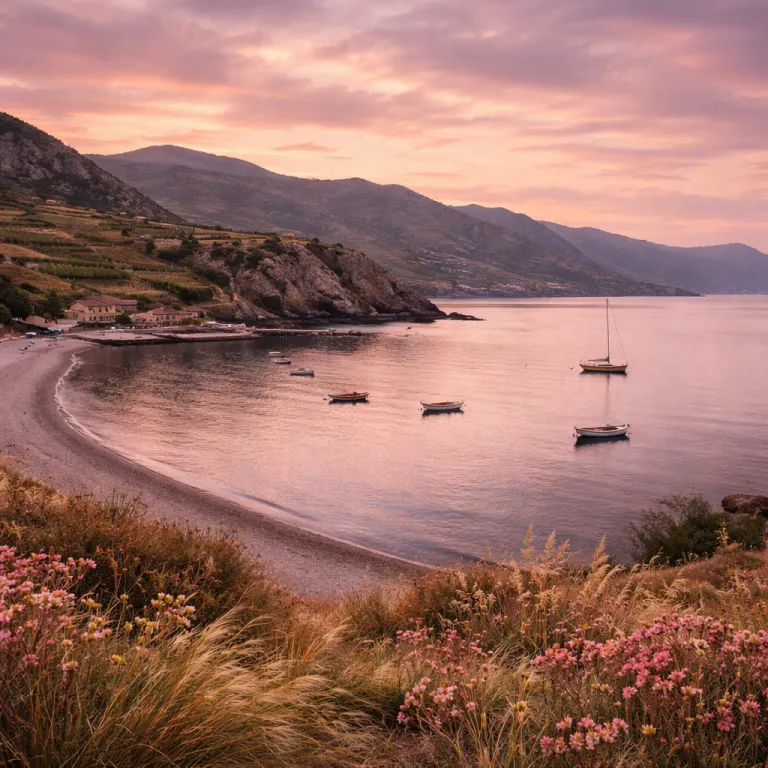
If you are wondering where to travel in summer for clear water without Greek island prices, look closely at Albania’s Ionian coast. South of Vlorë, the road winds past pebble coves, pine scented hillsides, and a string of small beach towns that still feel lived in. Ksamil, Himarë, and Qeparo offer the kind of simple beach resort atmosphere that Greece had before mass tourism, with family run guesthouses instead of sprawling complexes.
Prices for a comfortable hotel stay here are often half of what you would pay on a comparable island in Greece. You can swim before breakfast, then drive inland for a day trip to Gjirokastër or the cool stone villages of the Lunxhëri region. Many travelers combine a week on this coast with a road trip through the mountains of the Llogara Pass, which feels more like a national park than a highway.
The beaches along this stretch are varied enough to fill several days without repetition. You will find long shingle crescents that are perfect for families, tiny coves reached by short hiking paths, and rocky shelves where locals gather for late afternoon swims. Food is a highlight, with grilled fish, tomatoes that taste of the sun, and a food and wine culture that leans on both Greek and Italian influences.
If you still want a taste of the Greek islands, use ferries from Sarandë to Corfu and then explore less obvious Greek regions. For deeper planning on where to go in Greece beyond the usual stops, guides such as this detailed look at Greek islands and sea views can help you balance Albania with a quieter corner of the Aegean. Think of Albania as the base of your summer travel and Greece as the optional extra, not the other way around.
Madeira and the Faroe Islands: cool air, long days, and serious hiking
For travelers who wilt in the heat, the answer to where to travel in summer is simple ; go north or go high. Madeira, a Portuguese island in the Atlantic, offers a rare mix of levada hiking trails, natural swimming pools, and terraced vineyards that stay temperate even in August. The Faroe Islands, scattered between Scotland and Iceland, give you long days, dramatic cliffs, and weather that keeps the crowds away.
On Madeira, you can base yourself in Funchal and plan a different hiking route for several days in a row. The levadas, which are old irrigation channels, double as narrow walking paths that contour the mountains and lead you through eucalyptus forests, tunnels, and high viewpoints. After a morning on the trail, you can swim in the volcanic pools of Porto Moniz or relax in a small beach resort at Calheta, then end the day with simple food and wine in a village restaurant.
The Faroe Islands reward patience and a flexible mindset about weather. You might wake to fog, then find the sky clearing just in time for a hike above the village of Gásadalur or a coastal walk on Streymoy that feels like your own private national park. Long summer days mean you can fit in a day trip by boat, a short whale watching excursion, and a late evening photography session on the same day without feeling rushed.
Both archipelagos suit travelers who prefer a hotel as a base rather than constant moving. You can stay several days in one place, rent a car, and treat each valley or fjord as a separate trip. For a deeper editorial take on six lesser known regions that work especially well in peak season, including Madeira and the Faroes, see this analysis of lesser known summer regions that beat the crowds, which frames them as answers to the same question you are asking now.
Northern Japan’s Tohoku: festivals, forests, and hot springs away from Tokyo’s heat
When you think about where to travel in summer in Japan, most people jump straight to Hokkaidō or stay pinned to Tokyo and Kyoto. Tohoku, the northern part of Honshū, offers a quieter alternative with cooler evenings, dense forests, and some of the country’s most atmospheric hot springs. It is also where some of Japan’s most vivid summer festivals unfold without the crush of the capital.
Base yourself in cities such as Sendai, Aomori, or Morioka and use the shinkansen to move between prefectures in a few days. In August, the Nebuta Matsuri in Aomori and the Kanto Matsuri in Akita fill the streets with lantern floats and acrobatic pole bearers, yet you can still find a hotel room without booking a year ahead. Between festival days, head into the mountains for hiking in Towada Hachimantai National Park or along the Oirase Gorge, where mossy rocks and waterfalls offer natural air conditioning.
Onsen towns such as Nyūtō Onsen and Ginzan Onsen are ideal for slow summer travel. You can stay in a traditional inn, soak in outdoor baths framed by cedar forests, and plan a short day trip to nearby lakes or highland plateaus. Many travelers pair Tohoku with a few days in Tokyo or Sendai at the start or end of the trip, using rail passes to keep the overall cost reasonable.
Food is another quiet reason to love Tohoku in summer. Local markets showcase stone fruits, cold noodles, and regional sake that pairs well with simple grilled river fish, giving you a different side of Japanese food and wine culture than you might find in the big cities. This is a region where you can still walk into a small restaurant without a reservation and feel like a guest, not a number in a queue.
Interior Iberia: Extremadura and Alentejo for silence, stars, and slow roads
If your idea of where to travel in summer usually involves a beach, consider trading the coast for the interior of the Iberian Peninsula. Extremadura in Spain and the Alentejo in Portugal are vast, lightly populated regions of cork oak forests, whitewashed villages, and star filled skies. They are not cool in July and August, but they offer something rarer ; space, silence, and a pace that makes even a short trip feel long.
In Extremadura, you can base yourself in Cáceres or Trujillo and plan day trips to the Monfragüe National Park for birdwatching and river viewpoints. The region’s dehesa landscapes, where holm oaks shade grazing animals, feel like an open air state park with almost no one else around. Many travelers combine cultural visits to Mérida’s Roman ruins with slow afternoons in shaded plazas, then drive on to small villages where you will find simple hotels and family run restaurants.
Across the border, the Alentejo stretches from the Atlantic to the Spanish frontier, but its most rewarding summer travel often happens inland. Hill towns such as Évora, Monsaraz, and Marvão sit above reservoirs and rolling vineyards, giving you wide views and cool evening breezes. Wine tasting here is unhurried, with small producers happy to pour a few glasses and talk about soil rather than sales, and you can often stay on site in restored farmhouses that feel more like homes than resorts.
Driving between these regions turns into a kind of meditative road trip. Distances are short, traffic is light, and you can stop at river beaches, small state parks, or simple picnic spots whenever the heat peaks. If you still crave the sea, you can always end with a couple of days on the Alentejo coast, but the heart of the journey lies inland, where the nights are dark and the stars feel close.
Rethinking the classic coastal summer: California, New England, and quieter U.S. waters
For many readers, the question of where to travel in summer is really about which coast to choose. In the United States, that often means deciding between the California coast and New England, with Florida as the default for those who want warm water and a straightforward beach resort stay. The trick is to look just beyond the obvious names and treat each region as a chain of small, linked trips rather than one big, crowded stop.
Along the California coast, consider structuring a road trip that avoids the most saturated weekends in Big Sur and instead leans on smaller towns. You might fly into San Francisco, spend a couple of days exploring its neighborhoods and food and wine scene, then drive north toward Mendocino for coastal hiking and quiet coves. South of the city, places such as Half Moon Bay and the state parks near Santa Cruz offer beaches, redwood trails, and even seasonal whale watching without the intensity of the most famous viewpoints.
San Diego anchors the southern end of the state with a softer, more relaxed rhythm. You can split your days between urban neighborhoods, nearby state parks, and long walks on Pacific Beach or Coronado, then retreat to a small hotel in a residential area. Inland, hot springs and desert landscapes near Anza Borrego State Park make for striking day trips that contrast sharply with the coast.
On the opposite side of the country, New England rewards those who look beyond the most famous islands. Block Island in Rhode Island, for example, has enough beaches, lighthouses, and bikeable roads to fill several days without the intensity of larger resorts. West Yellowstone in Montana and the Great Smoky Mountains National Park in Tennessee and North Carolina, often cited among the top U.S. summer destinations, show how national park gateways can anchor a trip that balances hiking, wildlife, and small town evenings.
Beyond the usual beach: Costa Rica, lesser known islands, and how to plan
Not every answer to where to travel in summer has to be in Europe or North America. Costa Rica, for example, offers a complex pattern of microclimates that can make certain regions surprisingly pleasant in the middle of the year. The Caribbean coast, the higher elevation cloud forests, and some Pacific areas can all work for a summer vacation if you time your days around local weather patterns.
In Costa Rica, you can combine a few days near a quiet beach with time in national parks such as Tortuguero or Rincón de la Vieja. These areas offer hiking, wildlife watching, and even hot springs, giving you more variety than a simple beach resort stay. Many travelers structure their trip as a loop, using a rental car or private transfers to move between state park like reserves, small coastal towns, and inland valleys where you can stay in modest hotels surrounded by forest.
Islands beyond the usual names can also reshape your sense of summer travel. While places such as Block Island and Rhode Island’s smaller harbors work well for short breaks, there is a wider world of islands, from Madeira to Tsushima, that still feel like communities first and destinations second. For a deeper editorial look at Greek islands that retain that same lived in quality, this guide to Greek islands that still feel like home offers a useful framework for choosing where to stay and how long to linger.
Wherever you go, the planning rhythm is similar. Start in spring, when availability is still good and you can find the best balance of flights, hotels, and rail passes, then refine your itinerary as weather forecasts become clearer. Think in terms of linked regions rather than single spots, and remember that the most rewarding answer to where to travel in summer is often the place that lets you walk one block behind the postcard and still feel like you belong there.
Key figures for planning where to travel in summer
- Travel industry data shows that West Yellowstone in Montana ranks as a top U.S. summer destination, reflecting how national park gateways attract travelers seeking cooler air and wildlife rather than crowded beaches.
- Great Smoky Mountains National Park in Tennessee and North Carolina consistently appears among the most visited parks in the country, which makes nearby state parks and lesser known trailheads valuable alternatives for quieter hiking days.
- Cancún in Mexico and Aruba are frequently cited among the leading global summer destinations, illustrating how beach resort hubs still dominate mass tourism even as independent travelers look for lower density options.
- London in the United Kingdom remains a classic summer city break, but rising interest in off the beaten path destinations is pushing more visitors toward regional cities and countryside stays.
- Planning typically follows a simple timeline ; many travelers research in spring, travel between June and August, and return in late summer, which means booking several months ahead is still the safest way to secure the best value.
FAQ about where to travel in summer
What are the top summer destinations in the United States right now ?
Current rankings often highlight West Yellowstone in Montana, the gateway to Yellowstone National Park, along with the Great Smoky Mountains National Park area in Tennessee and North Carolina and coastal regions such as Cape Cod in Massachusetts. These places combine access to nature with small town infrastructure, which makes them practical for both road trips and shorter stays. If you prefer fewer crowds, consider nearby state parks or lesser known towns just outside these hubs.
What are some leading global destinations for a summer vacation ?
Lists from major outlets frequently mention Cancún in Mexico, Aruba in the Caribbean, and London in the United Kingdom as classic choices. They attract large numbers of visitors thanks to reliable flight connections, established hotel networks, and a wide range of activities. Independent travelers who value space often use these hubs as transit points and then continue to quieter coastal areas or inland regions.
Why is summer such a popular time to travel ?
Summer aligns with school holidays in many countries, which makes it easier for families and teachers to plan longer trips. The season also brings warmer weather and longer daylight hours, which extend the time you can spend outdoors each day. These factors combine to create peak demand, which is why booking early and considering lesser known destinations can be so valuable.
How far in advance should I book my summer travel ?
For flights and central hotels in popular regions, booking three to six months ahead usually gives you the best mix of price and choice. If you are targeting national parks, islands, or small towns with limited rooms, aim for the earlier end of that range. More flexible trips, such as road trips through regions with many accommodation options, can sometimes be planned closer to departure.
How can I avoid crowds while still enjoying classic summer experiences ?
The most effective strategy is to choose regions rather than single famous spots and to travel slightly off peak within the season. That might mean visiting a lesser known national park instead of the busiest one, choosing a smaller island rather than the headline name, or staying in a nearby town and commuting into a popular area early in the day. Combining these choices with midweek travel and early morning starts can dramatically reduce the time you spend in queues.