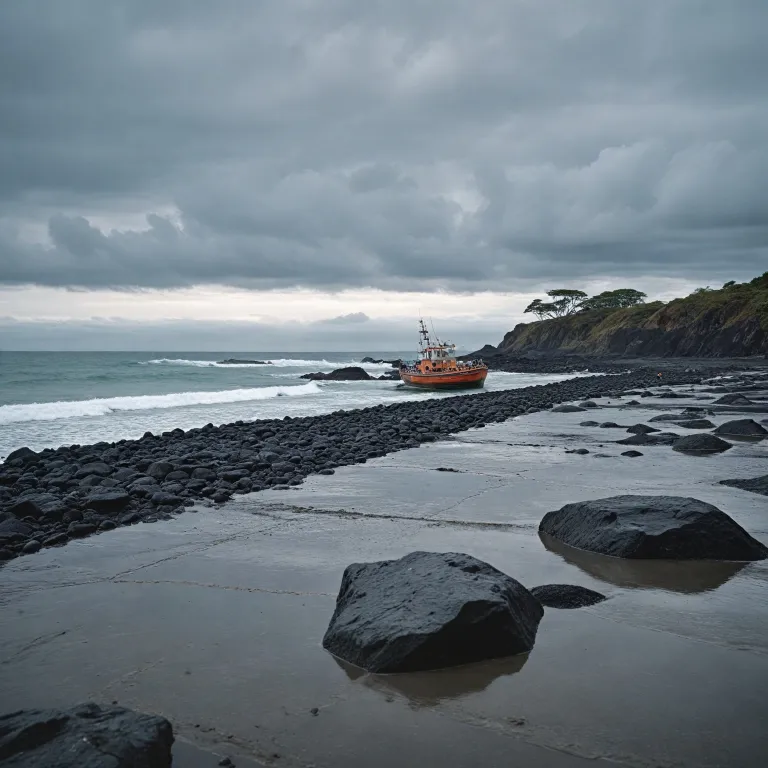
Planning where to go in Costa Rica for a balanced itinerary
Understanding where to go in Costa Rica starts with its compact yet varied geography. In a few days you can move from a misty cloud forest to a sun drenched beach town without long internal flights. This makes it ideal for travelers who want several landscapes in one trip. Many visitors land at the international airport near San José, then connect by road to different regions. From the capital city of San José you can reach a volcano, a national park, or the Pacific coast in half a day. This flexibility helps you adapt plans around weather, interests, and travel pace.
When planning how many days to spend in each area, think in clusters rather than isolated spots. Combine the Arenal Volcano region and La Fortuna town with Monteverde cloud forest for an inland loop of adventure, hanging bridges, and wildlife. Then add Manuel Antonio National Park or a quieter beach town on the Pacific coast for swimming and sunsets. Each cluster offers different things to do, from white water rafting to slow walks in a forest reserve.
Eco tourism is central to Costa Rican identity, and it shapes where you go and how you travel. Around a quarter of Costa Rica is protected as a national park or reserve, which is remarkable for such a small country. This protection means that every day you spend here supports conservation when you choose responsible guides and locally owned accommodation. To make the most of your time, alternate active days with slower ones, especially in hot and humid regions.
San José, central valleys, and practical arrival tips
Most international flights land at the main international airport serving San José, which is the usual starting point for where to go in Costa Rica. The city of San José itself is not a beach town, but it offers museums, markets, and a first taste of Costa Rican food. Spend a day or two here if you enjoy culture, coffee, and urban history. From San José you can easily arrange transfers to La Fortuna, the Pacific coast, or the Caribbean side. Several national park areas are reachable as day trips, though staying overnight closer to nature is usually more rewarding.
Use your first day to adjust to the climate and organize logistics. You can buy local SIM cards, withdraw colón currency, and confirm shuttles to regions like Arenal Volcano or Manuel Antonio. Many travelers underestimate driving times, because Costa Rica’s roads cross mountains, cloud forest ridges, and rural towns. Plan conservative travel days between destinations, especially in the rainy season when conditions can slow traffic.
From the central valley you can head north toward La Fortuna town and the Arenal Volcano National Park area. This region is one of the best places for hot springs, hanging bridges, and soft adventure. Alternatively, you can travel west toward the Pacific coast for beaches, surf towns, and relaxed evenings. If you prefer cooler air and misty landscapes, route your journey toward Monteverde cloud forest and its famous forest reserve. Each direction from San José offers different things, so match your route to your priorities.
Arenal, La Fortuna, and volcano adventures
The Arenal Volcano region around La Fortuna town is central to many itineraries focused on where to go in Costa Rica. Here you can admire the near perfect cone of Arenal Volcano from viewpoints, trails, and rivers. Although direct summit hikes are restricted for safety, the surrounding volcano national park trails offer excellent scenery. La Fortuna town itself has a practical layout with restaurants, tour operators, and a range of hotel options. Spend at least two or three days here to enjoy both adventure and relaxation.
One of the best things to do is walk the hanging bridges that cross above the forest canopy. These bridges reveal birds, monkeys, and dense vegetation from a unique angle, especially in early morning light. After an active day, soak in natural hot springs heated by the volcanic activity beneath Arenal. Many hot springs complexes sit just outside La Fortuna, and some hotels include access in their rates. This combination of activity and rest makes the area ideal for couples, families, and solo travelers.
Adventure seekers can add white water rafting on nearby rivers, canyoning, or waterfall rappelling. The La Fortuna waterfall, sometimes linked with the wider Del Toro area in regional itineraries, offers a steep stairway down to a powerful cascade. Guided tours and self exploration are both possible, depending on your comfort level and budget. Around Arenal Volcano and its forest reserve, local guides add depth by pointing out wildlife you might otherwise miss. Their knowledge also supports Costa Rican conservation efforts and local economies.
Monteverde cloud forest and highland reserves
Monteverde is the most famous cloud forest region and a highlight when deciding where to go in Costa Rica. The Monteverde Cloud Forest Reserve protects a rare ecosystem where mist feeds mosses, orchids, and towering trees. Trails wind through dense vegetation, and every few steps reveal new textures and sounds. Because this is a true cloud forest, expect cooler temperatures and frequent drizzle. Pack layers and waterproof clothing for both day and night walks.
Walking in a cloud forest feels very different from visiting a lowland national park. Here, epiphytes hang from branches, and visibility can shift quickly as clouds move through the forest reserve. Guided night walks are among the best things to do, revealing frogs, insects, and nocturnal mammals. During the day, hanging bridges and canopy tours provide elevated views of the treetops. These experiences help you understand why Costa Rica protects such a high percentage of its land.
Monteverde pairs well with Arenal and La Fortuna in a multi day itinerary. The journey between these regions crosses rural landscapes and offers glimpses of everyday Costa Rican life. Once in Monteverde, choose a hotel close to the reserves to minimize daily transport times. Spend at least two full days here to explore different trails and viewpoints. Eco friendly practices are strong in this area, reflecting the country’s commitment to sustainable tourism.
Manuel Antonio, Pacific beaches, and coastal wildlife
Manuel Antonio National Park on the Pacific coast is one of the most popular answers to where to go in Costa Rica. The combination of rainforest, white sand beaches, and accessible wildlife makes it ideal for first time visitors. Within the park you can often see monkeys, sloths, and colorful birds along short, well maintained trails. The adjacent town of Manuel Antonio and nearby Quepos offer a range of hotel choices and restaurants. Plan at least two days so you can enjoy both the national park and the surrounding beaches.
The beaches inside Manuel Antonio National Park are sheltered and family friendly. Soft sand and calm water invite relaxed swimming after a morning of wildlife watching. Outside the park, additional beaches along this stretch of Pacific coast provide surfing, sunset views, and quieter corners. This region is also a good base for white water rafting day trips on nearby rivers. Many travelers consider it one of the best places to end a Costa Rica journey.
Further north, beach towns like Tamarindo on the Pacific coast offer a different atmosphere. Tamarindo’s long beaches, surf schools, and nightlife attract a younger crowd and longer stays. Whether you choose Manuel Antonio, Tamarindo, or smaller beach town options, balance active days with rest. Respect local guidelines in any Antonio National Park area and along turtle nesting beaches. “Is Costa Rica safe for tourists?" "Generally safe; exercise standard precautions."
Caribbean coast, Tortuguero, and quieter routes
While many travelers focus on the Pacific coast, the Caribbean side adds another dimension to where to go in Costa Rica. Tortuguero National Park, reached by boat or small plane, is renowned for its canals and sea turtle nesting. Here, days begin early with wildlife watching by boat, gliding through narrow waterways lined with dense forest. The town of Tortuguero is small, with simple hotel options and a strong community feel. Plan at least two nights so you can experience both day and night excursions.
In Tortuguero National Park, guided tours are strongly recommended because navigation through canals and forest requires local knowledge. This region showcases a different side of Costa Rican culture, with Afro Caribbean influences in food and music. When turtles are nesting, night walks with certified guides follow strict rules to protect the animals. These experiences highlight why Costa Rica invests heavily in national park management and conservation. They also show how tourism can support local livelihoods when managed carefully.
Elsewhere on the Caribbean coast, smaller beach town communities offer relaxed stays and fewer crowds than some Pacific resorts. You will not find large resort hotel complexes here, but rather modest properties close to the beaches. Spend slow days walking the shore, sampling local dishes, and exploring nearby forest reserve areas. This side of Costa Rica is ideal for travelers who value atmosphere over extensive infrastructure. It complements better known regions like Arenal, Manuel Antonio, and Monteverde in a longer itinerary.
Practical tips for choosing the best places and timing your trip
Choosing where to go in Costa Rica also means understanding seasons, logistics, and personal priorities. The dry season generally offers sunnier days on the Pacific coast, while the rainy season brings greener landscapes and fewer crowds. “What is the best time to visit Costa Rica?" "December to April for dry weather." Plan your route so that long transfers fall on days with fewer scheduled activities. This helps you arrive with enough energy to enjoy each new national park or town.
Many travelers split their time between inland nature and coastal relaxation. A classic route links San José, Arenal Volcano and La Fortuna, Monteverde cloud forest, then Manuel Antonio National Park or another Pacific beach town. Others add Tortuguero National Park or the Del Toro waterfall region for more remote experiences. Whatever you choose, allow at least ten to fourteen days for a comfortable pace. Shorter trips are possible, but you will need to limit the number of regions.
Pack light clothing, sturdy walking shoes, and insect repellent for both day and night. Stay hydrated in hot areas, especially after white water activities or long hikes. “Do I need a visa to visit Costa Rica?" "Depends on nationality; many countries have visa-free entry." Check current entry rules before you fly into the international airport near San José. With thoughtful planning, your journey through Costa Rica’s volcanoes, beaches, and cloud forests will feel both enriching and manageable.
Key travel statistics for Costa Rica
- Annual tourist arrivals are around 3.1 million visitors, reflecting strong global interest in Costa Rican nature and culture.
- Approximately 25 percent of Costa Rica’s land area is protected as national park or conservation land.
Essential questions about planning a trip to Costa Rica
What is the best time to visit Costa Rica ?
The most popular period is the dry season from December to April, when many regions enjoy sunnier days and easier road conditions. However, the rainy season from May to November brings lush landscapes, fewer visitors, and often lower prices. Choose based on your tolerance for showers, interest in green scenery, and flexibility with outdoor activities.
Do I need a visa to visit Costa Rica ?
Visa requirements depend on your nationality and length of stay. Citizens of many countries can enter visa free for tourism, provided they hold a valid passport and onward ticket. Always check the latest entry rules with official government or embassy sources before booking flights.
Is Costa Rica safe for tourists ?
Costa Rica is generally considered safe for tourists, especially in established destinations like La Fortuna, Monteverde, and Manuel Antonio. Standard precautions apply, such as safeguarding valuables, avoiding isolated areas at night, and using licensed guides for adventure activities. Staying informed and respecting local advice will help ensure a smooth and enjoyable trip.