Rethinking the rainy season: why monsoon travel can be the best trip
Monsoon travel destinations in the rainy season reward travelers who are willing to trade postcard skies for atmosphere. When you time your travel to the monsoon season rather than the peak dry season, you gain quieter trails, richer cultural contact, and landscapes that feel freshly washed every day. For independent travelers, the rainy season can turn a standard trip into a more intimate journey.
Across Asia, the monsoon shapes daily life, agriculture, and even spirituality. The same weather patterns that bring heavy rain to southeast Asia, the west coast and east coast of India, and the islands of the Philippines also feed rice terraces, jungles, and cloud forests that stay green year round. According to long term climate normals from agencies such as the India Meteorological Department and the World Meteorological Organization, average annual rainfall in some coastal and highland regions can exceed 2,000 millimetres, especially along India’s Konkan coast and in parts of Vietnam’s northern highlands. When you learn how each season works in places you visit, you stop chasing the so called best weather and start chasing the best experiences.
Travel during the monsoon season is not about suffering through a wet season just to save money. It is about understanding how a rainy day in Kerala, a stormy afternoon in Bali Indonesia, or a misty morning in the highlands of Vietnam can unlock a side of each place that the dry season simply cannot show you. Tourism board statistics from destinations such as Kerala Tourism and the Tourism Authority of Thailand indicate that visitor numbers in peak monsoon months may drop by roughly thirty percent compared with the busiest dry season weeks, which means more space and quieter encounters for you.
Many travelers still ask whether it is safe to travel during monsoon periods or whether flights operate reliably. The practical guidance is consistent: travel is usually safe with sensible precautions, most attractions stay open with occasional weather related closures, and flights generally operate with a higher risk of delays rather than outright cancellations. A simple safety micro checklist helps: confirm that your travel insurance covers weather related disruption, save local emergency numbers such as 112 in much of Europe, 911 in North America, 100 or 112 in India, and 191 in Thailand in your phone, and register with your embassy or consulate if your government offers that service.
Kerala, monsoon India, and the art of slowing down with the rain
On the southwest coast of India, the Kerala backwaters show exactly how monsoon travel can become a feature rather than a flaw. From June to September, the southwest monsoon rolls in from the Arabian Sea and turns the canals, lagoons, and rice paddies into a cinematic world of reflections and soft light every day. Prices often fall well below peak season levels, and you share the waterways with more local commuters than tourists.
Monsoon India is not one uniform experience, and Kerala proves that the rainy season can be tailored to different travel styles. In the backwaters, a slow day on a traditional kettuvallam houseboat lets you watch the rain move across the water while villagers go about their routines on the banks. Inland, the hills around Munnar and Wayanad glow with tea and rice terraces that rely on the wet season, and the air feels cooler than on the lowland west coast, especially in July and August when showers are frequent but often fall in bursts.
Local Ayurvedic practitioners in this part of India often time treatments to the monsoon season because the humid air is believed to help the body absorb herbal oils more effectively. That means a rainy day becomes an asset, not an inconvenience, especially when you plan your trip around long massages, steam baths, and quiet reading sessions between showers. One traveler described arriving in Kochi during a downpour and spending the first afternoon in a simple Ayurvedic clinic, listening to the rain on the tiled roof while receiving a warm oil massage that set the tone for a slower, more reflective journey.
When you plan flights into Kochi or Thiruvananthapuram for a monsoon travel itinerary, build in some flexibility for potential delays. The heaviest rain often falls in short, intense bursts, so you can still schedule walks through Fort Kochi’s lanes or visits to Kathakali performances in the evening. In Kerala’s hill districts, especially during July and August, check local news and state disaster management advisories for landslide warnings before planning long road journeys, and consider using reputable operators for longer transfers. For travelers who enjoy marking milestones with meaningful journeys, pairing a monsoon stay in Kerala with an elegant escape elsewhere in the world can work well, and resources such as this guide to elegant escapes in America for a February journey can help you balance seasons across continents.
Bali, Vietnam, and the shifting edges of the wet season in southeast Asia
In Bali Indonesia, the shoulder between the dry season and the wet season is where monsoon travel becomes quietly rewarding. Around October and November, the first real rain begins to fall, yet many days still start clear and bright before clouds build in the afternoon. This rhythm lets you plan temple visits, early hikes, or surf sessions in the morning and then retreat to cafés, spas, or cooking classes when the rainy season storms arrive later in the day.
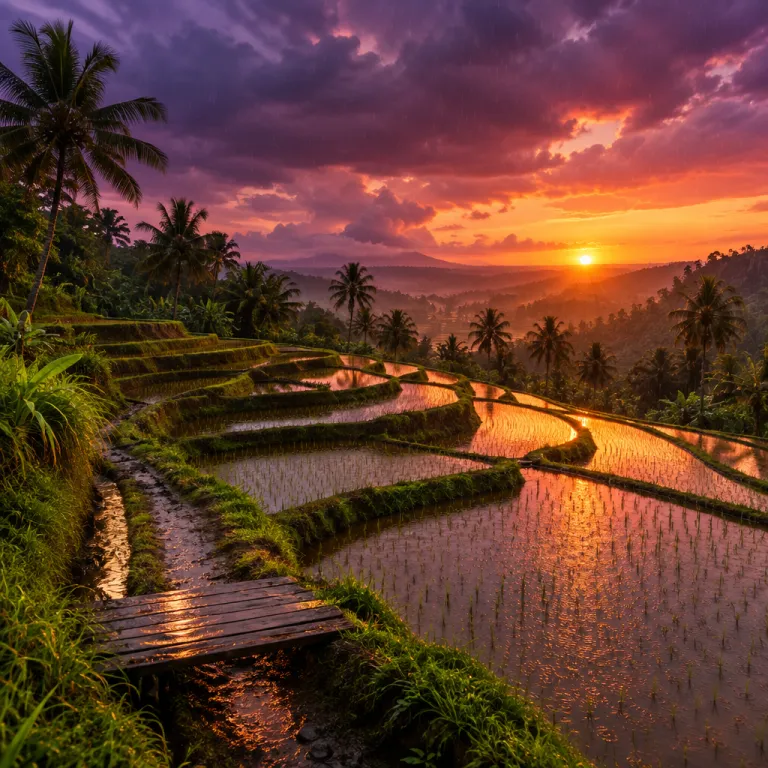
Central Bali’s rice terraces around Tegallalang and Jatiluwih are at their most saturated green when the monsoon season is waking up. The same water that can disrupt a beach day on the south coast is what makes the terraces, river valleys, and inland villages so photogenic for travel photographers. If you time your trip for the early rainy season rather than the peak dry months, you often find fewer crowds at major places to visit and more space to linger at shrines and markets.
Across southeast Asia, Vietnam and Thailand follow their own monsoon patterns, which means you can often chase the edges of the rainy season for the best balance. In central Vietnam, for example, the period from June to September can bring heavy showers, yet the countryside around Hội An and Huế looks lush, and the Perfume River carries dramatic reflections after each burst of rain. Northern Vietnam’s highlands, including Sapa, rely on the wet season to fill rice terraces, and trekking between villages feels more alive when clouds drift through the valleys.
Thailand’s coasts show how the same monsoon can create different experiences on the east coast and the west coast. While the Andaman side might be stormy from roughly May to October, the Gulf of Thailand can be calmer in those same months, so a flexible travel monsoon plan lets you pivot between islands depending on the weather patterns. If you are pairing Asian monsoon travel destinations in the rainy season with a winter escape in North America, long term planners often consult resources such as this guide to where to go in the United States in January to balance climates and avoid fatigue.
Beyond Asia: Costa Rica, Sri Lanka, and the global logic of rain
While southeast Asia often dominates conversations about monsoon travel, the same logic applies in Costa Rica, Sri Lanka, and other tropical regions shaped by a wet season. In Costa Rica, the so called green season from about May to November brings afternoon showers that recharge cloud forests, waterfalls, and wildlife corridors, especially on the Caribbean east coast and in the central highlands. Travelers who only aim for the driest months miss the way mist hangs in the trees of Monteverde or how the Pacific beaches feel quieter under a soft, steady rain.
Sri Lanka offers another compelling case for treating the monsoon season as a feature rather than a drawback. The island experiences two main monsoon systems, which means that when the west coast and southwest are rainy, the east coast can be relatively dry, and the pattern reverses later in the year. With careful planning, you can design a trip that follows the best places for your interests while still benefiting from lower prices and fewer crowds during the broader rainy season.
In both Costa Rica and Sri Lanka, wildlife responds directly to the wet season, and that can shape your travel decisions. Turtles nest on certain beaches when the seas are rougher, frogs and birds become more active in the forests, and rivers swell enough to make rafting more exciting but still manageable with reputable guides. In Costa Rica’s river valleys, for example, outfitters on routes such as the Pacuare often adjust departure times or cancel trips after exceptionally heavy overnight rain, so checking with certified operators the evening before your excursion is a simple but important habit.
Monsoon travel destinations in the rainy season also encourage a different pace of travel. You plan indoor activities such as cooking classes, museums, or traditional performances for the wettest part of the day, then step out when the sky clears and the streets shine. For travelers who like to mark birthdays or anniversaries with meaningful journeys, pairing a dramatic wet season landscape with a more classic sunny escape can work beautifully, and curated resources such as this guide to inspired escapes for milestone journeys can help you design that contrast.
Practical strategies for embracing rain, from packing to planning your day
To treat the monsoon season as an ally, you need a clear strategy for gear, timing, and expectations. Start with packing: a lightweight, quick drying shell, breathable layers, and sandals or shoes that can handle getting wet will serve you better than heavy waterproof boots that never dry between storms. A compact umbrella, a dry bag for electronics, and a simple rain cover for your daypack turn a sudden downpour into a short pause rather than a crisis.
Plan your daily rhythm around the typical pattern of the rainy season in your chosen region. In many parts of Asia, including Bali, Vietnam, Thailand, and the Philippines, mornings during the monsoon season can be surprisingly clear, with rain building later in the afternoon or evening. Use those early hours for outdoor places to visit such as rice terraces, city walks, or coastal viewpoints, then schedule massages, cafés, galleries, or long lunches for the wettest part of the day.
Transport planning also matters when you travel during the monsoon season. Flights generally operate throughout the monsoon, but you should allow extra time for connections and avoid the tightest layovers, especially on routes that cross storm prone regions. Trains and buses can be affected by landslides or flooded roads in some parts of India, southeast Asia, and Costa Rica, so keeping one buffer day in your itinerary gives you room to adapt without stress.
Finally, remember that monsoon travel destinations in the rainy season reward flexibility and curiosity more than rigid checklists. When a planned hike in Sri Lanka or a beach day in the Philippines gets washed out, ask local communities about alternative activities such as cooking lessons, village visits, or indoor markets. The goal is not to outrun the rain but to let it reshape your sense of time, so you experience not just the postcard view but the quiet walk behind it.
FAQ about monsoon travel destinations in the rainy season
Is it safe to travel during the monsoon season ?
Travel during the monsoon season is generally safe when you prepare properly and stay informed. Check local forecasts daily, follow guidance from local authorities, and avoid areas prone to flooding or landslides after very heavy rain. In regions such as Kerala’s Western Ghats or northern Vietnam’s highlands, ask guesthouses about recent road conditions before booking long bus journeys, and consider choosing accommodations that are set back from riverbanks during peak storm months.
Are most attractions open in the rainy season ?
Many major attractions in monsoon affected regions remain open throughout the rainy season. Outdoor sites such as rice terraces, temples, and national parks may occasionally close during extreme weather, but they usually reopen quickly once conditions improve. It is wise to confirm opening hours locally and keep a list of indoor alternatives for very wet days, especially in smaller towns where museums or cultural centres may adjust schedules during the heaviest rains.
Do flights operate reliably during heavy rain ?
Airlines continue to operate flights during the monsoon, although delays and occasional cancellations are more common when storms are intense. Larger international airports in India, southeast Asia, and Costa Rica are equipped to handle wet season conditions, and safety standards remain consistent year round. To minimise disruption, avoid very tight connections and consider scheduling important long haul flights outside the peak storm windows of the day, such as late afternoon in regions where thunderstorms typically build after lunch.
What should I pack for a monsoon season trip ?
For monsoon travel destinations in the rainy season, focus on lightweight, quick drying clothing and reliable waterproofing for your essentials. A compact umbrella, a breathable rain jacket, and dry bags or waterproof pouches for electronics and documents are more useful than heavy gear that never dries. Footwear that can get wet and still remain comfortable, such as sandals with good grip or fast drying shoes, will make rainy walks far easier, and a small microfiber towel and spare set of clothes in your daypack can turn an unexpected soaking into a minor inconvenience.
Is the monsoon season really a better time to visit ?
Whether the monsoon season is the best time for you depends on your priorities. If you value lush landscapes, fewer tourists, and lower prices more than guaranteed sunshine, then the rainy season can offer a richer experience. Travelers who need perfectly dry beach days may prefer the dry season, but those seeking atmosphere, cultural depth, and quieter spaces often find the monsoon more rewarding, especially when they combine flexible plans with solid travel insurance that covers weather related delays and activity cancellations.