Understanding where to go in Vietnam for a first or return trip
Choosing where to go in Vietnam starts with understanding its long S-shaped geography. From Hanoi in the north to Ho Chi Minh City in the south, the country stretches over 1,600 kilometres and each region offers distinct culture and landscapes. For any traveller planning to visit Vietnam, thinking in terms of north, central Vietnam and south helps you structure time, transport and the best places to prioritise.
The north is anchored by the capital city Hanoi, a compact place where French-era boulevards meet narrow alleys and intense street food culture. Many travellers use Hanoi as a base for a day trip or longer journeys to Ha Long Bay, Ninh Binh and the highlands, which makes it central when you ask where to go in Vietnam for both heritage and scenery. The combination of a walkable city, strong Vietnamese coffee culture and easy access to UNESCO-listed landscapes explains why Hanoi often appears on lists of Vietnam’s best urban experiences.
Central Vietnam forms the country’s cultural spine, with Hoi An, Hue and Da Nang offering a different rhythm from the capital or Ho Chi Minh City. This region is where you feel Vietnamese culture most intensely, from imperial tombs to lantern-lit streets and long sandy beaches that remain calm outside local holiday peaks. When travellers compare the best places for a slower pace, central Vietnam usually wins for its balance of food, history and relaxed coastal life.
The south is dominated by Ho Chi Minh City, still often called Saigon in casual speech. This energetic metropolis is where modern Vietnam’s economic story is most visible, with rooftop bars, creative cafés and a nightlife that contrasts sharply with quieter Hoi An or Ninh Binh. From Ho Chi Minh City you can easily reach the Mekong Delta, Phu Quoc, Con Dao and long stretches of southern beaches, which makes the region ideal for travellers who want to combine urban energy with sea air.
When you plan places to visit, remember that travel times can be longer than they appear on a map. Domestic flights link Hanoi, Da Nang, Nha Trang and Ho Chi Minh City efficiently (usually 1–1.5 hours), while trains and buses suit travellers with more day-by-day flexibility. Deciding where to go in Vietnam therefore depends not only on the best places themselves, but also on how much time you want to spend moving between each city, island and heritage site.
Hà Nội, Ninh Bình and Hạ Long Bay: the atmospheric north
Hà Nội is the natural starting point in the north when you consider where to go in Vietnam for layered history. Around Hoàn Kiếm Lake, the Old Quarter’s tight grid of streets reveals temples, colonial facades and a dense network of Vietnamese food stalls. This is also where you feel Vietnamese culture in daily life, from morning tai chi by the water to late-night cafés serving strong cà phê sữa đá.
Use Hà Nội as your base for a combined Hà Nội – Hồ Chí Minh City journey, or simply as the hub for northern excursions. Many travellers choose a day trip to nearby craft villages, but the real highlights lie slightly further away in Ninh Bình and Hạ Long Bay. When you compare these destinations, Ninh Bình offers quieter river valleys while Hạ Long Bay delivers the iconic seascape of limestone towers rising from emerald water.
Ninh Bình, sometimes called “Hạ Long on land”, is one of the most photogenic places to visit in northern Việt Nam. Here, karst peaks rise above rice paddies and slow rivers, and you can travel by small boat through caves and along waterways bordered by steep cliffs. For many visitors asking where to go in Vietnam beyond the main city, Ninh Bình becomes the answer thanks to its mix of rural life, pagodas and easy cycling routes.
Hạ Long Bay itself is a UNESCO World Heritage Site and a defining image of travel in Southeast Asia. Cruises range from simple day-trip options to multi-day itineraries that explore quieter corners of the bay and nearby Lan Hạ or Bái Tử Long Bay. The official description “Ha Long Bay is a UNESCO World Heritage Site” underlines its global significance, and the area fully deserves its reputation among Vietnam’s best natural attractions.
Between Hà Nội, Ninh Bình and Hạ Long Bay, you can easily fill five- to seven-day itineraries focused on the north. A typical week might include two days in Hà Nội, two in Ninh Bình and an overnight cruise on Hạ Long Bay, with travel times of around two to three hours by road between each stop. If you enjoy slower travel, consider spending an extra day in each place to appreciate quieter corners rather than rushing between famous viewpoints and crowded piers.
For travellers who enjoy cultural evenings, the atmosphere in Hà Nội’s traditional performance venues can echo the intimacy of authentic music houses in Lisbon. Both cities show how music, storytelling and food intertwine to express local identity, and both reward visitors who look beyond the most obvious tourist shows. In Hà Nội, this might mean choosing a small water puppet theatre or a contemporary art space instead of only the largest venues.
Hội An, Đà Nẵng and central Việt Nam’s cultural coastline
Central Vietnam is where many travellers fall in love with the country’s rhythm, especially around Hội An, Đà Nẵng and Huế. When you ask where to go in Vietnam for a blend of heritage, beaches and refined food, this region consistently appears among the best places. Distances between each city are short, so you can base yourself in one location and plan easy day-trip excursions along the coast or into the hills.
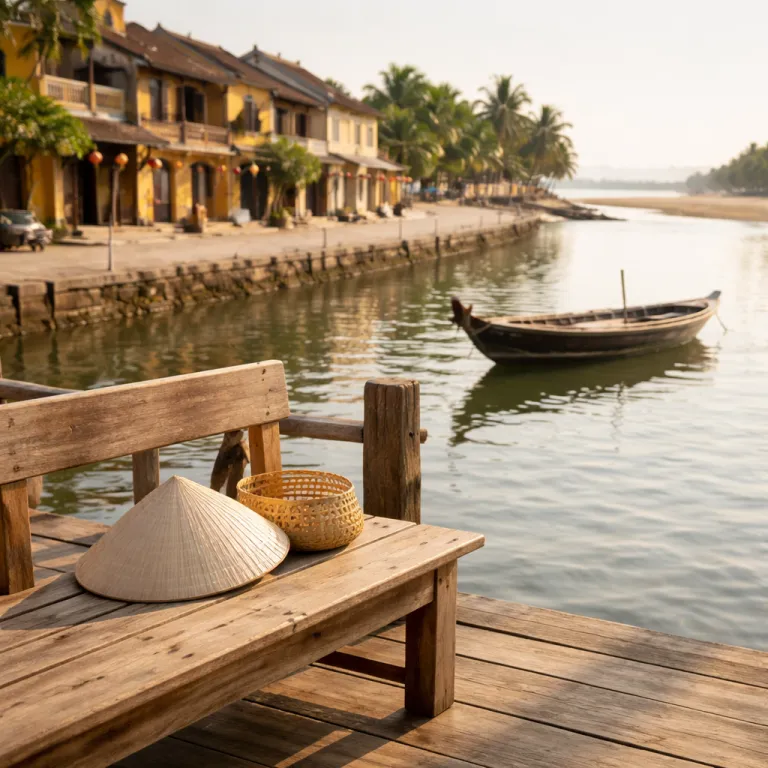
Hội An Ancient Town, a former trading port, is one of Việt Nam’s most atmospheric places to visit. Lantern-lit evenings, wooden merchant houses and riverside cafés create a setting that feels both cinematic and lived in, especially once day-trippers leave. The town’s status as a UNESCO-recognised heritage site reflects its role in Vietnamese culture, where Chinese, Japanese and Vietnamese influences meet in architecture, cuisine and local festivals.
Nearby Đà Nẵng is a modern coastal city with a very different energy from Hội An. Long urban beaches stretch north and south, making the area ideal for travellers who want to combine city comforts with daily swims and fresh seafood. From Đà Nẵng you can easily reach the Marble Mountains, the Hải Vân Pass and the former imperial city of Huế, which turns the region into a compact hub for varied travel experiences.
Huế itself, once the imperial capital, offers citadel walls, royal tombs and riverside pagodas that speak to centuries of Vietnamese history. Food here is famously refined, with small, intricate dishes that contrast with the hearty bowls found in Hà Nội or Hồ Chí Minh City. When travellers debate Vietnam’s best culinary cities, Huế often appears alongside Hà Nội and Hồ Chí Minh City for its distinctive royal-influenced cuisine.
Central Việt Nam also works well for those who want to balance Việt Nam with other Mediterranean or Atlantic journeys. If you enjoy planning seasonal escapes, resources such as a guide to spring in the Mediterranean before crowds arrive can help you compare climates and crowd levels. In the same way, understanding when domestic holidays fall in Việt Nam helps you decide where to go in Vietnam to avoid the busiest beaches and city streets.
For travellers who love combining different coasts and cultures in one extended trip, central Việt Nam can pair beautifully with Iberian journeys. Planning tools that outline where to go in Portugal for cities and coasts can inspire similar multi-stop itineraries within Việt Nam itself. Think of Hội An, Đà Nẵng and Huế as your Vietnamese trio of heritage town, modern city and relaxed shoreline, each offering distinct perspectives on Vietnamese culture.
Hồ Chí Minh City, the Mekong Delta and southern energy
Hồ Chí Minh City is the country’s largest city and the southern gateway for many international flights. When travellers ask where to go in Vietnam for nightlife, contemporary art and a sense of rapid change, this metropolis usually tops the list. Skyscrapers, rooftop bars and creative districts sit beside traditional markets and pagodas, making Saigon a study in contrasts.
The central districts are where you feel the city’s pace most intensely, from early-morning street food stalls to late-night cafés. Here, Vietnamese culture expresses itself through both classic dishes and new-wave coffee shops, craft beer bars and design stores. For many visitors, simply walking between old apartment blocks and new towers becomes one of the best ways to understand how urban life in Việt Nam is evolving.
From Hồ Chí Minh City, the Mekong Delta is an essential extension for anyone interested in rural life and river landscapes. This region, often called Việt Nam’s rice bowl, is a maze of waterways, orchards and small towns where boats remain central to daily routines. A day trip from the city offers a first taste, but staying overnight in a homestay allows you to see early-morning markets and quieter canals.
The Mekong Delta’s floating markets, such as Cái Răng near Cần Thơ, show how trade still flows along the river. Travellers who care about where their food comes from will appreciate visits to fruit orchards, cocoa farms and small noodle workshops. These experiences deepen your understanding of where to go in Vietnam if you want to connect urban dining in Hồ Chí Minh City with the rural systems that supply it.
Southern Việt Nam also offers some of the country’s most appealing beaches and islands. From Hồ Chí Minh City you can reach Vũng Tàu, Mũi Né and further afield Phú Quốc and Côn Đảo, each with distinct character and levels of development. When comparing these places to visit, think about whether you prefer lively beachfronts with many services or quieter stretches of sand where nature dominates.
For travellers planning extended routes through Southeast Asia, Hồ Chí Minh City often serves as a hub linking Việt Nam with Cambodia, Laos and Thailand. International bus and flight connections make it easy to continue your travel after exploring the Mekong Delta and southern beaches. This flexibility reinforces the city’s role in any discussion of Vietnam’s best entry and exit points for regional itineraries.
Beaches and islands: from Nha Trang to Phú Quốc and Côn Đảo
When the question of where to go in Vietnam for beaches arises, the conversation quickly turns to Nha Trang, Phú Quốc and Côn Đảo. Each destination offers a different balance of development, nature and access, which matters if you are planning both short breaks and longer stays. The country’s long coastline means you can find beaches that suit almost every style of travel.
Nha Trang is a coastal resort city known for its long urban beach, offshore islands and diving sites. The main bay curves gently, with a promenade lined by palms, cafés and seafood restaurants that stay busy from early morning until late evening. For travellers who enjoy combining city comforts with daily swims, Nha Trang city offers one of the best places to base yourself along Việt Nam’s central coast.
Beyond the main strip, the wider Nha Trang area includes quieter bays and fishing villages that reward exploration. Boat trips take you to nearby islands where snorkelling and relaxed lunches on simple decks remain the main activities. When you compare where to go in Vietnam for accessible beaches, Nha Trang often suits those who want easy logistics, a range of accommodation and lively nightlife.
Phú Quốc, an island in the Gulf of Thailand, has rapidly evolved from a quiet fishing community into a major beach destination. Long Beach, Ông Lang and more remote northern shores offer soft sand, warm water and sunsets that draw both locals and visitors each day. Travellers debating Vietnam’s best island experiences often place Phú Quốc high on their list because it combines beaches, forested interiors and a growing food scene.
Côn Đảo, by contrast, remains far less developed and carries a complex history as a former prison archipelago. Today, its clear waters, coral reefs and relatively empty beaches attract travellers seeking quieter places to visit with strong nature focus. When you consider where to go in Vietnam for reflection as well as relaxation, Côn Đảo stands out for its memorial sites and protected marine areas.
Across these islands and coastal cities, you will encounter different expressions of Vietnamese culture, from seaside temples to night markets selling regional food specialities. Planning your route between Nha Trang, Phú Quốc and Côn Đảo often involves a mix of flights and ferries, so allow buffer time for weather-related changes. If you value flexibility, keep at least one spare day in your itinerary to adjust for sea conditions and enjoy unplanned moments on quieter beaches.
Nature, caves and countryside: Phong Nha, Ninh Bình and beyond
For travellers who prioritise landscapes when deciding where to go in Vietnam, the country’s caves, karst formations and rural valleys are compelling. Phong Nha – Kẻ Bàng National Park, Ninh Bình and the northern highlands each offer different ways to experience nature. These regions show another side of Vietnamese culture, where daily life is shaped by rice cycles, river levels and mountain weather.
Phong Nha – Kẻ Bàng is a UNESCO World Heritage Site renowned for its extensive cave systems and dramatic karst scenery. Here, you can choose between gentle river cave cruises and demanding multi-day expeditions into some of the world’s largest caverns. The area around Phong Nha town has grown into a small hub for adventure travel, with homestays and guesthouses overlooking rice fields and limestone peaks.
Ninh Bình, mentioned earlier as “Hạ Long on land”, deserves special attention for its combination of cultural and natural sites. Boat trips at Tràng An or Tam Cốc glide past cliffs and through low caves, while stone temples sit quietly on hillsides above. When travellers ask where to go in Vietnam for peaceful scenery without long hikes, Ninh Bình often becomes the recommended answer.
Beyond these well-known names, the northern highlands around Sa Pa and Hà Giang offer terraced rice fields and mountain passes. Ethnic minority communities maintain distinct languages, textiles and rituals, adding depth to any visit. These regions remind visitors that Vietnamese culture is not monolithic, and that the best places to understand diversity often lie far from major city centres.
Planning travel in these areas requires more attention to weather and road conditions than in Hà Nội or Hồ Chí Minh City. Rainy seasons can affect access to caves in Phong Nha and visibility on mountain roads, so build flexibility into your day-by-day schedule. When you consider where to go in Vietnam for outdoor activities, always balance ambition with safety and local advice.
Eco-tourism and community-based tourism are growing in Phong Nha, Ninh Bình and the highlands, reflecting a broader shift in Southeast Asia. Choosing locally owned homestays, guides and food experiences helps ensure that your spending supports the communities that protect these landscapes. This approach turns your list of places to visit into a more meaningful journey, where each day trip contributes to preserving the very scenery you came to enjoy.
Practical planning: routes, seasons and cultural etiquette
Once you have a sense of where to go in Vietnam, the next step is shaping a realistic route. Many travellers choose a north-to-south journey linking Hà Nội, central Việt Nam and Hồ Chí Minh City, while others focus on one region in depth. Your available day count, interest in beaches versus cities and tolerance for internal travel will determine the best places to include.
For a seven-day trip, a common outline is three nights in Hà Nội with a day or overnight visit to Hạ Long Bay, followed by three nights split between Hội An and Đà Nẵng. With 14 days, you might add Ninh Bình, Huế and Hồ Chí Minh City plus a short Mekong Delta excursion, using domestic flights of around one to two hours to bridge longer distances.
Spring and autumn generally offer the most pleasant weather across much of the country. However, Việt Nam’s length means that conditions can vary significantly between Hà Nội, Đà Nẵng, Nha Trang and Hồ Chí Minh City at any given time. When planning where to go in Vietnam by season, check regional forecasts rather than relying on a single national average.
Visa rules depend on your nationality, so always confirm requirements with a Vietnamese embassy or consulate before you visit Vietnam. The official currency is the Vietnamese đồng (VND), and cash remains important in markets, small eateries and rural areas. English is widely understood in major city centres and tourist hubs, but learning a few Vietnamese phrases shows respect and often leads to warmer interactions.
Respectful behaviour is central to experiencing Vietnamese culture in a positive way. Dress modestly when visiting temples and pagodas, remove shoes where requested and avoid loud behaviour in sacred spaces. When taking photos of people, especially in rural areas or markets, always ask permission first and accept a polite refusal.
Transport options between major cities include domestic flights, the Reunification Express train and long-distance buses. Flights save time between Hà Nội, Đà Nẵng, Nha Trang and Hồ Chí Minh City, while trains offer a slower, more scenic way to connect your chosen places to visit. Within cities, ride-hailing apps and metered taxis are widely used, but always confirm that the meter is running or agree a fare in advance.
As you refine your itinerary, remember that Việt Nam rewards both careful planning and openness to serendipity. Leave space for unplanned street food stops, conversations with locals and spontaneous detours to lesser-known beaches or neighbourhoods. In the end, the answer to where to go in Vietnam is not only about famous names like Hạ Long Bay or Phú Quốc, but about how each city, village and landscape fits the way you personally like to travel.
Key travel statistics for planning a trip to Vietnam
- Vietnam welcomed around 18,000,000 international tourist arrivals in 2019, according to the Vietnam National Administration of Tourism, highlighting its status as one of Southeast Asia’s major destinations.
- Spring (March to April) and autumn (September to November) are widely regarded as the most comfortable periods to visit Vietnam, thanks to milder temperatures and lower humidity in many regions.
- The Mekong Delta is often described as Việt Nam’s rice bowl, contributing a significant share of the country’s rice production and underlining the importance of this region in both food security and rural tourism.
- Hạ Long Bay and Phong Nha – Kẻ Bàng National Park are both recognised as UNESCO World Heritage Sites, confirming their global importance and explaining their prominence in many itineraries.
Frequently asked questions about where to go in Vietnam
What is the best time to visit Vietnam ?
Spring and autumn usually offer the most pleasant conditions across much of the country. “Spring (March-April) and autumn (September-November) offer pleasant weather.” Because climates vary between north, central Việt Nam and the south, always check regional forecasts for your specific route.
Do I need a visa to visit Vietnam ?
Visa requirements depend on your nationality and the length of your stay. “Visa requirements vary by nationality; check with the Vietnamese embassy.” Always verify the latest rules before booking flights, as policies can change and some travellers may qualify for exemptions or e-visas.
Is Vietnam safe for tourists ?
Vietnam is generally considered safe for travellers, including solo visitors. “Vietnam is generally safe; exercise usual travel precautions.” As in any busy city or tourist area, keep an eye on valuables, use reputable transport and follow local advice regarding weather or road conditions.
What currency and languages are used in Vietnam ?
The official currency is the Vietnamese đồng (VND), and cash is still important in many everyday transactions. “Vietnamese Dong (VND) is the official currency.” “Vietnamese is the official language; English is widely understood in tourist areas.” Learning a few basic Vietnamese phrases will enrich your interactions and show respect for local culture.
Which places should first time visitors prioritise ?
For a first trip, many travellers combine Hà Nội, Hạ Long Bay and Ninh Bình in the north with Hội An or Đà Nẵng in central Việt Nam and Hồ Chí Minh City plus the Mekong Delta in the south. This route offers a balanced view of cities, heritage sites, beaches and rural life. If time is limited, choose either a north plus central focus or a central plus south combination rather than trying to see everything at once.