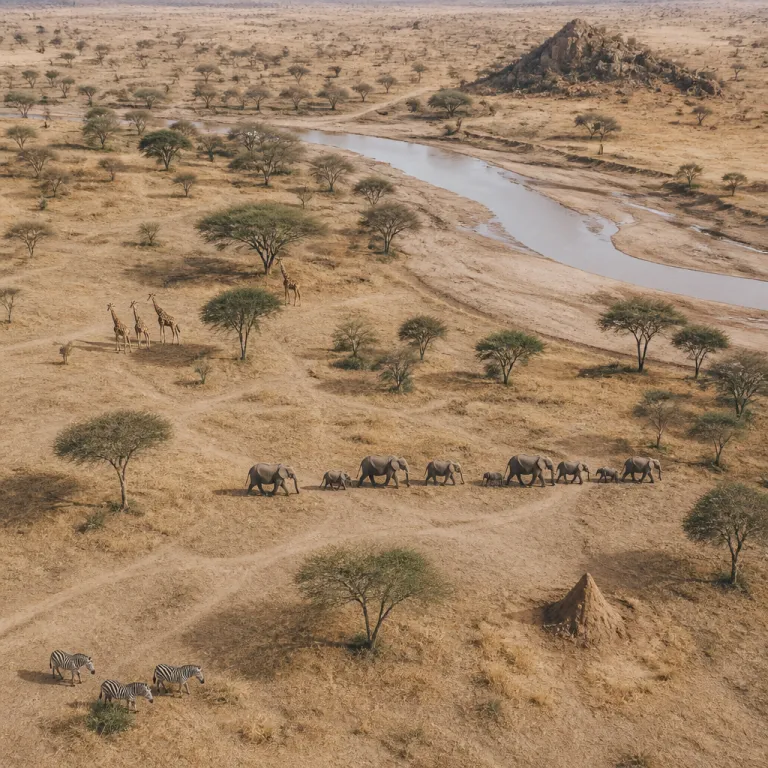
Understanding where to go on safari in Africa for your first trip
Choosing where to go on safari in Africa starts with clarifying your priorities. If you want classic Big Five wildlife and sweeping plains, an African safari in a major national park such as the Serengeti or the Maasai Mara is the best starting point. Travellers who care more about fewer crowds and a private game experience may find that a smaller game reserve in southern Africa suits their style better.
Across Africa, national parks protect core wildlife habitats, while surrounding private reserves often offer more flexible activities and quieter game drives. In Tanzania, the Serengeti National Park and the nearby Ngorongoro Crater form one of the continent’s most reliable wildlife circuits, with game viewing that stays strong even outside the great migration season. In Kenya, the Maasai Mara National Reserve and the neighbouring private game conservancies deliver dense wildlife, excellent guiding, and a wide choice of camp and lodge styles.
Farther south, South Africa and Botswana anchor many of the best African safari itineraries, especially for first timers. South Africa’s Kruger National Park and its adjacent private game reserves such as Sabi Sands combine easy logistics with high chances of seeing the Big Five on short trips. Botswana’s Okavango Delta and Chobe National Park, by contrast, offer remote wetlands, river based wildlife viewing, and some of the most exclusive safari lodge experiences in southern Africa. A typical first journey might link three nights in Kruger with three in a private reserve, connected by a short domestic flight of under an hour from Johannesburg.
East Africa’s great migration corridor: Serengeti, Maasai Mara, and Ngorongoro
If you are asking where to go on safari in Africa to witness the great migration, focus on northern Tanzania and south western Kenya. The Serengeti National Park and the Maasai Mara National Reserve share one vast ecosystem where over a million wildebeest and hundreds of thousands of zebras move in search of fresh grazing. This is the best place in Africa to combine dramatic river crossings, intense predator action, and classic open savannah scenery in a single trip.
The best time to see the migration in the Serengeti usually runs from June to October, when herds gather in the western and northern sectors near the Grumeti and Mara River corridors. According to the Tanzania National Parks Authority (TANAPA 2022 statistics), this June to October window is the prime period for the Great Migration in many years, although exact timing shifts with rainfall. On the Kenyan side, the Maasai Mara and the adjoining Masai Mara conservancies often peak from July to October, when wildlife densities rise and game drives can reveal dozens of lions, cheetahs, and hyenas in a single day.
Do not overlook the Ngorongoro Crater when planning an African safari in this region, because its enclosed caldera concentrates wildlife in a relatively small area. Many travellers pair a few nights in a Serengeti camp or lodge with a shorter stay at a Ngorongoro lodge to balance open plains with crater floor game viewing. A common route runs by road from Arusha to Ngorongoro in about four hours, then continues to the Serengeti in another three to five hours, giving you a gradual transition from highland farms to open savannah and a deeper sense of how local communities and protected areas share the landscape.
Southern Africa’s big game heartlands: Kruger, Sabi Sands, and beyond
Southern Africa excels at close range encounters with big game, especially in South Africa’s Kruger region and the private reserves along its western boundary. When travellers ask where to go on safari in Africa for reliable leopard sightings and polished guiding, many local experts recommend a combination of Kruger National Park and a neighbouring private game reserve such as Sabi Sands. This mix lets you experience both self drive freedom in the national park and guided game drives on private land where off road tracking is usually allowed.
Kruger National Park covers about 19 485 square kilometres, according to South African National Parks (SANParks 2023), making it one of the largest protected areas in Africa. Inside the public park, you follow designated roads and share sightings with other vehicles, but you gain flexibility on timing and budget for your African safari. In Sabi Sands and other private game reserves, a safari lodge typically includes guided morning and afternoon game drives, night drives, and sometimes bush walks, with a strong focus on quality wildlife encounters rather than distance covered.
Beyond Kruger and Sabi Sands, southern Africa offers many other national parks and reserves that reward repeat visitors. Some travellers combine a South Africa safari with time in Cape Town, using the city as a cultural counterpoint to days spent tracking wildlife in the bush. As one ranger in Sabi Sands told me after a sunrise drive, “You arrive for the Big Five, but you come back for the stories around the fire,” and building in a night or two in Johannesburg or a Winelands town can help you connect those stories with the conservation work happening in nearby reserves.
Water, wetlands, and rivers: Okavango Delta, Chobe, and Victoria Falls
For travellers wondering where to go on safari in Africa to experience water based wildlife viewing, Botswana and the Zambezi region stand out. The Okavango Delta in Botswana is a vast inland wetland of roughly 15 000 square kilometres, where seasonal floods create channels, islands, and lagoons rich in wildlife. Here, an African safari often includes traditional mokoro canoe excursions, boat trips along reed lined waterways, and classic 4x4 game drives on drier islands.
North east of the Okavango Delta, Chobe National Park and the Chobe River corridor are famous for immense elephant herds and dramatic riverfront sunsets. A safari lodge along the river allows you to alternate between boat based game viewing and land based drives, giving you different perspectives on the same wildlife rich ecosystem. Many travellers pair Chobe National Park with nearby Victoria Falls, using the falls as both a scenic highlight and a convenient hub for flights across southern Africa.
When planning a trip through Botswana and the wider southern Africa region, consider how much time you want to spend in remote camps versus more accessible hubs. Some visitors start in Cape Town or Johannesburg, then fly north into private concessions in the Okavango Delta or along the Linyanti River for a more exclusive private game experience. A sample itinerary might include two nights near Victoria Falls, three nights in Chobe, and three in the Okavango Delta, linked by short regional flights of under two hours that minimise long road transfers and maximise time on safari.
Designing the best African safari itinerary for your travel style
Once you know where to go on safari in Africa, the next step is shaping an itinerary that matches your interests, budget, and comfort level. First time visitors often combine one major national park with one private reserve, balancing cost effective park entry with the intimacy of a smaller camp or lodge. For example, you might spend three nights in Kruger National Park, then move to a private game reserve in Sabi Sands for three nights of guided game drives and night drives.
Wildlife enthusiasts who prioritise predators and the great migration may focus on Tanzania and Kenya, splitting their time between the Serengeti, Ngorongoro Crater, and the Maasai Mara or Masai Mara conservancies. Photographers sometimes prefer the open plains of the Serengeti and the Mara, where long sightlines and big skies make framing easier during golden hour. Those who love varied ecosystems might instead combine the Okavango Delta, Chobe National Park, and a dry region such as the Kalahari to experience wetlands, river systems, and arid savannah on one African safari.
Think carefully about the best time to travel, because seasonality shapes both wildlife behaviour and your overall experience. Dry seasons in southern Africa, especially from May to September in Kruger and many other national parks, concentrate animals around water sources and make game viewing easier. In East Africa, the best time for the great migration in the Serengeti and Maasai Mara shifts slightly each year, so working with experienced local operators and checking recent movement patterns is essential for planning your trip and choosing whether to focus on river crossings or calving season.
Practical planning tips: timing, safety, and responsible travel
Good planning turns the question of where to go on safari in Africa into a smooth, rewarding reality. Start by booking well in advance, especially for peak periods in the Serengeti, Maasai Mara, Okavango Delta, and Kruger National Park, where the best camps and lodges fill quickly. Always check visa requirements, consult your doctor about vaccinations and malaria prophylaxis, and ensure your travel insurance covers remote medical evacuation in African safari regions.
Safety on safari in Africa is generally high when you travel with reputable operators and follow guide instructions. Recent Kenya Wildlife Service and TANAPA reports confirm that safaris in the Maasai Mara and Serengeti are considered safe when arranged with established companies, and the same applies across most national parks and private reserves. Self drive trips in South Africa’s Kruger National Park can work well for confident drivers, but in more complex environments such as the Okavango Delta, guided safaris are strongly recommended over independent driving.
Responsible travel choices help protect Africa’s wildlife and support local communities who live around national parks and game reserves. Favour camps and safari lodge operations that invest in conservation, employ local staff, and minimise environmental impact through solar power or low impact building. Respect local customs, follow park rules on animal distances during game drives, and remember that your presence in an African reserve carries both privilege and responsibility every time you step into a 4x4 vehicle.
Key safari statistics and what they mean for your trip
- Serengeti National Park receives around 350 000 visitors per year, according to Tanzania National Parks Authority data from 2022, which means you should secure migration season bookings several months in advance to access the best camps and guides.
- The Maasai Mara National Reserve welcomes about 300 000 visitors annually, based on Kenya Wildlife Service 2021 figures, so choosing a neighbouring private conservancy can significantly reduce vehicle numbers at wildlife sightings during peak migration months.
- Kruger National Park covers approximately 19 485 square kilometres, as reported by South African National Parks in 2023, making it larger than many small countries and allowing both busy and very quiet areas depending on which gates and camps you choose.
- The Okavango Delta spans roughly 15 000 square kilometres, according to the Botswana Tourism Organisation’s 2022 overview, and its seasonal flooding patterns mean that the best time for water based activities may differ slightly from the best time for land based game drives.
- South Luangwa National Park in Zambia hosts around 60 mammal species, based on Zambia Tourism Agency 2021 figures, which underpins its reputation as one of Africa’s best destinations for walking safaris and night drives focused on predators.
FAQ: planning where to go on safari in Africa
What is the best time to visit the Serengeti for safari ?
The most reliable period for the great migration in Serengeti National Park usually runs from June to October. During these months, large herds gather in the western and northern corridors, and predator activity intensifies around river crossings. Outside this window, wildlife viewing remains strong, but you may see more resident game than massed herds.
Are safaris in the Maasai Mara and Masai Mara safe for travellers ?
Safaris in the Maasai Mara and Masai Mara conservancies are considered safe when arranged through reputable operators and lodges. Vehicles are driven by trained guides who understand wildlife behaviour and park regulations, and camps follow strict safety protocols. As a guest, your main responsibility is to follow guide instructions and avoid risky behaviour around animals.
Do I need vaccinations for Kruger National Park and other reserves ?
Most travellers are advised to update routine vaccinations and consider malaria prophylaxis for Kruger National Park and many other African safari areas. Official health advisories and park authorities note that you should consult your doctor for specific recommendations, because requirements vary by country and personal health profile. Always carry documentation for any mandatory vaccines, such as yellow fever, when crossing borders in Africa.
Can I do a self drive safari in the Okavango Delta region ?
Self drive safaris in the core Okavango Delta are not recommended, because deep sand, seasonal floods, and unmarked tracks make navigation challenging. Regional tourism boards and guiding associations consistently state that guided tours are better, and in practice most visitors stay in camps that include shared or private game drives and boat excursions. Self drive options are more realistic in parts of Botswana outside the central delta and in countries such as South Africa and Namibia.
What wildlife can I expect to see in South Luangwa National Park ?
South Luangwa National Park in Zambia is renowned for leopards, elephants, hippos, and a wide range of antelope species. The Zambia Tourism Agency notes that around 60 mammal species live in the park, supporting its reputation as a premier walking safari destination. Night drives here often reveal nocturnal predators and smaller carnivores that are rarely seen during the day in other African reserves.
Sample 10 day African safari itinerary and cost overview
This example route shows how a first time visitor might combine East and southern Africa. Day 1: arrive in Arusha, overnight in a guesthouse (from about US$120 per room). Day 2: drive to Ngorongoro, afternoon crater rim walk, stay in a mid range lodge (around US$350 per person including meals). Day 3: early descent into Ngorongoro Crater for game viewing, then continue by road to central Serengeti, two nights in a tented camp (from US$450 per person per night with game drives).
Day 5: fly from Serengeti to Kilimanjaro and connect to Johannesburg, overnight near the airport (budget from US$100 per room). Day 6: short domestic flight to Kruger region, transfer to a lodge inside Kruger National Park for two nights (packages from about US$300 per person per night including park fees). Day 8: road transfer to a private reserve such as Sabi Sands for two more nights of guided drives (typical rates from US$600 per person per night, fully inclusive). Day 10: fly back to Johannesburg for your international departure, with optional extra nights in the city or Cape Town if time and budget allow.