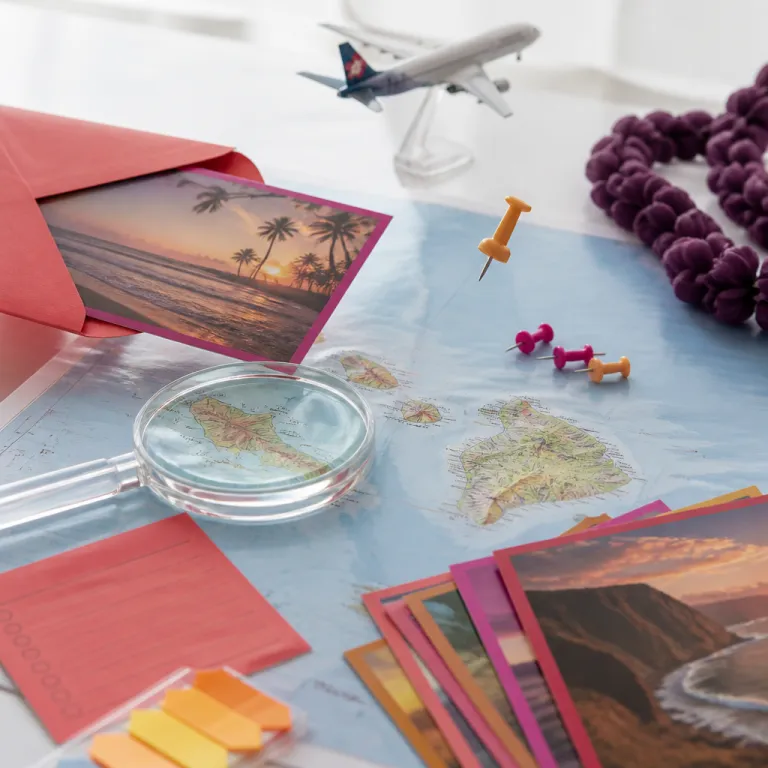
How to choose where to go in Hawaii for the first time
Planning where to go in Hawaii for the first time can feel overwhelming. The Hawaiian Islands stretch across the Pacific as a remote archipelago, and each Hawaiian island offers a distinct rhythm, landscape, and style of welcome. Your aim is to match the right island or islands to your travel time, interests, and energy level.
For a first island visit, start by clarifying what matters most to you. Do you picture long days on a sand beach with gentle waves, or are you drawn to hiking along a wild coast with dramatic cliffs and deep valleys? Many travelers find that combining one larger island such as Oahu or the Island of Hawaiʻi with a quieter place like Kauai or Maui creates the best balance.
Oahu is widely considered the best island in Hawaii for a first time trip. It concentrates city energy, history, and classic beaches in one compact Hawaiian island, making logistics easier and reducing transfer time between experiences. Analysis from NerdWallet in 2023 indicates that average Oahu hotel rates sit about 30% less than the statewide average, which helps first time visitors stretch their budget while still staying close to Waikiki Beach and major sights.
Recent booking data from major travel platforms points in the same direction, with strong demand for Oahu among first-time visitors. Maui continues to grow in popularity for couples seeking a romantic island Hawaii escape with scenic drives and refined dining. Kauai, by contrast, attracts adventure seekers who prioritize hiking, rugged coastlines, and quieter beaches over nightlife.
When you evaluate where to stay, think in terms of daily travel time rather than just price. A slightly higher rate near Waikiki Beach or on Maui’s west coast can save hours in traffic, which matters on a short first time itinerary. For island hopping, consider limiting yourself to two Hawaiian islands, because each interisland flight adds security lines, transfers, and at least half a day of lost exploration.
Oahu and Honolulu: the most complete island for first timers
Oahu is the Hawaiian island that offers the broadest range of experiences in the smallest area. Honolulu anchors the south coast with a skyline of towers behind Waikiki Beach, while the lush North Shore feels like a different world only an hour away. This contrast makes Oahu ideal when you are unsure where to go in Hawaii for the first time and want flexibility.
In Honolulu, you can swim at a family friendly sand beach in the morning and climb Diamond Head in the afternoon. The Diamond Head trail is short but steep, rewarding hikers with sweeping views of the city, the coast, and the deep blue Pacific Ocean. Even if you are new to hiking, this is a manageable first volcano style ascent that introduces the volcanic geology shaping all Hawaiian islands.
History lovers should reserve at least half a day for Pearl Harbor. The Pearl Harbor National Memorial, including the USS Arizona Memorial, offers a sobering window into the events that pulled the United States into global conflict, and it remains one of the most visited sites in all of Hawaii. Because timed tickets can sell out, secure your slot well before your island visit, especially during peak travel time.
Beyond Honolulu, Oahu’s North Shore delivers a slower pace and a different set of beaches. In winter, the North Shore is famous for big surf that draws elite athletes, while in calmer seasons you will find gentler waves and quieter stretches of sand beach suitable for swimming and snorkeling. Many first time visitors split their Oahu stay between Waikiki Beach and the North Shore to experience both the urban and rural faces of this island.
If you are curious about other island chains with a similar mix of lively hubs and quiet retreats, you may enjoy reading about islands beyond the usual Greek hotspots. The comparison can sharpen your sense of what you value most before you commit to a specific Hawaiian island. Once you understand your preferences, Oahu becomes either your main base or a springboard for wider island hopping across Hawaii.
Maui and Kauai: romantic coasts and hiking for a deeper escape
Maui is renowned for romantic scenery and road trips, making it a natural choice when you are asking where to go in Hawaii for the first time as a couple. The island’s west and south coasts offer sheltered beaches, refined dining, and sunsets that seem designed for slow evenings. Inland, the slopes of Haleakalā rise above the clouds, creating a stark volcanic landscape that contrasts beautifully with the soft sand beach below.
One of Maui’s signature experiences is the Road to Hana, often called the road to Hāna. This narrow coastal route winds along the north and east coast, crossing one lane bridges and passing waterfalls, black sand coves, and small villages. Driving the road to Hāna requires patience and an early start, but for many first time visitors it becomes the single most memorable day of their island visit.
Maui’s beaches range from long golden arcs to intimate coves framed by lava rock. While the island does not have the same scale as the Island of Hawaiʻi, it offers a refined balance of comfort and nature that suits travelers who want some hiking without sacrificing amenities. Choose where to stay on Maui based on your priorities, with Kāʻanapali and Wailea favored for resort style stays and easier beach access.
Kauai, sometimes shortened to Kauaʻi, is different in character and often appeals to travelers who place hiking and wild scenery above nightlife. The Nāpali Coast on the island’s northwest side is one of the most dramatic shorelines in the Hawaiian Islands, with sheer cliffs plunging into the sea and narrow valleys carved by centuries of rain. Access to the Nāpali Coast is limited, so plan ahead for boat tours, helicopter flights, or the challenging Kalalau Trail.
Because Kauai is a favorite among photographers and hikers, it often features in lists of the best islands to visit for landscape photography. If your idea of the best island in Hawaii involves early mornings, muddy boots, and sweeping views, Kauai may outrank both Oahu and Maui for your first time trip. Just remember that rain is part of the island’s charm, so pack accordingly and allow flexible time in your schedule.
The Big Island of Hawaiʻi: volcanoes, black sand, and star filled skies
The island officially named Hawaiʻi, often called the Big Island, offers a very different answer to the question of where to go in Hawaii for the first time. This is the largest of the Hawaiian Islands, with climate zones ranging from wet tropical forest to near desert and high alpine tundra. Distances are greater here, so you need more time and a rental car to appreciate the variety.
Hawaiʻi Volcanoes National Park is the island’s defining attraction and a powerful reason to include the Big Island in your first time itinerary. Within the park, you can walk through old lava fields, peer into craters, and learn how ongoing volcanic activity continues to shape every Hawaiian island. When conditions allow, evening visits may reveal glowing lava or a red tinted sky, though activity levels change and should always be checked through official channels.
Black sand beaches are another signature of this island Hawaii landscape. Places such as Punaluʻu Beach showcase fine black sand created by fragmented lava, often with sea turtles resting near the shore. These black sand stretches are striking but can be hot underfoot, so bring appropriate footwear and respect wildlife viewing distances at all times.
On the drier west coast, the Kona region offers a mix of beaches, coffee farms, and small towns. Kailua Kona serves as a practical base where to stay if you want both snorkeling and day trips to Hawaiʻi Volcanoes National Park, though the drive to the park can take several hours each way. Farther north, the Kohala Coast features some of the island’s best sand beach areas, with clear water and excellent conditions for swimming when the ocean is calm.
High above the island, Mauna Kea rises to nearly 4,200 meters, making it one of the tallest mountains on Earth when measured from its base on the ocean floor. The summit area hosts world class observatories, and the high altitude provides exceptional stargazing on clear nights. Because of safety and cultural considerations, always follow local guidance, consider guided tours, and respect that Mauna Kea holds deep significance for many Native Hawaiian communities.
Designing an elegant first time itinerary and where to stay
Once you understand the character of each island, you can design a first time itinerary that feels both rich and unhurried. For most travelers, focusing on one main island with the option of limited island hopping offers the best balance between variety and rest. Trying to see Oahu, Maui, Kauai, and the Big Island in a single short trip usually leads to rushed days and shallow experiences.
A classic pattern is to spend four to five nights on Oahu, then fly to either Maui or the Big Island for another four to six nights. This structure allows you to enjoy Waikiki Beach, Pearl Harbor, and Diamond Head before shifting to a quieter coast or a more nature focused island Hawaii experience. If hiking is central to your plans, you might instead pair Oahu with Kauai, giving yourself time on the Nāpali Coast and in the island’s interior canyons.
To make this more concrete, imagine a seven night first time journey. You might arrive in Honolulu in the afternoon, spend three full days based in Waikiki with one morning at Pearl Harbor and one day exploring the North Shore, then take a short interisland flight of about 40 minutes to Maui. There, four nights near Kāʻanapali or Wailea give you time for a sunrise or sunset visit to Haleakalā, a relaxed beach day, and one long day driving the road to Hāna with plenty of stops.
When deciding where to stay, think in terms of hubs rather than isolated properties. On Oahu, Waikiki and the North Shore form two distinct hubs, each with its own beaches, dining, and access to activities, so splitting your time between them can reduce daily driving. On Maui, the main hubs are the west coast around Kāʻanapali and Lāhainā and the south coast around Wailea, while on the Big Island the Kona coast and the Hilo side serve different interests.
Travelers who value cooler evenings and lush scenery may prefer staying on the windward sides of the islands, such as Hilo on the Big Island or the north and east of Kauai. Those who prioritize long days on a sand beach with reliable sun often gravitate toward leeward coasts like Kona, west Maui, or south Oahu. In every case, align your chosen base with the activities that matter most, whether that is daily hiking, easy access to a particular national park, or proximity to dining and cultural events.
If your travel time falls in late autumn, you may find it helpful to compare Hawaii with other refined seasonal escapes in the United States. Guides to elegant places to visit in the USA in November can clarify how Hawaii’s climate, flight times, and costs stack up against mainland destinations. This broader perspective often reinforces why the Hawaiian Islands remain such a compelling choice for a first time long haul beach and nature holiday.
Island hopping, transport, and timing your first Hawaiian journey
Island hopping across Hawaii can be rewarding when approached with intention. Each interisland flight is short, but the combined time for airport transfers, security, and baggage reclaim can easily consume half a day. For a first time trip of ten to twelve days, visiting two islands usually offers the best compromise between variety and depth.
When you plan where to go in Hawaii for the first time, consider flight patterns from your home city. Many long haul routes land directly in Honolulu on Oahu, which makes this island a natural starting point for your journey. From there, frequent flights connect to Maui, Kauai, and the Big Island, allowing you to add a second Hawaiian island without excessive complexity.
On each island, renting a car gives you the most freedom, especially if you want to explore the Big Island, drive the road to Hāna on Maui, or reach trailheads for hiking on Kauai. Public transport exists on Oahu, but it is not designed for seamless access to every beach, national park, or coastal viewpoint. For safety and comfort, choose a vehicle with enough space for luggage, water, and layers, particularly if you plan to visit higher elevations such as Mauna Kea.
Timing matters as much as geography when you decide where to stay and how to move between islands. Shoulder seasons often bring fewer crowds and more attractive rates, while still offering warm ocean temperatures and good hiking conditions on most coasts. Because weather can vary dramatically between the windward and leeward sides of each Hawaiian island, build some flexibility into your schedule so you can shift beach days or national park visits in response to local forecasts.
As you refine your plan, remember that Oahu is recommended for its diverse activities and accessibility, Maui is renowned for its romantic scenery and road trips, and Kauai offers adventure and hiking opportunities. These three statements, drawn from current travel guidance, summarize why so many first time visitors focus on Oahu, Maui, and Kauai when they think about where to go in Hawaii for the first time. The Big Island then becomes an inspired choice for a second or longer journey, when you have more time to appreciate its scale and volcanic drama.
Key statistics for choosing your first Hawaiian island
- Oahu hotel rates are approximately 30% less than the statewide average according to NerdWallet’s 2023 analysis of Hawaii lodging costs, which makes this island particularly attractive for budget conscious first time visitors.
- Oahu has just under 1,000,000 residents based on recent U.S. Census Bureau estimates, giving it the largest population among the Hawaiian Islands and the widest range of urban services.
- Booking and search data from major travel sites show strong interest in Oahu for first time visitors, while Maui is gaining popularity among couples and Kauai is attracting more adventure focused travelers, reflecting the distinct identities of each island.
- Hawaiʻi Volcanoes National Park on the Big Island protects over 1,300 square kilometers of volcanic landscapes according to the U.S. National Park Service, providing one of the most extensive accessible lava fields in the Pacific region.
- Mauna Kea rises to nearly 4,200 meters above sea level, and when measured from its base on the ocean floor it is taller than Mount Everest, which explains its exceptional stargazing conditions.
FAQ: planning where to go in Hawaii for the first time
Which Hawaiian island is best for first time visitors?
For most travelers, Oahu is the best island for a first time trip because it combines city comforts, major historical sites, and classic beaches in a compact area. You can visit Pearl Harbor, hike Diamond Head, and relax on Waikiki Beach without long drives. Competitive hotel rates compared with the statewide average also help first time visitors manage costs.
How many islands should I visit on my first trip to Hawaii?
Two islands are usually ideal for a first time journey of ten to twelve days. This allows you to experience different coasts and landscapes without losing too much time to airport transfers and packing. A common pairing is Oahu with either Maui, Kauai, or the Big Island, depending on whether you prioritize beaches, hiking, or volcanic scenery.
Is Maui or Kauai better for hiking and wild scenery?
Kauai generally offers more dramatic hiking and wilder scenery, especially along the Nāpali Coast and in Waimea Canyon. Maui also has excellent trails, including routes in Haleakalā National Park and along the road to Hāna, but it balances these with more developed resort areas. If hiking is your main focus, Kauai often feels like the more immersive choice.
Why should I consider the Big Island on a first visit?
The Big Island of Hawaiʻi gives you access to Hawaiʻi Volcanoes National Park, black sand beaches, and high altitude stargazing on Mauna Kea, which you will not find in the same combination elsewhere. It suits travelers who enjoy driving, varied climates, and geological landscapes. Because distances are larger, it works best when you have enough time to explore both the Kona coast and the Hilo side.
Do I need a car on Oahu for my first time trip?
You can stay in Waikiki without a car and rely on walking, taxis, and tours for many activities, including visits to Pearl Harbor and Diamond Head. However, renting a car for at least a few days lets you explore the North Shore, quieter beaches, and inland viewpoints at your own pace. For travelers who value flexibility and spontaneous stops, a car significantly enhances the Oahu experience.
Planning tip: As you read, note your must see beaches, hikes, and cultural sites, then turn that list into a simple checklist you can print or save on your phone. Having a one page summary of priorities makes it much easier to choose where to stay and how many islands to include.