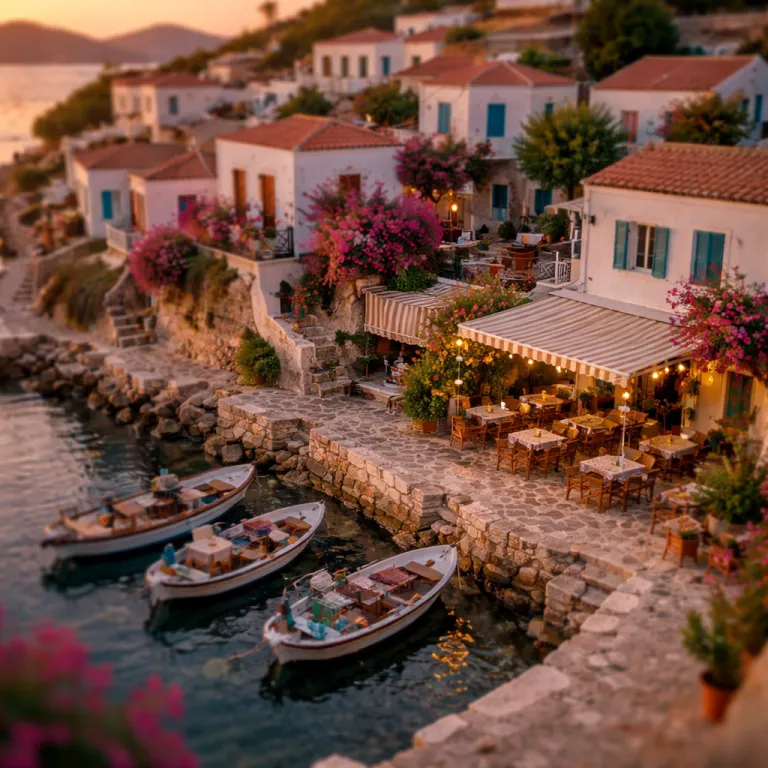
Where to go in Greece: how to choose islands, regions, and routes
Deciding where to go in Greece can feel overwhelming, with hundreds of islands, historic mainland towns, and ferry routes to navigate. This guide helps you match your travel style to the right regions, plan realistic routes, and balance famous sights with quieter places that still feel genuinely Greek.
Choosing where to go in Greece beyond the clichés
When you start planning where to go in Greece, the same names surface first. Athens, Santorini, and Mykonos dominate every tweet, email, and glossy brochure, yet they now feel like stage sets rather than lived-in places. Greece still offers hundreds of inhabited islands and mainland corners where the rhythm of daily life shapes your trip, not the cruise ship timetable.
Think of Greece as a constellation of regions, each with its own ancient stories, sea views, and very specific travel temperament. The Cyclades, Dodecanese, Sporades, Ionian islands, and Crete all differ in size, landscape, and the kind of beaches and villages you will actually experience. To decide where to visit in Greece, match your preferred vibe — lively or quiet, polished or rustic, family-friendly or nightlife-heavy — to the right cluster rather than chasing the same over-edited sunset.
For a first trip to Greece, many travelers pair a stay in Athens with one island group, using ferries instead of flights whenever possible. Major operators such as Blue Star Ferries, Hellenic Seaways, and SeaJets link the main hubs, with most routes costing roughly €30–€80 per leg depending on distance and speed. Once you accept that you cannot see every beautiful place in one go, you can finally slow down enough to notice the monasteries perched on cliffs, the rock formations along empty coves, and the late afternoon light on a quiet beach.
Athens, ancient ruins, and the art of the first and last night
Athens is not just a gateway; it is where Greece’s ancient and modern selves collide in the most vivid way. A trip to Athens should always include the Athens Acropolis, but the real city reveals itself in the streets of Psyrri, the markets around Omonia, and the small cafés where locals argue about football and politics. Plan at least two nights in Athens at the start or end of your trip, so flight delays do not derail your island connections.
Walk up to the ancient ruins of the Athens Acropolis early, then spend the late afternoon in the Acropolis Museum, where the sculptures and friezes give context to the stones above. From there, wander down to the Plaka district, where you can trace Roman, Byzantine, and Ottoman layers in a few city blocks, and then seek out an Athens rooftop bar with clear views of the Parthenon after dark. This combination of archaeological depth and contemporary nightlife makes Athens one of the most rewarding places to visit in Greece, especially if you enjoy cities that feel lived in rather than curated.
To move beyond the postcard, consider a rental car for a day trip from Athens to Delphi or Nafplio, where the Temple of Apollo and Venetian fortresses anchor the landscape. A short trip from Athens to Meteora reveals monasteries perched on rock formations that look almost unreal, yet they remain working religious communities. When you return to Athens for your final night, choose an area with an easy walk to an Athens rooftop terrace, so your last sea views are replaced by marble and city lights instead of airport queues.
The Cyclades: Santorini, Mykonos, Naxos, and quieter neighbours
The Cyclades are usually the first answer when people ask where to go in Greece for islands, yet the experience varies wildly from one Greek island to the next. Santorini and Mykonos now operate at a scale that can feel overwhelming, with cruise crowds, inflated prices, and a party vibe that rarely pauses. If you still want that caldera drama or nightlife, treat these islands as short stopovers rather than the core of your trip.
Santorini offers extraordinary sea views, volcanic rock formations, and villages perched on the cliffs, but you will share every sunset with thousands of phones. Mykonos has undeniably beautiful beaches and a cosmopolitan energy, yet the island’s size and infrastructure now cater mainly to high season revelers. Many independent travelers now base themselves on Naxos, where the island’s larger size means more room for agricultural valleys, long white sand beaches, and villages that still feel authentically Greek.
From Naxos, you can plan a simple Mykonos–Naxos ferry loop within the same island group, keeping your travel time short and your days long. Typical ferry times Naxos–Mykonos range from about one to two hours, depending on the boat, with prices often between €25 and €60. Quieter Cycladic islands such as Amorgos and Folegandros offer hiking paths, monasteries perched above the Aegean Sea, and tavernas where the menu changes with the fishing boats. In this region, the best places to visit are often the ones without an airport, where you arrive by sea, step off the ferry with no reservation, and let the island’s slower vibe dictate the shape of your days.
Crete, the Dodecanese, and the long horizons of the south
Crete is almost a country within Greece, both in size and in the strength of its identity. If you are wondering where to go in Greece for a single island that can fill an entire trip, Crete is the obvious answer. The island combines ancient ruins, mountain villages, dramatic gorges, and some of the most beautiful beaches in the country, all framed by the Cretan Sea.
On Crete’s western side, Balos and Elafonisi lure visitors with white sand and turquoise shallows, while the Samaria Gorge offers a long hike between towering rock formations. The eastern side feels quieter, with smaller towns, monasteries perched on hills, and sea views that stretch towards the Dodecanese chain. Renting a car on Crete is almost essential, because the island’s size makes public transport too slow for a short trip, and a rental car lets you link archaeological sites, mountain tavernas, and remote beaches in a single day.
Further east, islands like Karpathos sit between Crete and Rhodes, with a wilder vibe and fewer large resorts. Here, the best places to visit are small villages clinging to ridges, coves where the Aegean Sea meets the open Mediterranean, and chapels perched on cliffs that glow in the late afternoon light. When you visit Greece in these southern regions, you trade the polished Cycladic aesthetic for something rougher, more elemental, and often more rewarding.
The Ionian and Sporades: green, musical, and quietly sociable
If the Aegean feels too stark, the Ionian islands on Greece’s western flank offer a softer palette. Corfu, Ithaca, and their neighbours are greener, with cypress trees, olive groves, and beaches framed by cliffs rather than bare rock. The sea here shifts from deep blue to jade, and the architecture carries Venetian echoes rather than Cycladic cubes.
Corfu Town’s arcades and fortresses make it one of the most atmospheric places to visit in Greece, especially if you enjoy walking cities with layered histories. Ithaca, often linked to Homeric legend, is smaller in size and quieter in vibe, ideal for travelers who prefer coves, hiking trails, and evenings in family-run tavernas. In both singular island and plural islands, the focus is less on spectacle and more on the slow accumulation of small, beautiful moments — a swim before breakfast, a shared carafe of local wine, a conversation that stretches into the late afternoon.
On the opposite side of the mainland, the Sporades — including Skopelos — offer pine-scented hills, clear sea views, and beaches that feel more local than staged. These Greek islands work well for travelers who want to visit Greece without the intensity of the Cyclades, yet still enjoy good ferry connections and a sociable atmosphere. Whether you choose one Greek island or several, keep your island hopping within a single group, so your travel days stay short and your memories are shaped by the sea, not by waiting rooms.
How to structure a thoughtful Greek island trip
To decide where to go in Greece for a balanced itinerary, start with your non-negotiables. Do you want ancient ruins, city energy, and an Athens rooftop bar, or are you content with a single island, a rental car, and long days on the beach? Once you know your priorities, you can choose between a trip that combines Athens with one island group or a slower journey that stays entirely on the mainland.
For most travelers, a classic structure is three nights in Athens, followed by seven to ten nights on one or two islands in the same chain. A sample 10-day trip might be three nights in Athens, three nights on Naxos, and four nights on a quieter Cycladic island such as Amorgos. This allows time for a focused trip to Athens, including the Athens Acropolis, the Temple of Apollo at Delphi, and perhaps a day in Nafplio, before you move on to the sea. When you visit Greece in shoulder season, ferries run frequently enough to support island hopping, yet the beaches, tavernas, and monasteries perched above the sea remain pleasantly uncrowded.
Before you book, run through a short checklist: confirm your passport and visa status, compare ferry and flight times for your chosen islands, reserve key stays and car rentals for July–August, and note average travel times between stops so you do not lose whole days in transit. Sustainable travel here is not a slogan; it is the difference between a place that feels like a set and one that still feels like a home.
Key numbers for planning your trip
- Greece welcomes about 30 million tourists each year, which means planning for shoulder season can dramatically reduce crowd pressure on popular places. This figure is drawn from Bank of Greece balance-of-payments data and Greek National Tourism Organization summaries released in the last few years; always check the latest Bank of Greece tourism statistics for updated totals.
- The country has 18 UNESCO World Heritage Sites, so you can combine island beaches with at least one major cultural visit such as the Acropolis or Delphi. The official UNESCO World Heritage Centre list for Greece, updated periodically, confirms the current site count and provides detailed descriptions and criteria; verify the latest number before you travel, as new sites may be added.
Essential questions before you visit Greece
What is the best time to visit Greece ?
Spring and autumn offer pleasant weather and fewer crowds. These seasons are ideal for combining a trip to Athens with time on the islands, because the sea is warm enough for swimming while the beaches and ancient ruins remain more accessible. If you travel in peak summer, book ferries and accommodation early, and expect higher temperatures and busier places. For many travelers, May, June, September, and early October balance good weather with more relaxed ferry ports and quieter villages.
Do I need a visa to visit Greece ?
Do I need a visa to visit Greece? The answer depends on your nationality; check with the Greek consulate. Many travelers from the European Union and several other regions can enter visa free for short stays, but rules change, so always verify before booking flights. Carry proof of onward travel and accommodation details, as border officials may request them on arrival.
Is Greece safe for tourists ?
Is Greece safe for tourists? It is generally safe; exercise standard precautions. Petty theft can occur in crowded areas of Athens and on busy islands, so keep valuables secure and avoid leaving bags unattended on the beach. In rural areas and smaller islands, crime rates are typically low, and the main risks relate more to sun exposure, dehydration, or hiking on uneven terrain.
Can I drink tap water in Greece ?
Can I drink tap water in Greece? It is safe in cities; bottled water is recommended on islands. In Athens and most large mainland towns, tap water meets quality standards and is regularly tested. On many Greek islands, however, the water supply can be brackish or limited, so locals themselves often rely on bottled water for drinking while still using tap water for washing and cooking.
Further reading from trusted sources
- Greek National Tourism Organization for official guidance on regions, transport, and seasonal patterns.
- UNESCO World Heritage Centre for detailed information on Greece’s cultural and natural heritage sites.
- Hellenic Civil Aviation Authority for up to date information on domestic flights and airport operations within Greece.
