Faroe Islands photography: planning a seven day itinerary around light
Designing a seven day Faroe Islands photography itinerary around light
Faroe Islands photography rewards those who plan around light, not landmarks. During late spring and the long summer months, the archipelago sits in a band of nearly continuous twilight, which stretches golden hour into a generous window for any landscape photographer. Think of each day as a sequence of light scenarios rather than a checklist of famous viewpoints, and you will come home with a stronger Faroe Islands photo itinerary and a more coherent body of work.
Begin your trip on Streymoy and Vágar, where short drives link several island landscape scenes in a single day. Base yourself near Tórshavn or Vágar Airport to reach the ocean cliffs of Sørvágsvatn at sunrise (around 04:00–05:00 in June), then shift to the village of Gásadalur for late afternoon when dramatic light often cuts through low cloud and mist above the waterfall. This rhythm lets you respond to changeable weather while still building a consistent portfolio of Faroe Islands images.
Plan the second part of the week around the island of Kalsoy and the northern isles, where the North Atlantic feels very close and the sea stacks rise almost directly from the ocean. Allocate at least one full day to Kalsoy, because the hike to Kallur Lighthouse and its surrounding sea stack viewpoints demands both time and flexibility. A second day in the region lets you photograph smaller Faroese villages and churches in softer light, capturing everyday life rather than only the iconic scenes.
As a sample seven day Faroe Islands photography itinerary, you might spend day one around Vágar, day two on Streymoy, day three on Eysturoy, days four and five focused on Kalsoy and the northern isles, and the final two days revisiting favourite locations in the best light. This loose structure keeps your schedule realistic while still leaving space to react when storms, low cloud, or unexpected clear skies reshape the island landscape. For on-the-ground navigation, save a simple offline map or GPX waypoint file for Sørvágsvatn, Gásadalur, Saksun, Tórshavn, and Kallur Lighthouse before you arrive.
Island by island : where to stand, and when, for the strongest frames
On Vágar, aim for Sørvágsvatn and the village of Gásadalur in separate sessions, even if they sit on the same island. The cliff path above the lake offers classic landscape photography opportunities at sunrise, when the ocean horizon glows and mist sometimes drifts over the water. Gásadalur works best in late afternoon, when the sun arcs behind the mountains and turns the waterfall into a backlit veil above the directly ocean facing cliffs. Suggested image: Wide angle view of Gásadalur waterfall at sunset, backlit spray glowing against dark cliffs (alt text: “gasadalur-waterfall-sunset-faroe-islands-long-exposure-landscape-photograph”).
Streymoy and Eysturoy hold some of the most atmospheric Faroe Islands photography locations, especially around Saksun and the smaller fjords. In Saksun, arrive on a falling tide to frame the lagoon, the turf roofs of the village, and the surrounding mountains in a single wide angle composition. Use the long summer daylight to walk beyond the obvious viewpoints, where you can photograph Faroese people tending sheep or moving between church and home, adding human life to the island landscape and giving your Faroe Islands photo itinerary more narrative depth.
Farther north, the island of Kalsoy is the anchor for any serious Faroe photography project, and Kallur Lighthouse is its focal point. The path to the lighthouse threads along ridgelines where sea stacks puncture the North Atlantic, giving a fairy tale quality to the views in both directions. Stay patient with the weather on Kalsoy; a clear day can turn to heavy rain and back to dramatic light within an hour, offering several distinct moods for the same island scene. Suggested image: Hiker on the ridge near Kallur Lighthouse at sunrise, sea stacks fading into mist (alt text: “kallur-lighthouse-sunrise-ridge-hike-kalsoy-faroe-islands-dramatic-coastal-cliffs-sea-stacks”).
Working with weather, mist and heavy rain instead of fighting them
The Faroe Islands sit in the North Atlantic, and the weather behaves accordingly. You will meet heavy rain, sudden squalls, and low mist that erases entire mountains in minutes, then reveals them again with theatrical flair. Treat this instability as the defining subject of your Faroe Islands photography, not as an obstacle to be endured, and let each shift in cloud and light guide where you stand and which island you visit next.
Build slack into every day of your trip, so you can wait out a passing storm above a village or church instead of rushing back to the car. When a front moves through, turn your lens toward the ocean and the sea stacks, where streaks of rain and shifting cloud bands create layered landscape compositions. On calmer days, use the soft overcast to photograph Faroese people, grass roofs, and the textures of village life without harsh contrast, balancing your dramatic seascapes with quieter documentary frames.
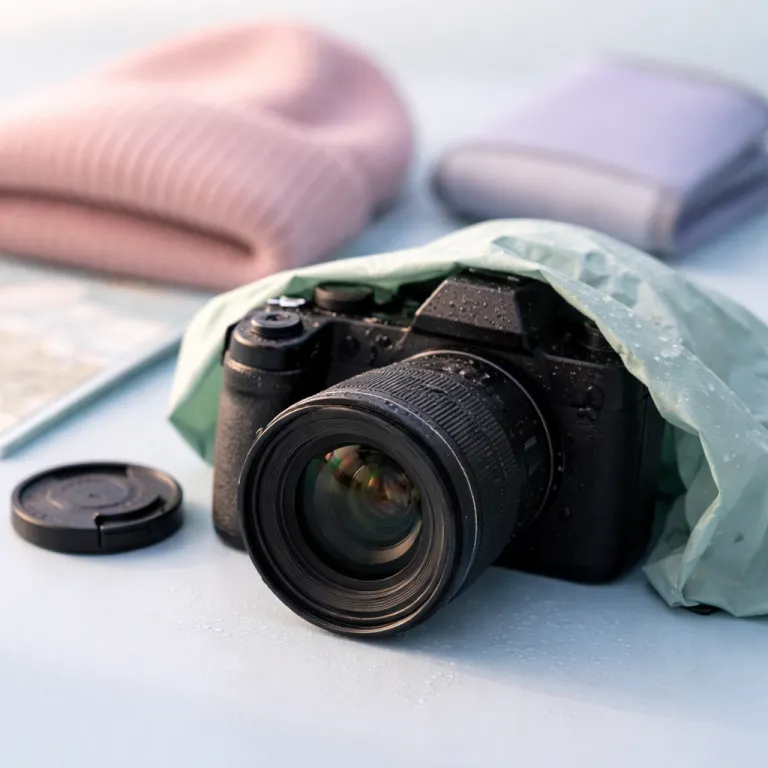
Pack for the worst weather you can imagine on an island, then assume it will still surprise you at some point. A weather sealed camera body, wide angle and mid range zooms, and a sturdy tripod are essential for any landscape photographer working this close to the directly ocean exposed cliffs. Keep a lightweight dry bag ready so you can move quickly between islands, protecting your gear while still responding to sudden pockets of dramatic light over nature, mountains, and remote villages.
Gear, ethics and working with local expertise on the faroes
For serious island photography, think in systems rather than single lenses. A full frame DSLR or mirrorless body with a 16–35 mm wide angle and a 24–70 mm standard zoom will cover most Faroe Islands photography situations, from tight village streets to sweeping island landscape scenes. Add a 70–200 mm telephoto for compressing sea stacks and isolating churches on distant ridges, and consider a lightweight travel tripod for long exposures of waterfalls and low light Kallur Lighthouse sunrise shots.
Tripods matter more here than in many European destinations, because wind and low light often collide at the same time. Choose a carbon fibre model with a low centre of gravity, and hang your bag for extra stability when gusts roll in from the ocean. Weather protection is non negotiable; pack lens cloths, rain covers, and quick drying layers for yourself, because your own comfort directly shapes how long you can stay with a scene and how confidently you can work near exposed cliffs.
Ethically, the Faroe Islands are at a turning point, with tourism and photography pressure rising on fragile sites. According to Visit Faroe Islands, international visitor arrivals increased from roughly 60,000 in 2013 to more than 130,000 in 2019, and some locations now require permits or guided access, especially where paths cross private land or sensitive nature, so respect local rules and signage without argument. Drone use is regulated across the islands under Faroese and Danish aviation rules, and additional restrictions may apply near villages, churches, and bird cliffs, so always check current guidance from Faroese authorities or local guides before flying. When you want deeper access to Faroese life, consider working with local guides or photographers such as Rúni Brattaberg, Christian Hoiberg, or Kallan Robb, who have publicly shared their Faroe Islands photography and understand both the landscape and the expectations of the people who live on each island.
Beyond the postcard : lesser known scenes and narrative driven shooting
Once you have Kallur Lighthouse, the village of Gásadalur, and a few classic sea stack views on your cards, shift your attention to narrative. The Faroes reward photographers who treat each day as a chapter in a longer story about islands, weather, and human life at the edge of the North Atlantic. Look for sequences rather than single frames; a child walking to church, a fisherman repairing nets, a storm building over the mountains behind a village, or a family moving between harbour and home.
Spend unhurried time in Tórshavn and smaller Faroese settlements, where you can photograph people in cafés, harbours, and narrow lanes without turning them into props. Ask permission before close portraits, and offer to share your island photos afterward, which helps build trust and often leads to more intimate access. Use the long summer months to revisit the same corners of each island at different times of day, building a visual essay that shows how nature, weather, and light reshape the same streets and cliffs.
If you are planning a wider North Atlantic journey, consider pairing the Faroe Islands with other island landscape destinations such as the Greek archipelagos, where timeless history, islands and sea views create a very different palette. Studying how different coasts handle tourism and photography can sharpen your own ethics and eye over time. In the end, the strongest Faroe photography projects are not about chasing a single fairy tale image, but about walking behind the postcard and staying long enough for real life to enter the frame.
Key figures shaping Faroe Islands photography
- Visitor numbers to the Faroe Islands have risen significantly over the past decade, with Visit Faroe Islands reporting steady year on year growth in international arrivals, increasing attention on popular photography locations and fragile landscapes.
- The tourism sector now represents a meaningful share of the Faroe Islands’ economy, and official strategies emphasise sustainable travel, underlining how closely local livelihoods and visiting photographers are intertwined.
Essential questions for planning Faroe Islands photography
What is the best time to photograph the Faroe Islands ?
Spring and summer offer favorable conditions. Long daylight hours, especially in late spring and the summer months, give landscape photographers extended golden hour windows and more flexibility when the weather shifts. These seasons also bring greener nature, active birdlife, and easier access to remote island trails, making them ideal for a Faroe Islands photo itinerary that covers several regions.
Are there photography tours available ?
Yes, guided tours are offered by local experts. Many Faroese photographers and tour operators run small group trips focused on landscape photography, often including access to islands like Kalsoy and lesser known villages. Working with a guide can help you navigate permits, respect local customs, and make the most of limited time in complex weather.
What equipment is recommended ?
DSLR or mirrorless cameras with wide angle lenses are ideal. A weather sealed body, a sturdy tripod, and protective covers are strongly recommended because of frequent heavy rain and strong winds from the North Atlantic. Adding a mid range zoom and a telephoto lens will help you handle everything from close village scenes to distant sea stacks and mountain ridges, especially when shooting Kallur Lighthouse sunrise or Gásadalur at sunset.
Additional FAQs about Faroe Islands photography
How many days do I need for a focused Faroe Islands photography trip ?
A seven day trip allows you to cover Vágar, Streymoy, Eysturoy, and the island of Kalsoy with enough time to adapt to the weather. This duration lets you revisit key locations like Kallur Lighthouse and the village of Gásadalur in different light. With fewer days, you will need to narrow your focus to one or two islands and accept less flexibility when storms or low cloud roll in.
Is drone photography allowed across all the islands ?
Drone use is regulated, and not all areas permit flights, especially near villages, churches, and bird cliffs. Always check current rules from local authorities and respect no fly zones to protect wildlife and people’s privacy. When in doubt, ask a local guide or landowner before launching, and be prepared to rely on traditional landscape photography techniques when drone use is not appropriate.
How can I photograph Faroese people respectfully ?
Start with candid wider scenes that show daily life in context, such as markets, harbours, or paths between houses and churches. If you want close portraits, ask permission, explain your project, and offer to share the images later. This approach usually leads to more authentic expressions and a deeper connection with the island communities, which in turn strengthens the storytelling in your Faroe Islands photography.
What safety considerations should landscape photographers keep in mind ?
Cliffs, sea stacks, and wet grass can be extremely slippery, especially after heavy rain or in mist. Stay well back from edges, avoid walking on overhanging turf, and never turn your back on the ocean when shooting near waves. Always let someone know your route and expected return time when hiking on remote islands, and be willing to abandon a shot if wind or visibility makes a location unsafe.