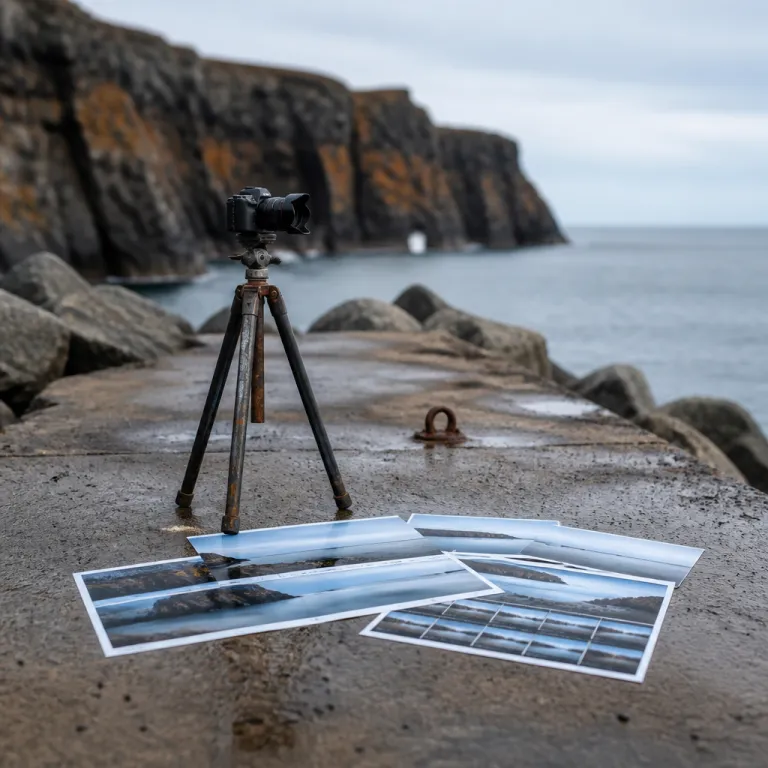
Why Iceland in July rewrites the rules of light
Iceland in July bends your sense of time and light. The sun hovers near the horizon for long stretches, turning Iceland photography under the midnight sun into a slow, deliberate practice rather than a frantic chase. You walk out at midnight and the landscape still glows with a soft golden light that feels like an endless late afternoon.
At this latitude the sun in Iceland barely dips below the horizon, so the classic golden hour becomes golden hours that can last three or four hours at a time. Around the summer solstice in Reykjavík, for example, the sun sets close to 11:55 p.m. and rises again just after 2:55 a.m. on June 21, while by July 10 it sets around 11:40 p.m. and rises near 3:20 a.m. (exact times vary by date and location; check a dedicated sun-angle or sunrise/sunset calculator before you travel). For photographers who want to capture nuanced landscape images, this extended light is the best time of the year to work, because you can refine compositions instead of grabbing a single rushed Iceland photo. The official definition from local guides is simple and accurate: "What is the midnight sun? A natural phenomenon where the sun remains visible at midnight during summer months in high-latitude regions."
During this period, Iceland will give you roughly 18–21 hours of usable light per day depending on latitude and exact date, with the remaining hours of daylight hovering in a blue twilight that still works for long exposure photography. That means you can plan a full day summer itinerary, rest, then head back out for a late-night shooting session without ever touching true darkness. For travel photographers, this land of midnight light is less about one perfect image and more about how many different ways you can capture the same mountain, bay, or national park under shifting tones of Iceland’s summer sun.

Reading the sky: golden hour, bad weather, and continuous light
Under the midnight sun Iceland becomes a classroom in subtlety, where clouds matter more than clocks. The best time for long summer landscape sessions is often when the forecast looks like bad weather, because thin cloud turns harsh sun into a giant softbox. When the sky clears completely, the sunlight Iceland offers can be surprisingly strong, so you will need filters and careful exposure to protect highlights in every photo.
Think of each day as a loop of overlapping warm twilight and blue hour, rather than a simple sunrise and sunset. Around the south coast, soft directional light can start late in the evening and linger past midnight, giving photographers long windows to capture seascapes, basalt stacks, and black sand beaches in multiple moods during the same hours. On the north side of the island, near Akureyri, the sun skims even lower, and in early July it may set just after midnight and rise again around 2:30 a.m., stretching pastel tones into a continuous band of color that flatters every landscape image you frame.
Because the hours of daylight are so extended, you can treat time like another compositional tool, not just a constraint. Many photographers schedule a workshop or informal photo tour that deliberately runs through the night, pausing only for coffee and memory card swaps while the soft northern glow keeps rolling. On one July trip, for instance, a small group reached the black sands near Vík at 11:45 p.m., shot sea stacks in cool blue light until 12:30 a.m., then watched the sky shift to peach and gold by 1:15 a.m.—three distinct looks of the same scene in a single continuous session. If you are used to winter trips where you fight for a single clear hour, this summer rhythm feels almost decadent, and it rewards those who stay patient and keep watching the sky evolve.
For a deeper look at how light behaves in other high-discipline destinations, the detailed guide on light angles and patience in Kyoto temples offers a useful comparison in working deliberately with angles and changing illumination.
Where to point your lens: beyond the usual ring road stops
Most first time visitors to Iceland will trace the ring road and stop at the same viewpoints, but the midnight sun rewards those who step sideways. In July, the Highlands open and suddenly summer photography shifts from coastal scenes to rhyolite mountains, geothermal vents, and river braids that look abstract from above. Places like Landmannalaugar and Askja feel like another planet, especially when golden light slides across their ridges at one in the morning.
On the south coast, you can use the long day to time your visits against the crowds rather than the clock. Skógafoss, Seljalandsfoss, and the black sands near Vík are transformed when you arrive during the quiet hours of the night around midnight, when only a few photographers and hardy tourists remain to capture the falls under soft halos of Icelandic sun. The same strategy applies in the Eastfjords, where small harbors and steep mountains give you space to build a more personal Iceland photo series without tour buses in every frame.
If you prefer drama, the Westfjords and their cliffs at Látrabjarg offer puffins, surf, and sheer drops that glow under the midnight sun Iceland is famous for. Here, the best time to visit is often the late night slot, when birds are active and golden hour wraps the headlands in warm tones for long, forgiving hours. For travelers weighing whether to loop the entire island or focus on one region, a more refined approach similar to choosing a single region for a spring break road trip applies: depth in one area usually beats a rushed checklist around the whole ring road.

Gear that keeps up with endless light and sudden weather
Continuous light sounds easy until you try to manage exposure, fatigue, and gear in Iceland’s shifting conditions. Smartphone cameras struggle with the dynamic range between bright Iceland sun and dark lava fields, so a small mirrorless body with good high ISO performance will give you far more control. Pack one versatile zoom lens, a fast prime for low light, and a sturdy but compact tripod that you will actually carry during long hours.
Neutral density and graduated filters become essential when the low sun Iceland throws at you sits just above the horizon for most of the night. A 3-stop ND is often enough for smoothing waterfalls in soft evening light, while 6–10 stops let photographers capture long exposure images of waves or clouds even when the summer sky feels almost like midday. Polarizers help tame glare on wet rocks and moss, while lens hoods and weather sealing protect your kit when bad weather rolls in without warning.
Bring more memory cards than you think you need, because long July sessions generate a relentless number of files. With so many usable hours of daylight, you will shoot more variations of each landscape than on a typical winter trip, and swapping cards is safer than constantly formatting. A small dry bag, microfiber cloths, and spare batteries kept warm in an inner pocket round out a travel-tested setup that survives both the glowing northern sky and the sudden squalls that sweep across any national park or open plateau.
For health and logistics, remember that long nights out on wet rocks increase the risk of slips, so it is worth reading guidance on where to seek expert care for a sprained ankle while traveling before you go.
Working the clock: itineraries, workshops, and staying sharp
The real challenge of Iceland photography trips in July is not finding light, but managing your own energy. With almost every hour of the summer day technically shootable, you will need to design a rhythm that alternates intense sessions with real rest. Sleep masks, earplugs, and a strict schedule help you treat the midnight glow as a resource, not a temptation to stay awake for days.
Many photographers join a dedicated workshop or small group photo tour because local leaders already understand how to sequence locations around the best time for golden hour and quieter roads. A good guide knows when to push through bad weather in search of dramatic clouds, and when to pivot to a different national park or fjord where the Iceland sun might break through. They also help you decide whether this time of year is better spent on the south coast, in the Highlands, or exploring lesser known corners that typical tours of Iceland rarely reach.
If you prefer to work solo, think in blocks of four to six hours of daylight, with clear goals for each session. One block might focus on a single waterfall and its surrounding landscape, another on wildlife, and a third on abstract Iceland photo studies of geothermal textures or river patterns. A simple sample day in July could look like this: rest from 2:00 a.m. to 9:00 a.m., scout and drive from 10:00 a.m. to 2:00 p.m., shoot a first session from 3:00 p.m. to 7:00 p.m., rest and back up images until 10:00 p.m., then head out again from 11:00 p.m. to 3:00 a.m. for your main midnight-sun work. This approach keeps your photography intentional, protects your body from exhaustion, and ensures that when you finally scroll through your images and swap memory cards at the end of several days, you see a coherent story rather than a random archive of the Iceland midnight sky.
FAQ
What is the midnight sun and how does it affect photography in Iceland?
The midnight sun is a phenomenon where the sun remains visible at local midnight in high latitude regions, including Iceland. For photography, this creates extended golden hours with soft, low angle light that can last for several hours instead of a few minutes. It allows photographers to capture landscapes at unconventional times, often with fewer people and more atmospheric conditions.
When is the best time to experience the midnight sun in Iceland?
The most reliable window for the midnight sun in Iceland runs from mid May to late July, with the peak around the summer solstice. During this period, daylight can reach about 20–21 hours in Reykjavík and even more in the north, and the remaining hours are a bright twilight that is still usable for photography. Outside this window, nights gradually become darker and the effect is less pronounced.
How should I adjust my shooting schedule under near 24 hour daylight?
Instead of chasing a single sunrise and sunset, divide your day into several focused shooting blocks. Many photographers rest during the brightest midday period and shoot in the late evening, around midnight, and into the early morning when the light is softer. Planning rest is as important as planning locations, because fatigue can quickly undermine your creativity and safety.
What camera gear works best for Iceland’s midnight sun conditions?
A weather sealed mirrorless or DSLR body with good dynamic range handles the contrast between bright skies and dark lava fields. Versatile zoom lenses, a fast prime, neutral density filters, and a sturdy tripod are particularly useful for long exposure work in continuous light. Extra batteries, ample memory cards, and simple rain protection keep your kit reliable in rapidly changing weather.
Is July in Iceland only good for landscape photography, or also for wildlife?
July is excellent for both landscape and wildlife photography in Iceland. Puffin colonies at places like Látrabjarg and Borgarfjörður Eystri are active, and the long daylight hours make it easier to time visits when birds are flying, feeding, or resting on accessible cliffs. Combining these wildlife opportunities with nearby coastal landscapes lets you build varied portfolios within a single region.