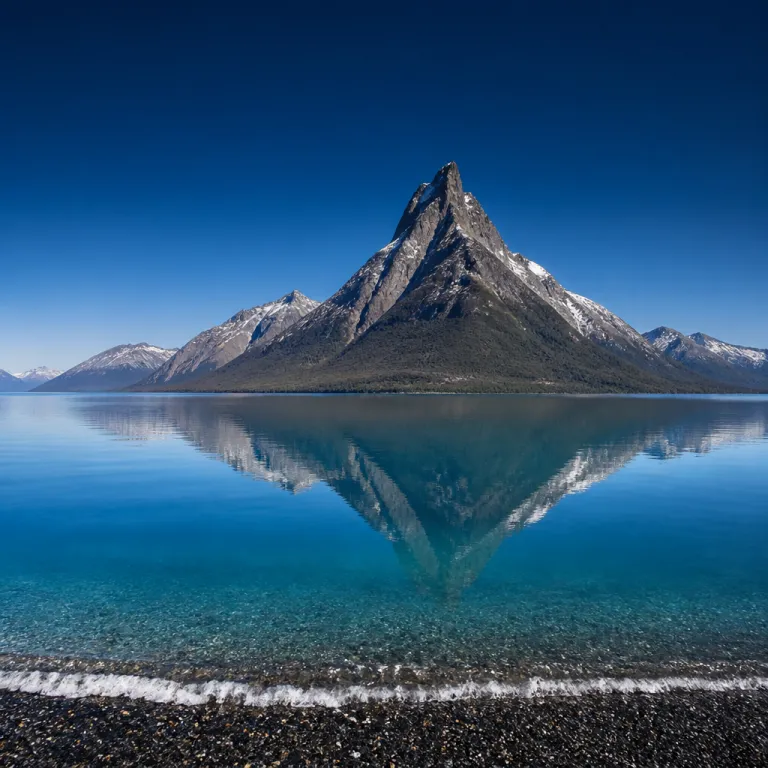
Mapping where to go in Patagonia for your first trip
Patagonia stretches across southern Chile and Argentina, so planning where to go in Patagonia starts with choosing which side fits your style. For a first trip, I recommend combining Chilean Patagonia for its dramatic Torres del Paine National Park with Argentine Patagonia for glaciers near El Calafate and the hiking hub of El Chaltén. This balance lets you experience the best national parks, glaciers, and wildlife without racing across thousands of kilometres.
Most international flights land in Buenos Aires or Santiago, then you connect south to gateways such as El Calafate, Ushuaia, Punta Arenas, or Bariloche. From Buenos Aires, many travellers fly to El Calafate (about three hours) for a day or two at the Perito Moreno Glacier, then continue by road to El Chaltén (around three hours, 215 kilometres) or cross the border toward Torres del Paine National Park in Chile via Puerto Natales (typically a full travel day including border formalities). From Santiago, the classic route is to fly to Punta Arenas (around three and a half hours), travel by road to Puerto Natales in roughly three hours, and then enter the park for several days of hiking and wildlife watching.
When you visit Patagonia, remember that distances are vast and the area covers roughly 1 000 000 square kilometres across both countries, so focus on a few regions rather than chasing every famous park. Ask yourself whether you prefer long hike days, scenic drives such as the Carretera Austral, or shorter walks with boat tours to glaciers. Your answers will shape which national park or parks you prioritise, how many days you spend in each place, and which side of the border delivers the best experience for you. A simple first-timer loop might be Buenos Aires – El Calafate – El Chaltén – Puerto Natales – Torres del Paine – Punta Arenas – Santiago, giving you a clear route to follow on any basic Patagonia map or route graphic.
Torres del Paine National Park and Puerto Natales: Chilean Patagonia icons
If you want to understand where to go in Patagonia for classic granite towers and turquoise lakes, start with Torres del Paine National Park in Chile. This UNESCO Biosphere Reserve is one of the best places to see the famous Torres del Paine peaks, vast glaciers, and roaming wildlife such as guanacos and condors. The nearby town of Puerto Natales works as your main base, offering gear rentals, guides, and transport into the park for both day trips and multi day hikes.
Inside this national park, the most popular hike is the Torres del Paine viewpoint trail, a demanding day hike that rewards you with a glacial lagoon beneath the Torres del Paine towers. Multi day routes such as the W trek (typically four to five days) and the longer O circuit (seven to nine days) link valleys, lakes, and viewpoints, giving you several days immersed in Chilean Patagonia landscapes. Families or less experienced hikers can still enjoy Paine National Park through shorter walks, scenic drives, and boat tours, similar to how some travellers approach other national parks that work for kids without dumbing down the wilderness experience.
Plan at least three full days in Torres del Paine National Park, because weather changes quickly and you may need flexibility to catch clear views of the Torres del Paine massif. Puerto Natales offers good options for guided hiking, wildlife watching, and boat excursions to nearby fjords, so you can mix active days with easier scenic outings. One windy afternoon, I watched a rainbow form over Lago Pehoé between squalls, and that fleeting colour against the grey towers captured the park’s changeable mood better than any brochure. If you are comparing where to go in Patagonia for your first visit, Torres del Paine and Puerto Natales together form one of the best places to combine iconic scenery, reliable infrastructure, and a strong focus on conservation inside a flagship national park.
El Calafate, Perito Moreno Glacier, and the lakes of Los Glaciares
On the Argentine side, El Calafate is the main answer when travellers ask where to go in Patagonia for glaciers you can approach safely and comfortably. This small city sits on the shores of Lago Argentino and serves as the gateway to Los Glaciares National Park, home to the famous Perito Moreno Glacier. The advancing Perito Moreno Glacier covers about 250 square kilometres, and its regular ice calving makes it one of the best glacier spectacles accessible in a single day trip.
From El Calafate, you can visit the Perito Moreno Glacier on a guided day tour or by regular bus, then walk the extensive balconies facing the ice wall. Boat excursions bring you close to the Moreno Glacier front, while short hiking options on the surrounding trails give different perspectives on the national park landscape. For travellers who prefer a more active experience, some operators offer ice trekking on the glacier itself, turning your visit to Patagonia into a hands on encounter with one of the region’s most dynamic natural features.
El Calafate also works as a stepping stone to other parts of Los Glaciares National Park, including boat trips to remote glaciers in the northern arms of Lago Argentino. When you compare where to go in Patagonia for accessible yet impressive ice, El Calafate and the Perito Moreno area rank among the best places to start. One evening, I stood on the shore of the lake as the last light turned the floating icebergs pink, and the only sound was distant cracking from the glacier. If you are planning a broader South American journey that includes forests and national parks in other countries, you might pair this region with destinations such as Costa Rica’s forests and national parks, which offer a very different but complementary style of nature travel.
El Chaltén, Fitz Roy, and the art of slow hiking days
For travellers who ask where to go in Patagonia for world class hiking without complicated logistics, El Chaltén is my first recommendation. This small village inside Los Glaciares National Park in Argentina calls itself the national trekking capital, and most trailheads start directly from town. You can plan a hike each day to viewpoints of Mount Fitz Roy or Cerro Torre, then return to your guesthouse at night without needing transport inside the park.
The classic hikes include the trail to Laguna de los Tres, which offers one of the best views of Fitz Roy reflected in a glacial lagoon, and the path to Laguna Torre, facing the Cerro Torre massif. Both hikes are full day outings with significant elevation gain, so you should allow time for rest days or shorter walks to viewpoints such as Mirador Fitz Roy or Laguna Capri. If you are considering several places to visit in Patagonia, El Chaltén stands out because it lets you adjust each day’s hike length according to weather, fitness, and how your legs feel after previous days on the trail.
El Chaltén also gives you a chance to experience Patagonian wildlife at a slower pace, from Andean condors circling above to foxes crossing the path at dawn. When you visit Patagonia for hiking, spending at least three nights here allows you to sample different trails and catch the Fitz Roy range under changing light. One morning, low clouds hid the peaks until a sudden gust tore them open, revealing Fitz Roy glowing orange for just a few minutes before the mist closed again. If you enjoy this style of slow travel focused on national parks and nature, you might also appreciate planning an elegant, memorable first journey in another wild region, such as the curated itineraries described for Ecuador on this specialist travel site about where to go for a first journey.
Ushuaia, Tierra del Fuego, and the far southern seas
Some travellers wonder where to go in Patagonia if they want to reach the end of the continent, and Ushuaia is the clear answer. This port city on the Beagle Channel is often called the southernmost city in the world and serves as the gateway to Tierra del Fuego National Park. Here you can spend a day hiking short coastal and forest trails, watching wildlife such as seabirds and foxes, and learning about the region’s indigenous and maritime history.
Boat excursions from Ushuaia explore the Beagle Channel, passing sea lion colonies, cormorant rookeries, and sometimes penguin habitats on nearby islands. Within Tierra del Fuego National Park, well marked trails offer half day hikes through lenga forests and along bays, making it one of the best places to visit in Patagonia for travellers who prefer moderate walks rather than demanding mountain routes. If you are combining several national parks in one trip, Tierra del Fuego pairs well with Los Glaciares or Torres del Paine, giving you a contrast between coastal scenery and high Andean landscapes.
Ushuaia also acts as a departure point for cruises toward Antarctica, though that requires separate planning and a larger budget than a typical Patagonia trip. Even without crossing the Drake Passage, spending a few days here adds a unique maritime dimension to your visit to Patagonia, different from the inland focus of El Calafate or El Chaltén. One calm evening, the lights of Ushuaia reflected on the Beagle Channel while a cruise ship’s horn echoed off the surrounding hills, underlining how close yet distant Antarctica felt. When you evaluate where to go in Patagonia for a sense of remoteness and the edge of the map feeling, Ushuaia and Tierra del Fuego National Park deliver that atmosphere in a way few other places can match.
Road journeys, Carretera Austral, and quieter corners of Chilean Patagonia
If your idea of where to go in Patagonia involves long scenic drives and remote valleys, consider planning part of your trip along the Carretera Austral. This legendary road winds through Chilean Patagonia, linking small towns, fjords, and lesser known national parks that see far fewer visitors than Torres del Paine. Travelling here requires more time and flexibility, but rewards you with some of the best places for solitude, local encounters, and varied landscapes.
Sections of the Carretera Austral pass near parks such as Queulat National Park, famous for its hanging glacier, and Cerro Castillo National Park, known for sharp peaks and turquoise lakes. You can structure your days around shorter hikes to viewpoints, boat trips to glaciers, or simple walks along river valleys, adjusting each day according to weather and road conditions. For travellers who already know the classic answers to where to go in Patagonia, this region offers a second layer of exploration that feels more intimate and less scheduled.
Because services are more limited than in Puerto Natales or El Calafate, you should book key accommodations in advance and carry detailed maps or offline navigation tools. When you visit Patagonia by road, especially in these quieter parts of Chilean Patagonia, you gain a better sense of how vast the region is and how communities adapt to its climate. One rainy day near Puyuhuapi, I shared a steaming bowl of cazuela in a roadside café while the owner pointed out waterfalls appearing on the hillsides that only exist after heavy storms. This style of trip suits travellers who value the journey as much as the destination and who are comfortable with days where the highlight might be a simple hike to a lagoon rather than a famous named peak.
Practical planning: seasons, weather, and sustainable choices
Understanding the seasons is essential when deciding where to go in Patagonia, because conditions vary widely between summer and winter. Summer from December to March offers milder weather and longer days, which is why many travellers choose this period for hiking in Torres del Paine, El Chaltén, and Los Glaciares National Park. Winter brings snow, shorter days, and fewer services in some areas, but it can be a rewarding time for those interested in quieter trails and a different perspective on the same landscapes.
Whatever season you choose to visit Patagonia, pack layers, waterproof outerwear, and wind resistant clothing, because conditions can change several times in a single day. The region’s strong winds and sudden showers are part of the experience, especially in exposed national park areas such as Torres del Paine and near the Perito Moreno Glacier balconies. Respecting wildlife, staying on marked trails, and following local park regulations help protect fragile ecosystems while ensuring that future travellers can enjoy the same sense of space and silence.
Eco friendly tourism initiatives are growing across both Chilean and Argentine Patagonia, from regulated visitor numbers in sensitive areas to improved waste management in popular parks. When you plan where to go in Patagonia, consider choosing operators and lodgings that prioritise sustainability, use local guides, and support conservation projects. By aligning your trip choices with these values, your days in Patagonia’s national parks become part of a broader effort to preserve one of the world’s last great wild regions.
Key figures for planning a Patagonia journey
- Patagonia covers roughly 1 000 000 square kilometres across Chile and Argentina, which means travellers should focus on a few regions rather than trying to cross the entire area in a single trip.
- The Perito Moreno Glacier in Los Glaciares National Park spans about 250 square kilometres, making it one of the most accessible large glaciers in the world for day visits and balcony viewing.
- Summer in Patagonia runs from December to March, offering the longest daylight hours for hiking and wildlife watching, while winter from June to August brings snow and reduced services in some national parks.
- Key gateway cities such as El Calafate, Ushuaia, Bariloche, Puerto Natales, and Punta Arenas are all connected by domestic flights from Buenos Aires or Santiago, which significantly reduces overland travel time.
- Growing interest in eco tourism and increased accessibility to remote areas are encouraging national park services and local tour operators to invest in sustainable infrastructure and guided experiences.
FAQ about where to go in Patagonia
What is the best time to visit Patagonia ?
Summer from December to March offers milder weather and longer days, which is ideal for hiking in Torres del Paine, El Chaltén, and Los Glaciares National Park. Shoulder seasons can be quieter but bring more unpredictable conditions. Winter is better suited to experienced travellers who are comfortable with snow, cold, and limited services.
Do I need a visa to visit Patagonia ?
Visa requirements depend on your nationality and whether you enter through Chile or Argentina, so you should check the latest regulations with the respective consulates before booking flights. Many travellers from Europe and North America can enter visa free for tourism stays of limited duration. Always ensure your passport has sufficient validity and blank pages for entry and exit stamps.
Are there guided tours available in Patagonia ?
Yes, numerous guided tours are available for various activities, including hiking, boat trips to glaciers, wildlife watching, and multi day treks in national parks. In places such as Puerto Natales, El Calafate, and Ushuaia, local tour operators work closely with national park services to offer safe, regulated experiences. Booking guided activities can be especially helpful if you have limited time or prefer expert support in remote areas.
How many days do I need for a first trip to Patagonia ?
For a first visit focused on one or two regions, plan at least seven to ten days, excluding international travel. This allows time for a few days in Torres del Paine or Los Glaciares National Park, plus travel days between gateways such as Buenos Aires, El Calafate, and Puerto Natales. If you want to include Ushuaia or the Carretera Austral, consider extending your trip to two weeks or more.
Is Patagonia suitable for less experienced hikers ?
Patagonia offers options for all levels, from short, well marked trails in Tierra del Fuego and around the Perito Moreno Glacier to demanding multi day treks in Torres del Paine and El Chaltén. Less experienced hikers can focus on half day walks, balcony viewpoints, and boat excursions while still enjoying national park scenery. Choosing guided day hikes is a good way to gain confidence and learn about local conditions from professionals.