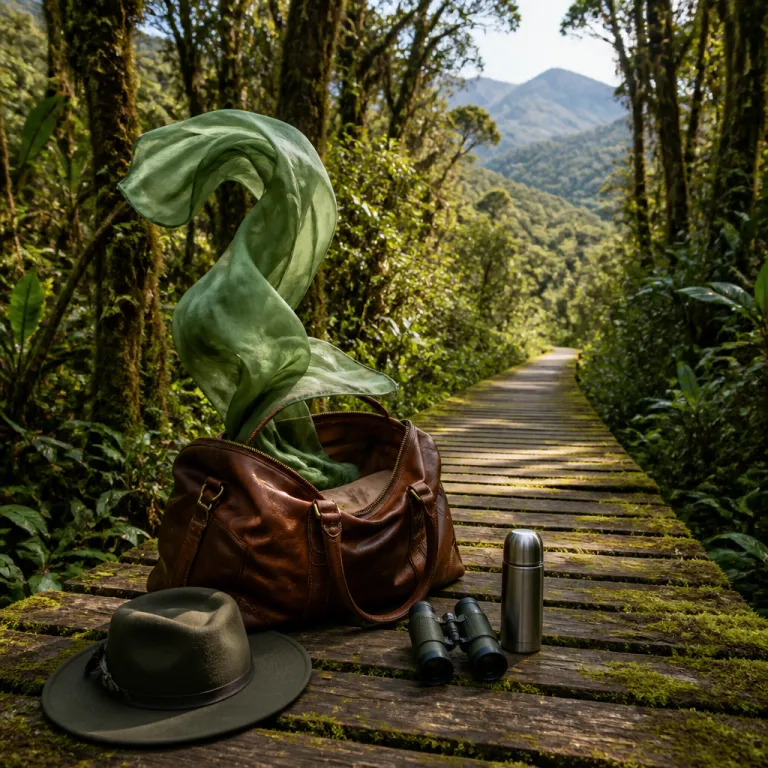
Understanding where to go in Ecuador for your first visit
Ecuador is a compact country where you will find Andean peaks, Pacific beaches, and dense jungle within a few days of travel. If you are wondering where to go in Ecuador for a first trip, think in terms of regions rather than a single city or place. This approach helps you balance the best places for culture, nature, and relaxation during the limited days you probably have.
The capital city Quito sits at about 2,850 metres (9,350 feet), so plan your time here first to acclimate and reduce the risk of altitude sickness. Quito’s historic centre is a UNESCO World Heritage Site, and visiting its plazas, churches, and viewpoints gives you a refined introduction to the country’s history and art. Many travellers visit Ecuador by flying into Quito, then using it as a base for at least one day trip to nearby valleys, markets, or a national park in the Andes.
When deciding where to go in Ecuador, the best itineraries usually combine Quito, highland cities such as Cuenca, and either the Galápagos Islands or the Amazon Rainforest. This mix lets you experience both the urban side of the country and remote places Ecuador is famous for, from cloud forest reserves to volcanic landscapes. If you have more days, you can add a beach town or a small town in the southern highlands to see how varied life in this part of South America can be.
Quito, Cuenca and the Andean highlands: culture at altitude
Quito is the capital city of Ecuador and one of the best places to start any itinerary focused on history and architecture. Spend at least two days visiting its colonial core, where you will find grand churches, museums, and cafés set around elegant plazas. The altitude is significant, so walk slowly, drink water, and allow your body to adjust before planning a strenuous day trip.
From Quito, many visitors take a day trip to Cotopaxi National Park, where the snow capped Cotopaxi volcano dominates a stark páramo landscape. This national park is ideal if you want to see wild horses, Andean birds, and high altitude lagoons without committing to a multi day trek. If you are sensitive to altitude sickness, stay below the highest refuges and enjoy the views from the lower trails or the park’s visitor centres.
Further south, the city of Cuenca offers cobblestone streets, domed cathedrals, and a calmer rhythm that many travellers highly recommend. Cuenca is one of the best places Ecuador offers for travellers who enjoy art museums, riverside walks, and refined dining in a compact, walkable centre. If you are planning an elegant first trip to the Iberian world as well, you might compare Cuenca’s atmosphere with ideas from this guide to an elegant first trip to Portugal, since both destinations reward slow, thoughtful visiting.
Cloud forests, hot springs and small towns in the highlands
Northwest of Quito lies Mindo, a town surrounded by lush cloud forest where you will find hummingbirds, waterfalls, and misty ridges. This region is one of the best places to visit in Ecuador if you enjoy birdwatching, chocolate tours, and gentle hikes through dense greenery. Many travellers plan a one or two day trip here to balance the stone and concrete of the city with the soft sounds of the forest.
South of Quito, the town of Baños is famous across South America for its hot springs, waterfalls, and adventure sports. Baños works well as a base for several days, since you can soak in thermal pools in the evening after a day of cycling, canyoning, or simply visiting viewpoints over the surrounding volcanoes. The hot springs here are also a good option if you want a budget friendly wellness experience without the prices you might find in larger spa resorts.
In the southern highlands, the small town of Vilcabamba has long attracted visitors seeking a slower pace and mountain scenery. Vilcabamba is a place where you will find hiking trails, yoga retreats, and cafés that cater to long term travellers, yet the town still feels distinctly Ecuadorian. If you enjoy reflective journeys and are choosing where to go after a demanding challenge, you might appreciate ideas from this piece on where to travel next after a major personal milestone, then adapt that mindset to planning restful days in Vilcabamba.
Coastal Ecuador: beach towns, marine life and relaxed days
The Pacific coast of Ecuador offers a string of beach towns where you will find surfing, seafood, and sunsets over the ocean. If you are deciding where to go in Ecuador for a relaxed seaside break, consider spending several days in a single place rather than rushing between multiple beaches. This approach keeps your travel days short and lets you enjoy the rhythm of the tides and local markets.
Puerto López is a fishing town that serves as the main gateway to Machalilla National Park and Isla de la Plata. From Puerto López, day trip boats head out to see humpback whales in season and colonies of sea lions resting on rocky shores. The town itself is modest, but it is one of the best places Ecuador offers for travellers who want marine wildlife without the cost of the Galápagos Islands.
Further north, Montañita has become famous as a beach and surf town with energetic nightlife that many backpackers highly recommend. If you prefer quieter evenings, stay in a nearby small town and visit Montañita during the day for its waves and cafés. For travellers comparing elegant coastal escapes across continents, this curated guide to refined seaside getaways in another country can help you frame what kind of beach atmosphere you enjoy most.
Galápagos Islands and the Amazon Rainforest: Ecuador’s wild extremes
For many travellers asking where to go in Ecuador, the Galápagos Islands sit at the top of the list. This remote archipelago is one of the best places in South America to see wildlife that shows little fear of humans, from sea lions on the beaches to marine iguanas basking on black lava. Cruises and land based stays range from budget friendly guesthouses to high end vessels, but all focus on strict conservation rules.
On a typical Galápagos trip, you will find yourself stepping over sea lions that sleep on harbour benches and watching giant tortoises graze in misty highlands. Snorkelling often brings you face to face with turtles, reef sharks, and schools of colourful fish in clear water. Because the islands are fragile, guides usually explain how each national park rule protects nesting sites, feeding grounds, and the long term health of the ecosystem.
On the opposite side of the country, the Amazon Rainforest offers a completely different experience, with dense jungle, winding rivers, and lodges accessible only by boat. Visiting this region is one of the best ways to understand why many people consider Ecuador best for biodiversity within a compact territory. Multi day stays in the Amazon Rainforest are rarely as budget friendly as a simple beach town, but they provide deep immersion in a place where you will find primates, macaws, and countless insects within a short walk of your cabin.
Practical tips: timing, safety and building a balanced itinerary
When you plan where to go in Ecuador, think carefully about the best time for each region rather than the country as a whole. To quote the official guidance, “What is the best time to visit Ecuador? Depends on region; generally June to September.” This means you can usually visit Ecuador at any time of year, but you should match your destinations to the prevailing conditions.
For the highlands around Quito and Cuenca, the drier months often bring clearer skies for volcano views and easier day trip logistics. On the coast, some months feel more humid, yet the sea can be warmer for swimming and surfing, so your ideal time depends on whether you prioritise sunshine or water temperature. The Galápagos Islands and the Amazon Rainforest each have distinct wildlife patterns, so ask operators which months are best places visit for your interests, whether that is nesting birds, calmer seas, or fewer mosquitoes.
Safety standards in Ecuador have improved, and “Is Ecuador safe for tourists? Yes, with standard precautions.” Many visitors travel independently between city and town by bus, then join organised tours for remote areas such as a national park or the Amazon Rainforest. If you are planning to visit Ecuador for the first time, I highly recommend combining at least one city, one highland place, and either a beach or jungle region, since this structure makes the most of the country’s variety within a limited number of days.
Key figures about travel in Ecuador
- Ecuador welcomed around 2,000,000 international tourists in a recent year, according to data published by the Ecuador Ministry of Tourism, reflecting strong interest in the country’s mix of city culture and natural parks.
- Many nationalities can enter Ecuador visa free for up to 90 days, which makes spontaneous itineraries and extended trips easier to arrange than in some neighbouring countries.
- The compact size of Ecuador means that in a single day trip you can travel from a highland city such as Quito to a cloud forest town like Mindo, something that would require far longer distances in many parts of South America.
- Eco tourism growth and increased adventure tourism have become central pillars of Ecuador’s strategy to support local economies while protecting national park ecosystems.
FAQ about where to go in Ecuador
What is the best time to visit Ecuador for a first trip ?
The best time to visit Ecuador depends on your chosen regions and interests. Highland cities such as Quito and Cuenca often feel more comfortable in the drier months, while the coast and beach towns can be appealing when you prioritise warm sea temperatures. In practice, you can visit Ecuador throughout the year if you remain flexible and adjust your day trip plans to local weather.
Do I need a visa to visit Ecuador for tourism ?
According to official guidance, “Do I need a visa for Ecuador? Many nationalities can enter visa-free for up to 90 days.” Always check the latest information from the Ecuadorian consulate or embassy in your country before you travel. If you plan to stay beyond 90 days, you will need to arrange the appropriate visa in advance.
How many days do I need to see the best places in Ecuador ?
With 10 to 14 days, you can comfortably combine Quito, a highland town such as Baños or Vilcabamba, and either the Galápagos Islands or the Amazon Rainforest. Travellers with only seven days should focus on one city and one major region, for example Quito plus a cloud forest or a beach town. Longer trips of three weeks or more allow you to add Cuenca, Puerto López, and extra national park visits without rushing.
Is altitude sickness a serious concern in Quito and other highland cities ?
Quito and several Andean towns sit well above 2,500 metres, so altitude sickness can affect some visitors, especially on the first days. Plan gentle activities when you first visit Ecuador, drink plenty of water, and avoid intense exercise or alcohol until you feel adapted. If you have a history of altitude issues, speak with a medical professional before travel and consider spending your first night in a lower altitude place.
Is Ecuador budget friendly compared with other South America destinations ?
Ecuador can be very budget friendly if you use public buses, stay in modest guesthouses, and eat in local markets or small restaurants. Costs rise for the Galápagos Islands and the Amazon Rainforest, where logistics and conservation rules make trips more expensive than a simple beach or city stay. Overall, many travellers find that Ecuador best balances cost and experience when they mix a few high cost highlights with several days in affordable towns and cities.