Longyearbyen as your arctic base camp
Longyearbyen looks small from the air, yet it functions as a remarkably capable base camp for independent travel in Svalbard. The town of roughly 2 600 residents anchors most activity in svalbard norway, giving you access to flights, gear rentals, supermarkets, and a surprisingly serious cultural scene. Within the town limits you can move freely without a guide, which makes this Svalbard independent travel guide fundamentally different from cruise based itineraries that rarely linger in the streets.
Within Longyearbyen you will find a compact main street, a modern supermarket, outdoor shops, cafés, and several guesthouses that cater to summer and winter travelers who are visiting Svalbard on their own schedule. The svalbard museum sits near the waterfront and should be your first stop ; it explains the polar history, mining legacy, and fragile ecosystems that shape every later tour or expedition you might join. This museum also frames why independent travel in the arctic north demands restraint, because the exhibits make clear how quickly ice, wildlife, and cultural traces can be damaged by careless behavior.
Public buses do not exist here, so you walk, rent a bike in svalbard summer, or use local taxis to move between the airport, town, and accommodation. Within the safe zone around Longyearbyen you can hike marked trails without a guide, but you must respect the boundary signs that mark the edge of the protected area. Beyond those signs, polar bear risk becomes real enough that local regulations strongly recommend, and in practice require, that a qualified guide svalbard accompanies any serious hike, ski tour, or snowmobile journey.
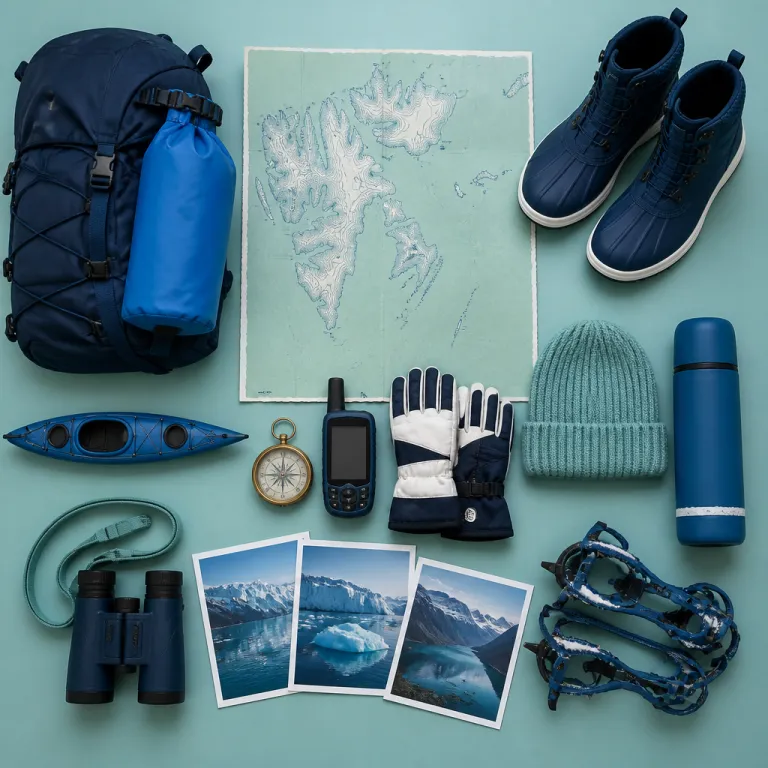
Independent travelers often underestimate how quickly conditions change in the arctic, even on a clear day that begins calm and bright. Wind can funnel down Adventfjorden, dropping perceived temperatures and turning easy gravel paths into uncomfortable slogs across frozen ground or wet snow. Dress in layers, carry a dry bag for spare gloves and socks, and treat every short walk outside Longyearbyen as if it might last longer than planned.
For many, the appeal of this Svalbard independent travel guide lies in the freedom to linger in town between more structured tours, rather than being locked into a cruise schedule. You can spend a morning in a café watching the northern light shift over the valley, then join an afternoon tour by boat or on land without ever losing the sense of being based in a real community. That rhythm — town life, then wilderness, then back to town — is what separates independent travel guide style journeys from the floating isolation of a ship.
Seasonal light, best time to visit, and how it shapes your days
Every Svalbard independent travel guide must start with light, because in the high arctic, light is the real currency of time. The best time to visit Svalbard depends less on temperature and more on whether you want the midnight sun, the polar night, or the in between seasons that mix both. Local guidance often echoes a simple truth : "When is the best time to visit Svalbard? Summer for midnight sun; winter for polar night and northern lights."
From late spring through much of summer, the midnight sun hangs above the horizon, turning every hour into potential hiking or photography time. During this svalbard summer window, you can plan long day hikes from Longyearbyen, join evening boat tours that glide past calving ice, or visit an ice cave under a glacier with soft golden light still glowing outside at midnight. The extended day makes it easier for independent travelers to stack activities, but it also tempts people to ignore rest, so build deliberate downtime into your travel guide style itinerary.
Winter flips the script with the polar night, when the sun does not rise and the town glows under a deep blue twilight or full darkness. This is the season when northern lights often arc above the north facing ridges, and when snowmobiling and dog sledding tours run across frozen valleys that feel close to the north pole in spirit, if not in exact latitude. Within Longyearbyen, streetlights and warm interiors keep the town comfortable, yet a few steps beyond the last house the darkness feels absolute, which is why guided tours are strongly recommended.
Shoulder seasons, when summer winter conditions overlap, can be the best time visit Svalbard if you want both snow based activities and some open water for boat tours. Prices for flights from mainland Norway, especially Oslo and Tromsø, fluctuate with these seasons, so booking early usually secures better fares and more flexible times. For a deeper comparison of how national parks manage seasonal crowds, you can look at this analysis of free access in Canadian parks, which offers useful context on how national park seasons shape travel choices.
Whatever time you choose for visiting Svalbard, remember that weather can cancel or delay tours with little warning. Build buffer days into your itinerary so a postponed boat tour or ice cave visit does not ruin your entire plan, and avoid stacking must do activities on your final day. Independent travelers who treat time as flexible rather than fixed tend to leave Svalbard with better stories and fewer frustrations.
Wildlife, polar bear safety, and the ethics of going north
Any honest Svalbard independent travel guide has to confront wildlife safety before romance, because this archipelago holds more polar bears than people. Current estimates suggest around 3 000 polar bears roam Svalbard and the surrounding pack ice, compared with roughly 2 600 residents in Longyearbyen and nearby settlements. That imbalance defines how you move once you step beyond the town limits, and why independent travelers must accept certain constraints.
Local regulations state that you are responsible for your own safety outside the protected zone around Longyearbyen, which in practice means you must either carry appropriate deterrents or join guided tours. Most visitors choose guided expeditions for glacier hikes, ice cave visits, snowmobile journeys, and remote coastal landings, because professional guides understand polar bear behavior and read subtle signs in the snow. Within town, "Is it safe to travel independently in Svalbard? Within Longyearbyen, yes. Beyond, guided tours are recommended due to polar bear risks."
Ethical wildlife viewing in the arctic north also means keeping distance from walrus haul outs, bird cliffs, and any polar bear you might see on sea ice or shore. Guides will position boats or snowmobiles to allow a clear view without stressing the animals, and they will cancel a tour rather than push too close, which is a mark of professionalism rather than failure. As an independent traveler, you should choose operators who explain these rules clearly and who treat polar bears as wild predators, not as props for photographs.
Environmental regulations in Svalbard’s national parks and nature reserves are strict, banning off trail driving, limiting where you can land boats, and controlling campfires or waste. These rules echo similar frameworks in other protected areas worldwide, from Costa Rica’s coastal reserves to heavily managed forests, which you can read about in this guide to forests, coasts, and national parks in Costa Rica. In Svalbard, rangers and guides will remind you not to pick flowers, disturb cultural remains, or leave any trace on the tundra, because recovery in this climate can take decades.
Independent travelers sometimes ask whether they can camp alone or ski unaccompanied toward the north pole, inspired by stories of heroic expeditions. Technically, with the right permits, equipment, and polar bear protection, such journeys are possible, but they sit far beyond the scope of this travel guide and demand expedition level experience. For most visitors, the frontier mindset means choosing small group tours, listening carefully to safety briefings, and accepting that the wildness of Svalbard comes with non negotiable limits.
Logistics, costs, and the reality of getting around without a ship
Reaching Svalbard without a cruise ship is straightforward on paper, yet the logistics feel more like planning a light expedition than a casual weekend away. Scheduled flights connect Longyearbyen with mainland Norway, usually via Oslo or Tromsø, and these routes form the backbone of any Svalbard independent travel guide. Because seats can fill quickly in peak summer and deep winter, you should book early and allow generous connection times in case weather disrupts the arctic leg.
Once you land, the airport bus or a taxi will carry you the short distance into town, where most accommodation lies within a few kilometres of the centre. Options range from simple guesthouses to full service hotels, but even the most modest rooms cost more than comparable stays in mainland Norway, reflecting the high cost of shipping supplies this far north. Budget travelers often balance this by cooking some meals from supermarket groceries, then choosing a few special dinners out to experience Longyearbyen’s surprisingly ambitious food scene.
Moving beyond town requires joining tours by boat, snowmobile, or dog sledding team, because there are no roads linking Longyearbyen to other settlements. Summer boat tours explore fjords lined with ice and bird cliffs, sometimes reaching abandoned mining towns or research stations, while winter snowmobile tours trace frozen valleys under the northern lights. Prices for these activities can be significant, so treat them as core elements of your expedition budget rather than optional extras.
Gear rental is widely available in Longyearbyen, from insulated boots and snowmobile suits to avalanche equipment for guided ski tours. Independent travelers should still bring their own base layers, windproof shells, and small essentials like spare gloves, because selection can be limited in peak season. For a sense of how other remote destinations handle gear, logistics, and refined yet rugged escapes, you might compare your Svalbard planning with this guide to refined coastal escapes in a very different climate.
One thing you will not find is casual transport to places like Jan Mayen or other remote arctic islands, which remain the domain of research vessels and specialized expeditions. If your imagination stretches toward Jan Mayen or the true north pole, treat Svalbard as a training ground where you learn how your body, gear, and mindset respond to polar conditions. The more honestly you engage with these logistical realities, the more rewarding your time visit Svalbard becomes, because you stop chasing cruise ship style convenience and start embracing the frontier rhythm of planning, waiting, and then moving when conditions align.
Frontier mindset, national park codes, and traveling deeper from town
Independent travel in Svalbard is less about going everywhere and more about going well, which is why this Svalbard independent travel guide keeps circling back to mindset. Longyearbyen may feel like a small arctic town, but it functions as a frontier hub where scientists, guides, and travelers share the same cafés and trails. Listening to their stories, and watching how they prepare for a day outside, teaches you more than any brochure.
When you join guided hikes, boat tours, or dog sledding trips into Svalbard’s national parks, you are entering some of the most tightly regulated wilderness on earth. Visitor codes require you to pack out all waste, avoid disturbing wildlife, and respect cultural remains from whaling stations to mining relics, which often sit unprotected on open ground. Guides will brief you on specific rules for each area, from bird sanctuaries to glacier fronts, and your willingness to follow them marks you as a responsible guest rather than a passing tourist.
Back in town, the svalbard museum deepens this sense of continuity between past and present by tracing the arc from early polar expeditions to modern research. Exhibits on ice cores, sea ice, and climate change make clear that every flight, tour, and hotel night carries a footprint, even in a place that champions eco friendly transportation where possible. That awareness does not mean you should avoid travel, but it does argue for longer stays, fewer but richer tours, and a conscious effort to support local operators who invest in safety and sustainability.
For many independent travelers, the most meaningful days in Svalbard are not the most dramatic ones under the brightest northern lights or deepest midnight sun. They are the quieter days when you walk the valley near Longyearbyen, watch reindeer graze near the road, or sit by a window as shifting weather hides and reveals the surrounding peaks. Those moments, grounded in the town yet open to the vast north beyond, capture what frontier travel really offers : not the postcard, but the walk behind it.
FAQ
Is it safe to travel independently in Svalbard without a cruise ship ?
Independent travel is safe within Longyearbyen, where there is no polar bear risk and you can move freely on marked paths. Outside the town limits, authorities strongly recommend joining guided tours because of wildlife hazards and rapidly changing weather. Treat any journey beyond the safety zone as an expedition, not a casual stroll.
What activities are available for independent travelers based in Longyearbyen ?
From town you can book guided snowmobiling, dog sledding, hiking, boat tours, and ice cave visits, depending on the season. Within the safe zone you can also walk local trails, visit the svalbard museum, and explore cafés and shops on your own. The key is to combine independent time in town with professionally guided excursions into the surrounding wilderness.
When is the best time to visit Svalbard for northern lights or midnight sun ?
The midnight sun dominates late spring through much of summer, offering continuous daylight for hiking and photography. The polar night in winter brings long darkness and the best chances to see northern lights, especially on clear, cold nights away from town lights. Shoulder seasons offer a mix of light conditions but can have more unstable weather.
Do I need a guide to see polar bears or go into national parks ?
To safely and legally search for polar bears or travel deep into national parks, you should join a licensed guided tour. Guides carry safety equipment, understand wildlife behavior, and know the regulations that protect both animals and visitors. Independent access is limited to the immediate Longyearbyen area, where polar bears are extremely unlikely.
How expensive is an independent trip to Svalbard compared with mainland Norway ?
Costs in Svalbard are generally higher than in mainland Norway because almost everything is imported and logistics are complex. Accommodation, guided tours, and food all reflect this premium, so budgeting carefully and prioritizing key experiences is essential. Many travelers offset expenses by cooking some meals and focusing on a few high quality excursions rather than many short ones.