Where to go in New Zealand for nature-rich travel
Choosing where to go to in New Zealand for nature first
When you start planning where to go in New Zealand, anchor your itinerary around its national park network and wild coastlines. This approach lets you balance the North Island and South Island, shaping a north–south route that follows the country’s most beautiful landscapes and most authentic communities. You move beyond a simple trip and create a layered travel experience that respects local culture and fragile ecosystems.
Tourists, tour operators, and local communities all play distinct roles in how you explore New Zealand, so thoughtful choices matter from your first click on a map. Tourism supports regional economies, yet every visit to a lake, glacier, or fiord also carries responsibility for conservation and Māori cultural respect. Check weather conditions before you travel, book your stay early in high season, and treat each national park as a living home rather than a backdrop.
According to Tourism New Zealand, the country welcomed around 3,500,000 international visitors in 2019, which is significant for a relatively small island nation. These pre‑COVID figures still help you understand how busy the most popular regions can become on peak days, especially around Queenstown, Milford Sound, and the West Coast glaciers. To keep your own experience refined, consider shoulder seasons, early morning starts, and guided tours that limit impact while deepening your understanding.
Fiordland National Park, Milford Sound, and Doubtful Sound
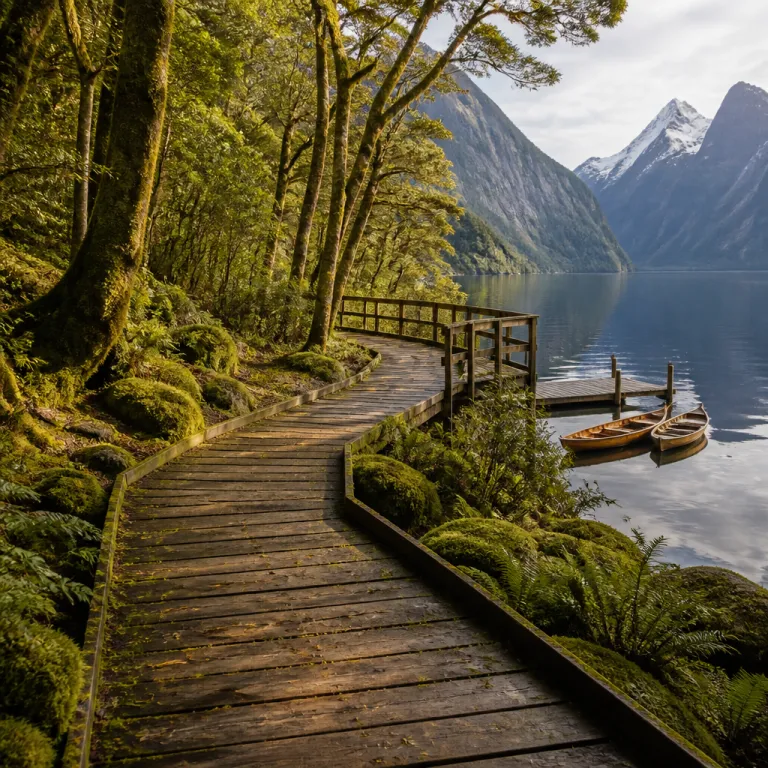
If you are asking where to go in New Zealand for drama and scale, Fiordland National Park on the South Island is your essential answer. Here sheer cliffs plunge into dark water, waterfalls thread down rainforest walls, and the sound of silence between passing boats can feel almost physical. On a clear day after rain, when clouds lift from the peaks and the air smells of wet moss and salt, the word beautiful becomes inadequate.
Milford Sound is the most famous fiord in Fiordland National Park, and many visitors treat a Milford Sound cruise as one of the best things to do in all of New Zealand. A classic day tour from Queenstown or Te Anau includes mirror-like lake reflections, short walks, and a sound that echoes with waterfalls and bird calls. Driving from Queenstown to Milford Sound typically takes around four hours one way, so many travellers either stay overnight in Te Anau or join a coach and cruise combination to keep the day manageable.
Doubtful Sound offers a quieter, more remote experience, and many seasoned travellers rate a Doubtful Sound journey as one of the best places to feel true wilderness. Access is more complex, involving a lake crossing and a road segment before you reach the fiord, which naturally limits crowds and amplifies the sense of isolation. If you have time for both Milford and Doubtful Sound, you will understand why people compare these valleys to the great redwood landscapes of California, and you can read more about that kind of forest immersion in this guide to an unforgettable journey among giant trees.
Glaciers and peaks on the South Island’s west coast
On the South Island’s West Coast, the question of where to go in New Zealand becomes a choice between ice, rainforest, and rugged shorelines. Fox Glacier and Franz Josef Glacier are two of the most accessible glaciers in the world, tumbling from the Southern Alps almost to sea level. Short walks lead to glacier viewpoints, while heli-hikes and scenic flights offer a more elevated experience for those seeking the best views.
Franz Josef village makes a convenient base for a multi-day stay, with guided tours, hot pools, and easy access to both glacier valleys. Fox Glacier village feels quieter, and a dawn walk to Lake Matheson rewards you with one of the most beautiful reflections of Aoraki Mount Cook and the surrounding peaks. When clouds clear, the combination of lake, forest, and snow-capped summits explains why many travellers rank this region among the best places to visit in New Zealand.
Farther inland, Aoraki Mount Cook National Park, often called Mount Cook National Park, offers a different style of South Island mountain experience. The Hooker Valley Track is a classic day walk, crossing swing bridges and glacial streams to a lake filled with icebergs beneath Mount Cook itself. If you enjoy elegant coastal landscapes as much as alpine ones, you might also appreciate this guide to an elegant journey through wild coasts and deep canyons, which pairs well with a New Zealand West Coast road trip.
Abel Tasman and coastal trails on the north of the South Island
At the northern tip of the South Island, Abel Tasman National Park answers the question of where to go in New Zealand for golden sand and turquoise water. The Abel Tasman Coast Track is one of the country’s Great Walks, threading through forest and along bays where the sound of waves replaces city noise. You can walk sections as day trips, combine hiking with water taxis, or join a guided tour that includes kayaking among seals.
Many travellers design a relaxed stay in the Abel Tasman region, using Motueka or Kaiteriteri as bases for several places to visit along the coast. Short walks lead to viewpoints over the island-dotted bays, while longer sections of the trail reward you with quieter beaches and more expansive views. Because the park is compact, it works beautifully as part of a wider South Island road trip that also includes Fiordland, Mount Cook, and the West Coast glaciers.
North of Abel Tasman, the Nelson and Tasman regions are known for wine and artisan food, making them ideal for a gentle wine tour after days on the trail. Here you can sample some of the best wine produced in New Zealand, pairing local seafood with crisp whites and elegant pinot noir. This mix of coastal national park, small creative towns, and vineyard landscapes offers one of the best things about travel in New Zealand north of the Southern Alps.
North Island nature: geothermal, coasts, and island sanctuaries
The North Island often surprises travellers who think only of the South Island when deciding where to go in New Zealand for nature. While the south excels in glaciers and fiords, the North Island offers geothermal valleys, volcanic peaks, and island sanctuaries rich in birdlife. Balancing both north and south gives you a more complete understanding of how diverse this small country really is.
In the central North Island, Tongariro National Park combines volcanic landscapes with strong cultural significance, and guided tours here often weave in Māori stories. The Tongariro Alpine Crossing is frequently listed among the best day hikes in the world, but weather can change quickly, so check forecasts and carry proper gear. Nearby lakes such as Lake Taupō provide calmer places to stay, with hot springs and short walks that suit a slower-paced trip.
Farther north, the Bay of Islands and offshore wildlife sanctuaries show a softer side of New Zealand, with sheltered bays and historic sites. Island reserves protect rare birds, and visiting with a responsible tour operator helps support conservation while giving you close yet respectful wildlife encounters. When you compare these coastal forests with the towering trees of California’s redwoods, as outlined in the earlier guide, you start to see global patterns in how we protect our most beautiful places.
Queenstown, lakes, and elegant wine country
Queenstown is often the first answer people give when asked where to go in New Zealand for an energetic mix of nature and refined comforts. The town sits on the shores of Lake Wakatipu, ringed by mountains that glow at sunset and frame some of the country’s most photogenic views. Adventure activities dominate the marketing, yet you can craft a quieter experience focused on lakeside walks, scenic drives, and long lunches.
From Queenstown, a classic South Island road trip might loop through Arrowtown, Wānaka, and the Central Otago wine regions, each offering distinct places to visit. Arrowtown’s historic streets, Wānaka’s lakefront, and the surrounding vineyards together create one of the best things about travel in this part of New Zealand. A guided wine tour allows you to taste local pinot noir and aromatic whites without worrying about driving, and it often includes small producers you might not find alone.
Queenstown also works as a hub for exploring Fiordland National Park, with many day tours to Milford Sound and longer trips to Doubtful Sound. If you prefer to stay closer, lake cruises and short hikes provide softer options that still deliver beautiful South Island scenery. For travellers who enjoy elegant itineraries, it can be helpful to compare this region with other refined destinations, such as this guide to where to go in Portugal for an elegant first trip, then decide how to balance cities, coasts, and mountains.
Planning your New Zealand road trip with care and respect
Once you have a sense of where to go in New Zealand, the next step is shaping a realistic itinerary that respects distances and seasons. A classic north–south road trip might start on the North Island, cross by ferry, then continue down the South Island to Fiordland and the West Coast. Guided tours, self-drive journeys, and multi-day hikes can all fit into one coherent travel plan if you allow enough time between places.
Data from the New Zealand Ministry of Business, Innovation and Employment indicates that tourism directly contributed around 5.8 percent to national GDP in the year ended March 2019, underlining how important each visit is to local communities. These pre‑pandemic statistics provide a useful baseline, but you should always check current Tourism New Zealand and MBIE updates for the latest trends and seasonal patterns. When you choose locally owned stays, book with responsible tour operators, and support conservation projects in national parks, you help ensure that the best places remain protected.
Before you visit New Zealand, check whether you need a visa, as requirements vary by nationality and are detailed on the official New Zealand immigration website. The country is generally considered safe for tourists, with low crime rates, but you should still follow standard precautions and respect local customs. If you treat every island, lake, and sound as someone’s home rather than just a backdrop for photos, your own experience will feel richer and more meaningful.
Key statistics for planning where to go in New Zealand
- New Zealand received around 3,500,000 international tourist arrivals in 2019, according to Tourism New Zealand, which means popular places like Queenstown and Milford Sound can feel busy in peak months.
- Tourism contributed approximately 5.8 percent to New Zealand’s Gross Domestic Product in the year ended March 2019, based on data from the New Zealand Ministry of Business, Innovation and Employment, highlighting how each trip supports local economies.
- Summer from December to February is generally considered the best period for hiking and coastal stays, while winter from June to August is preferred for skiing and alpine experiences in the South Island.
- Guided tours, self-drive road trips, and hiking are identified as the primary methods for exploring both the North Island and South Island, reflecting the country’s strong infrastructure for independent and organised travel.
Frequently asked questions about where to go in New Zealand
What is the best time to visit New Zealand for nature focused travel ?
The best time to visit New Zealand depends on your preferred activities and regions. Summer suits hiking in national parks, coastal stays, and longer road trips across both islands. Winter is ideal for skiing around Queenstown and Mount Cook, with crisp views but shorter days.
Do I need a visa to visit New Zealand ?
Whether you need a visa to visit New Zealand depends entirely on your nationality and length of stay. Many visitors from visa waiver countries must still obtain an NZeTA before travel, while others require a full visa application. Always check the official New Zealand immigration website for current entry rules well before your trip.
Is New Zealand safe for solo travellers ?
New Zealand is generally considered safe for tourists, including solo travellers, with relatively low crime rates compared with many destinations. Standard precautions still apply, such as securing valuables, informing someone of hiking plans, and checking weather before entering remote national parks. Local communities, tour operators, and visitor centres are usually helpful sources of up to date safety advice.
How long should I plan for a north south New Zealand road trip ?
A balanced north south road trip that includes both the North Island and South Island usually requires at least two to three weeks. This allows time for key places such as Fiordland National Park, Abel Tasman, Mount Cook, and the Bay of Islands without constant rushing. With less time, focus on either one island or a few regions to keep the experience relaxed.
Do I need guided tours, or can I explore national parks independently ?
Most New Zealand national parks offer well marked trails and good maps, so confident hikers can explore independently in suitable weather. Guided tours add value in complex environments such as glaciers, fiords, and alpine crossings, where local expertise and safety equipment are essential. Many travellers combine both approaches, using guides for challenging areas like Fox Glacier, Franz Josef, Milford Sound, and Doubtful Sound while walking easier tracks alone.