Where to go in Arizona for iconic national parks and grand canyons
When travelers ask where to go in Arizona, the grand sweep of the Grand Canyon usually comes first. This immense chasm is protected as Grand Canyon National Park, and it ranks among the best places on the planet for understanding deep geological time. To make the most of a visit to this national park, aim for spring or autumn when, as rangers explain, “Spring and fall offer pleasant weather and fewer crowds” (National Park Service trip-planning guidance, updated 2023).
The South Rim of this grand landscape concentrates many of the best viewpoints, short walks and essential things to do for first time visitors. Here you can stand at Mather Point, watch light move across layered rock formations, and trace the distant line of the Colorado River as it carves the canyon floor. The North Rim, open seasonally from roughly mid-May to mid-October depending on snow conditions, feels quieter and wilder, so it suits travelers who want fewer people, cooler air and a more contemplative sense of space in this desert state.
Beyond the main rims, the wider Grand Canyon region in Arizona offers several unique places to visit for those planning a longer road trip. Havasu Falls lies deep within a side canyon, where blue green water tumbles over travertine rock into clear pools that invite careful swimming. Because access is limited and permits are tightly controlled by the Havasupai Tribe, you must treat a visit here as one of the top commitments in your trip planning and secure campground or lodge reservations several months in advance through the tribe’s official booking system.
Red rocks, desert parks and spiritual landscapes around Sedona
Travelers wondering where to go in Arizona after the Grand Canyon often turn south toward Sedona. This small town is framed by towering red rock formations, and the light at sunrise or sunset can make the cliffs glow in shades of copper and rose. Hiking routes such as Cathedral Rock, Bell Rock and Devil’s Bridge offer some of the best things to do for active visitors who want short but rewarding walks, with many trailheads only a 10 to 20 minute drive from the town center.
Slide Rock State Park, just north of Sedona in Oak Creek Canyon, combines a cool river with smooth sandstone, creating natural chutes where people slide through the water in summer. With more than 278,000 visitors a year according to Arizona State Parks attendance figures for 2022, this state park is one of the top places in Arizona for families who want to balance heat with refreshing swims. Arrive early in the day, because parking fills quickly and rangers sometimes restrict entry when the park reaches capacity on busy weekends and holidays.
The wider Sedona area also appeals to travelers interested in wellness, art and photography, making it one of the best places to visit in Arizona for a varied itinerary. Galleries line the main streets of town, while trailheads lead directly from residential areas into the surrounding desert and forest national lands. If you enjoy combining city skylines with nature, you can later compare Sedona’s intimate scale with the urban energy described in this guide to where to go in Chicago for culture and skyline views.
Slot canyons, lakes and the sculpted desert around Page
For travelers mapping where to go in Arizona beyond Sedona, the town of Page on the northern edge of the state is a strategic base. Here the desert meets water at Lake Powell, a vast reservoir backed by Glen Canyon Dam on the Colorado River. Boat tours on Lake Powell reveal side canyons, striped rock walls and secluded coves that feel far removed from the highway, and many departures leave directly from marinas within a 10 to 15 minute drive of downtown Page.
Just outside town, Antelope Canyon offers one of the most photographed canyon experiences in Arizona, with narrow passageways and smooth sandstone walls shaped by flash floods. Access to Antelope Canyon is strictly controlled, and “Yes, guided tours with permits are mandatory.” This requirement is overseen by Navajo Nation Parks and Recreation, which licenses tour operators and sets group sizes, so you should book well ahead—often several weeks or more during peak travel seasons when interest in outdoor activities rises sharply.
Another highlight near Page is Horseshoe Bend, where the Colorado River curves in a dramatic U shape below a sheer cliff edge. The short walk from the parking area leads to a viewpoint with minimal railings, so keep a safe distance from the rim while you frame your photographs. Because water management in this region is complex and evolving, it is wise to stay informed through resources such as this analysis of the Grand Canyon’s water situation and contingency planning, which was last updated in 2023.
Monument Valley, national monuments and the story of the Colorado Plateau
Anyone researching where to go in Arizona for cinematic desert scenery will eventually reach Monument Valley on their list. This region of the Colorado Plateau, straddling the border with Utah, is famous for sandstone buttes and mesas that rise abruptly from the desert floor. The area is managed in partnership with local communities, and guided drives provide context about Navajo culture, geology and the long human history of this landscape, with many tours timed to catch the soft light of early morning or late afternoon.
Monument Valley is not a national park, but it offers a level of drama that rivals many national parks in the American Southwest. Nearby, several national monument sites preserve cliff dwellings, rock art and other traces of earlier cultures, adding cultural depth to a road trip that might otherwise focus only on scenery. When planning places to visit in this corner of Arizona, allow time for both sunrise and sunset, because the changing light transforms the color and texture of every rock formation and rewards travelers who linger rather than rushing through.
Driving between Monument Valley and other parts of Arizona, you will cross wide desert basins and pass isolated towns that reveal the scale of the state. These long stretches are part of the appeal of an Arizona road trip, but they also demand practical preparation such as carrying extra water and checking fuel levels regularly. Stay attentive to weather forecasts, because storms can quickly turn dry washes into temporary canyons of moving water that cut across the highway and may close unpaved back roads with little warning.
Petrified Forest, Saguaro National Park and Arizona’s living deserts
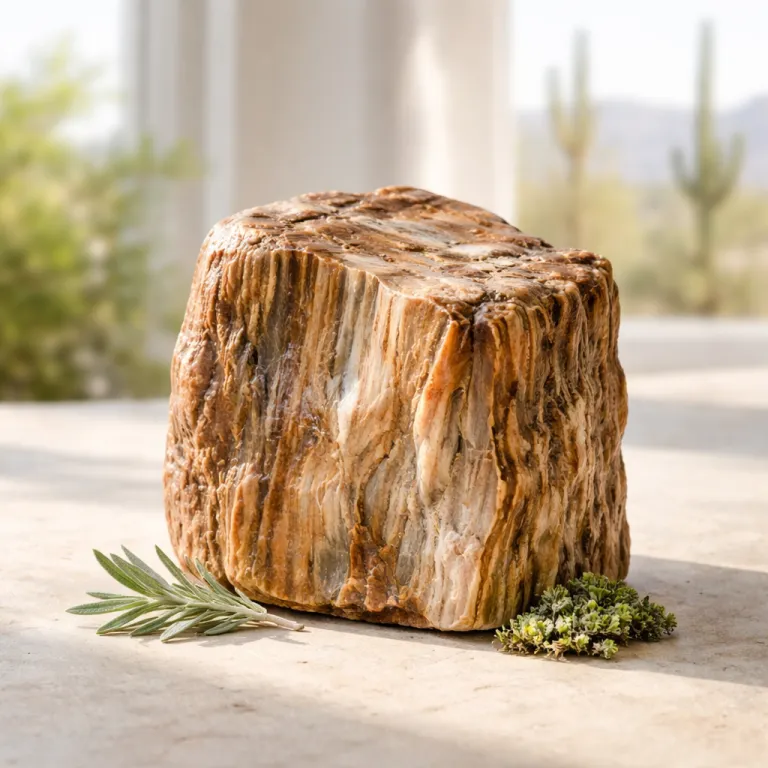
Travelers who want to understand where to go in Arizona for both ancient and living desert ecosystems should include Petrified Forest National Park and Saguaro National Park in their itinerary. Petrified Forest National Park, in the northeast of the state, protects fossilized trees and colorful badlands that record a deep prehistoric world. Walking the short trails here, you move among polished logs turned to stone, scattered across hills painted in bands of purple, red and grey, with viewpoints never far from the main park road.
Farther south near Tucson, Saguaro National Park preserves the emblematic giant saguaro cactus that defines many people’s image of Arizona. Two separate districts on either side of the city offer different perspectives on this national park, with loop drives, viewpoints and hiking routes that thread through forests of cacti up to 15 metres tall. Sunset is one of the best times to visit, when the silhouettes of saguaros stand against a glowing sky and the desert air begins to cool, and many visitors plan their day so that driving times bring them back to scenic overlooks in the evening.
Both Petrified Forest and Saguaro National Park illustrate why national parks and national monuments in Arizona are central to the state’s identity and tourism economy. They also highlight the importance of basic safety advice such as “Check weather conditions before visiting,” “Book tours in advance,” and “Stay hydrated in desert areas.” By following these simple guidelines, you can focus on the unique beauty of each park rather than on avoidable problems, whether you are on a short weekend escape or a longer circuit across the state.
Phoenix, historic towns and planning your Arizona road trip
Many itineraries that explore where to go in Arizona begin or end in Phoenix, the state capital and largest city. Phoenix offers major air connections, a wide range of accommodation and a growing food scene that reflects influences from across the Southwest and Mexico. From here, it is straightforward to design a loop that links several of the best places to visit in Arizona, including Sedona, the Grand Canyon and the desert parks around Tucson, with driving times between major hubs often ranging from two to four hours.
Historic towns add character and context to any Arizona road trip, and Tombstone is one of the most famous examples. This former mining town is known for the O.K. Corral and other landmarks from the era of frontier expansion, and today it presents staged gunfight shows, museums and walking tours. While the atmosphere can feel theatrical, it still offers insight into how people once lived in this harsh desert environment before the creation of modern national parks and highways, and it pairs easily with visits to nearby communities such as Bisbee.
When you assemble your personal list of places to visit in Arizona, balance headline attractions with quieter corners that match your interests. Some travelers focus on hiking and photography in national parks, while others prefer cultural experiences in towns and cities or time on the water at Lake Powell. Whatever your priorities, the combination of grand canyons, sculpted rock, living desert and resilient communities makes this state one of the top destinations in the American West for meaningful travel.
Key statistics about visiting Arizona’s parks and canyons
- Grand Canyon National Park welcomes about 4.7 million visitors each year, making it one of the most visited national parks in the United States and a central pillar of tourism in Arizona (source: National Park Service annual visitation data for 2022).
- Slide Rock State Park near Sedona records more than 278,000 visitors annually, which underlines how popular river based recreation has become in this desert state (source: Arizona State Parks attendance statistics for 2022).
- Tourism boards in Arizona report a sustained rise in interest in outdoor activities, reflecting a broader shift toward hiking, camping and nature focused trips across the American West, especially since the late 2010s.
- National Park Service figures show that spring and autumn shoulder seasons now attract a growing share of visitors, as travelers seek the best balance between pleasant weather and manageable crowd levels and adjust their plans accordingly.
FAQ about where to go in Arizona for nature and national parks
What is the best time to visit the Grand Canyon ?
Spring and autumn offer the most comfortable temperatures and fewer crowds at Grand Canyon National Park. Summer brings intense heat and heavier visitation, especially on the South Rim and popular trails. Winter can be beautiful but may involve snow and occasional road closures on higher elevation routes, so always confirm current conditions with the National Park Service before you drive.
Are permits required for Antelope Canyon ?
Access to Antelope Canyon is only possible on guided tours operated by authorized providers. Yes, guided tours with permits are mandatory. Because spaces are limited and demand is high, you should reserve your preferred time slot well in advance of your trip, following the booking instructions published by Navajo Nation Parks and Recreation.
Can you swim in Havasu Falls ?
Swimming is generally allowed in the pools at Havasu Falls, which are known for their striking blue green water. Yes, swimming is allowed, but check current conditions. Always follow local regulations, respect closures and be aware that flash flood risks can change access at short notice, as the Havasupai Tribe periodically updates rules to protect both visitors and the canyon.
How many days do you need for a first visit to Arizona’s national parks ?
A focused first trip that includes Grand Canyon National Park, Sedona and either Page or Tucson usually requires at least seven to ten days. This allows time to adjust to the desert climate, explore key viewpoints and complete a few short hikes in each area. With two weeks, you can add Petrified Forest National Park, Saguaro National Park and Monument Valley for a more comprehensive circuit that still leaves room for rest days.
Is it safe to visit Arizona’s desert parks in summer ?
Summer visits are possible but require careful planning because temperatures in many desert areas regularly exceed 38 °C. You should start hikes very early, carry more water than you think you need and avoid exposed trails in the middle of the day. If you are sensitive to heat, consider scheduling your trip for spring or autumn instead, when cooler mornings and evenings make outdoor exploration more comfortable.