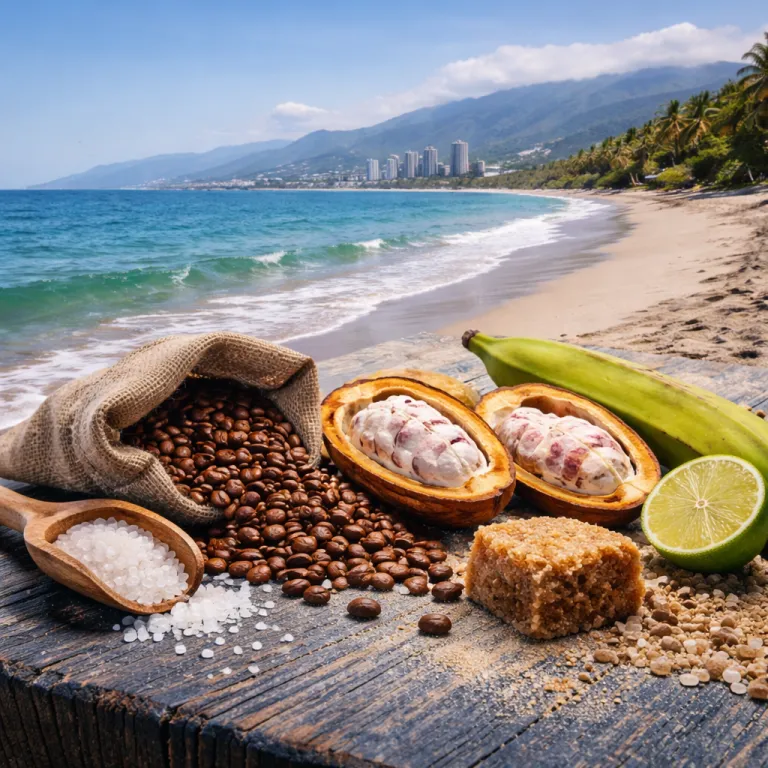
How to decide where to go in Colombia for your first trip
Working out where to go in Colombia starts with understanding its regions. This long, varied country stretches from the Caribbean to the Amazon, so each city and town offers a different rhythm and a different way to travel. Think carefully about how many days you have, because distances between the main cities in Colombia can be longer than they look on a map and overland journeys often take most of a day.
For a first visit to Colombia, most travellers combine one major city such as Bogotá or Medellín with a Caribbean destination like Cartagena or Santa Marta. This mix lets you explore Colombia through its museums, street life and food, then slow down beside palm trees and warm water on the coast. When you plan where to visit, balance your time between urban energy, highland coffee landscapes and at least one national park to feel how Colombia’s beautiful nature shapes daily life.
The Colombian Ministry of Commerce, Industry and Tourism and local tour operators coordinate ongoing campaigns to promote the best places to visit in Colombia, and their advice reflects how the country has invested in safer, better connected destinations. Official figures on the Ministry’s tourism statistics portal show that international visitors now number in the millions each year, with more than 5.8 million non-resident arrivals reported in 2023. Use an up to date guide and check travel advisories before you travel abroad, then sketch a route that follows the seasons rather than trying to see every city in one rushed loop.
Caribbean coast highlights: Cartagena, Santa Marta and San Andrés
If you are asking where to go in Colombia for colour and romance, start with Cartagena de Indias on the Caribbean coast. The walled city of Cartagena is one of the most beautiful cities in Colombia, with pastel facades, bougainvillea balconies and horse drawn carriages circling the plazas by day. In the evening, music spills into every street and you can walk along the ramparts while the sea breeze cools the tropical air.
Cartagena de Indias works well as a first stop when you travel Colombia because flight connections from abroad are frequent and the historic centre is compact. Stay inside the old city walls or in nearby Getsemaní, where street art covers the walls and local cafés fill with both Colombians and visitors. From Cartagena, many travellers continue along the coast to Santa Marta, using this smaller city as a base for Tayrona National Park, where jungle covered hills drop straight to beaches lined with palm trees; the bus ride between Cartagena and Santa Marta usually takes around four to five hours and typical fares range from about US$12 to US$20 depending on the company and season.
Farther offshore, the island of San Andrés offers a different answer to the question of where to visit Colombia on the Caribbean. Here the sea shows seven shades of blue, and you can spend each day snorkelling, diving or exploring the island by scooter between quiet coves. A short domestic flight from Bogotá or Cartagena brings you to this coral-fringed island in about two hours, with one-way fares often starting near US$60 if booked in advance. If you enjoy combining coasts and culture in one longer trip, you might compare this region with other Latin American shores such as the Mexican Caribbean, using a detailed resource like this guide to where to go in Mexico for culture, coasts and unforgettable cities to understand how Colombia’s Caribbean cities differ from those in neighbouring countries.
Urban energy and culture: Medellín, Bogotá and cable cars in the Andes
Travellers wondering where to go in Colombia beyond the coast should look closely at Medellín and Bogotá. Medellín sits in a steep Andean valley, and the city has become a symbol of Colombian resilience and innovation after a difficult past. Today, Medellín is known for its mild climate, dynamic cultural scene and a pioneering cable car system that links hillside neighbourhoods with the metro below.
Riding the Medellín cable car is more than a scenic experience, because it shows how urban planning has reconnected communities once isolated on the slopes. Many visitors join local guides to explore Medellín’s transformed districts, where street art covers stairways and plazas that were once unsafe. One guide in Comuna 13 summed up the change simply: “Before, people were afraid to come up here; now we paint our stories on the walls and invite the world to see them.” Bogotá, the capital city, offers a different mood with its high altitude setting, colonial La Candelaria quarter and world class museums that explain the country’s complex history.
When you travel Colombia through these cities, plan at least one full day in each to adjust to altitude and understand their layers. Bogotá’s wide avenues and busy traffic contrast with the calmer pace of its historic centre, while Medellín’s compact core makes it easier to move between galleries, parks and hillside viewpoints. Direct flights between Bogotá and Medellín usually take about one hour, with frequent departures and advance fares often from around US$35, while buses can take eight to ten hours through the mountains. If you enjoy comparing major cities across continents, you might also look at a resource such as this guide to unforgettable cities, coasts and culture in Vietnam, which helps highlight how Colombian cities blend Latin American warmth with Andean geography.
Coffee region, rivers and national parks: nature routes for every traveller
Anyone asking where to go in Colombia for landscapes should include the Coffee Triangle and at least one national park. The coffee region, centred on towns such as Salento and Filandia, lies between Medellín and Bogotá and offers rolling hills, traditional fincas and valleys filled with towering wax palm trees. From Salento, travellers hike into the Cocora Valley, where these palms rise up to 60 metres and mist curls around the ridges by day.
Beyond the coffee region, Colombia’s beautiful river systems create some of the country’s most striking sights. The most famous example is Caño Cristales, often called the “river of five colours”, where aquatic plants tint the water red, yellow and green during certain months. The main viewing season generally runs from about June to November, depending on rainfall and river levels. Reaching Caño Cristales requires more planning than visiting a city, so work with local tour operators and ensure your travel insurance covers internal flights and remote areas.
National parks such as Tayrona near Santa Marta or Los Nevados in the central Andes show why many travellers now choose to explore Colombia for its biodiversity as much as its cities. In Tayrona, jungle trails lead to hidden coves, while in Los Nevados you can hike among páramo ecosystems and glaciated peaks. Always check where to find official park information through the Colombian National Parks authority, and respect local guidelines to help the country reach its goal of encouraging sustainable tourism while protecting fragile habitats. When you edit your own photos from these parks, add descriptive alt text such as “hikers on a trail in Tayrona National Natural Park” or “wax palm trees in the Cocora Valley” to make your travel blog more accessible and search friendly.
Off the beaten path: Cabo de la Vela, the Lost City and remote towns
Once you have seen the main cities, you may start asking where to go in Colombia that feels wilder and less visited. One compelling answer is Cabo de la Vela on the La Guajira peninsula, a desert landscape where ochre cliffs meet turquoise sea under constant wind. Here, Wayuu communities manage simple guesthouses, and each day revolves around kitesurfing, quiet beaches and sunsets that turn the desert pink.
Another major draw for adventurous travellers is the multi day trek to the Lost City, or Ciudad Perdida, in the Sierra Nevada de Santa Marta. This pre Colombian site lies deep in the mountains above the Caribbean, and reaching it involves several days of hiking along river valleys, steep jungle paths and stone stairways. Most organised treks last four to six days and operate mainly in the drier months from about December to March and July to early September. Because the Lost City sits in an area with Indigenous communities and sensitive ecosystems, you must join an authorised guide, and it is essential that your travel insurance covers multi day trekking in remote terrain.
Smaller towns across the country also reward those who choose to explore Colombia beyond the usual circuit of big cities. Colonial Barichara overlooks a canyon carved by a broad river, while Jardín in Antioquia charms visitors with painted balconies and a lively main square. When you travel abroad to these quieter places, you experience how local life unfolds at a slower pace, and you help spread the economic benefits of tourism beyond the most famous cities Colombia promotes in its international campaigns.
Practical planning: safety, seasons, travel insurance and responsible choices
Knowing where to go in Colombia is only part of planning a successful trip, because timing and preparation matter just as much. The Colombian Ministry of Tourism recommends that visitors check official travel advisories, respect local customs and learn a few Spanish phrases before they arrive. Their guidance on safety is often summarised in a similar way to this: “Is Colombia safe for tourists? Yes, with precautions in certain areas.”
Weather patterns vary widely across the country, so think about seasons when you decide where to visit Colombia. The Caribbean coast around Cartagena, Santa Marta and San Andrés tends to be drier from December to March, while the Andes around Bogotá and Medellín can see showers at any time of year. If you plan to visit national parks, trek to the Lost City or travel Colombia’s remote regions such as Cabo de la Vela or Caño Cristales, ask local guides about the best months for river levels, trail conditions and wildlife.
Comprehensive travel insurance is essential when you travel abroad to Colombia, especially if you intend to explore Colombia through hiking, diving or adventure sports. Choose a policy that covers domestic flights, medical evacuation and activities such as trekking or kitesurfing, and carry digital and paper copies of your documents. For broader inspiration on combining cities, coasts and countryside in one itinerary, you can also study multi country resources such as this guide to timeless cities and wild coasts in Ireland, then adapt those planning principles to the very different geography of South America’s most diverse country.
Key statistics about tourism and where to go in Colombia
- The Colombian Ministry of Commerce, Industry and Tourism reports that international visitors number in the millions each year, with more than 5.8 million non-resident arrivals registered in 2023 according to its official tourism statistics, reflecting sustained growth in travel to the country and greater interest in both major cities and rural regions.
- Colombia has nine UNESCO World Heritage Sites, including Cartagena de Indias and the Coffee Cultural Landscape, which helps travellers prioritise some of the best places to visit for culture and history.
- With more than 1,900 recorded bird species according to the Colombian National Biodiversity System (SiB Colombia) and allied research, Colombia is considered one of the most biodiverse countries on Earth, making national parks and river valleys prime destinations for nature focused travel.
- Tourism authorities highlight eco tourism growth and rising digital nomad visits, which means more services in cities like Medellín while remote towns still retain a strong local character.
FAQ: planning your trip and choosing where to go in Colombia
Is Colombia safe for tourists who want to explore several cities ?
Major destinations such as Bogotá, Medellín, Cartagena and Santa Marta are considered safe for tourists who take normal urban precautions, use registered taxis or ride hailing apps and follow local advice about which neighbourhoods to avoid at night. Rural areas and some border regions can be more sensitive, so always check current travel advisories from your government and consult local guides before heading off the usual routes. Staying informed and choosing well known operators is the best way to enjoy the country’s cities and national parks with confidence.
What is the best time of year to visit Colombia’s main regions ?
The driest months on the Caribbean coast, including Cartagena, Santa Marta and Tayrona National Park, usually run from December to March, which suits beach time and coastal hikes. In the Andes around Bogotá and Medellín, showers can occur year round, but skies are often clearer in the same period, making city walks and cable car rides more pleasant. For destinations such as Caño Cristales or the Lost City, conditions depend on river levels and trail access, so always confirm the ideal season with local tour operators before booking.
Do I need a visa to visit Colombia for tourism ?
Many nationalities, including most visitors from Europe and North America, can enter Colombia visa free for short stays, typically up to 90 days, but rules vary by passport. Before you travel abroad, check the latest entry requirements on the official Colombian government website or with your nearest consulate, because regulations can change. Make sure your passport has at least six months’ validity and keep a copy of your return ticket and accommodation details in case immigration officers request them on arrival.
How many days should I plan for a first trip, and where should I focus ?
For a first visit to Colombia, ten to fourteen days allows you to combine at least one Andean city with the Caribbean coast without rushing. A classic route might include Bogotá or Medellín for culture and street art, followed by Cartagena and Santa Marta for history, beaches and access to Tayrona National Park. If you have more time, you can add the coffee region or San Andrés, but it is better to explore a few places well than to race between too many cities.
Is travel insurance really necessary for Colombia, even for city breaks ?
Travel insurance is strongly recommended for any trip to Colombia, whether you stay in cities or venture into national parks and remote towns. Medical care in major urban centres is generally good, but costs can be high for foreigners without coverage, and policies that include medical evacuation are important if you plan to hike, dive or visit areas like Cabo de la Vela or the Lost City. Choose a policy that covers cancellations, lost luggage and adventure activities, then carry proof of insurance digitally and on paper throughout your journey.
References
- Colombian Ministry of Commerce, Industry and Tourism – official tourism statistics and visitor arrival data
- UNESCO World Heritage Centre – Colombia World Heritage Sites list
- Colombian National Biodiversity System (SiB Colombia) – updated biodiversity and bird species data