Planning where to go in Guatemala for a first trip
Choosing where to go in Guatemala starts with understanding its compact geography. This small country in Central America combines highland volcano landscapes, lush lowland jungle, and both Pacific and Caribbean coasts, so you can experience several regions in one itinerary. Most travellers shape their Guatemala trip around three pillars: a historic city, a highland lake, and at least one major set of Mayan ruins.
Begin by deciding how many travel days you realistically want to spend in transit, because distances between each city or town may look short on the map but winding mountain roads slow journeys. According to Guatemala’s Instituto Guatemalteco de Turismo (INGUAT), the country received around 2.5 million international visitors in 2019, and many follow a similar loop between Guatemala City, Antigua Guatemala, Lake Atitlán, and Tikal National Park. That classic route covers the best places for culture, nature, and Mayan history without forcing you to rush every day, and INGUAT’s annual reports are a useful reference for up to date visitor statistics.
Ask yourself where you prefer to linger: in a colonial city, by a lake, or near the jungle, then allocate at least two nights in each chosen base. Use Guatemala City mainly as an entry and exit point, because the capital is practical for flights yet less atmospheric than Antigua or the lake towns. When you plan where to stay, combine guided tour days with time to explore on your own using maps and travel guides, and consider booking shuttles or excursions through established local tour operators or your accommodation for added reliability.
Antigua Guatemala and Pacaya volcano ; colonial charm and easy adventure
Antigua Guatemala is usually the first answer when people ask where to go in Guatemala for a graceful historic city. The former capital sits in a valley ringed by the Agua, Fuego, and Acatenango volcano peaks, giving almost every street a dramatic backdrop. Its pastel façades, cobbled streets, and baroque ruins make Antigua one of the best places in Central America for slow, atmospheric city walks.
Plan at least two full days to explore Antigua, because the most rewarding corners reveal themselves gradually as you visit courtyards, markets, and quiet churches. You can join a guided city tour to learn how earthquakes shaped the town and left photogenic ruins like the Catedral de Santiago, then spend another day simply wandering to find local cafés and handicraft shops. Many travellers use Antigua as a base for a day trip to nearby villages such as San Juan del Obispo or San Antonio Aguas Calientes, where traditional weaving and small coffee farms show another side of Guatemala.
For accessible adventure, the Pacaya volcano hike is ideal if you want a half day outing rather than a multi day trek. Local tour operators run Pacaya volcano excursions from Antigua almost every day, and the trail usually takes around four hours return with moderate elevation gain. Shared shuttles between Guatemala City and Antigua typically take 1.5 to 2 hours depending on traffic, and many hotels can arrange door to door transport, which simplifies logistics for first time visitors; current shuttle timetables and approximate prices are often posted at hotel reception desks and local agencies around Parque Central.
Lake Atitlán ; choosing the right town around the water
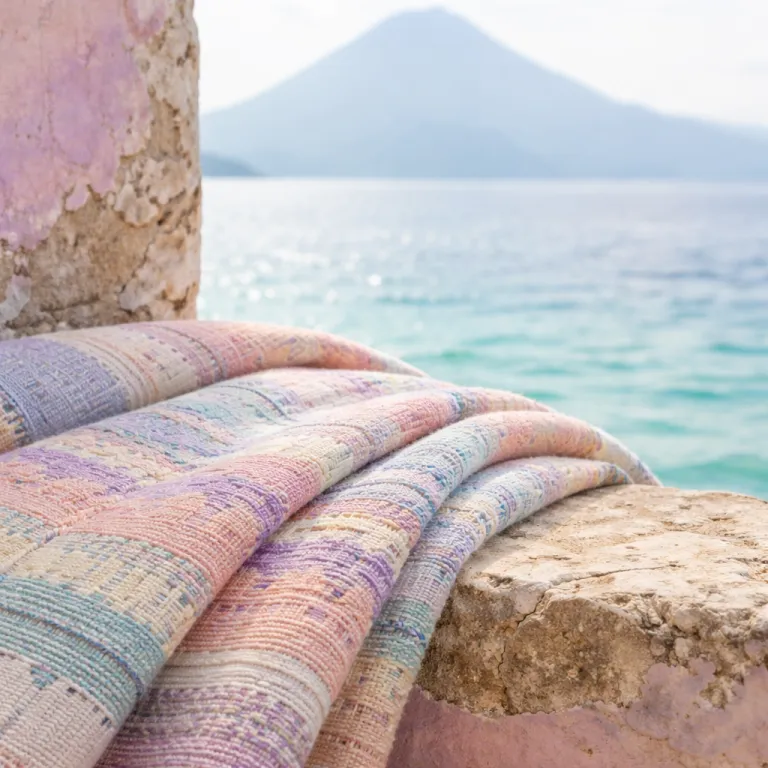
Lake Atitlán is often described as one of the best lakes in the world, and it deserves a central place when deciding where to go in Guatemala. This deep volcanic lake sits at about 1,560 metres above sea level, encircled by steep hills and three main volcano peaks. Around its shores you find a ring of distinct towns and villages, each offering a different way to experience Guatemala travel.
Panajachel is the main gateway town to Lake Atitlán, and it works well if you want easy transport connections and a wide choice of places to stay. From here, public boats cross the lake all day, allowing you to visit Guatemala lake communities such as San Pedro La Laguna, San Marcos La Laguna, and San Juan La Laguna. San Pedro attracts backpackers and hikers, San Marcos is known for yoga and wellness retreats, while San Juan focuses on Mayan art cooperatives and natural dye textiles, so you can find the town that best matches your style.
Plan at least three nights around Lake Atitlán so you can explore several villages without rushing every boat ride. Popular activities include a sunrise hike above San Pedro, a coffee tour in the hills above San Juan, and a relaxed lake kayak outing during the calm morning hours. Shared tourist shuttles from Antigua to Panajachel usually take around three hours, and once at the lake, public boat rides between major villages often run every 20 to 30 minutes, with typical one way fares quoted locally in the range of Q10–25 per person depending on distance and whether the boat is public or privately chartered.
Tikal National Park and other Mayan ruins in the lowlands
Anyone asking where to go in Guatemala for Mayan ruins should place Tikal National Park at the top of the list. This vast archaeological site lies in the northern Petén region, surrounded by dense jungle that amplifies the sense of stepping into another era. The combination of towering temples, wildlife, and early morning mist makes a visit to Tikal one of the best things you can do in Central America.
Most travellers base themselves in the town of Flores or at lodges closer to the park, then arrange a sunrise or sunset tour with local guides. A typical Tikal National Park day trip includes climbing Temple IV for panoramic views above the canopy, walking past howler monkeys, and learning how this Mayan city once dominated regional trade routes. If you have more time, consider adding other Mayan ruins such as Yaxhá or Uaxactún, which feel quieter and allow you to explore ceremonial plazas with far fewer visitors.
Allocate at least one full day for Tikal and another for rest or extra exploration, because the heat and walking distances can be demanding. Domestic flights between Guatemala City and Flores generally take about one hour, while long distance buses can require eight to ten hours, so factor travel time into your schedule and check current timetables with bus companies or airlines. Remember that “What is the best time to visit Guatemala? Dry season: November to April.”, so plan your lowland visits accordingly to avoid heavy rain and muddy trails, and confirm the latest park entry fees and opening hours with official Tikal National Park information before you go.
Semuc Champey, Río Dulce, and off the beaten path nature
Travellers wondering where to go in Guatemala beyond the classic triangle often look toward Semuc Champey and Río Dulce. Semuc Champey is a series of turquoise limestone pools set above an underground river, reached by a steep road near the town of Lanquín. The area feels remote, but for many visitors it becomes one of the best places in the country for swimming and quiet nature.
Plan at least two nights near Semuc Champey, because the journey from either Antigua or Lake Atitlán usually takes a full day. Once there, you can hike to the El Mirador viewpoint for a sweeping look over the stepped pools, then spend the rest of the day swimming in the clear water. Some tours also include caving and tubing on the river, but you should always check current safety conditions and follow the advice “Is Guatemala safe for tourists? Exercise caution; check travel advisories.” before committing to adventure activities.
Farther east, the Río Dulce area offers a different side of Guatemala, with lush riverbanks and a Caribbean influence near the town of Livingston. Boat tours glide between canyon walls, passing hot springs and small riverside communities, and you can often find quiet lodges accessible only by water where you simply relax and watch birdlife. Overland travel between Lanquín, Río Dulce, and Flores can take six to eight hours per leg on tourist shuttles, so many travellers choose to break up the journey with overnight stops rather than attempting to connect everything in a single day.
Guatemala City, practical logistics, and choosing where to stay
Guatemala City rarely tops lists of where to go in Guatemala for beauty, yet it plays an important role in almost every itinerary. The capital is the main international gateway, and its different zones offer museums, restaurants, and business hotels that can be useful for a first or last night. If you have a spare day, the Museo Nacional de Arqueología y Etnología provides an excellent overview of Mayan artefacts before you visit ruins such as Tikal.
When deciding where to stay in Guatemala City, most travellers choose Zone 10 or Zone 4 for relative convenience and dining options. Use official taxis or trusted ride hailing services between the airport and your hotel, and always check current travel advisories from your government before arrival. Typical taxi fares from La Aurora International Airport to hotels in Zone 10 are often quoted in the range of US$10–20 depending on traffic and time of day, and many properties can arrange a fixed price transfer on request.
Across the country, think about where to stay based on how you like to move during the day rather than only on views. In Antigua and the Lake Atitlán towns, a central location lets you walk to restaurants and markets, while in rural areas such as Semuc Champey or Río Dulce you may prioritise access to nature over nightlife. Always balance the desire to explore many places to visit with enough downtime, so your Guatemala travel remains enjoyable rather than a checklist of things Guatemala offers on paper only.
Sample 10 day route ; connecting Guatemala’s best places smoothly
To help you visualise where to go in Guatemala in a limited time, consider a sample 10 day route that links the main highlights. Start with two nights in Antigua Guatemala to adjust to altitude and enjoy the city, then add a Pacaya volcano hike or a cultural day trip to nearby villages. From there, travel to Lake Atitlán for three nights, using boats to explore San Pedro, San Marcos, and San Juan so you can compare the character of each town.
After the lake, return to Guatemala City for a night if flight times require it, then fly or take an overnight bus to Flores for access to Tikal National Park. Spend at least one full day exploring the Mayan ruins of Tikal, and if time allows, add another day trip to quieter sites such as Yaxhá for a different perspective on Mayan history. This combination gives you a balanced mix of city life, lake scenery, volcano views, and jungle archaeology, which many travellers consider the best things about a first visit Guatemala itinerary.
If you have extra days, you can extend the route to include Semuc Champey or Río Dulce, but avoid squeezing every famous place into a single rushed schedule. Remember to check whether you need a visa to visit Guatemala, because “Do I need a visa to visit Guatemala? Depends on nationality; check requirements.” before booking non refundable flights. By pacing your travel days and choosing where to stay thoughtfully, you will find that Guatemala offers both headline attractions and quieter corners that reward unhurried exploration.
Key travel statistics about Guatemala tourism
- Guatemala receives around 2.5 million international tourists per year according to the Guatemalan Tourism Board (INGUAT), a scale that keeps major sites lively without overwhelming most destinations; always check the latest INGUAT publications for updated figures, as numbers can fluctuate year by year.
- The country has three UNESCO World Heritage Sites listed by UNESCO, including Antigua Guatemala and Tikal National Park, which anchor many classic itineraries.
- The dry season from November to April is widely regarded as the best period to visit Guatemala, because clearer skies improve volcano views and reduce rain related transport disruptions.
- Eco tourism, cultural tourism, and adventure tourism are identified as key segments for Guatemala, reflecting the mix of Mayan ruins, highland hikes, and jungle or river experiences.
FAQ about where to go in Guatemala
Is Guatemala safe for tourists who want to travel independently ?
Safety conditions vary by region, so you should always check current travel advisories from your government before departure. In popular areas such as Antigua, Lake Atitlán, and Tikal, most visitors travel without serious issues when they use registered transport, avoid isolated areas at night, and follow local advice. Guided tours with reputable local tour operators can add another layer of security, especially for remote hikes or long road journeys.
What is the best time of year to visit Guatemala’s main destinations ?
The dry season from November to April offers the most reliable weather for volcano views, lake crossings, and visits to Mayan ruins. During these months, roads are generally in better condition and hiking trails around places like Pacaya volcano or Lake Atitlán are less muddy. The rainy season can still be rewarding, but you should build more flexibility into your itinerary for weather related changes.
How many days do I need to see Antigua, Lake Atitlán, and Tikal ?
A well paced itinerary usually allocates two or three nights in Antigua, three nights around Lake Atitlán, and at least two nights in Flores for Tikal National Park. This structure allows one full day in each main area plus travel time between regions, without turning every day into a long transfer. If you want to add Semuc Champey or Río Dulce, consider extending your trip to at least 14 days.
Do I need a guided tour to visit Tikal and other Mayan ruins ?
You can visit Tikal National Park independently, but many travellers choose a guided tour for deeper context on Mayan history and easier logistics. Licensed guides explain the layout of the ancient city, point out wildlife, and help you time your route to avoid the hottest hours of the day. For smaller sites such as Yaxhá, a guide can also enhance the experience, although confident travellers sometimes explore alone using maps and printed information.
What should I pack for a trip that includes cities, lakes, and jungle ?
Packing layers is essential, because highland areas like Antigua and Lake Atitlán can feel cool at night while lowland regions such as Tikal and Río Dulce are hot and humid. Bring comfortable walking shoes for city streets and light hiking, a rain jacket for sudden showers, and swimwear for lakes or river pools at Semuc Champey. A small daypack, sun protection, insect repellent, and a basic Spanish phrasebook or app will also make your Guatemala travel smoother.