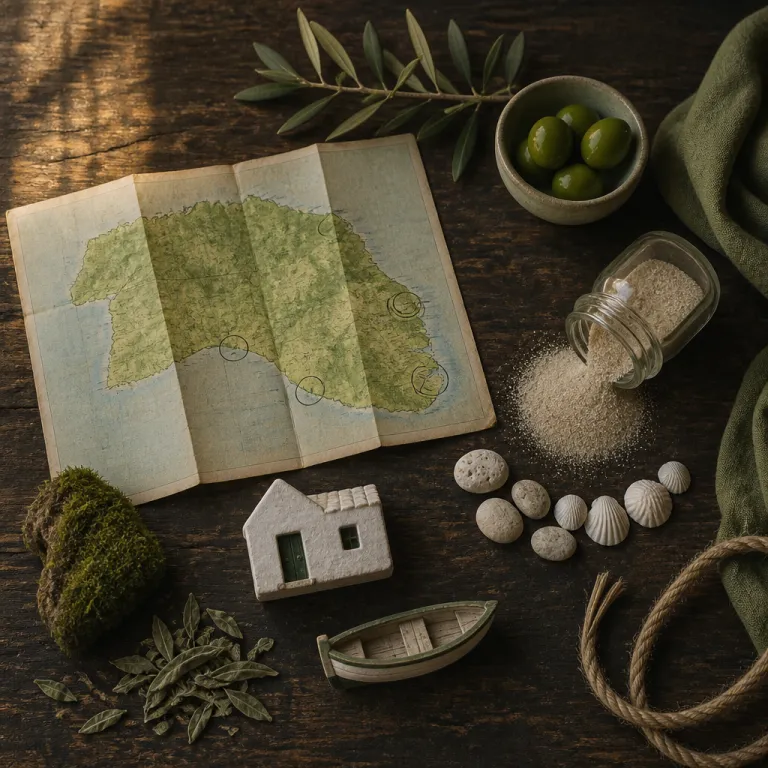
Understanding where to go in Menorca on your first trip
Working out where to go in Menorca starts with its shape and scale. The island is only about 50 kilometres wide, yet each coast feels like a different country, and that compact size makes it easy to plan a full day that moves from archaeological sites to quiet beaches. Many travellers underestimate how varied Menorca can be, so thinking in terms of coasts, towns, and walking routes helps you find the best balance for your time.
Menorca is part of Spain’s Balearic Islands, but it has resisted the heavy development seen elsewhere on the archipelago. That restraint is why the island was designated a UNESCO Biosphere Reserve in 1993, and why you still find long stretches of untouched coast where pine forests meet white sand and clear water. Annual visitors now exceed one and a half million according to the Menorca Tourism Board’s 2022 statistics, yet you can still walk for an hour on the Camí de Cavalls and meet only a handful of people.
Think of your stay in Menorca as a series of themed days rather than a checklist of sights. One day might focus on the best beaches on the south coast, another on the harbour city of Maó (Mahon) and its nearby coves, and another on the old capital Ciutadella with its sandstone palaces and harbour restaurants. This approach lets you experience the best things the island offers without rushing, and it makes decisions about where to stay in Menorca much easier.
Ciutadella and the west coast: where history meets harbour evenings
If you are wondering where to go in Menorca for atmosphere after dark, start with Ciutadella on the west coast. The old town of Ciutadella is a maze of narrow streets, Gothic churches, and noble houses that glow honey white at sunset, and the harbour below fills with the clink of glasses from waterfront restaurants. Walking through the town of Ciutadella in the early evening, you feel how the island’s history and modern life still overlap in a very natural way.
Spend a full day here to appreciate both the architecture and the nearby coves. In the morning, stroll from Plaça des Born down to the port, then follow the coast by bus or rental car to nearby Menorca cala favourites such as Cala en Brut or Cala en Blanes, where platforms carved into the rock lead straight into deep blue water. Return to Ciutadella in the late afternoon, when the light softens on the sandstone façades and the best restaurants open their terraces.
Food is a major reason many travellers rate Ciutadella as the best Menorca base for a first visit. You will find traditional seafood restaurants serving caldereta de langosta alongside contemporary places that reinterpret island produce, and both options feel rooted in local culture rather than trend chasing. If you visited years ago, you will notice more variety now, yet the scale remains human and the town still feels like a lived in community rather than a stage set for tourists.
For travellers who enjoy quieter seasonal destinations, the way Ciutadella balances heritage and modern tourism is similar to some lesser known autumn escapes described in this guide to chasing colour without the crowds. Both reward slow exploration, unhurried meals, and time spent simply watching local life unfold. In Ciutadella, that might mean an espresso at a small café on a side street, or a late night stroll along the harbour after the last boats have returned.
South coast coves: choosing the best beaches in Menorca
Travellers asking where to go in Menorca for the best beaches usually mean the south coast. Here you find the classic beaches of Menorca that appear in brochures, with white sand, turquoise water, and pine trees leaning over the shore like umbrellas. These coves are the reason many people consider this island one of the Mediterranean’s most beautiful beach destinations.
Cala Macarella and Cala Macarelleta are often named among the best beaches in Spain, and they justify the reputation. Reaching Cala Macarella involves either a walk along the Camí de Cavalls or a short ride by rental car followed by a shaded path, and both routes reveal how wild this coast still feels despite its fame. The smaller cove of Macarelleta, reached on foot from the main beach, offers even clearer water and a more intimate scale, though it can feel crowded at peak time.
Cala Turqueta and Cala Galdana provide a useful contrast for planning your days on the south coast. Cala Turqueta is a classic Menorca cala, with no major development, white sand, and water that shifts from pale green to deep blue within a few metres, while Cala Galdana is a larger bay with more services, family friendly hotels, and easy access to restaurants. Many visitors base themselves near Cala Galdana when they want to stay in Menorca close to the best beaches but still have facilities, then use the Camí de Cavalls to walk to quieter coves during the day.
If you enjoy coastal walking, the Camí de Cavalls is one of the best things Menorca offers beyond the beach itself. This historic path encircles the island for about 185 kilometres, linking many of the best beaches and viewpoints, and you can sample short sections as half day or full day hikes. For more ideas on planning scenic walks that match your fitness and interests, this guide to choosing inspiring walks for your next trip offers a useful framework you can adapt to Menorca’s terrain.
Mahon and the east: harbours, history, and quiet inlets
On the eastern side of the island, Maó (Mahon) offers a very different answer to the question of where to go in Menorca. The city sits above one of the largest natural harbours in the world, and its long inlet is lined with fortifications, islets, and small coves that reveal the island’s strategic past. Walking the upper town, you move between viewpoints over the water and streets where Georgian style balconies recall the British presence centuries ago.
Plan at least one full day in Mahon and its surroundings if you care about history and harbour life. Start with the central market and the church of Santa Maria, then descend to the port for a boat tour that explains how different powers fought to control this island and its deep water harbour. The Menorca Tourism Board notes in recent visitor reports that guided tours increasingly use augmented reality to bring these stories to life, and this blend of technology and heritage suits travellers who like context with their views.
East of Mahon, the coast breaks into small inlets and low cliffs, with beaches that feel more open than the enclosed coves of the south. Families often favour these beaches of Menorca for their gentle water and easy access, while walkers appreciate the Camí de Cavalls sections that run close to the edge of the cliffs. If you rent a car, you can combine several of these stops in one day, moving from a morning swim to an afternoon visit to a coastal fort and an evening meal at a harbour restaurant.
Food on this side of the island leans toward simple seafood, harbour side tapas, and traditional Menorcan dishes such as oliaigua, a rustic soup served with bread and vegetables. You will find both casual and refined restaurants along the waterfront, and the best places share a focus on fresh fish and seasonal produce rather than elaborate presentation. Many travellers who stayed in Ciutadella years ago now split their time between the two cities, using Mahon as a base for exploring the eastern coast and its quieter corners.
Inland Menorca: Monte Toro, rural roads, and slow villages
When travellers ask where to go in Menorca beyond the beaches, the answer often begins with Monte Toro. At 358 metres, this is the island’s highest point, and on a clear day you can see the full outline of the coast, from the white coves of the south to the wilder north. The sanctuary at the summit adds a quiet, reflective atmosphere, and many visitors consider a late afternoon visit here one of the best things they do on the island.
Reaching Monte Toro is easiest with a rental car, which also opens up the rural interior for a relaxed road trip. The central plain is dotted with white farmhouses, dry stone walls, and small villages where time seems to move more slowly than on the coast, and driving these roads gives you a sense of Menorca as a working island rather than only a holiday destination. Stop in village cafés for a coffee or a simple menú del día, and you will hear more Menorquí spoken than in the resort areas.
Inland Menorca is also where you find many of the island’s prehistoric talayotic sites, which predate classical civilizations and give the landscape a distinctive archaeological character. Spending part of a day among these stone structures, then returning to the coast for a swim, underlines how layered this small island really is. Local guides often combine visits to talayotic settlements with short sections of the Camí de Cavalls or with tastings at rural cheese producers, creating full day experiences that link landscape, history, and food.
For travellers who enjoy turning drives into narratives, Menorca’s interior pairs well with the kind of themed road trip itineraries that transform a simple journey into a story. Here, the story might follow the evolution of the island from prehistoric times through monastic life at Monte Toro to contemporary rural tourism. By the time you return to your base on the coast, you will have a deeper sense of where you are, not just where you sleep.
Practical planning: where to stay, how to move, when to visit
Deciding where to go in Menorca is only half the task; you also need to choose where to stay in Menorca and how to move between its coasts. The main decision is whether to base yourself in a town such as Ciutadella or Mahon, or in a resort area near a Menorca cala like Cala Galdana. Town bases suit travellers who value evening atmosphere and restaurant choice, while coastal bases work better for families who want to walk to the beach.
A rental car remains the most flexible way to explore the island, especially if you want to reach the best beaches early in the day or stay for sunset. Public buses connect major towns and some beaches of Menorca, but schedules can be sparse outside peak months, and a car allows you to improvise when weather or mood changes. As a rough guide, summer bus services between Ciutadella and Mahon typically run at least once an hour during the day, while a small hatchback from a local car hire company often costs from around €35–€50 per day in shoulder season, according to recent price ranges published by the Spain Ministry of Industry, Trade and Tourism.
As for timing, the Menorca Tourism Board notes in its seasonal recommendations that “Spring and autumn offer pleasant weather and fewer crowds.” These shoulder months are ideal if you care about hiking the Camí de Cavalls, photographing empty beaches, or enjoying long lunches without waiting for a table at the best restaurants. Summer brings warmer water and a livelier atmosphere, but also more people on the most famous beaches, so consider exploring lesser known coves or planning early starts if you travel then.
Whatever season you choose, a few simple habits will improve your experience on the island. Local advice emphasises three basics for anyone planning things to do in Menorca: “Wear comfortable shoes. Stay hydrated. Respect local customs.” These guidelines matter whether you are walking a rocky section of coast, visiting a rural village, or spending a full day between a talayotic site and a sunset swim.
Hidden corners and local colour: beyond the classic highlights
Once you have seen the obvious answers to where to go in Menorca, it is worth seeking a few quieter corners. Smaller coves along both the north and south coasts offer the same clear water and white sand as the famous beaches, but with fewer facilities and fewer people. These are the places where you can sit for an hour, watch the light shift on the rocks, and feel the island’s slower rhythm.
In Mahon, the concept store Nonna Bazaar has become a reference point for travellers interested in design, local textiles, and curated objects. Visiting Nonna Bazaar during a day in the city adds a contemporary note to an itinerary that might otherwise focus only on churches and harbour views, and it shows how the island’s creative scene has evolved since the first wave of tourism years ago. Similar small businesses in Ciutadella and inland villages contribute to a more diverse economy, which in turn supports the preservation of traditional architecture and crafts.
Hidden gems in Menorca are often less about secret locations and more about timing and approach. Arriving at a well known beach early, walking ten minutes further along the Camí de Cavalls, or choosing a restaurant one street back from the harbour can transform a familiar place into a more personal experience. When travellers talk about the best Menorca memories, they often mention such small decisions rather than the headline sights, and those details are what make this island feel quietly exceptional.
Key figures about Menorca tourism and environment
- Menorca welcomes about 1.5 million tourists per year, according to the Menorca Tourism Board’s 2022 visitor data, a volume that is significant yet lower than neighbouring islands, which helps preserve its calmer atmosphere.
- The island has around 75 officially recognised beaches, again from Menorca Tourism Board statistics, giving visitors an unusually high choice of coves and bays for such a compact territory.
- The Camí de Cavalls coastal path runs for roughly 185 kilometres around the island, allowing walkers and cyclists to access many stretches of coast that remain unreachable by road; this figure appears in official trail information published by the island council.
- Tourism is promoted year round, but local authorities highlight spring and autumn as optimal periods, when temperatures are milder and pressure on fragile coastal ecosystems is reduced compared with peak summer, in line with guidance from the UNESCO Biosphere Reserves Programme.
Frequently asked questions about where to go in Menorca
What is the best time to visit Menorca ?
Spring and autumn offer pleasant weather and fewer crowds. These seasons are ideal for walking the Camí de Cavalls, exploring towns like Ciutadella and Mahon in comfort, and enjoying beaches of Menorca without peak season congestion. Summer suits travellers who prioritise warm water and a livelier atmosphere, but it requires more planning around popular coves.
Is Menorca suitable for family vacations ?
Menorca is highly suitable for families, thanks to its safe beaches, gentle water, and compact size. Many south coast bays such as Cala Galdana offer shallow entries, lifeguards in season, and nearby services, which simplify full day outings with children. Inland attractions and short coastal walks also provide variety beyond the beach.
Are there guided tours available around the island ?
Yes, various guided tours are offered by local operators. Options range from walking tours in Ciutadella and Mahon to boat trips along the coast and cycling excursions on sections of the Camí de Cavalls. Some historical tours now use augmented reality to illustrate past events at forts and archaeological sites.
Do I need a rental car to explore Menorca ?
A rental car is not strictly essential, but it greatly increases flexibility. Public buses connect major towns and some beaches of Menorca, yet schedules can be limited outside peak months and rarely match sunrise or sunset times at coves. With a car, you can combine several areas in one day and reach less frequented spots on both coasts.
How many days should I plan for Menorca ?
Four to five days allow you to see key areas such as Ciutadella, Mahon, Monte Toro, and several south coast coves at a relaxed pace. A week gives time for additional beaches, inland villages, and longer walks on the Camí de Cavalls. Shorter stays are possible, but you will need to prioritise either town life or coastal exploration.
References
- Menorca Tourism Board – visitor statistics, beach counts, and seasonal recommendations
- Spain Ministry of Industry, Trade and Tourism – transport and car hire price ranges
- UNESCO Biosphere Reserves Programme – Menorca designation and environmental guidance