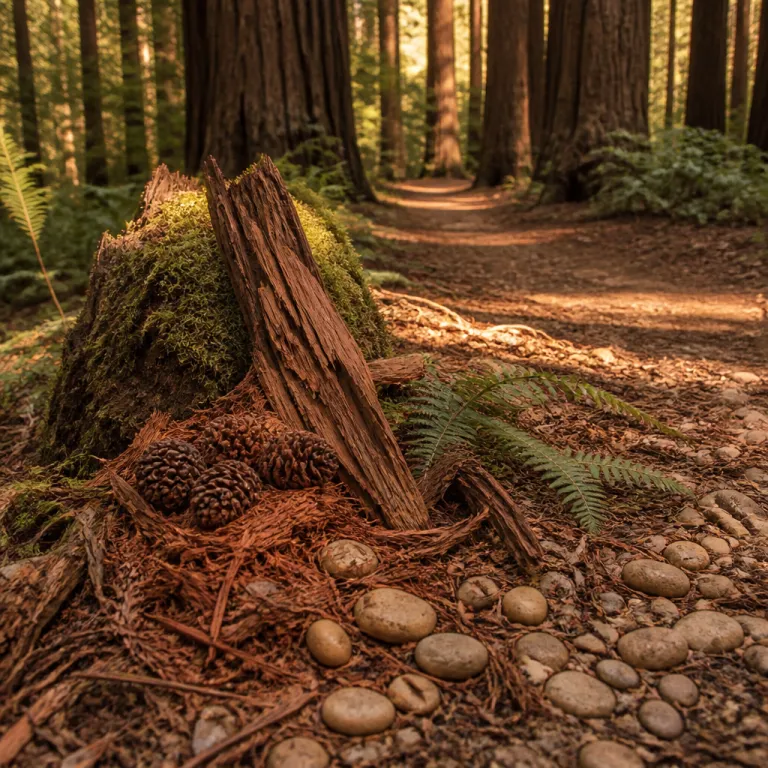
Choosing where to go in redwoods for your first trip
Working out where to go in redwoods begins with understanding how the forests are organised. The coastline of northern California holds a mosaic of national park and state park areas that together protect some of the tallest trees on Earth. This shared Redwood National and State Parks structure can feel confusing at first, yet it allows visitors to experience varied landscapes from wild beach to quiet creek in a single trip.
The core protected area is officially called Redwood National and State Parks, a partnership between the National Park Service and California State Parks. This national park and its neighbouring state parks stretch along the coast between Orick and Crescent City, linking groves of ancient redwood trees with prairie meadows, rugged bluffs, beach viewpoints, and fern lined canyon walls. When travellers ask about the best places to visit, I always explain that the redwoods state units are not separate from the national parks experience but part of one continuous protected coastline.
For a first visit, base yourself near either Crescent City in the north or the small town of Orick further south. From Crescent City you can reach Jedediah Smith Redwoods State Park, several dramatic beaches, and the northern Crescent City Information Center in less than thirty minutes by road. Around Orick, the focus shifts to Prairie Creek Redwoods State Park, the famous Fern Canyon, and the scenic Newton B. Drury Scenic Parkway that threads quietly through some of the finest redwood grove scenery in California.
Redwood National and State Parks: the heart of the giants
If you want one clear answer to where to go in redwoods, start with the unified Redwood National and State Parks complex. Here, national park lands and adjacent state parks protect more than 50,000 hectares (about 128,000 acres) of forest, river, and coast, managed jointly by the National Park Service and California State Parks. This national–state partnership means that a single visit can include a misty trail through old growth trees in the morning and a sunset walk along a windswept beach in the evening.
Within this system, Prairie Creek Redwoods State Park offers perhaps the best all round experience for first time visitors. The park combines cathedral like redwood grove corridors, open prairie where Roosevelt elk graze, and access to the ocean at Gold Bluffs Beach, all linked by a well maintained loop trail network. Nearby, the Prairie Creek visitor center near Orick provides maps, current trail conditions, and exhibits that explain how these parks safeguard both the redwood forest and the coastal prairie ecosystems.
Farther north, Jedediah Smith Redwoods State Park delivers a different mood, with dense creek redwoods rising straight from the banks of the Smith River. The narrow road known as Howland Hill Road winds through Smith River redwoods that feel almost untouched, giving a sense of what California’s coast looked like before large scale logging. Travellers interested in conservation stories can deepen their understanding by talking with rangers about restoration projects, salmon habitat work, and how the park service manages visitor access to protect fragile old growth.
Iconic drives and roads through the redwood groves
Some travellers planning where to go in redwoods prefer to experience the forest primarily from the road. For them, a carefully chosen scenic drive through a state park or national park can be just as moving as a long backcountry trail. The key is selecting routes where the road narrows, the trees close in, and the sense of scale becomes almost overwhelming.
The Newton B. Drury Scenic Parkway in Prairie Creek Redwoods State Park is widely regarded as one of the best drives in California for viewing old growth redwood trees. This quiet road leaves Highway 101 near Orick and meanders for about 15 kilometres (9 miles) through towering groves, with frequent pullouts leading to short loop trail options and viewpoints over prairie clearings where elk often feed. Because the parkway is closed to most traffic on some weekends for special events or seasonal closures, always check with a visitor center or the official park information line before planning a dedicated drive.
Farther south, the Avenue of the Giants in Humboldt Redwoods State Park lies outside the official Redwood National and State Parks, yet it remains a classic extension for anyone exploring multiple redwoods state and national parks in one journey. This parallel road to Highway 101 runs for roughly 50 kilometres (31 miles) between Phillipsville and Stafford, passing through immense groves where the forest almost touches your car windows, and numerous signed stops explain the history of each tree grove. When planning a longer California road trip that links the redwoods with other major landscapes, build in extra time for slow driving, photo stops, and rest breaks so that long days behind the wheel remain safe and enjoyable.
Signature trails: walking among the tallest trees
Anyone asking where to go in redwoods for immersive walking should focus on a handful of signature trail options. Short, carefully graded paths allow visitors of many abilities to stand among ancient trees without committing to strenuous hikes. Longer loop trail routes then lead deeper into the forest for those seeking solitude and extended time beneath the canopy.
In Prairie Creek Redwoods State Park, the Prairie Creek and Cathedral Trees loop trail offers a superb introduction to old growth forest, combining level walking with close views of massive trunks and lush understory. Nearby, the approach into Fern Canyon follows a creek bed framed by vertical walls draped in ferns, creating one of the most atmospheric short walks in any of California’s state parks. Because water levels in the creek can vary, wearing waterproof footwear and checking conditions at the visitor center or on posted trailhead notices is essential before you set out.
North of Crescent City, Jedediah Smith Redwoods State Park features the Boy Scout Tree Trail, a longer route that rewards patient walkers with some of the quietest redwood grove scenery in the region. This trail climbs gently through dense Smith River redwoods, eventually reaching the enormous Boy Scout Tree and a small waterfall that feels far removed from the nearby road. Typical hiking times range from three to five hours depending on pace, so start early, carry extra layers, and let someone know your plans before you disappear beneath the canopy.
Coast, creeks, and beaches: beyond the forest interior
Working out where to go in redwoods is not only about the tallest tree groves. The same national and state park network also protects a dramatic stretch of the California coast, where forested bluffs meet surf pounded sand. Spending time along this shore reveals how the redwoods, prairie, and beach environments connect into one resilient ecosystem.
Gold Bluffs Beach in Prairie Creek Redwoods State Park is a highlight, offering a rare combination of ocean views, nearby elk filled prairie, and easy access to the trail leading into Fern Canyon. The Gold Bluffs Beach area includes a small campground and day use parking, making it simple to walk from your tent or car directly onto the sand or into the adjacent creek corridor. Early morning and late evening are often the best times to visit, when fog drifts in from the coast and the silhouettes of distant trees soften against the sky.
Along the northern part of Redwood National and State Parks, several short roads lead from Highway 101 to quiet coves and river mouths near Crescent City, including access points such as Enderts Beach Road and the mouth of the Smith River. These turnoffs allow visitors to watch waves crash against rocky headlands, then turn inland to follow a creek redwoods path where salmon sometimes spawn in season. Parking is usually in small roadside lots or gravel pullouts, so arrive early on busy weekends and avoid blocking gates or private driveways.
Practical planning: seasons, permits, and responsible travel
Once you know where to go in redwoods, careful planning will shape how rewarding your visit becomes. The region can be visited year round, yet each season offers a different balance of weather, crowds, and trail conditions. Spring and fall offer mild weather and fewer crowds, while winter brings heavier rain that transforms creeks and nourishes the forest floor.
Before entering any national park or state park, check the latest information from the National Park Service and California State Parks websites or from a staffed visitor center. Some parks charge fees; check official websites, and camping is allowed in designated areas with reservations, though facilities vary by park and by specific campground. In the redwoods region, popular front country campgrounds include Gold Bluffs Beach and Elk Prairie in Prairie Creek Redwoods State Park, Jedediah Smith Campground near Crescent City, and Mill Creek Campground in Del Norte Coast Redwoods State Park, all of which typically require advance booking through the California State Parks reservation system.
Responsible travel in Redwood National and State Parks means staying on marked trail corridors, respecting elk and other wildlife by keeping a safe distance, and packing out all rubbish from beach and creek areas. Check weather forecasts, wear layered clothing, and remember that temperatures along the coast can feel cool even in summer due to fog and wind. By approaching each grove, prairie, and canyon with care, you contribute directly to the long term conservation of trees that can reach 379.7 feet in height and live for more than 2,000 years, according to data from the National Park Service and Save the Redwoods League.
Extending your redwoods journey across California
Travellers who start by asking where to go in redwoods often end up designing a wider California itinerary. Once you have explored the main Redwood National and State Parks, it is natural to look toward other state parks and national parks that showcase different sides of the state. Planning this kind of journey requires balancing driving distances, seasonal conditions, and the time you want to spend in each grove or along each beach.
A classic route begins in San Francisco, follows Highway 101 north through wine country, then continues to the Avenue of the Giants before reaching Redwood National and State Parks near Crescent City. The drive from San Francisco to the Avenue of the Giants takes around four to five hours without long stops, and from there it is roughly another three hours to the main redwoods units near Orick and Crescent City. From this northern stretch, you can loop back inland toward volcanic landscapes, high mountain lakes, or onward to other western national parks, always checking for regional issues such as road closures, wildfire activity, or water restrictions that might affect camping and trail access.
For travellers who enjoy comparing ecosystems, pairing time among redwood trees with visits to desert canyons, alpine peaks, or coastal wetlands can deepen your understanding of how different national and state systems manage conservation. As you move between these landscapes, notice how trail design, visitor education, and campground rules all work together to protect fragile habitats. In every case, the lessons you learn walking a quiet loop trail beneath ancient trees will inform how you move through other protected areas in the future.
Key figures about California’s redwoods
- The tallest known coast redwood tree reaches 379.7 feet in height, according to the National Park Service, making it taller than a 35 storey building and illustrating why visitors often feel dwarfed when they enter an old growth grove.
- Some individual redwood trees in northern California are estimated to be around 2,200 years old, based on data from Save the Redwoods League, meaning they were already mature when major classical civilizations were flourishing.
- Redwood National and State Parks protect more than 50,000 hectares (about 128,000 acres) of land, a fraction of the original redwood range, which underscores the importance of every state park and national park unit that still shelters old growth forest.
- Visitor numbers to redwood parks have been rising in recent decades, reflecting broader eco tourism growth and increasing interest in nature based travel, which in turn places greater pressure on trail maintenance and habitat protection.
- Driving distances between major redwood areas can be significant, with the stretch from San Francisco to Crescent City covering roughly 550 kilometres (about 340 miles), so travellers should plan fuel, rest stops, and overnight stays carefully when designing a road focused itinerary.
FAQ: planning a trip to the redwoods
What is the best time to visit the redwoods ?
Spring and autumn generally offer the best balance of mild temperatures, open trails, and manageable visitor numbers in Redwood National and State Parks. Summer brings longer daylight and more ranger led activities but also heavier traffic on key roads and fuller campgrounds. Winter can be atmospheric with mist and rain, yet some trails may be muddy or temporarily closed due to high creek levels.
Are there entrance fees for Redwood National and State Parks ?
Access to the national park sections of Redwood National and State Parks is typically free, while several associated state parks charge day use or parking fees at specific trailheads and beach areas. Because fee structures can change, it is wise to confirm current costs on the National Park Service and California State Parks websites before you arrive. Carrying a national parks pass can also be useful if your wider itinerary includes other federal sites.
Can I camp inside the redwood parks ?
Camping is allowed in designated campgrounds within several state parks that form part of the redwoods complex, including Prairie Creek Redwoods and Jedediah Smith Redwoods. These campgrounds often fill quickly during peak seasons, so reserving well in advance through official booking systems is strongly recommended. Backcountry camping is limited and usually requires permits, which you can obtain or research at a visitor center.
Do I need special equipment to hike the main trails ?
Most popular redwood trails are well maintained and require only sturdy walking shoes, layered clothing, and a waterproof jacket for sudden showers. Trekking poles can help on longer loop trail routes with moderate elevation changes, especially when surfaces are wet with fog or rain. Always carry water, a map, and a small first aid kit, as mobile reception can be unreliable under dense tree cover.
How can I minimise my impact when visiting the redwoods ?
To travel responsibly, stay on marked trails, avoid stepping on fragile roots, and keep a respectful distance from elk and other wildlife. Pack out all rubbish, minimise noise in quiet groves, and follow any fire restrictions posted by park staff. Supporting local conservation organisations and following guidance from park rangers further strengthens long term protection for these ancient trees.