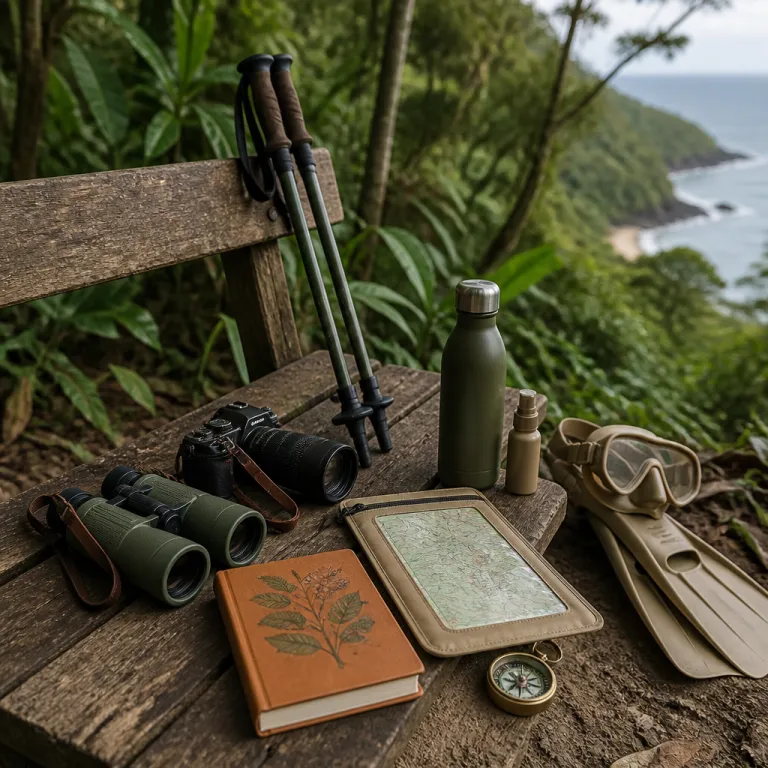
Planning costa rica where to go: how to choose your regions
Costa Rica rewards travelers who plan their route around nature. When you decide costa rica where to go, think in regions rather than a single beach or forest, because distances look short on the map yet winding roads and mountain passes slow travel. The country’s compact size still allows you to combine a cloud forest, a Pacific coast beach town and at least one national park within a ten day itinerary.
Start by choosing your arrival airport, since this shapes everything. Most international flights land at Juan Santamaría International Airport near the capital of San José, while a growing number use Daniel Oduber Quirós International Airport in Liberia, Guanacaste on the north Pacific coast, and each airport works best for different routes that include both beaches and forest reserves. From San José to La Fortuna takes around three hours by road, while Liberia to Tamarindo is about ninety minutes, and this mix of air travel to San José and Liberia, followed by domestic flights, buses or car rentals, makes it realistic to visit Costa Rica year round, with the dry season from December to April offering the best things for first time visitors who want sun.
Ask yourself what kind of costa rican landscapes you want most. If you dream of white water adventures and hot springs, base yourself near La Fortuna and the Arenal Volcano National Park, but if you prefer quieter mangrove lined beaches then the southern Pacific coast around Manuel Antonio and the Osa Peninsula will feel like the best places on earth. Travelers focused on cloud forest birdlife and hanging bridges should prioritize Monteverde or the Bajos del Toro area, while those chasing long, surf friendly beaches often build their trip around Guanacaste and its relaxed beach towns.
San José, La Fortuna and Arenal: volcanoes, forests and hot springs
For many visitors, costa rica where to go begins in San José. The capital of Costa Rica sits in the Central Valley, and while San José itself is not the main attraction, its central location and proximity to the country’s largest international airport make it a practical first stop before you head toward forest covered volcanoes or the Pacific coast. Spend one night in a central hotel, adjust to the climate, then move quickly toward La Fortuna and the Arenal region where the real drama begins.
La Fortuna is a compact town at the foot of Arenal Volcano, and it has grown into one of the best places in Costa Rica for soft adventure. Here you can walk well maintained trails inside Arenal Volcano National Park, cross steel hanging bridges above secondary forest, and soak in rivers and pools fed by natural hot springs that flow down the volcano’s flanks. Tour operators in town also organize white water excursions and water rafting on nearby rivers, giving you a full list of things Costa Rica does exceptionally well for active travelers who still want comfortable evenings.
The surrounding forest is a mosaic of protected areas and private reserves. Early morning walks reveal toucans, howler monkeys and, with luck, sloths resting in the canopy, while night tours show a different world of frogs and insects that thrive in the humid air. Typical transfer times from San José to La Fortuna run between two and a half and three and a half hours depending on traffic and road conditions, and this relatively short journey helps explain why the region features in so many itineraries that combine volcanoes, hot springs and easy access to national parks.
Monteverde and Bajos del Toro: cloud forest immersion
Travelers asking costa rica where to go for misty trails and rare birds should look to the highlands. Monteverde and the Bajos del Toro region both protect cloud forest ecosystems, where constant moisture feeds mosses, orchids and towering trees that feel far removed from the hot beaches of the Pacific coast. These cloud forest reserves sit a few hours’ drive from San José, yet the change in temperature and vegetation is dramatic enough to feel like another country.
Monteverde Cloud Forest Reserve remains the most famous, and with good reason. Well signed trails, hanging bridges and canopy platforms allow you to move through different forest layers, while local guides help you spot resplendent quetzals, hummingbirds and countless epiphytes that cling to every branch in this national treasure. The cloud forest here is also a model for eco tourism, with community run projects and lodges that channel tourism revenue back into conservation and education, which aligns with Costa Rica’s broader goal of protecting around a quarter of its land as park or reserve.
Bajos del Toro, sometimes written as Del Toro, offers a quieter alternative with deep canyons and powerful waterfalls. Trails descend through dense forest to turquoise pools, and the cooler climate makes hiking comfortable even at midday, which contrasts sharply with the heat on lowland beaches. Driving from San José to Bajos del Toro usually takes about two hours, while the route from the capital to Monteverde often requires three to four hours on winding roads, and if you are building a nature focused trip and comparing costa rica where to go with other biodiversity hotspots, these travel times show how easily you can reach high quality wildlife watching areas from the main international gateway.
Manuel Antonio and the central Pacific coast: wildlife and easy beaches
When travelers ask costa rica where to go for a first taste of the Pacific coast, Manuel Antonio almost always appears near the top of the list. This compact national park on the central Pacific coast combines dense forest, calm beaches and abundant wildlife, which makes it ideal for visitors who want to see monkeys and sloths without committing to multi day treks. The nearby town of Quepos and the hillside area commonly called Manuel Antonio offer a wide range of hotel options, from simple guesthouses to full service resorts.
Inside Manuel Antonio National Park, short trails link viewpoints and coves, and it is common to see white faced capuchin monkeys, iguanas and raccoons along the way. The beaches within the park are sheltered and family friendly, with warm water and gentle waves that invite long swims after a morning of wildlife watching in the forest, and this combination of easy access and high biodiversity explains why Manuel Antonio remains one of the best places to visit Costa Rica for the first time. Outside the park boundaries, additional beaches stretch along the coast, offering surfing, sea kayaking and sunset views that feel quintessentially costa rican.
While Manuel Antonio National Park can feel busy in peak season, careful timing helps. Arriving at the park gate early in the morning or later in the afternoon avoids the largest crowds and gives wildlife more space to move near the trails, which improves your chances of meaningful encounters. The drive from San José to Manuel Antonio typically takes about three hours along the coastal highway, and many travelers pair this region with La Fortuna or Monteverde to create a loop that balances forest backed shores with inland volcanoes and cloud forest reserves.
Guanacaste and the north Pacific coast: long beaches and dry forests
For sun seekers wondering costa rica where to go for long dry seasons and easy beach hopping, Guanacaste on the north Pacific coast is the natural answer. This region, anchored by the Liberia International Airport, offers some of the driest weather in Costa Rica, especially between December and April when rain is rare and skies stay clear. The landscape here shifts from lush rainforest to tropical dry forest, with rolling hills, cattle ranches and a string of beach towns facing the Pacific.
Popular beaches in Guanacaste include Tamarindo, Playa Flamingo, Playa Conchal and Playa Hermosa, each with its own character. Tamarindo is the liveliest beach town, with surf schools, restaurants and a busy main street, while Playa Conchal offers pale sand and clear water that feel almost Caribbean despite sitting firmly on the Pacific coast of Costa Rica. Smaller communities such as Nosara and Sámara attract travelers seeking yoga retreats, quieter beaches and a slower pace, and these towns show another side of costa rican life beyond the national park circuit.
Guanacaste also provides access to several important protected areas. Rincón de la Vieja National Park combines volcanic activity, mud pots and forest trails, while Santa Rosa National Park protects one of the last significant tracts of Central American tropical dry forest along with historic battle sites, and both parks help explain why around 25 % of Costa Rica’s land is under some form of protection according to the national parks service. From Liberia to Rincón de la Vieja usually takes about ninety minutes by car, while transfers from the airport to coastal towns like Playa Hermosa or Playa Conchal often range from forty five minutes to two hours, ensuring that even a beach focused stay still includes the best things about Costa Rica’s wild landscapes.
Practical tips for choosing costa rica where to go
Once you understand the main regions, the question of costa rica where to go becomes a matter of priorities. Travelers with seven days might sensibly combine San José, La Fortuna and Manuel Antonio, while those with ten to fourteen days can add Monteverde or Guanacaste without rushing between each town. Trying to see every national park in one trip rarely works, so focus on a balance of forest, coast and at least one cloud forest to appreciate the country’s range.
Season matters, but perhaps less than you think. The dry season from December to April brings the sunniest beach days on the Pacific coast, while the rainy months from May to November paint the forest in deeper greens and fill rivers for excellent white water rafting, and this is when water rafting near La Fortuna and Turrialba can be at its most exciting. According to the Costa Rica Tourism Board, annual tourist arrivals reached about 3.1 million visitors in 2019 and around 2.3 million in 2022 as travel recovered after the pandemic, and they emphasize that “Anytime travel is possible” even though the dry season remains the most popular window for first time visitors.
Pack for varied microclimates, because you may move from hot beaches to cool cloud forest in a single day. Light clothing, a waterproof layer, sturdy walking shoes and insect repellent cover most needs, while a small daypack keeps things organized on national park trails and hanging bridges. If you plan to visit Costa Rica’s more remote coasts or lesser known parks, consider working with local tour operators endorsed by the Costa Rica Tourism Board, since they understand current conditions and support the eco tourism initiatives that keep these landscapes healthy for future travelers.
Key statistics about Costa Rica travel and nature
- Around 25 % of Costa Rica’s land area is protected as national park or reserve, according to the Costa Rica National Parks Service (SINAC) and national environmental reports published in 2021, which is one of the highest proportions of protected territory worldwide.
- Costa Rica receives approximately 3.1 million tourist arrivals per year based on 2019 data from the Costa Rica Tourism Board and around 2.3 million in 2022 as reported in their post pandemic recovery updates, a significant number for a small country of around five million residents.
- Travel is possible year round, but the dry season from December to April typically sees the highest visitor numbers, especially on the Pacific coast where beach conditions are most reliable.
Frequently asked questions about where to go in Costa Rica
What is the best time to visit Costa Rica ?
The best time to visit Costa Rica for dry weather is from December to April, especially if you plan to focus on the Pacific coast beaches and national parks. Outside this window, expect more rain but also fewer crowds and greener forests. Many eco travelers actually prefer the so called rainy season for photography and wildlife activity.
Do I need a visa for Costa Rica ?
Whether you need a visa for Costa Rica depends on your nationality, because many travelers from North America and Europe can enter visa free for short stays. Always check entry requirements with your local Costa Rican consulate or official government website before booking flights. Make sure your passport remains valid for at least six months beyond your planned departure date.
Is Costa Rica safe for tourists ?
Costa Rica is generally safe for tourists, and millions of visitors travel there each year without serious issues. Standard precautions still apply, such as avoiding unattended bags, using hotel safes and taking registered taxis at night in San José or any larger town. In national parks and on trails, the main risks are natural, so follow guide instructions and respect posted signs.
How many regions should I include in one trip ?
For a first visit of about ten days, most travelers comfortably include two or three regions, such as San José, La Fortuna and Manuel Antonio or San José, Monteverde and a Guanacaste beach town. Trying to add both Caribbean and Pacific coasts plus multiple cloud forest areas usually leads to rushed days and long transfers. Focus on a mix of forest, coast and at least one national park that matches your interests.
Do I need a car to explore Costa Rica’s national parks ?
You do not strictly need a car to explore Costa Rica’s national parks, because shuttle services, public buses and organized tours connect major hubs like San José, La Fortuna and Manuel Antonio. Renting a car does provide more flexibility for sunrise or sunset visits and for reaching less visited parks, but it also requires confidence on narrow, winding roads. Many travelers choose a hybrid approach, using transfers between regions and then hiring local guides for specific day trips.
Trusted resources for planning your trip
- Costa Rica Tourism Board (Instituto Costarricense de Turismo)
- Costa Rica National Parks Service (SINAC)
- Official government immigration portal for Costa Rica