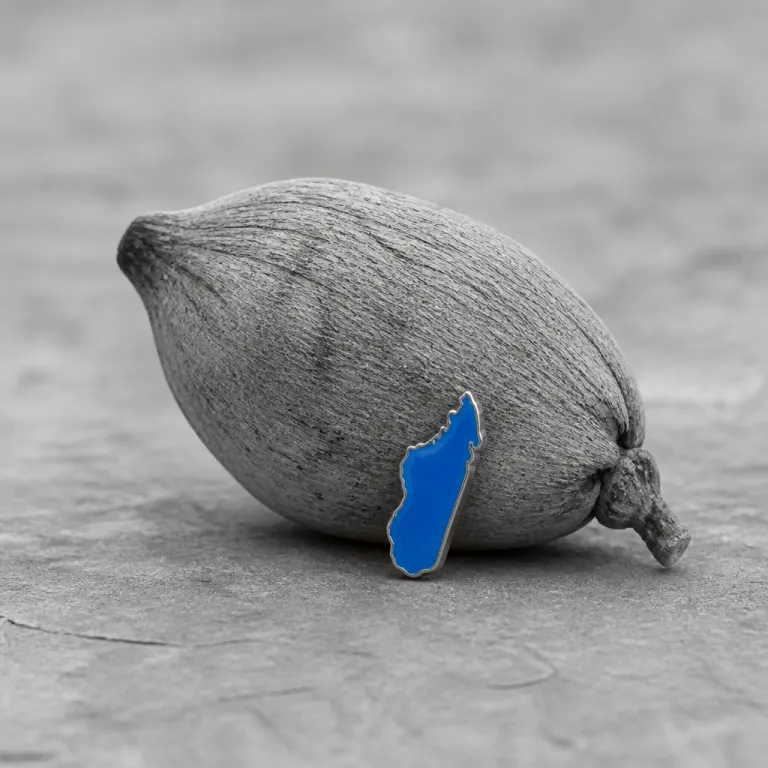
Section 1 – Madagascar where to go for a first nature focused trip
When travellers ask where to go in Madagascar for a first nature-focused trip, I start with scale. This island is larger than France, so each region offers a very different landscape and a distinct style of travel. Deciding which areas to visit first will shape your entire itinerary and the kind of wildlife you actually see.
Madagascar hosts an extraordinary concentration of endemic species. A 2023 World Wildlife Fund overview notes that more than 80% of its wildlife is found nowhere else on Earth, and a 2018 biodiversity assessment led by Malagasy and international researchers documented over 11,000 endemic plant species and thousands of endemic animals (WWF 2023; Goodman et al. 2018). Choosing the best region can feel overwhelming at the planning stage, so narrow it down by thinking about how much time you have, which national park ecosystems interest you most, and how comfortable you feel with long road trip days on sometimes rough tracks. Tourists, local guides and travel agencies now rely heavily on digital maps and online resources, so you can preview routes and parc national access before you commit.
Most visitors start their Madagascar travel in Antananarivo, then connect to a coast or a central plateau park. If you only have ten to twelve days, focus on one corridor such as Andasibe Mantadia and the east coast, or Isalo National Park and the south west, instead of trying to cross the island. With more time you can add a nosy archipelago, a remote reserve, or a side trip to the iconic Avenue of the Baobabs.
Planning your time and season
The best time to visit Madagascar for nature is the dry season from April to October. This period offers the best conditions for hiking in each national park, easier road conditions for a road trip, and more reliable whale watching off the east coast. During the wetter months, travel is still possible, but you must allow extra time to reach each place and remain flexible about which reserve you can safely access.
Think in blocks of two or three days per major park, especially when you want to see lemurs and other shy wildlife. A single day in a complex parc national such as Andasibe Mantadia or Ranomafana National Park rarely does justice to the range of species and habitats. When you plan your time to visit, remember that sunrise and early evening are the best windows for wildlife viewing, while midday is ideal for cultural visits in local villages.
For travellers who enjoy structured itineraries, local tour operators and travel agencies can arrange guided tours that link several national parks in one coherent trip. Independent visitors can combine self guided walks with mandatory local guide services inside each national park, which supports conservation and creates direct income for communities. Either way, your choices about where to go in Madagascar directly influence how your spending supports eco tourism growth and conservation efforts.
Section 2 – Andasibe Mantadia and the eastern rainforests
If you want your first Madagascar itinerary to combine rainforest and easy access, Andasibe Mantadia is the clearest reply. This national park complex lies only about 150 kilometres east of Antananarivo, so it fits even a short trip. The drive usually takes three to four hours by private vehicle along a paved road, which makes it one of the best options for first time visitors nervous about long or rough drives.
Andasibe Mantadia National Park is famous for its population of indri, the largest living lemurs with haunting calls that echo through the mist. Alongside the indri, you can see common brown lemurs, diademed sifakas, and a remarkable variety of chameleons and frog species in both the Andasibe and Mantadia National sectors. Night walks along the park edges reveal mouse lemurs and other nocturnal wildlife, turning even a simple day into a layered experience.
Plan at least two days here, ideally three, to explore both the Andasibe section and the more remote Mantadia National area. The Andasibe trails are shorter and more accessible, while Mantadia offers wilder forest, fewer people, and a higher chance of encountering rare species for patient visitors. Local guides are mandatory inside the parc national and their knowledge of where to find ring tailed mongoose, leaf tailed geckos and endemic birds is invaluable. Park entrance fees and guide services are paid on site; costs vary by route length but are typically modest by international standards, often in the range of €10–€20 per person for entrance and a similar amount per group for a half day guide.
Practical tips and safety in the eastern parks
Humidity in this part of Madagascar is high, so pack lightweight clothing that dries quickly and protect cameras from sudden rain. Leeches can appear on some trails during wetter months, but simple gaiters or long socks make them a minor inconvenience rather than a reason to skip a park. Respect local customs in nearby villages by asking before taking photos and dressing modestly away from the forest.
When you compare Andasibe Mantadia with other rainforest reserves such as Ranomafana National Park, the main difference is access. Ranomafana requires a longer road trip to the south, while Andasibe sits conveniently on the main road, which makes it easier to include even on a short visit Madagascar itinerary. For travellers used to planning complex nature journeys, this situation is similar to choosing a more accessible canyon over a remote one, as explained in this detailed guide to a spring trip that needs a plan B.
Tourists often ask about safety in these eastern parks, especially when walking at night to see wildlife. The official guidance remains clear: “Is Madagascar safe for tourists? Generally safe; exercise usual precautions.” Local guides accompany you on every night walk, and park regulations limit group sizes, which keeps the experience controlled and respectful of the animals. A simple on-the-ground habit is to keep a small headlamp and light rain jacket in your daypack so you are prepared if a dusk walk runs longer than expected.
Section 3 – Isalo National Park and the sculpted south west
When travellers picture where to go in Madagascar for desert like canyons and big skies, Isalo National Park usually tops the list. This sandstone massif in the south west offers a completely different landscape from the eastern rainforests, with eroded ridges, natural pools and sweeping savannah. The contrast between these ecosystems is one of the best things about a longer Madagascar travel itinerary.
Isalo National Park, often called simply Isalo, is ideal for multi day hikes that combine scenery and wildlife. While you will not see dense rainforest species here, you can encounter ring tailed lemurs around canyon oases, as well as Verreaux’s sifakas and numerous bird species. Many visitors choose an overnight trek with camping inside designated areas, which allows them to enjoy sunrise and sunset light on the rock formations.
Allow at least two days for Isalo National Park, especially if you want to explore both the popular canyons and quieter plateaus. Trails range from short half day walks to demanding full day circuits, so a local guide can tailor routes to your fitness and interests. During the dry season, temperatures can rise sharply by midday, which makes early starts the best time to hike. The road journey from Antananarivo to Isalo via the RN7 typically takes two long days of driving, so many itineraries break the trip with an overnight stop in the highlands; the segment from Antananarivo to Fianarantsoa often takes seven to eight hours, and Fianarantsoa to Isalo another six to seven hours the following day.
Linking Isalo with other southern highlights
Many itineraries combine Isalo National Park with the coastal town of Toliara and the nearby spiny forest reserves. This region offers some of the best options for travellers who enjoy both hiking and marine wildlife, since you can add snorkelling or seasonal whale watching further north. The road trip from Antananarivo to Isalo passes through highland villages and zebu markets, which gives a strong sense of the island’s cultural diversity.
Isalo National Park also pairs well with a visit to the Avenue of the Baobabs near Morondava, although this requires careful planning because road conditions vary. When you design such a trip, think of it as you would plan a multi region lake and mountain journey, similar in complexity to choosing where to go for unforgettable shores and trails. In both cases, the best time to move between regions depends on weather, daylight hours and your tolerance for long driving days.
Isalo National Park has a small but growing network of accommodations around the park entrance, ranging from simple guesthouses to comfortable lodges. Booking ahead is wise during the peak dry season, especially if your trip coincides with local holidays. As always in Madagascar, using local guides and services around Isalo helps ensure that tourism revenue supports conservation and community projects.
Section 4 – Western wonders : Tsingy, baobabs and remote reserves
For travellers asking where to go in Madagascar for dramatic geology, the answer is often the west. Here you find the Tsingy de Bemaraha National Park, the Avenue of the Baobabs, and several lesser known reserves that reward patient explorers. This region demands more time and flexibility, but the payoff in unique landscapes is immense.
Tsingy Bemaraha National Park, part of a larger Bemaraha National Reserve, is famous for its limestone pinnacles called tsingy. These razor sharp formations create a labyrinth of canyons, hanging bridges and viewpoints that feel unlike any other place on the island. Within this parc national, you can also encounter lemurs, including Decken’s sifakas and red fronted brown lemurs, along with many bird and reptile species.
Reaching Tsingy Bemaraha usually involves a combination of road trip segments and river crossings, so plan at least three to four days for the region. The best time to visit is during the dry season, when access roads are passable and park infrastructure is fully open. Local guides lead all routes inside the national park, from shorter circuits suitable for cautious travellers to more exposed via ferrata style passages for adventurous visitors. Entrance fees and obligatory guide costs are paid at the park office, and permits for certain circuits may be limited in number each day; popular routes such as the Grand Tsingy and Petit Tsingy often require advance reservation through an operator or a visit to the office the day before.
Avenue of the Baobabs and nearby wildlife
Most itineraries in western Madagascar include a sunset or sunrise stop at the Avenue of the Baobabs near Morondava. This iconic place, lined with towering Grandidier’s baobabs, is one of the best things for photographers and anyone who wants a classic island image. Plan to spend at least half a day in the area, allowing time to walk among the trees and visit nearby villages.
Several smaller reserves around Morondava protect dry forest habitats where you can see additional lemur species and endemic plants. While these sites may not carry the formal national park label, they play a crucial role in conserving wildlife corridors between larger protected areas. Visiting both the Avenue of the Baobabs and these reserves on the same day creates a balanced picture of the region’s ecological and cultural importance.
Because western routes can be confusing, many travellers rely on local guides and travel agencies to arrange logistics and permits. This is where digital planning tools and detailed travel guides become invaluable, much like using a specialised itinerary for a complex game world such as the one described in a travel journalist’s guide for players who do not know where to go. In both cases, expert guidance helps you decide where to focus limited time and how to move safely between remote areas.
Section 5 – Eastern islands : Nosy Be, Sainte Marie and marine wildlife
When the question shifts to where to go in Madagascar for beaches and marine life, the answer usually involves an island. Nosy Be in the north west and Sainte Marie, also known as Île Sainte Marie, off the east coast are the two most established choices. Each island offers a different balance of infrastructure, local culture and wildlife experiences.
Nosy Be serves as a hub for a cluster of smaller nosy islets, many of which host marine reserves and excellent snorkelling sites. Day trips from the main island can include coral reef snorkelling, visits to ylang ylang plantations, and encounters with lemurs in small forest reserves. The best time to visit Nosy Be for clear water often falls slightly outside the peak rainy months, so check recent conditions when planning your trip.
On the opposite side of Madagascar, Sainte Marie and the surrounding Île Sainte Marie archipelago are renowned for seasonal whale watching. From roughly mid winter to early spring, humpback whales migrate through these waters, and regulated boat trips allow close but respectful viewing. Combining a few days of whale watching with visits to local villages and coastal forests makes this island one of the best things for travellers who value both wildlife and culture.
Choosing between Nosy Be and Sainte Marie
Nosy Be generally offers more flight connections, a wider range of accommodations, and easier access to multiple marine reserves. It suits travellers who want a relaxed end to a longer Madagascar travel itinerary, perhaps after hiking in a national park such as Isalo or Andasibe Mantadia. Sainte Marie, by contrast, feels quieter and more linear, with one main road and a strong sense of local life along the coast.
If whale watching is your priority, Sainte Marie and Île Sainte Marie are the clear choice during the migration season. For those more interested in reef snorkelling, island hopping and sunset cruises, Nosy Be and its surrounding nosy islets may be the better fit. In both cases, plan at least three full days on the island to allow for weather changes and to avoid rushing between activities.
Remember that even on these islands, local guides and community run reserves play a central role in protecting marine and coastal species. Choosing operators who follow national guidelines on wildlife viewing helps ensure that your visit supports conservation rather than harming fragile ecosystems. As eco tourism grows, these practices become some of the most important things Madagascar can promote to balance travel and preservation.
Section 6 – Ranomafana, lesser known reserves and practical travel advice
Beyond the headline parks, deciding where to go in Madagascar often leads to a discussion of Ranomafana National Park and smaller reserves. Ranomafana National Park in the south east protects montane rainforest and hot springs, and it is one of the best places to see rare lemur species such as the golden bamboo lemur. The park’s steep trails and dense vegetation reward visitors who are willing to spend more than a single day exploring.
Ranomafana National Park works well in combination with Isalo National Park or Andasibe Mantadia, forming a triangle of very different ecosystems. The road trip between these parks passes through highland rice terraces and local markets, offering insight into daily life beyond the reserves. Because distances are long, plan generous time to visit each park rather than trying to tick off too many sites.
Smaller reserves across Madagascar, some community managed and others designated as national or regional protected areas, offer intimate wildlife encounters. In these places, you may see ring tailed lemurs at close range, observe chameleons hunting at night, or learn about medicinal plants from local guides. Visiting both famous parks and modest reserves is one of the best things Madagascar travellers can do to spread tourism benefits.
Health, logistics and ethical choices
Before any trip to Madagascar, check visa requirements, recommended vaccinations and current health advice from reliable medical sources. The official guidance summarises key points clearly: “Do I need a visa for Madagascar? Yes, most travelers require a visa.” and “Are vaccinations required for Madagascar? Recommended: Hepatitis A, Typhoid, Yellow Fever for travellers arriving from countries where the disease is present.” Yellow Fever vaccination is not required for visitors arriving directly from non risk countries.
Most visitors move around the island using a mix of domestic flights, private vehicles with drivers, and occasionally shared taxis for shorter segments. Hiring a driver for a multi day road trip between national parks can be more efficient than relying on public transport, especially when your time to visit is limited. Always build buffer days into your itinerary, because weather, road conditions and local events can affect travel times; for example, a domestic flight between Antananarivo and Nosy Be might take only one hour in the air but still consume half a day once transfers and check in are included.
Ethical travel choices matter in a country where conservation and community livelihoods are closely linked. Choose national park visits that include local guides, support lodges and guesthouses that employ nearby residents, and respect park rules on wildlife viewing distances. By aligning your Madagascar travel decisions with conservation goals, you help ensure that future tourists can still ask where to go and find thriving wildlife and welcoming communities.
Key statistics about Madagascar travel and nature
- Madagascar hosts an exceptionally high level of endemism. A 2018 synthesis by Malagasy and international scientists recorded more than 11,000 endemic plant species and thousands of endemic animal species, and WWF estimates that over 80% of the island’s wildlife is found nowhere else on Earth (Goodman et al. 2018; WWF 2023).
- Around 300,000 to 400,000 tourists visited Madagascar annually in the years immediately before 2020, according to World Bank and national tourism data, which is relatively low compared with many other destinations and helps keep many parks uncrowded.
- The best time to visit Madagascar for most national park activities is the dry season from April to October, when rainfall is lower and road conditions are more reliable for long distance travel.
- Whale watching around Sainte Marie and Île Sainte Marie typically peaks over several winter months, when humpback whales migrate through the area to breed and give birth.
- Guided tourism in national parks and reserves provides a significant source of income for local guides and communities, reinforcing the link between conservation and sustainable travel.
FAQ about where to go in Madagascar for nature and parks
What is the best time to visit Madagascar for national parks ?
The most comfortable period for visiting Madagascar’s national parks is from April to October, when the weather is generally drier and cooler. Trails are less muddy, river levels are lower, and road access to remote reserves such as Tsingy Bemaraha is more reliable. Wildlife viewing is also excellent during these months, especially for lemurs and birds, although November and March can still work for flexible travellers willing to accept some rain.
Do I need a visa to visit Madagascar ?
Most international tourists require a visa to enter Madagascar, whether they arrive for a short holiday or a longer trip. Tourist visas are usually available on arrival at major airports for stays of up to 30 or 60 days on payment of a fee, and can sometimes be arranged in advance through consulates. Always check the latest regulations with official Malagasy authorities before you travel, as fees and permitted lengths of stay can change.
Is Madagascar safe for tourists who visit parks and reserves ?
Madagascar is generally safe for tourists who exercise normal precautions and follow local advice. In national parks and reserves, visitors must be accompanied by licensed local guides, which adds an extra layer of security and orientation. As in any country, keep valuables secure, avoid isolated urban areas at night, and follow park regulations; in remote regions, travel during daylight and ask your accommodation or driver about current local conditions.
Which national parks are best for first time visitors ?
Andasibe Mantadia National Park is often recommended for first time visitors because it is relatively close to Antananarivo and offers excellent lemur viewing. Isalo National Park is another strong choice for those who enjoy hiking through canyon landscapes and natural pools. Travellers with more time can add Ranomafana National Park for rainforest species and hot springs, or a western extension to Tsingy Bemaraha for adventurous hiking among limestone pinnacles.
How many days should I plan for a Madagascar nature trip ?
A focused nature trip to Madagascar usually requires at least ten to fourteen days to include two or three major parks without rushing. This allows time for travel between regions, full day hikes, and occasional rest days. If you want to combine mainland parks with an island such as Nosy Be or Sainte Marie, consider extending your stay to three weeks so that internal travel days and possible delays do not cut into your time in each reserve.