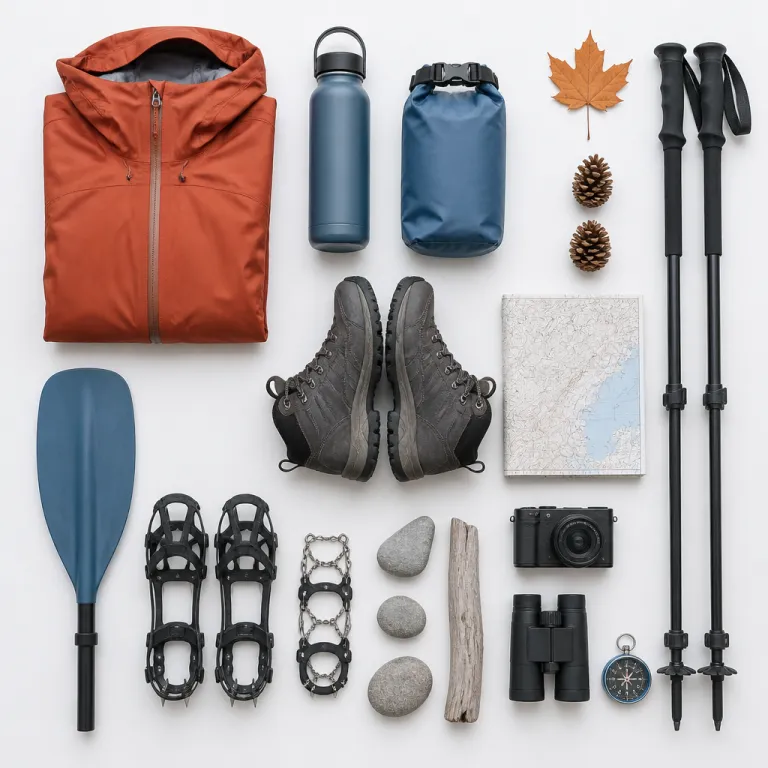
Understanding where to go in Lake Tahoe by season
Choosing where to go in Lake Tahoe starts with choosing your season. The best time for you depends on whether you dream of deep snow for ski days or clear water for long swims in the lake. As the Lake Tahoe Visitors Authority explains, “It depends on activities: summer for hiking and beaches; winter for skiing and snowboarding” (Lake Tahoe Visitors Authority, 2023).
In summer, Lake Tahoe feels like a vast alpine lake resort, with water temperatures inviting enough for quick dips and long paddles. Plan at least one full day on the shore to enjoy classic warm-weather activities such as kayaking, stand up paddleboarding, and relaxed picnics on the beach. Many travelers say the best things about a Tahoe summer are the extended daylight hours, when lake views glow golden and the air stays warm well into the evening, especially in late June and early July.
When Tahoe winter arrives, the region transforms into a world-class ski and snowboard destination. Snow can pile several feet deep on the higher slopes, creating ideal conditions for winter activities from downhill ski runs to snowshoeing through quiet forests. If you want to visit Lake Tahoe mainly for snow, aim for mid-season (typically January through early March) when most lifts are open and the mountain roads are usually well maintained, but always check current chain requirements and road status with state transportation departments before you drive.
Spring and autumn are quieter yet still rewarding times to visit Lake Tahoe. You will find fewer crowds on every trail, better value on accommodation, and a calmer atmosphere in both North Lake and South Lake towns. These shoulder seasons suit travelers who want to explore more of the lake by car, stopping at viewpoints and beaches without worrying as much about parking or heavy traffic, though some seasonal services and boat tours may operate on reduced schedules.
Whichever season you choose, check weather conditions before you go and build some flexibility into your schedule. A clear Tahoe July day can turn windy on the water, while a sunny Tahoe winter morning may bring fresh snow by afternoon. Allow time for slow driving around the lake, photo stops at scenic pullouts, and spontaneous detours to hidden coves or quiet forest paths so you can adjust plans if conditions change.
South shore highlights: where to go in Lake Tahoe for lively energy
If you want nightlife, dining variety, and easy logistics, the south shore is usually the best base. South Lake Tahoe straddles the California and Nevada border, combining a compact city-style core with quick access to beaches, trails, and ski areas. This is also the part of Lake Tahoe that many visitors reach first when driving in from San Francisco or from the nearest international airport in Reno, which shapes how busy it feels on peak weekends.
In summer, some of the best things to do on the south shore revolve around the water. You can spend a full day on a sandy beach, rent kayaks to explore the shoreline, or join a boat cruise that showcases wide-open lake views framed by granite peaks. Families appreciate how many things Lake Tahoe offers in one compact area here, from casual lakefront cafés to rental shops that organize safe water activities for all ages, often with life jackets and basic instruction included.
In Tahoe winter, South Lake Tahoe becomes a hub for ski and snowboard enthusiasts. Several major ski resorts sit within a short drive, offering terrain for beginners and experts, plus winter activities such as tubing hills and scenic gondola rides. If you are planning a family fun trip, staying near the city center lets non-skiers enjoy shopping and dining while others spend the day on the snow, and it shortens the drive to evening events or après-ski spots.
Emerald Bay State Park is the signature south shore landmark and a key answer to where to go in Lake Tahoe for iconic scenery. From the main viewpoint high above Emerald Bay, you look down on deep blue water, forested slopes, and the small island in the middle of the bay. Arrive early in the day during Tahoe summer or Tahoe July weekends, because parking fills quickly and the narrow road can feel busy; day-use parking typically requires a paid ticket in the range of US$5–10 per vehicle during staffed hours (California State Parks, 2023).
Several short trails around Emerald Bay allow you to explore on foot and reach the shoreline. One popular trail descends from the parking area to the historic lakeside estate, taking most visitors 30–45 minutes each way and giving you a different angle on the bay and the surrounding lake views. A local ranger once summed it up simply: “Walk down for the history, hike back up for the views.” If you enjoy planning early-season, national-park-style trips, resources that explain what early season visitors should know for mountain destinations can help you prepare for similar conditions around Emerald Bay and other high-elevation roads, where snow patches and icy sections may linger.
North shore calm: where to go in Lake Tahoe for quieter charm
Travelers who prefer a slower pace often find the north shore more appealing. North Lake Tahoe stretches from Tahoe City along the California side to Incline Village on the Nevada side, with small communities and forested slopes above the water. Compared with the south shore city atmosphere, the north feels more residential, with fewer casinos and a stronger focus on outdoor activities and lakeside relaxation.
In summer, North Lake beaches such as Kings Beach and Commons Beach in Tahoe City offer relaxed spaces for swimming, paddling, and lakeside picnics. The water here is the same clear blue as anywhere on Lake Tahoe, but the mood is often calmer, especially on weekdays outside peak Tahoe July dates. If you are deciding where to go in Lake Tahoe for family fun with younger children, these gently sloping beaches and nearby playgrounds work very well, and basic facilities such as restrooms and picnic tables make logistics easier.
Sand Harbor on the Nevada side is one of the most photogenic places on the entire lake. Smooth granite boulders, shallow turquoise water, and wide lake views make it a favorite for photographers and stand up paddleboarders. To enjoy Sand Harbor at its best, arrive early in the day or use shuttle options when available, because parking lots can close once they reach capacity in peak Tahoe summer; Nevada State Parks typically charge a per-vehicle day-use fee in the range of US$10–15 during opening hours, with slightly higher prices for out-of-state vehicles (Nevada State Parks, 2023).
Just north of Sand Harbor, Bonsai Rock has become a famous viewpoint for sunset and night sky photography. The small rock formation with a few hardy trees rising from the water sits only a short walk from the highway, but the path is steep and rocky underfoot. Wear sturdy shoes, watch your footing on the loose stones, and remember that the scramble back up feels longer at the end of the day, especially if you stay to watch the last light fade behind the mountains.
In Tahoe winter, North Lake resorts such as Northstar and Palisades Tahoe offer extensive ski terrain and varied winter activities. Cross-country ski centers and snowshoe trails wind through forests above the lake, giving you quiet snow experiences far from the lifts. If you enjoy combining mountain trips with other nature-focused journeys, you might pair a North Lake Tahoe stay with a later visit to unforgettable parks and canyons in the American Southwest, planning your route carefully to match seasons and road conditions so you avoid major storms on high passes.
Iconic viewpoints and trails: where to go in Lake Tahoe for landscapes
For many visitors, the most memorable answer to where to go in Lake Tahoe is simple: the viewpoints and trails that reveal its scale. The lake covers about 191 square miles, so you will never see it all in one day, but you can choose a few strategic stops (U.S. Geological Survey, 2022). Aim for a mix of high-elevation lookouts, shoreline paths, and forest trails that suit your fitness level and available time.
On the south shore, the trail network above Emerald Bay includes short walks and longer hikes with sustained climbs. Even a modest trail of a few kilometers can gain several hundred feet in elevation, so carry water and pace yourself. In winter, some of these paths become snowshoe routes, and you should treat them as serious winter activities with proper footwear, layers, and awareness of early darkness, especially on north-facing slopes.
Around North Lake, the Tahoe Rim Trail offers sections with sweeping lake views and varied terrain. You do not need to hike the full rim to enjoy it; instead, choose a half-day segment that starts near a trailhead accessible by car, such as the popular access near Tahoe City. Always check current trail conditions with local visitor centers or online resources, because snow can linger on shaded slopes well into early summer and may obscure route markers.
Along the east shore, several short paths lead down to coves and rocky points. Secret Cove is one of the most talked-about spots, known for its clear water, smooth boulders, and relatively secluded feel outside peak weekends. The descent involves a maintained trail but also some uneven sections, so good shoes and a willingness to climb back up several hundred feet are essential, and parking is limited to marked roadside pullouts where regulations allow.
When planning your route between these viewpoints, consider using strategies that experienced travelers apply in other mountain regions, such as the thirty-minute rule for staying in a nearby town with easier parking and access. This approach can reduce driving stress around Lake Tahoe while still keeping you close to the best things you want to see. It also helps you adapt quickly if weather changes, letting you shift from a high ridge trail to a lower forest walk or a sheltered beach in the same day without feeling rushed.
Beaches and water days: where to go in Lake Tahoe for shoreline time
Lake Tahoe’s beaches are not tropical, yet they offer some of the clearest freshwater swimming in North America. The combination of granite boulders, pine forests, and transparent water creates a distinctive alpine beach atmosphere. If you plan your day carefully, you can enjoy both relaxed sunbathing and active water sports without rushing or constantly moving your gear.
On the south shore, popular beaches near South Lake Tahoe provide easy access to rentals and cafés. These areas are ideal if you want to mix water activities with quick breaks in the city for meals or shopping. Families often choose these beaches for their gentle slopes, lifeguard presence in peak season, and nearby parking, which makes carrying gear and keeping track of children simpler, especially on busy Tahoe July afternoons.
North Lake and the east shore offer more rugged and photogenic shoreline options. Sand Harbor combines sandy stretches with rock formations, making it one of the best things to include on any Tahoe summer itinerary. Secret Cove and nearby small coves feel wilder, with fewer facilities but extraordinary water clarity and intimate lake views that reward the effort of the walk in, particularly early in the morning before most visitors arrive.
Water temperatures in Lake Tahoe stay cool even in Tahoe July, so many visitors prefer short swims followed by time on warm rocks or the beach. If you are sensitive to cold, consider a wetsuit for longer paddles or open-water swims, especially early or late in the season. Always respect posted safety signs, as sudden depth changes and cold water can surprise even strong swimmers and paddlers who are used to lower-elevation lakes.
For those asking where to go in Lake Tahoe for non-motorized water activities, look for rental shops that offer kayaks, paddleboards, and small sailboats. Calm mornings are usually the best time for paddling, before afternoon winds create choppier water and more boat traffic. Remember that the lake sits over 1,800 meters above sea level, so protect yourself from strong sun with hats, sunscreen, and regular breaks in the shade, and drink water frequently to avoid mild altitude effects (regional tourism data, 2022).
Practical planning: how to structure your Lake Tahoe trip
Thoughtful planning turns a good Lake Tahoe visit into an exceptional one. Start by deciding how many days you can spend and whether you prefer to focus on one shore or circle the entire lake. With limited time, it is usually better to choose either south shore energy or north shore calm rather than trying to do everything and spending most of your trip in the car.
Most visitors arrive by car, either driving from San Francisco or flying into Reno-Tahoe International Airport and renting a vehicle. The drive from San Francisco to South Lake Tahoe typically takes around four hours in light traffic, but weekend and holiday congestion can add significant time (state transportation departments, 2023). If you land at the international airport in Reno, expect about an hour’s drive to North Lake or slightly longer to the south shore, depending on road conditions and winter weather.
Once you are in the region, you can use a mix of driving, public transportation, biking, and walking to reach different parts of the lake. Public buses connect major hubs, but a car remains the most flexible option for reaching trailheads, smaller beaches, and viewpoints such as Bonsai Rock or Secret Cove. Always check parking regulations and respect local rules, as some roadside areas prohibit stopping to protect safety and the environment, and fines can be substantial.
For families, planning specific family fun days helps balance energy levels and expectations. You might dedicate one full day to ski or snowboard activities in Tahoe winter, then follow with a lighter day of snow play, short walks, and warm cafés. In summer, alternate more demanding hikes with relaxed beach days, allowing everyone to adapt to the altitude and avoid fatigue, especially on the first full day after arrival.
Finally, remember that Lake Tahoe is a major tourist destination that welcomes around 15 million visitors annually, so booking accommodation in advance is wise in peak periods (Lake Tahoe Visitors Authority, 2023). Use interactive online maps and local guides from organizations such as the Lake Tahoe Visitors Authority to refine your choices of where to go in Lake Tahoe for your interests. By aligning your plans with the seasons, your preferred shore, and realistic driving times, you give yourself the best chance of a smooth, rewarding trip.
Key statistics about Lake Tahoe travel
- Lake Tahoe covers approximately 191 square miles, making it one of the largest alpine lakes in North America and allowing for very different experiences between North Lake, South Lake, and the east shore (U.S. Geological Survey, 2022).
- The region receives around 15 million visitors each year, so travelers who want quieter trails and beaches should consider shoulder seasons outside peak Tahoe July and major winter holidays (Lake Tahoe Visitors Authority, 2023).
- Elevation around the lake averages over 1,800 meters above sea level, which means cooler water temperatures in summer and significant snow accumulation in Tahoe winter, affecting both activities and driving conditions (regional tourism data, 2022).
- Driving from San Francisco to south shore Lake Tahoe covers roughly 300 kilometers, while the route from Reno-Tahoe International Airport to the lake is about 60 to 80 kilometers, influencing which shore many visitors choose first (state transportation departments, 2023).
- Seasonal patterns show that summer brings the highest concentration of beach and water activity, while winter sees peak demand for ski and snowboard trips, aligning with the common advice that the best time to visit depends on your preferred activities (Lake Tahoe tourism surveys, 2022).
FAQ: planning where to go in Lake Tahoe
What is the best time to visit Lake Tahoe ?
The best time to visit Lake Tahoe depends on your preferred activities. Summer suits travelers who want hiking, beaches, and long days on the water, while Tahoe winter is ideal for ski, snowboard, and other snow-based activities. Spring and autumn offer fewer crowds and milder conditions, but some high-elevation trails and roads may remain partly snow covered, especially after late storms.
Is Lake Tahoe suitable for family vacations ?
Lake Tahoe is very suitable for family vacations, with options on both the south shore and north shore. Families can enjoy gentle beaches, beginner-friendly ski slopes, short trails, and organized family fun activities such as tubing hills or boat cruises. Choosing accommodation close to your main interests reduces driving time and makes it easier to adapt plans for different ages, nap schedules, and changing weather.
Are there entrance fees for Lake Tahoe attractions ?
Many viewpoints and roadside stops around Lake Tahoe are free, but some parks and managed beaches charge entrance or parking fees. Emerald Bay State Park, Sand Harbor, and certain day-use areas typically require a modest fee that supports maintenance and facilities. Always check current information from official park websites or visitor centers before your trip, as prices and payment methods can change from season to season.
How can I get around Lake Tahoe without a car ?
It is possible to visit Lake Tahoe without a car, but you will need to plan carefully. Public buses connect major hubs such as South Lake Tahoe, Tahoe City, and some ski resorts, and in peak seasons shuttle services may run to popular beaches like Sand Harbor. Walking and biking work well within compact areas, yet reaching remote trailheads or coves such as Secret Cove usually remains easier with a vehicle, especially if you are carrying gear.
Are there safety concerns when visiting Lake Tahoe ?
Lake Tahoe is generally safe, but visitors should respect mountain and water environments. In winter, carry chains when required, drive cautiously on snowy roads, and dress properly for cold and changing weather. In summer, protect yourself from strong sun at altitude, be cautious in cold deep water, stay on marked trails, and follow local regulations to help preserve this fragile lake ecosystem and reduce wildfire risk.