What “warm enough” really means for winter sun within reach
When travelers talk about winter sun destinations within short-haul range of Europe, they rarely mean lying motionless on a scorching beach. They usually want a place warm enough for coffee outside at midday, a light jacket for a city walk, and perhaps a quick dip if the sun lingers. In much of Europe, winter brings grey skies and short days, so the aim is to trade damp cold for dry air, softer light, and temperatures that let you keep moving.
Think in ranges rather than fantasies of high summer, because the most comfortable nearby winter sun spots usually mean daytime highs around 16 to 23 °C. According to Spain’s AEMET climate data for 1991–2020, the Canary Islands sit near the top of that scale, with Tenerife South and Gran Canaria often reaching about 21 to 22 °C in January, while Madeira hovers near 19 °C and coastal Cyprus and Malta sit in the mid teens. These temperatures are ideal for walking along beaches, exploring an old city, or taking a day trip into the hills without overheating.
“The Canary Islands are Europe’s most reliably warm area during winter.” That single line explains why so many people searching for short-haul winter sun in Europe end up on these Atlantic islands instead of chasing long-haul flights. Mediterranean regions such as southern Spain, southern Italy, and the Algarve in Portugal feel milder rather than hot, with blue-sky days that suit café terraces more than long beach sessions. For a curious traveler, that balance between warm weather and real life in the streets is often the best winter trade-off.
Atlantic anchors: Canary Islands and Madeira for reliable warmth
If you want a sun destination that behaves almost like a year-round spring, the Canary Islands are the most reliable choice in a European winter. On Tenerife and Gran Canaria, average daytime temperatures in January sit around 21 to 22 °C (AEMET 1991–2020 normals), which makes these islands feel like early summer while your home city shivers. Sea temperatures can stay close to 19 or 20 °C in midwinter, based on NOAA long-term Atlantic records, so swimming is realistic on calmer days, especially on sheltered beaches with darker volcanic sand.
Gran Canaria works well as a base for a longer trip, because you can pair beautiful beaches in the south with cooler hiking days in the mountainous interior. A short day trip from Las Palmas takes you from the city’s Las Canteras beach to pine forests and viewpoints above the clouds, which is a rare combination among Europe’s easy-to-reach winter sun options. Tenerife offers a similar contrast, where you can visit black sand coves in the morning and then drive up towards Teide National Park for crisp air, high-altitude trails, and big-sky panoramas in the afternoon.
Madeira, further north, trades a couple of degrees of warmth for lush scenery and quieter tourism, yet it still counts among the best short-haul winter escapes in Europe for walkers. With winter highs around 19 to 20 °C (Portuguese IPMA climate averages), you can follow levada trails through laurel forests, eat outside in Funchal’s old town, and watch the Atlantic crash against basalt cliffs. If you are planning a March vacation and want to stretch the season, this kind of soft, green Atlantic climate is exactly what long-form guides about elegant ideas for where to go on a March vacation tend to highlight, because it bridges winter months and early spring so gracefully.
Mediterranean light: Cyprus, Malta, Algarve and Cádiz
Move east into the Mediterranean and the character of short-haul winter sun in Europe changes, becoming less about heat and more about light. Cyprus and Malta usually see winter daytime temperatures in the mid to high teens, which feels gentle rather than hot but still lets you sit outside for lunch on sheltered city squares. The UK Met Office and Cyprus Department of Meteorology both show January averages around 15 to 17 °C on the coast, which is why locals talk more about “good sun” than “beach weather.”
On Cyprus, coastal cities such as Paphos and Limassol make strong bases for a winter break that mixes archaeology, wine villages, and sea views. You can visit ancient sites in cool air, then drive into the Troodos Mountains for a day trip through stone-built villages, before returning to the coast for a sunset walk along the beach promenade. Malta offers a different rhythm, with Valletta’s honey-colored streets, harborside cafés, and easy ferries to quieter islands that feel far removed from the crowded summer days that popular tourist brochures tend to show.
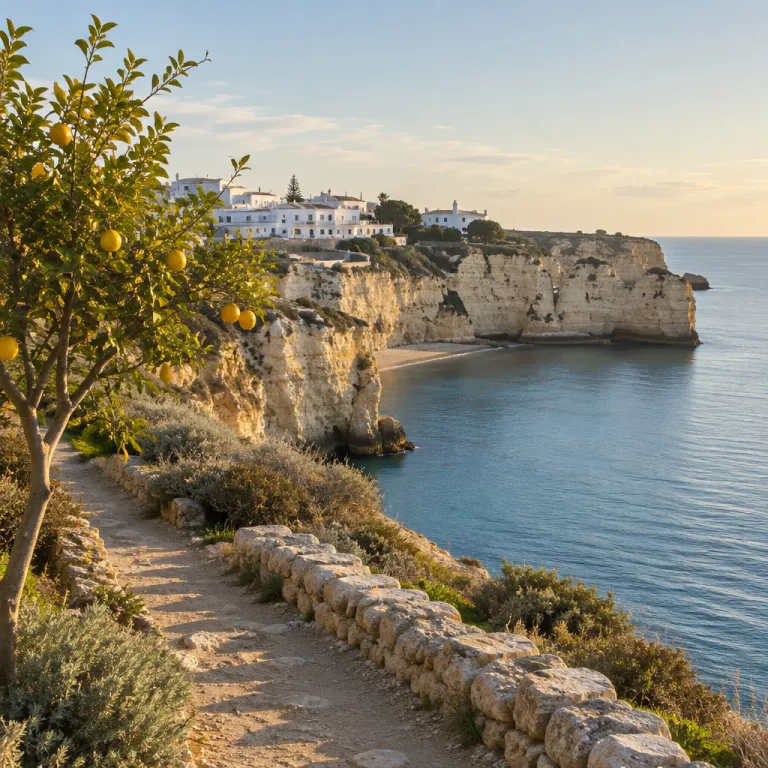
Further west, the Algarve in Portugal and the Cádiz coast in southern Spain are classic choices when travelers want softer winter months. Expect highs around 16 to 18 °C, bright skies, and long, empty beaches where you share the sand mainly with dog walkers and surfers. Climate shifts are already stretching shoulder seasons, and thoughtful travelers are paying attention to how “the season that moved” is changing when you should travel, a theme explored in depth in this analysis of how a warming climate is rewriting travel timing.
Slow travel, short flights: how to use winter sun bases well
Short-haul winter sun in Europe works best when you treat these places as lived-in bases, not sealed-off resorts. A compact city like Málaga, for example, gives you a mild winter climate, a working port, and easy access to both beaches and hill towns, all within a few days of unhurried wandering. Seville, slightly inland, offers one of the best winter city break options, with orange trees in the streets, bright blue skies, and far fewer crowds in its most popular places.
Wherever you go, plan around daylight as much as temperatures, because winter months mean shorter days even in the sunniest southern regions. Use the brightest hours for walking, whether that is along the waterfront in southern Italy, through the old town of a Canary Islands city, or on a coastal trail in the Algarve, then retreat to a simple hotel or guesthouse once the evening chill arrives. Pack layers, including a warm sweater and a windproof jacket, since nights can drop sharply even after warm-weather afternoons.
Independent travelers increasingly pair these winter sun bases with rail journeys, choosing to cut one flight and add an overnight train where possible. If you are curious about how rail is evolving, look at this deep dive into why the overnight train is winning on comfort, not just carbon, then consider arriving in a southern European city by train before hopping a short flight to your chosen island. The reward is a winter trip that feels proportionate: less time in transit, more time to visit markets, walk real neighborhoods, and sit on beautiful beaches that belong to locals again once the high season has gone.
FAQ: planning winter sun within reach in Europe
Which European spot is warmest in mid winter ?
The Canary Islands are the warmest reliably mild area in a European winter, with average daytime highs around 21 to 22 °C in January and plenty of sunshine (AEMET 1991–2020). That makes islands such as Tenerife and Gran Canaria some of the best short-haul winter sun choices travelers can reach without long-haul flights. For consistently warm weather, they outperform most Mediterranean destinations, which stay pleasant but cooler.
Can you swim during the winter months in Europe ?
Sea swimming is realistic in the Canary Islands and sometimes in Madeira, where winter sea temperatures can stay near 19 to 20 °C on calmer days, according to long-term Atlantic records from NOAA and regional marine institutes. In places such as Cyprus, Malta, southern Italy, and the Algarve, hardy swimmers may still take a quick dip, but most people treat the beach as a walking and sunbathing space rather than a swimming spot. Think of these destinations as offering winter sun and beautiful beaches for strolling, not full summer heat.
Are Mediterranean winters sunny enough for a city break ?
Mediterranean cities like Málaga, Seville, Valletta, and coastal towns in southern Italy often enjoy clear skies and gentle temperatures in winter. Daytime highs usually sit between 15 and 18 °C, which is ideal for a relaxed city break focused on food, museums, and waterfront walks. These places are popular tourist hubs in summer, but in winter months you get more space, lower prices, and a calmer rhythm.
What should I pack for winter sun destinations short haul Europe ?
Pack light layers that you can adjust as temperatures shift from cool mornings to warm afternoons and back to chilly evenings. A windproof jacket, a warm sweater, and comfortable walking shoes matter more than beachwear, even if you plan to visit beaches or beautiful coastal paths. In every sun destination mentioned here, you will spend more time exploring cities and landscapes than lying still, so prioritize clothes that work for movement.
Why choose short haul winter sun instead of long haul resorts ?
Short-haul winter sun destinations in Europe cut travel time and carbon impact while still giving you real warmth, especially on islands like the Canary Islands and Madeira. You land in functioning cities and towns rather than isolated compounds, which means better local food, more authentic places, and the freedom to improvise day trips. For many independent travelers, that mix of warm weather, cultural depth, and flexibility is the best winter way to reset without flying halfway around the world.