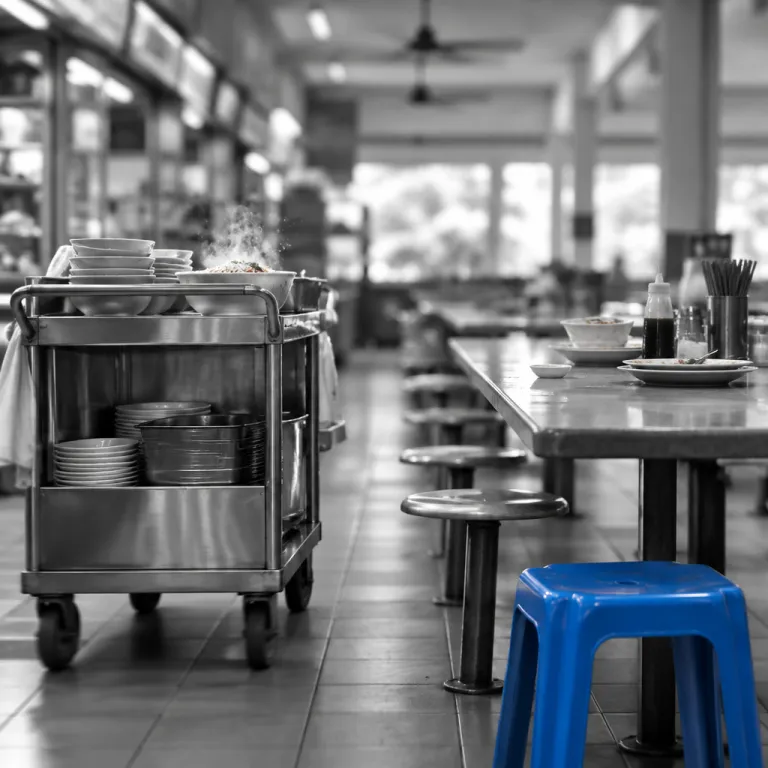
Singapore hawker culture food travel as cultural travel at its peak
Singapore hawker culture food travel sits at the heart of why the city ranks among the best destinations for cultural travel. When global surveys place Singapore first for cultural travel, they are recognizing a layered mix of culinary heritage, meticulous architecture, and a dense network of local artistic traditions that all converge around the table. To understand why Singapore food matters so much, you need to sit at a plastic stool in a hawker centre and watch how the city eats together.
In these open air hawker centres and enclosed hawker centers, the food is only the starting point for understanding the culture. A single hawker centre or food centre can host dozens of stalls, each one run by a family that has repeated the same motions over thousands of mornings, shaping a living food culture rather than a museum piece. This is where Singapore hawker food becomes a social glue, turning everyday travel into a form of quiet cultural immersion.
For a traveler, the best singapore experiences rarely happen in a fine dining room ; they unfold at a shared table where strangers swap tips on the best chicken rice or the smokiest char kway teow. Singapore hawker culture food travel means learning to read the queues, decode the laminated signs, and understand why one hawker center feels different from another even when the dishes look similar. If you approach each hawker centre as both a dining room and a neighborhood guide, the city’s food scene starts to map itself in your mind.
UNESCO recognition and what hawker tables really preserve
When UNESCO recognized Singapore’s hawker culture, it was not only honoring recipes but also the social choreography of the hawker centre. The listing protects a way of life in which affordable street food, shared tables, and multiracial cooking traditions coexist in the same open hall. At a busy hawker center during lunch, you see how this culture functions as a daily ritual rather than a staged performance for travel photography.
Every hawker, from the Hainanese chicken rice specialist to the char kway teow master, contributes to a collective culinary archive that is constantly updated yet deeply conservative about flavor. The hawker centres and hawker centers are where Malay nasi dishes, Indian rice and curry, and Chinese noodle bowls sit side by side, reflecting a food scene that mirrors the country’s demographic mosaic. This is why a thoughtful food tour that focuses on hawker food can feel like a walking seminar in Singapore’s history and politics, not just a sequence of snacks.
UNESCO status also underlines how hawker culture keeps public space genuinely public, because anyone can sit at a hawker centre table as long as they buy a plate of food singapore residents consider everyday fare. No cooking class or curated food tour, even those that promise deep cultural immersion, can fully replicate the unfiltered mix of languages, ages, and incomes you encounter at a hawker center table. If you want more context on how food experiences can move beyond performance, read about food experiences that actually teach you something about a place before you plan your own Singapore hawker culture food travel route.
From chicken rice to char kway teow: eating across the hawker map
Planning Singapore hawker culture food travel means thinking in terms of specific hawker centres and neighborhoods rather than a generic list of famous dishes. Start with a classic Hainanese chicken rice stall in a central hawker centre, then follow the scent of smoke to a char kway teow stall where the noodles hiss in pork fat and dark soy. By the time you have crossed a few centers in one day, you will realize that the same named dishes can taste radically different depending on the hawker and the micro culture of each food centre.
In Chinatown, the sprawling Chinatown Complex Food Centre is a crucial stop, not only for its legendary hawker food but also for the way it compresses generations of migration into one building. Here, you can compare one plate of chicken rice with another, then move on to silky kway teow soup, Teochew braised dishes, and herbal broths that speak to older waves of settlement. The surrounding chinatown streets add another layer, where incense from temples mixes with the aroma of street food and the chatter of both local elders and curious travel enthusiasts.
Elsewhere, a hawker center in a residential estate might serve the best singapore breakfast you eat, even if no guide has ever listed it. This is where a self guided food tour can be more rewarding than a packaged tour, because you can linger at a stall that intrigues you or follow a tip from a local auntie without a timetable. For travelers who enjoy building trips around food, resources on hands on food experiences worth building a trip around can help you apply the same mindset to Singapore hawker culture food travel.
Generational succession, economics, and the future of hawker food
Behind the comforting routine of a hawker centre lies a sharper question about who will cook tomorrow’s chicken rice and char kway teow. Many veteran hawkers are aging, and the long hours, rising costs, and modest margins of hawker food make it difficult to persuade younger Singaporeans to take over the stalls. When you stand in line at a beloved hawker center, you are also standing at the edge of a generational transition that will shape the future of Singapore food culture.
Economically, hawker centres and hawker centers keep the cost of street food low enough that office workers, students, and retirees can all eat well without turning every meal into a luxury purchase. The government manages many hawker centre rentals and regulations, trying to balance affordability for hawkers with the need to maintain hygiene and infrastructure in each centre. Yet even with support, the pressure of rent, ingredient prices, and competition from malls means that some stalls close quietly, taking their particular versions of rice dishes or noodle recipes with them.
For travelers, this makes Singapore hawker culture food travel both a pleasure and a responsibility, because your dollars help sustain the stalls you choose to support. Choosing a family run hawker stall over an interchangeable chain restaurant keeps money circulating in the local food scene and signals that there is still demand for traditional hawker food. When you plan your travel days, consider building in time to return to the same hawker centre more than once, so your relationship with the food and the people behind it deepens beyond a single quick meal.
How to eat like a local at Singapore’s hawker tables
To make the most of Singapore hawker culture food travel, you need to learn the unspoken rules of the hawker centre. First, table sharing is normal, so do not hesitate to sit with strangers at a busy food centre or hawker center as long as you ask politely. Second, reserving a seat with a packet of tissues, known locally as “chope,” is part of the culture, so respect these small markers even if they seem amusing at first.
When choosing stalls, follow the locals rather than the brightest signs, because a long queue at a humble hawker stall usually signals consistent quality. Ask what the stall is best known for, whether that is Hainanese chicken rice, char kway teow, or a lesser known rice porridge, and order that signature dish first before branching out. Over a few days, you will start to recognize patterns in the food singapore residents favor, from breakfast kaya toast at one centre to late night street food snacks at another.
If you prefer some structure, consider joining small group food tours that focus on hawker centres and chinatown backstreets rather than generic city highlights. A good guide will explain how hawker culture evolved, why certain dishes cluster in specific centers, and how to navigate the etiquette without feeling lost. Between structured tours, leave space for your own wandering, perhaps pairing a hawker lunch with an afternoon exploring independent cultural spaces or even planning a future trip that includes other immersive experiences such as inspiring places to swim with dolphins around the world, so that food and broader travel dreams stay in conversation.
FAQ
Is Singapore safe for solo travelers who focus on hawker food?
Singapore is widely regarded as one of the safest cities in Asia for solo travel, including for those who center their itinerary on hawker food. Hawker centres and hawker centers are usually well lit, busy, and patrolled, which makes them comfortable spaces to eat alone at almost any hour. Normal urban precautions still apply, but most travelers report feeling at ease navigating food centre tables and street food stalls on their own.
How much should I budget per meal at a hawker centre?
At most hawker centres, a generous plate of chicken rice, char kway teow, or other staple dishes typically costs the equivalent of a few US dollars. Adding a drink and perhaps a shared side dish keeps the total well below what you would pay in a restaurant, even in central singapore. This pricing structure is part of why hawker culture remains central to daily life, because it keeps high quality food accessible across income levels.
Which hawker centers are best for understanding local culture, not just eating?
Chinatown Complex Food Centre is excellent for seeing how food culture intersects with heritage temples, clan associations, and traditional shops in the surrounding chinatown streets. Large neighborhood hawker centres in residential areas, such as those in Toa Payoh or Ang Mo Kio, reveal how singapore food functions as a daily routine rather than a tourist attraction. Visiting both central and suburban centers gives you a fuller picture of how hawker culture shapes the city’s social life.
Do I need to join a food tour, or can I explore hawker food alone?
You can absolutely explore hawker food independently, especially if you are comfortable trying unfamiliar dishes and asking locals for recommendations. A well designed food tour, however, can provide historical context, explain hawker centre etiquette, and introduce lesser known stalls you might otherwise miss. Many travelers combine one guided tour early in their stay with several days of self directed Singapore hawker culture food travel, using what they learned as a practical guide.
How can I be respectful when photographing hawker stalls and dishes?
Always prioritize the comfort of the hawker and other diners when taking photos in a hawker centre or food centre. Ask permission before photographing a person at work, avoid blocking queues, and step aside from the stall front once you have ordered so others can approach. Focusing on your own table, the plated dishes, and the wider atmosphere of the hawker center usually yields rich images without intruding on anyone’s space.