Why southeastern Anatolia belongs on your Turkey short list
Southeastern Anatolia feels like a different country within Türkiye. This is the part of the Anatolia region where the land opens toward Mesopotamia and every city seems layered with ancient stories. For a photographer planning a first or fifth trip to Turkey, this Southeastern Anatolia Turkey travel guide is the route into a quieter, more complex southeast.
While most visitors race between İstanbul, Cappadocia, and the Aegean, the southeastern cities keep operating at their own measured pace. Intrepid Travel has already named this region one of its emerging destinations for the coming travel seasons, and that attention will inevitably change how independent travelers visit Southeastern Anatolia. Right now, though, southeastern Turkey still offers a rare mix of major archaeological sites, living culture, and streets where you can set up a tripod without dodging tour groups.
The geography alone sets this southeastern Anatolian landscape apart from the rest of Türkiye. To the north, the plateau rises back toward central Anatolia, while to the south the plains roll toward the Syrian border and the basins of the Tigris River and Euphrates. For photographers used to the coastal light of the Black Sea or the Mediterranean, the southeast offers a harsher, more sculptural light that rewards patience and early starts.
Gaziantep, Şanlıurfa, and the Mesopotamian corridor
Gaziantep is the most accessible entry point to the region and a logical first city in any Southeastern Anatolia Turkey travel guide. Flights from İstanbul and Ankara are frequent, and the route by road from central Turkey southeast into Gaziantep is straightforward for independent drivers. Once you arrive, the combination of pistachio markets, stone alleys, and the vast Zeugma Mosaic Museum makes this one of the best bases for photographers who want both urban scenes and historical sites.
The Zeugma Mosaic Museum holds some of the finest Roman mosaics anywhere in Türkiye, rescued from archaeological sites along the Euphrates before dam waters rose. Soft museum light falls across the famous Gypsy Girl mosaic, and wide lenses capture entire floors while longer focal lengths isolate turkish details in the tesserae. Beyond the museum, the old city streets of Gaziantep offer local bakeries, copper workshops, and outdoor activities like short hikes to viewpoints above the urban sprawl, all within a compact southeast urban core.
From Gaziantep, continue toward the paired cities of Gaziantep and Şanlıurfa, often combined as the Gaziantep Şanlıurfa corridor in regional itineraries. Şanlıurfa, sometimes called the "city of prophets", sits closer to the Syrian border and feels more overtly Middle Eastern than many other cities in Turkey southeast. For travelers who appreciate refined urban escapes such as elegant places to go in Southern California, the contrast between those coastal landscapes and the dense, incense scented courtyards of Şanlıurfa will be striking and photographically rich.
Göbekli Tepe, Mount Nemrut, and the weight of deep time
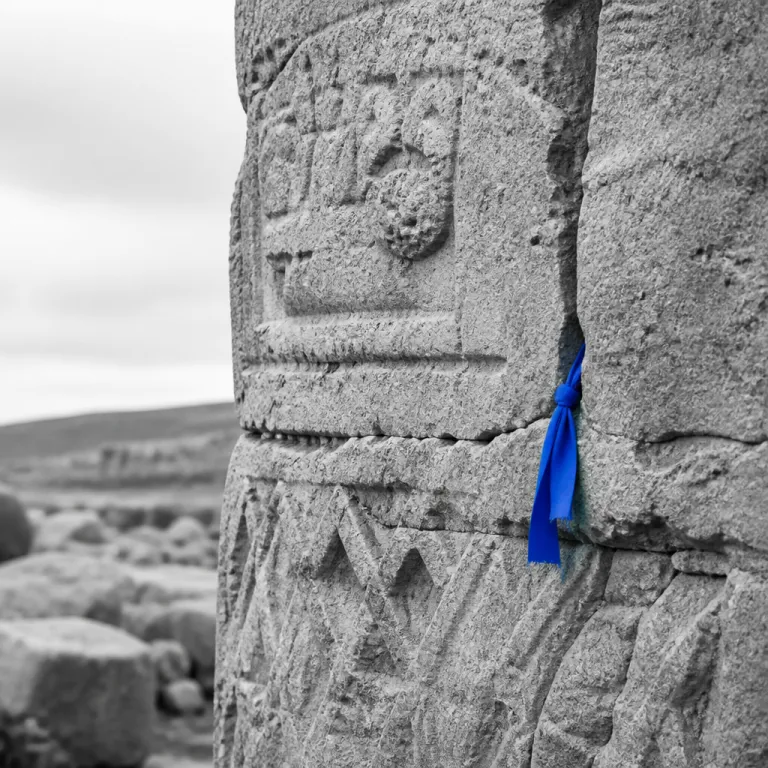
No serious Southeastern Anatolia Turkey travel guide can ignore Göbekli Tepe, the hilltop complex often described as the world’s oldest known temple. The site lies about 15 kilometers from Şanlıurfa, reached by a well maintained road that climbs gently through the southeastern Anatolian countryside. Arrive early, when the southeast light is low and the crowds are thin, and the carved pillars of this ancient city of stone emerge slowly from shadow.
Visiting Göbekli Tepe involves more than a quick stop for a single photograph of a famous T shaped pillar. A modern visitor center explains how these archaeological sites rewrote timelines for settled life in Anatolia and beyond, and elevated walkways keep you above the excavations while still close enough for detailed turkish inscriptions and animal reliefs. For photographers, a mid range zoom lens works best here, allowing you to frame both the circular enclosures and the local workers who continue to reveal new sections of the site.
Farther east, Mount Nemrut (Nemrut Dağı) delivers one of the most theatrical sunrises in Türkiye, with colossal stone heads scattered across a summit tumulus. Reaching Mount Nemrut usually means an overnight in nearby cities such as Kahta or Adıyaman, followed by a pre dawn drive along a winding route that climbs through the Anatolia region. The best images come when first light brushes the statues and the surrounding peaks, so plan for cold temperatures, a sturdy tripod, and enough time to move between the eastern and western terraces without rushing, much as you would when working through an elegant city travel guide on where to go in Mexico City for a refined first stay.
Mardin, Diyarbakır, and the living culture of the southeast
Where Göbekli Tepe and Mount Nemrut speak to deep time, the cities of Mardin and Diyarbakır show how southeastern Anatolia lives today. Mardin clings to a hillside above the Mesopotamian plain, its honey colored houses stacked in terraces that catch late afternoon light. From rooftop terraces you can frame the Anatolia region stretching toward the Syrian border, with minarets and church towers punctuating the skyline in a single, layered composition.
The combined experience of Mardin and Diyarbakır, often planned together as a Mardin Diyarbakır loop, reveals the cultural complexity of southeastern Turkey. Diyarbakır’s basalt city walls, part of a UNESCO heritage listing with the nearby Hevsel Gardens, encircle a dense old city where Kurdish, Arab, and turkish influences meet. Walk the ramparts at golden hour, then drop into local tea houses where men play backgammon and the soundscape becomes as photographable as the streets themselves.
Kurdish hospitality in this region is direct, unvarnished, and rarely commodified in the way more touristed parts of Türkiye can feel. You may be invited for tea while setting up a tripod, or offered local fruit while waiting for the right light over the Tigris River that flows near Diyarbakır. For travelers who value independent, frontier feeling journeys such as those described in guides to Greenland before the guidebooks, this part of Turkey southeast offers a similar sense of being slightly ahead of the tourism curve, without stepping outside established travel infrastructure.
Practical routes, safety, and working with the light
Planning a route through southeastern Anatolia starts with choosing your entry city and your priorities as a photographer. Most independent travelers fly into İstanbul, then connect onward to Gaziantep, Diyarbakır, or Şanlıurfa, building a loop that links major historical sites with smaller local towns. Overland options from central Anatolia or the Black Sea coast exist, but distances are long, so it is usually best to focus on one compact southeast circuit rather than trying to cross all of Türkiye in a single trip.
Safety in southeastern Turkey is a common question, given the region’s proximity to the Syrian border and its complex political history. The main cities mentioned in this Southeastern Anatolia Turkey travel guide sit firmly within established travel corridors, with visible security and a steady flow of domestic visitors, though conditions can change and you should always check current government advisories. Within city centers, the biggest risks tend to be traffic, uneven pavements around archaeological sites, and the usual urban concerns, rather than targeted issues for foreign travelers.
For photography, the southeastern Anatolian light is unforgiving at midday but magical in the first and last hours of the day. Early morning works best for Göbekli Tepe and Mount Nemrut, while late afternoon and blue hour suit the streets of Gaziantep, the courtyards of Şanlıurfa, and the walls of Diyarbakır. Between shoots, you can explore local markets, attend a cultural festival if your timing aligns, or visit smaller mosaic museums and archaeological sites that rarely appear in mainstream guides but round out your understanding of this layered region.
FAQ
Is southeastern Anatolia safe for independent travelers with camera gear ?
The main cities in southeastern Anatolia that appear in this guide, such as Gaziantep, Şanlıurfa, Mardin, and Diyarbakır, are established destinations for domestic tourism and business travel. Security presence is visible, especially closer to the Syrian border, and most photographers report feeling comfortable when following normal urban precautions. Always check the latest travel advisories for Türkiye, avoid restricted areas, and use common sense when photographing sensitive locations like checkpoints or government buildings.
How many days do I need for a first trip to the region ?
A focused first journey through southeastern Turkey works well in about ten days, allowing time for one or two cities plus key historical sites. For example, you might spend three nights in Gaziantep, three in Şanlıurfa for Göbekli Tepe, and three split between Mardin and Diyarbakır. Photographers who like to work slowly around sunrise and sunset will benefit from adding extra nights in at least one city to revisit favorite locations in different light.
Can I visit Göbekli Tepe and Mount Nemrut without a tour ?
Both Göbekli Tepe and Mount Nemrut can be visited independently, though logistics differ. Göbekli Tepe is straightforward, with a paved road from Şanlıurfa, regular shuttles, and clear visitor facilities that make a half day trip easy to arrange. Mount Nemrut requires more planning, as sunrise visits involve early departures, mountain weather, and sometimes rougher access roads, so many photographers choose a local driver even if they skip a full guided tour.
What kind of lenses work best in southeastern Anatolia ?
A versatile kit for this region usually includes a wide angle lens for city walls, mosaics, and sweeping Mesopotamian landscapes, plus a standard zoom for street scenes and portraits. A short telephoto is useful at sites like Mount Nemrut and Göbekli Tepe, where you may want to isolate details without crossing barriers around the archaeological areas. Dust can be an issue in the southeast, so bring a simple cleaning kit and consider changing lenses in sheltered spots rather than in open, windy locations.
How does southeastern Anatolia compare with coastal regions of Türkiye ?
Coastal areas such as the Aegean and the Black Sea focus on beaches, resort towns, and maritime landscapes, while southeastern Anatolia centers on ancient cities, highland plateaus, and river valleys. The culture in the southeast feels more overtly Middle Eastern, with stronger Kurdish and Arab influences alongside turkish traditions, and far fewer international visitors. For photographers, that means more access to everyday life scenes, stronger contrasts in light and terrain, and a slower, more observational rhythm than in crowded coastal resorts.